
Backyard Renovation beginnings
After finishing the kitchen renovation in fall 2024 , we turned our attention to the backyard in spring 2025 . But actually this project really began back in 2023 when we moved in.
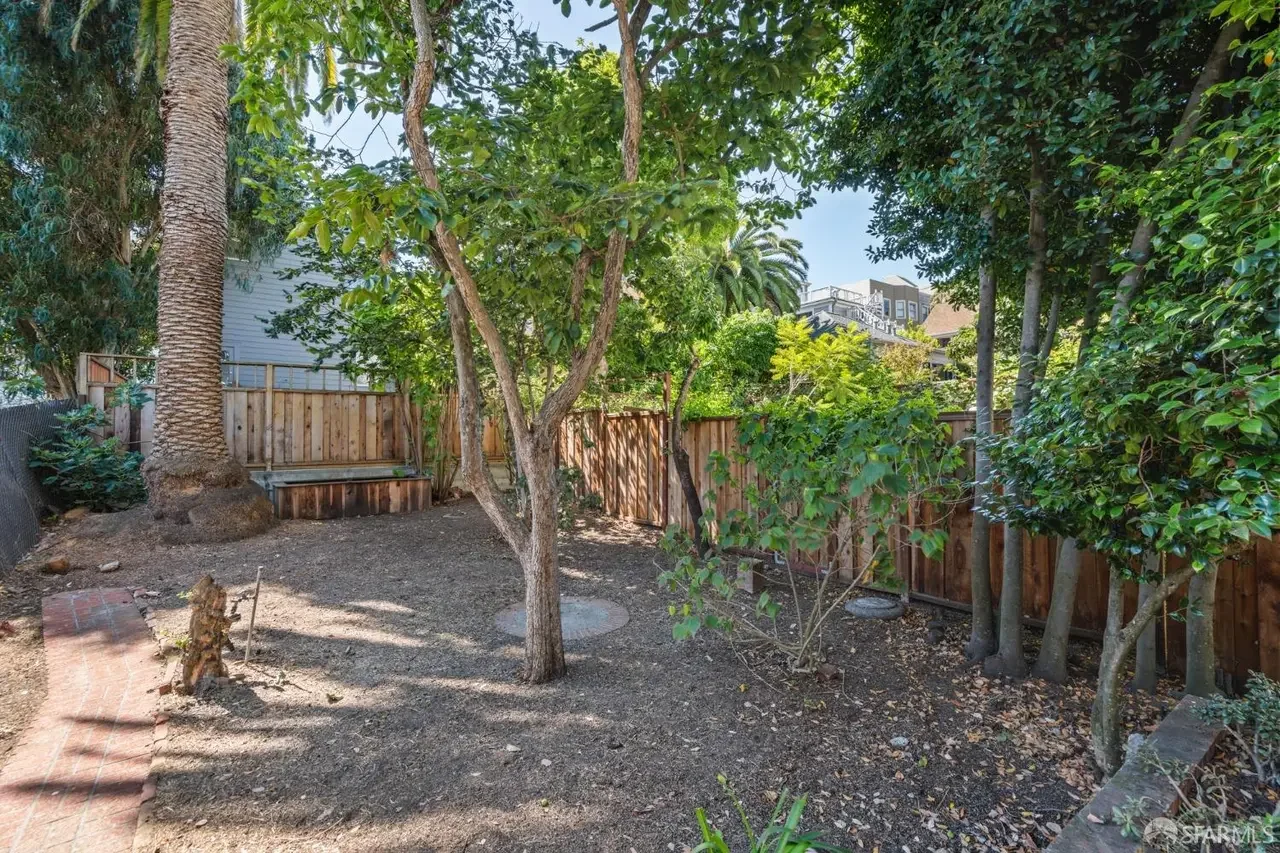
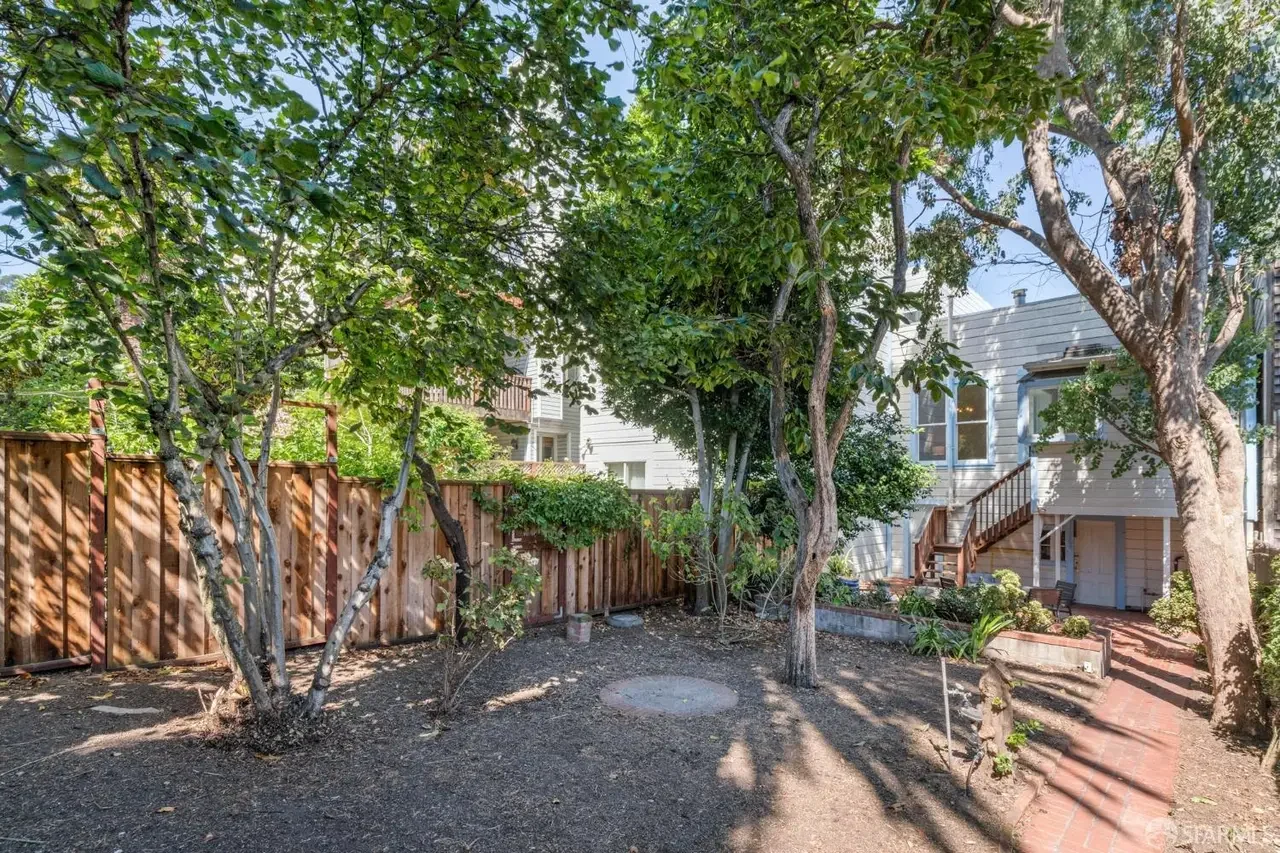
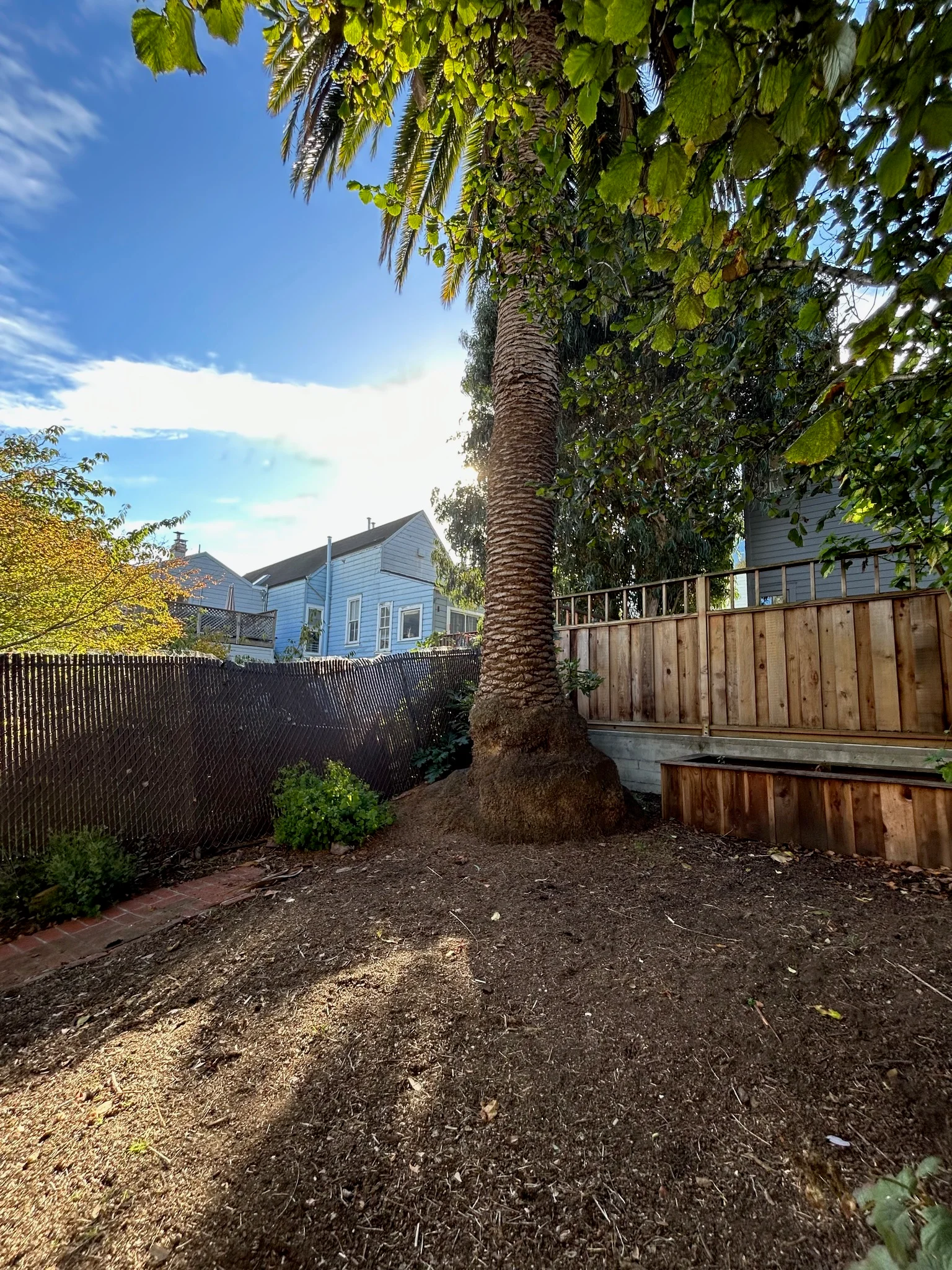
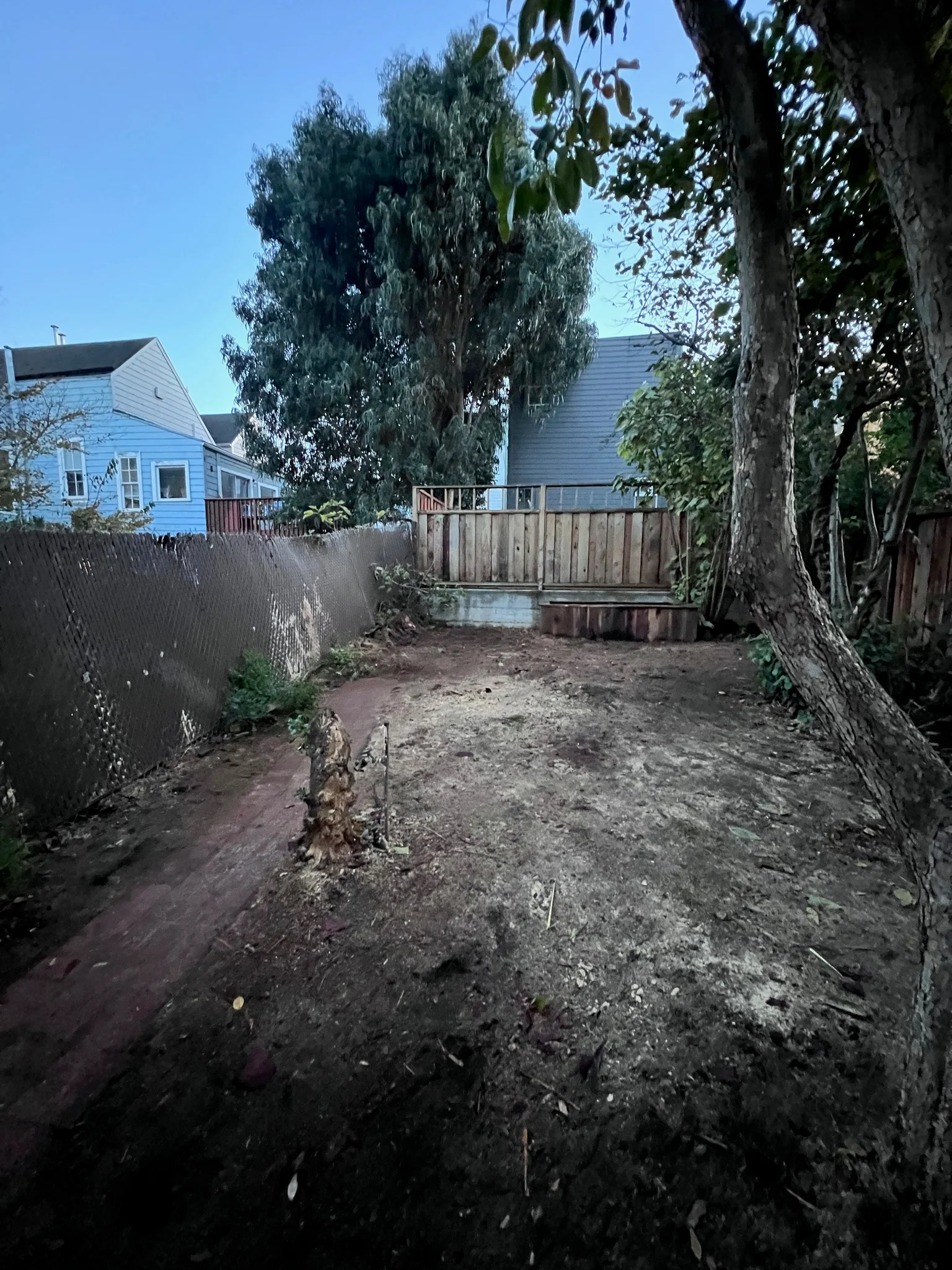
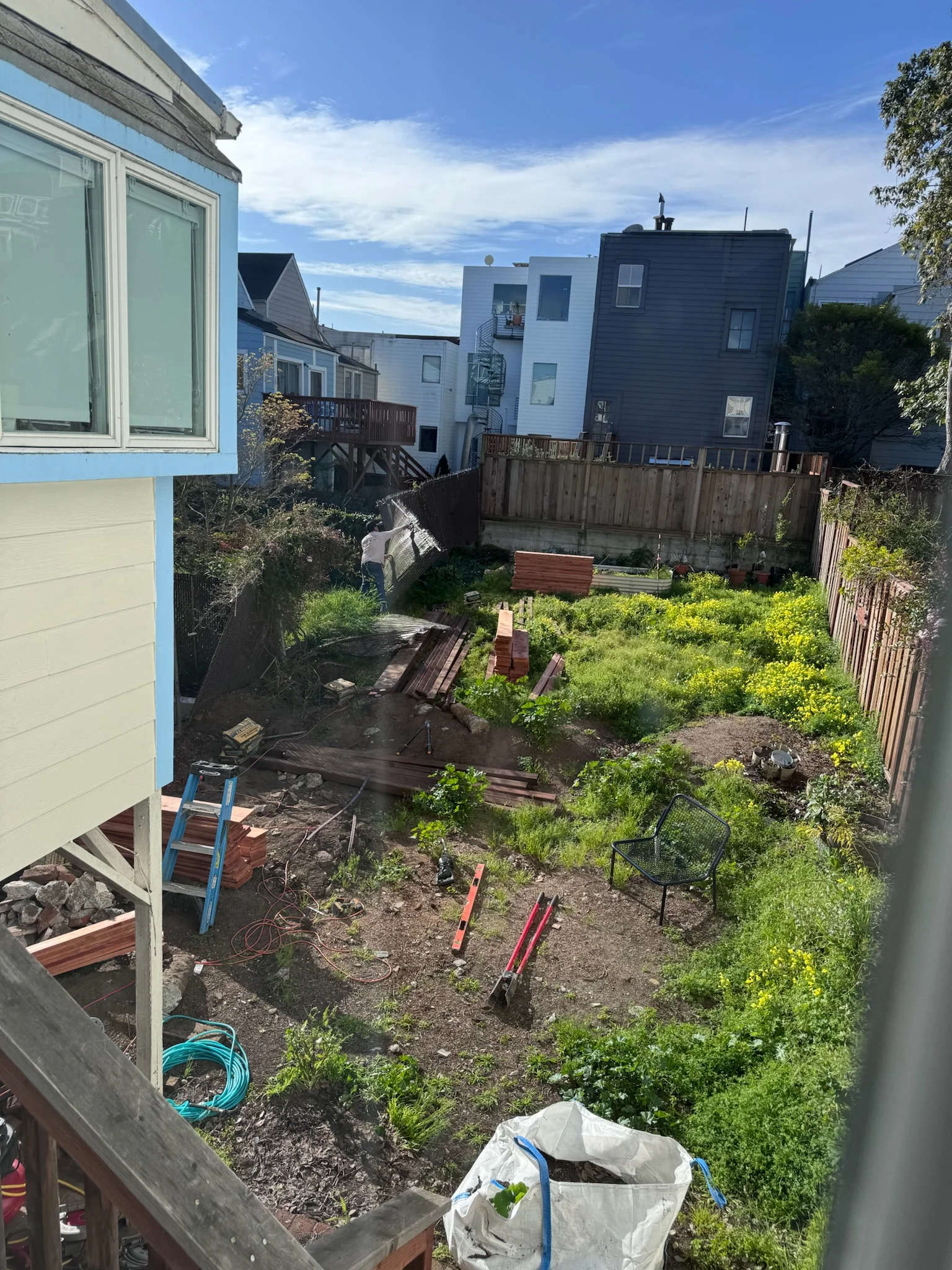
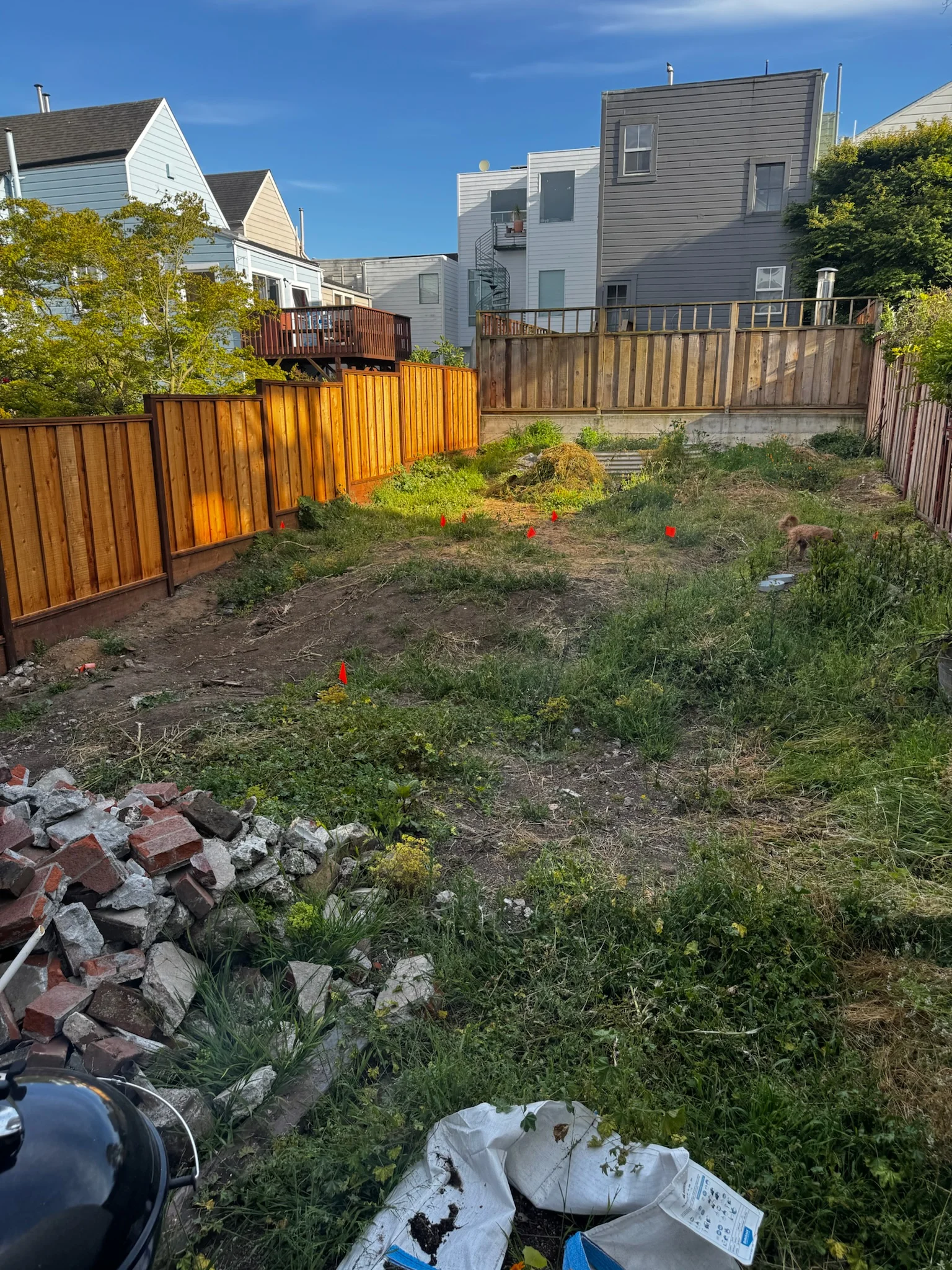
Here’s what it looked like before:
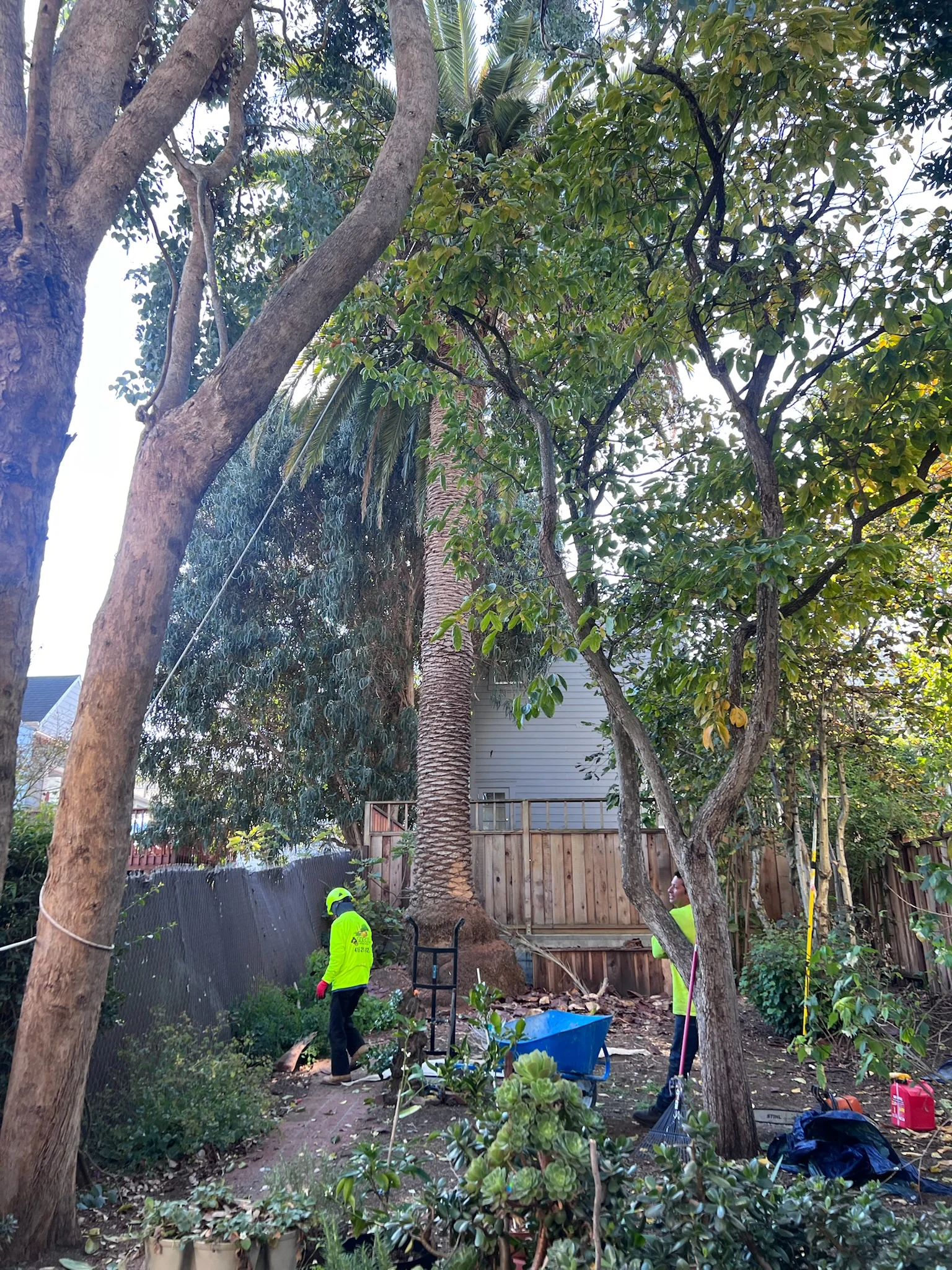

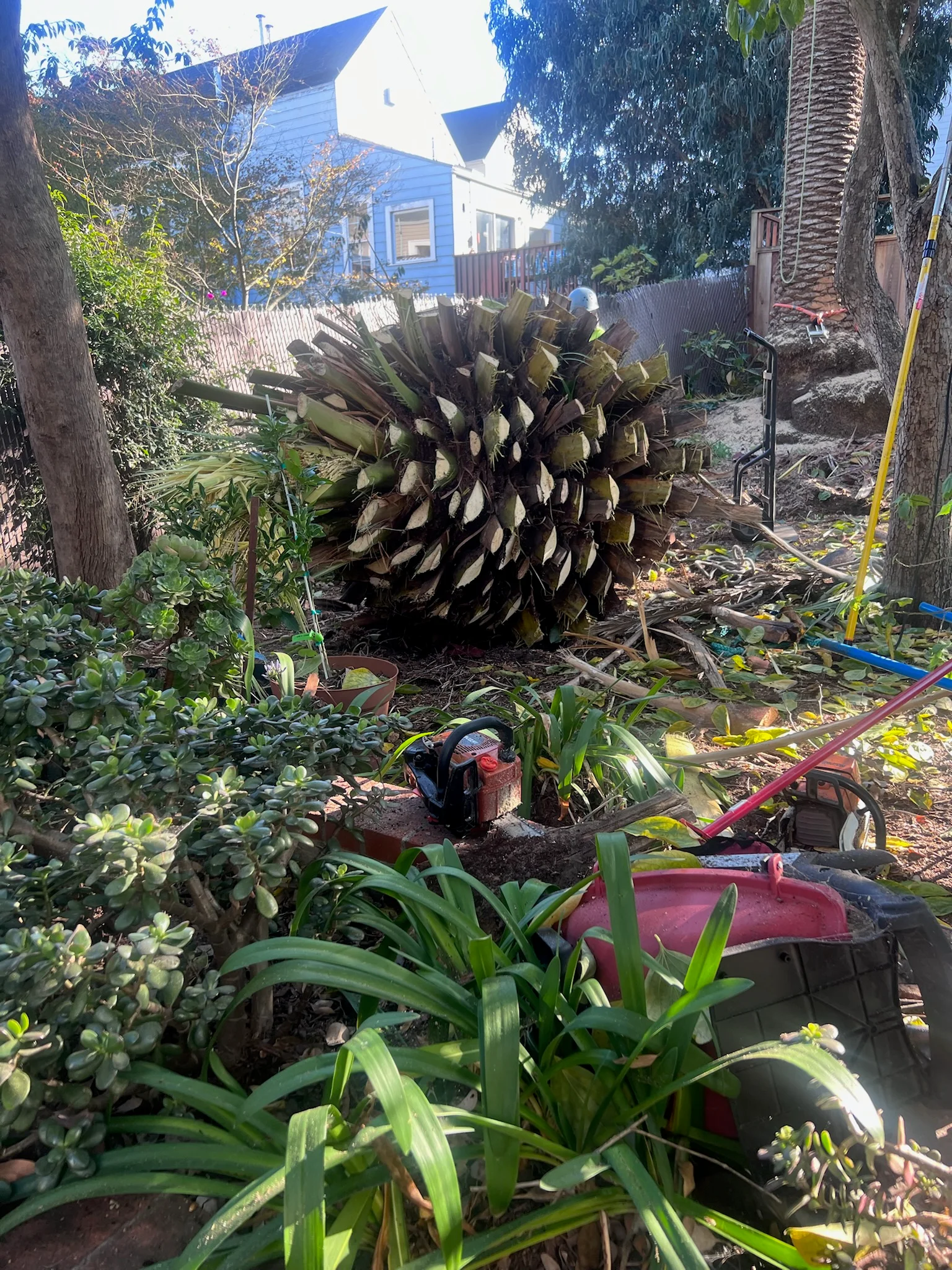

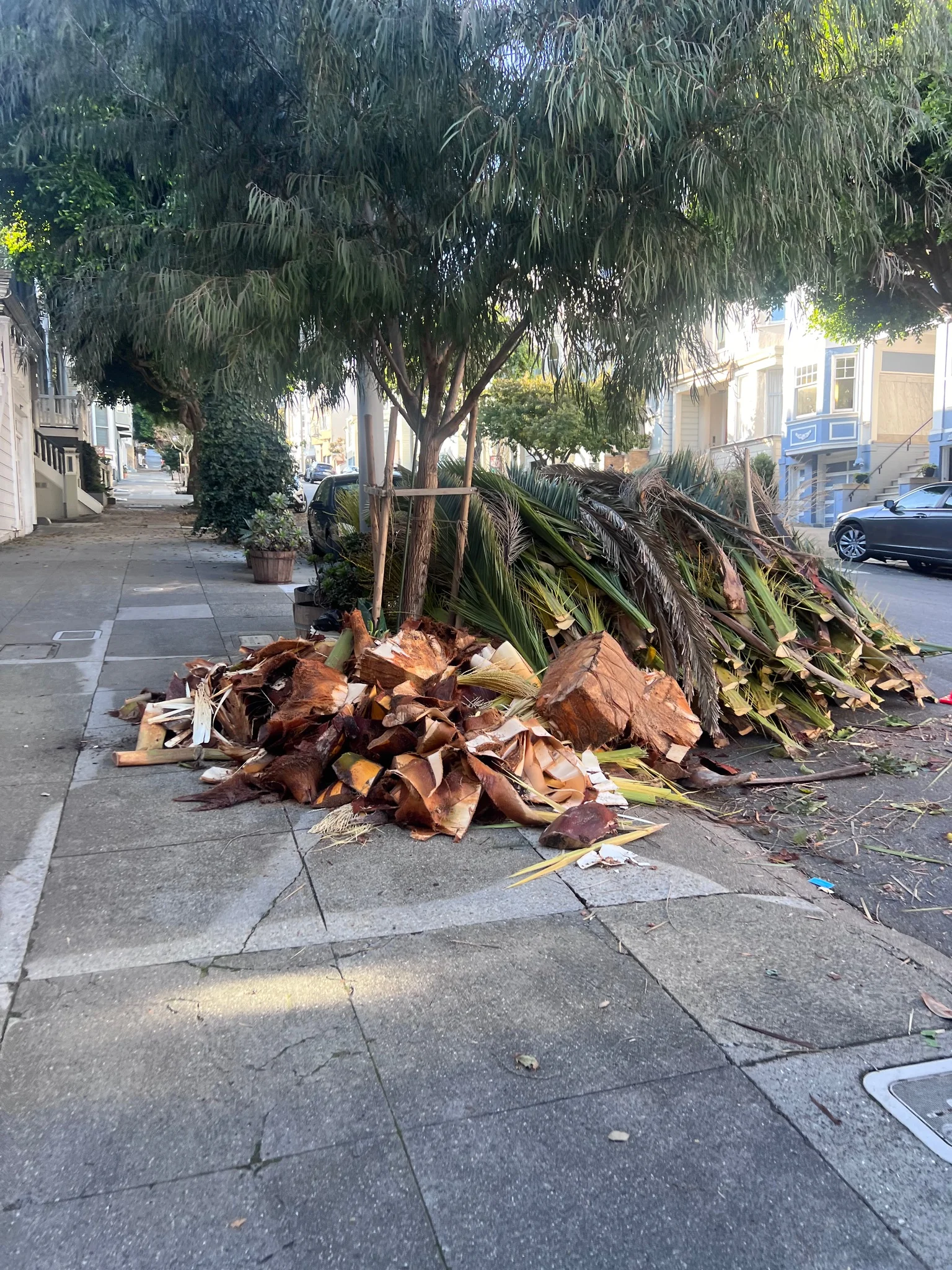
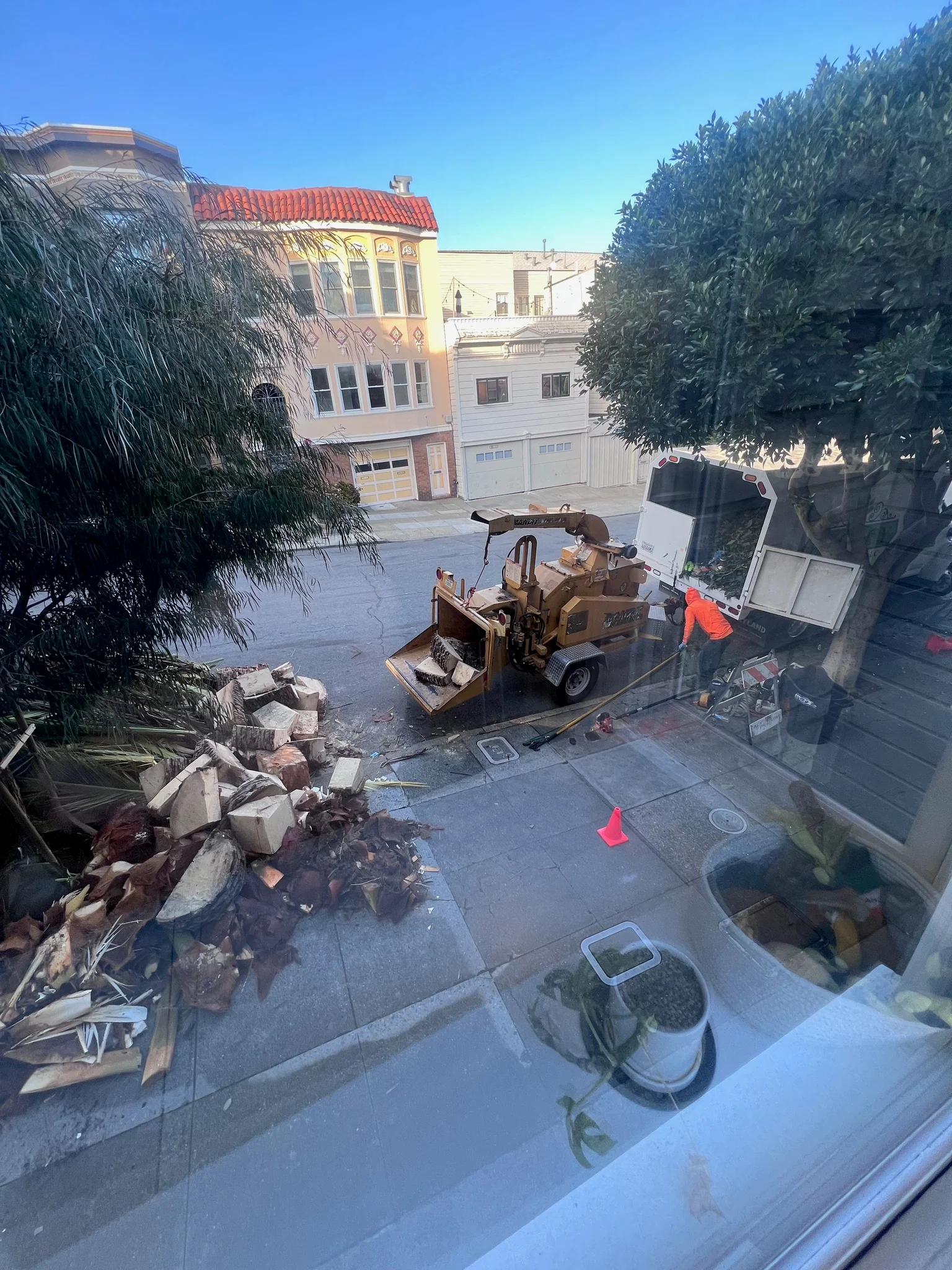
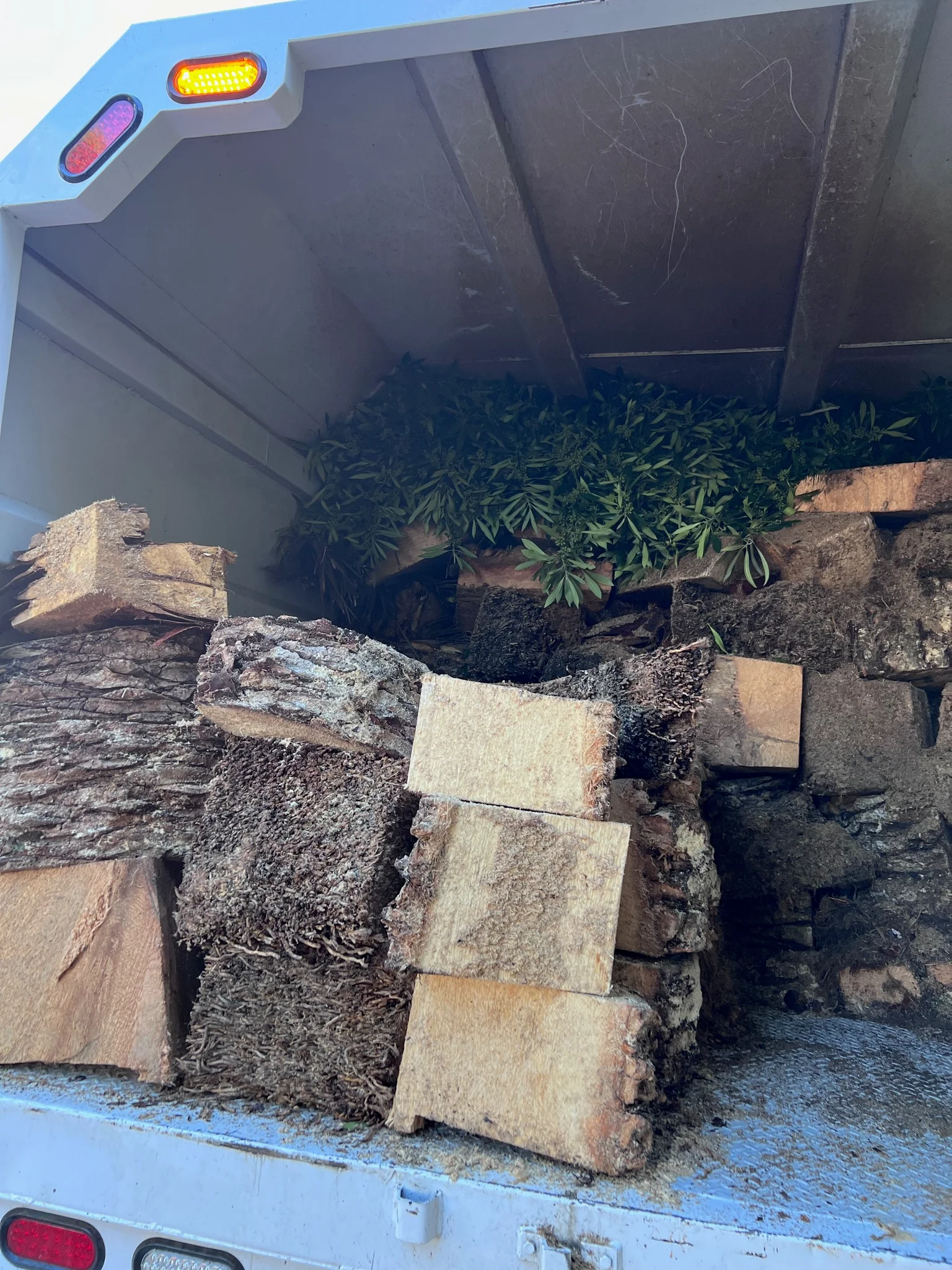
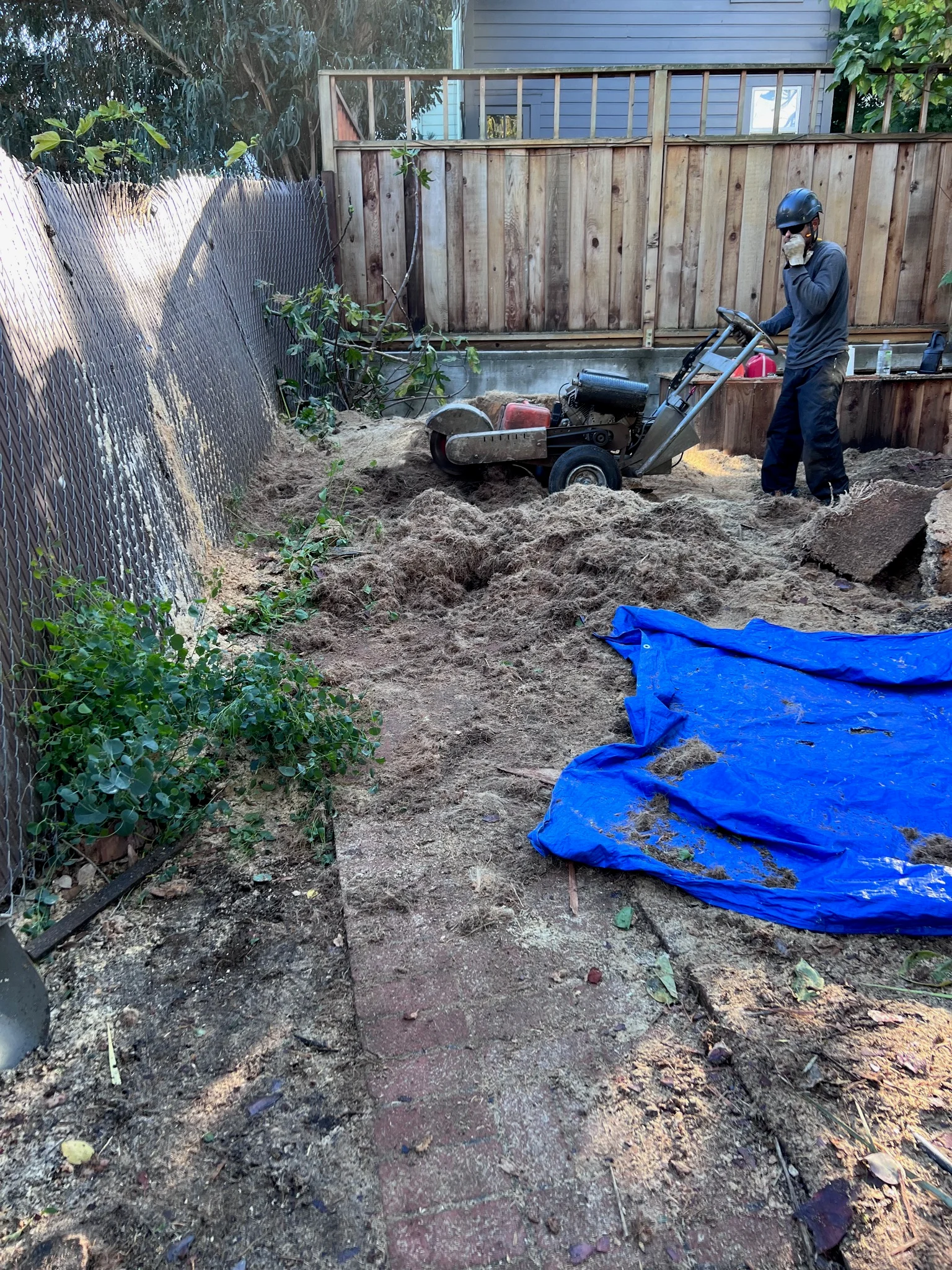
Palm Tree Removal
Our first task was to get rid of the giant 80ft palm tree that was both not the right vibe and also on its last legs. It took the crew 2 whole days to cut it down, chop it up into pieces that would fit out through the garage and into their truck, and to grind the stump
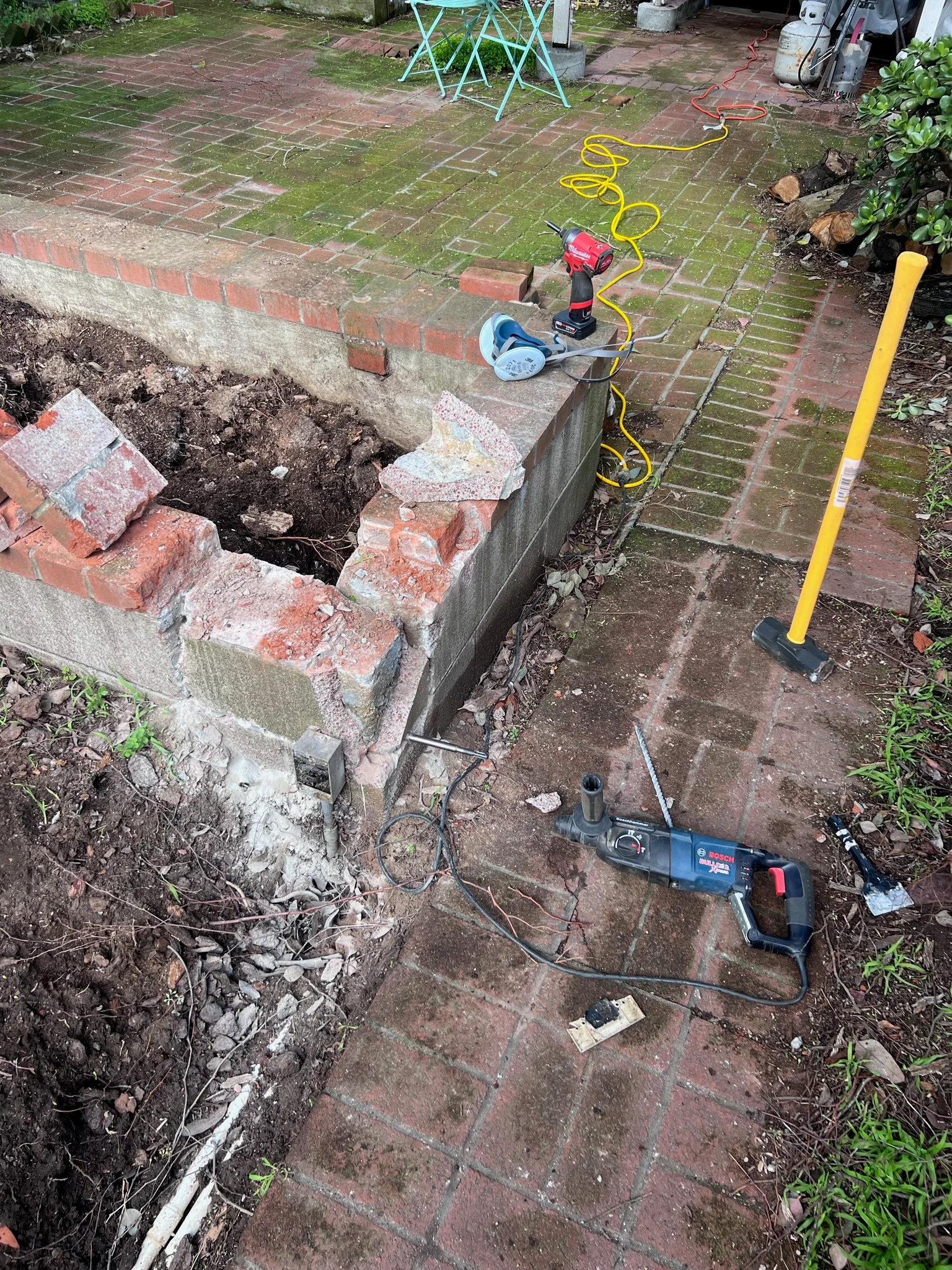
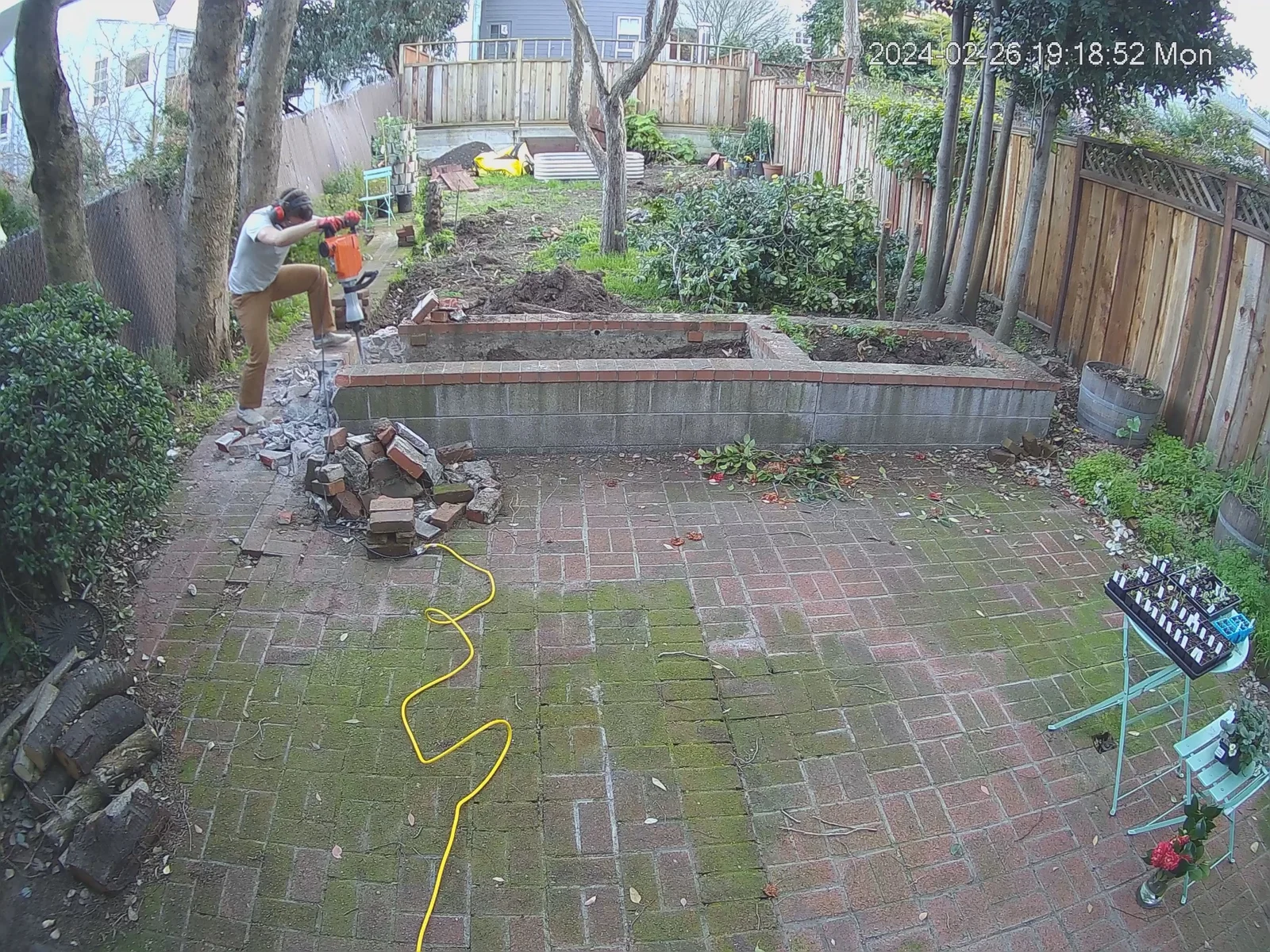
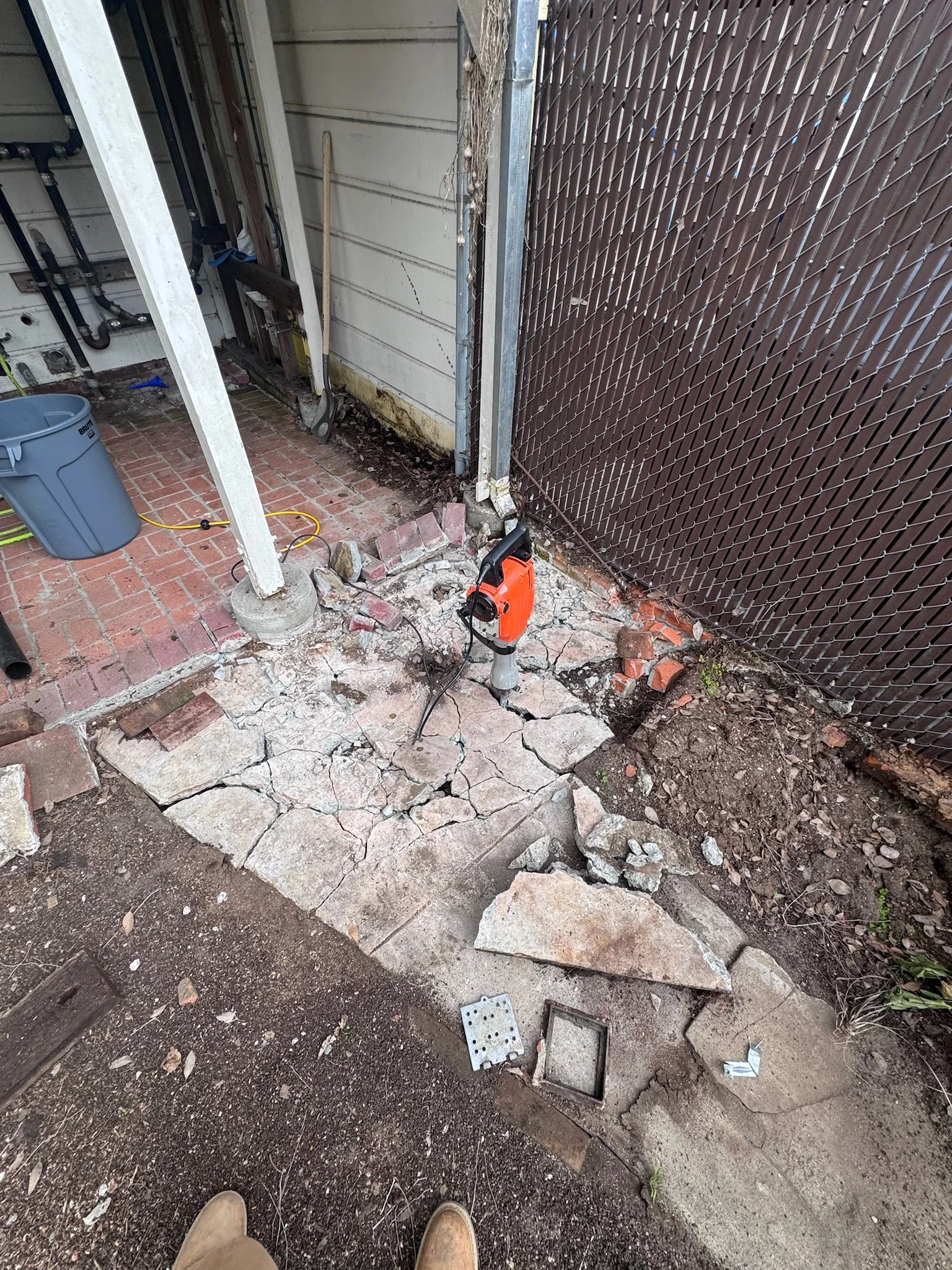
Misc Demolition

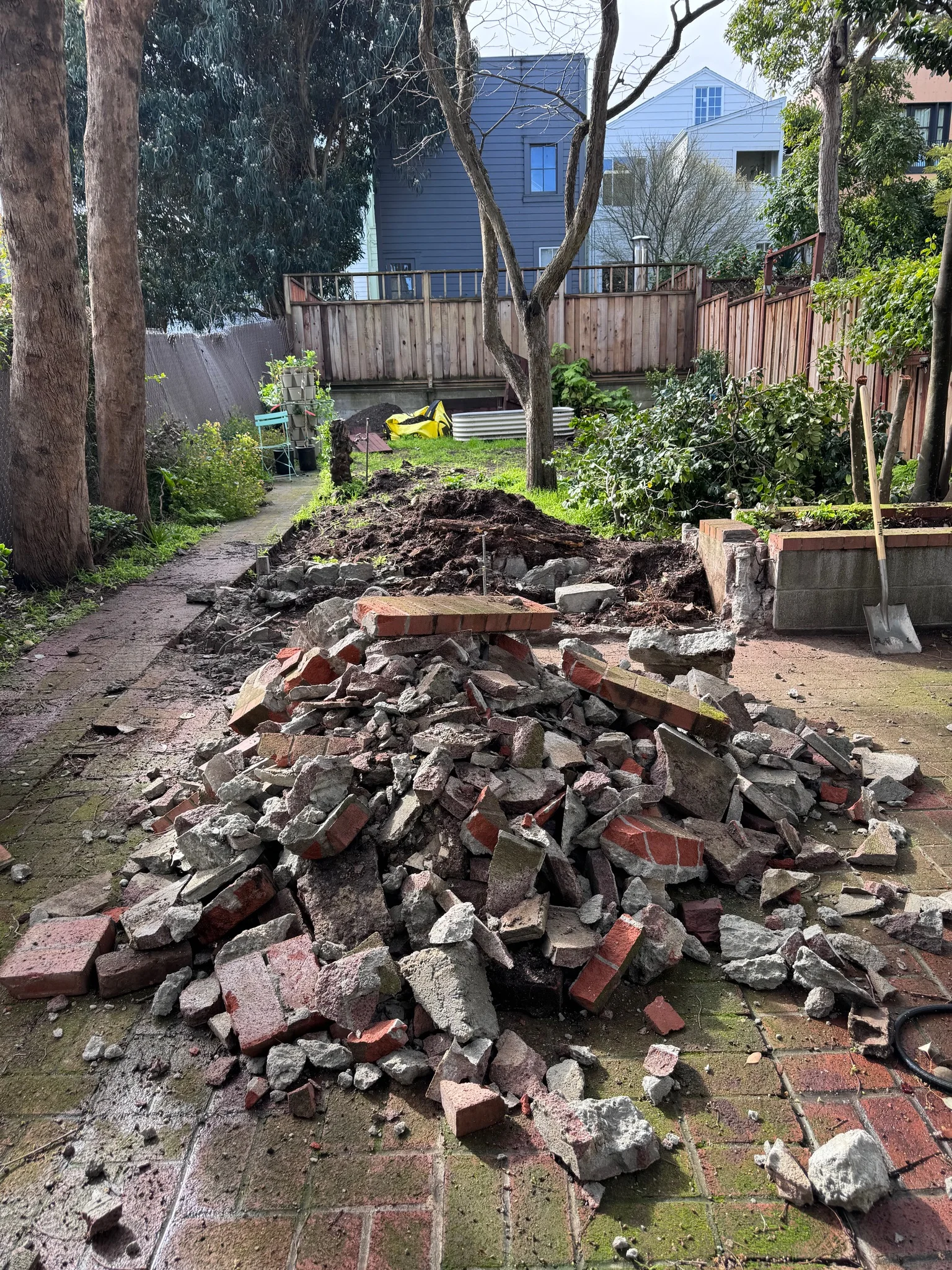
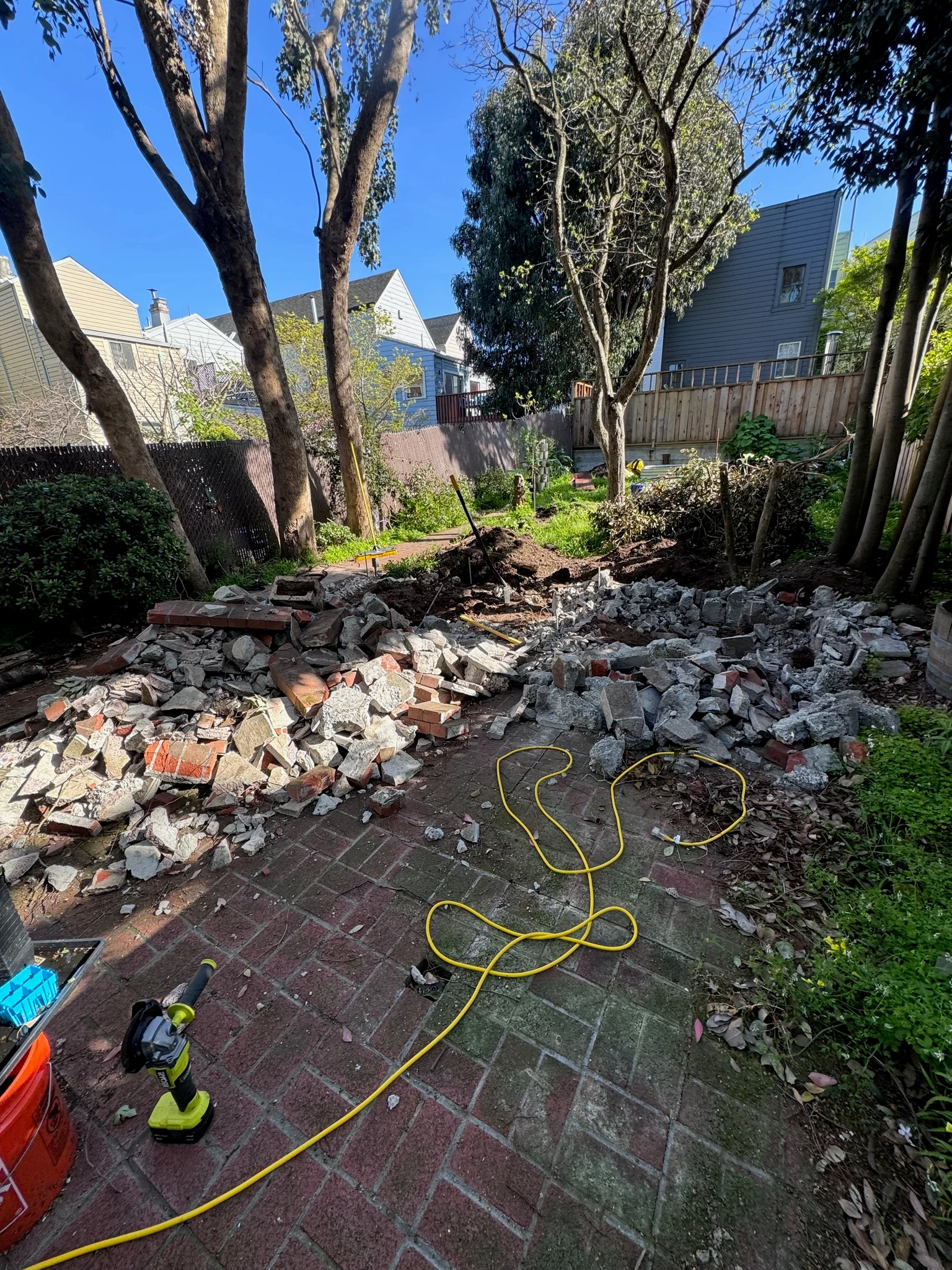
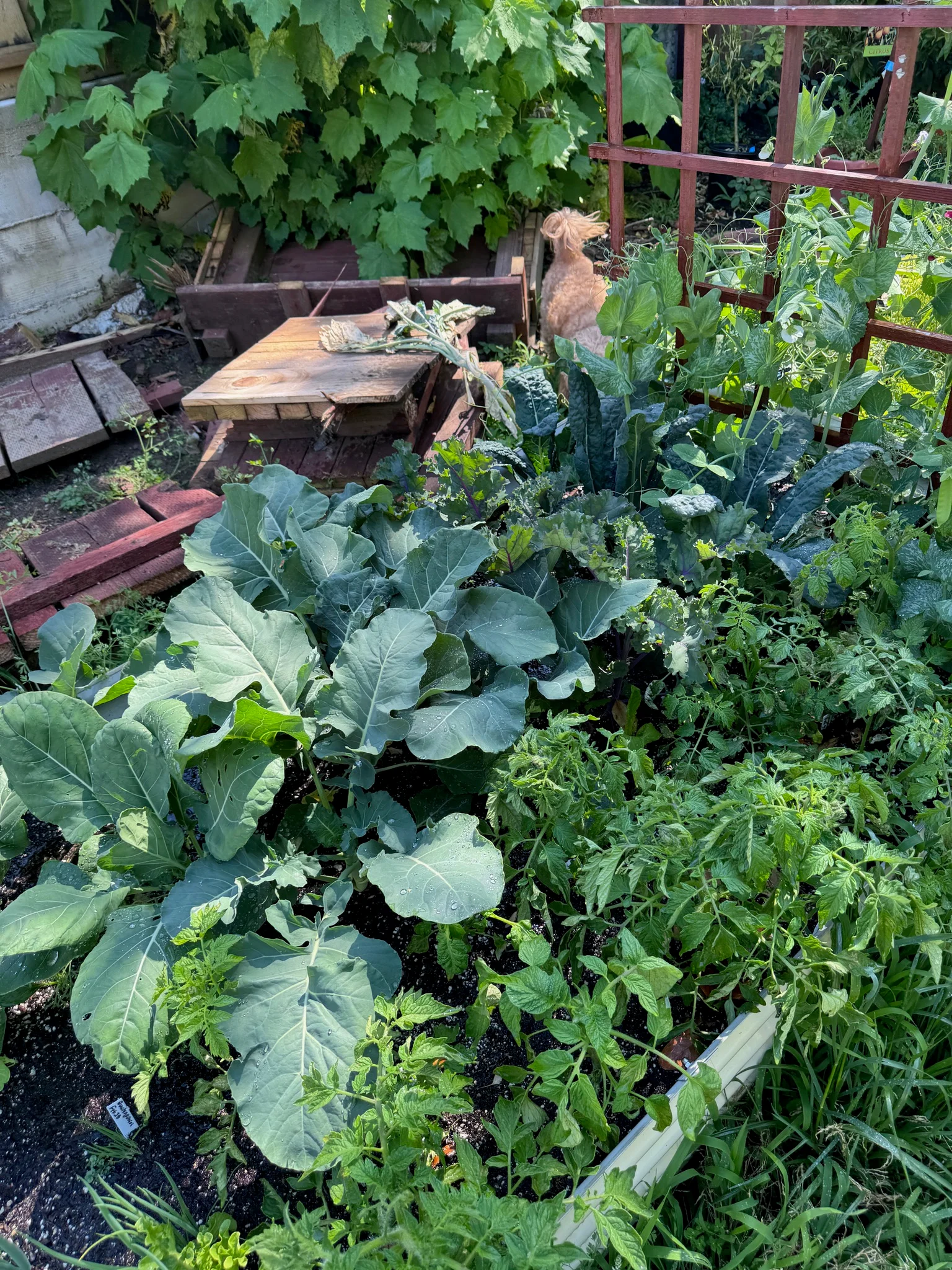
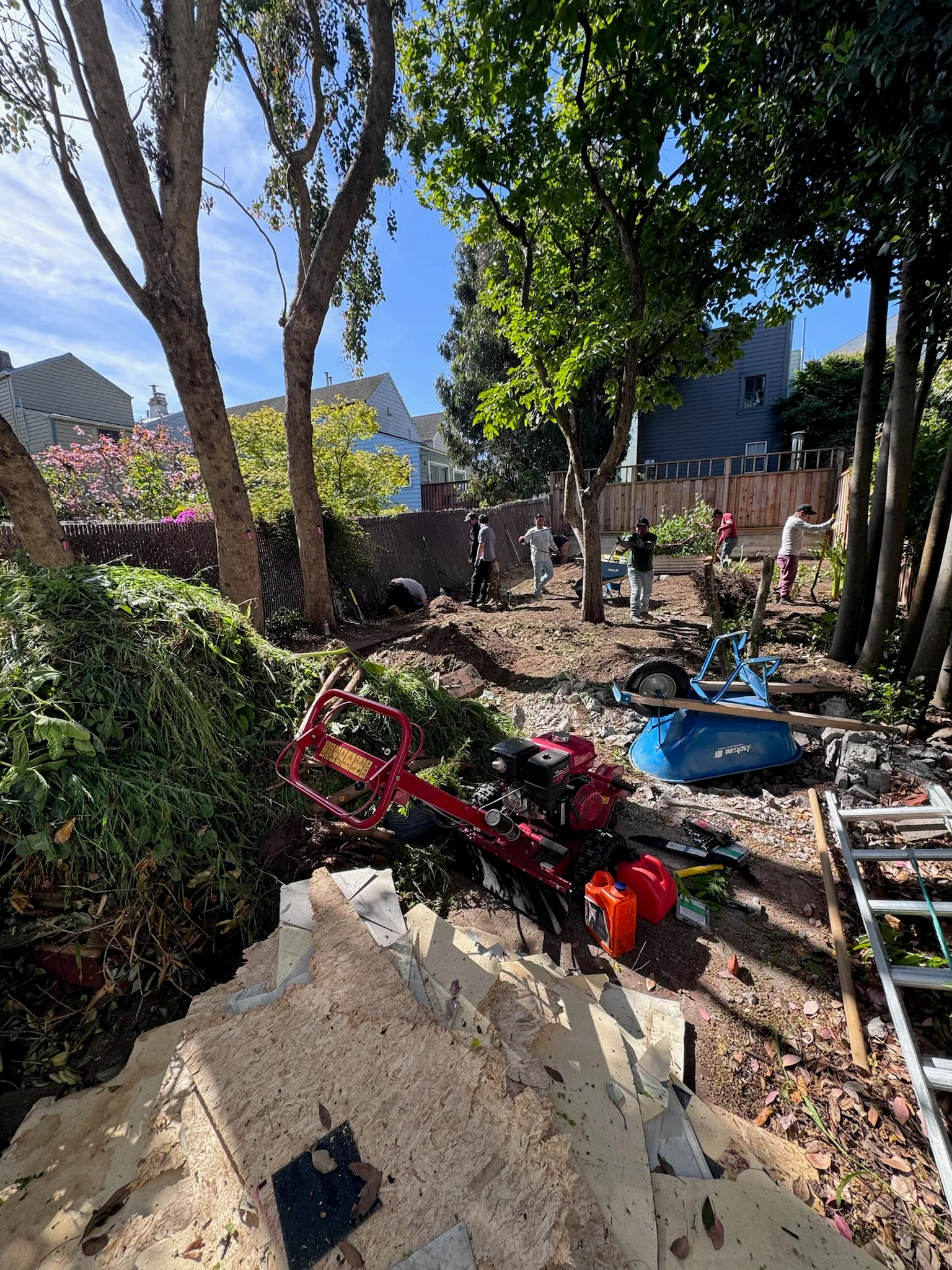
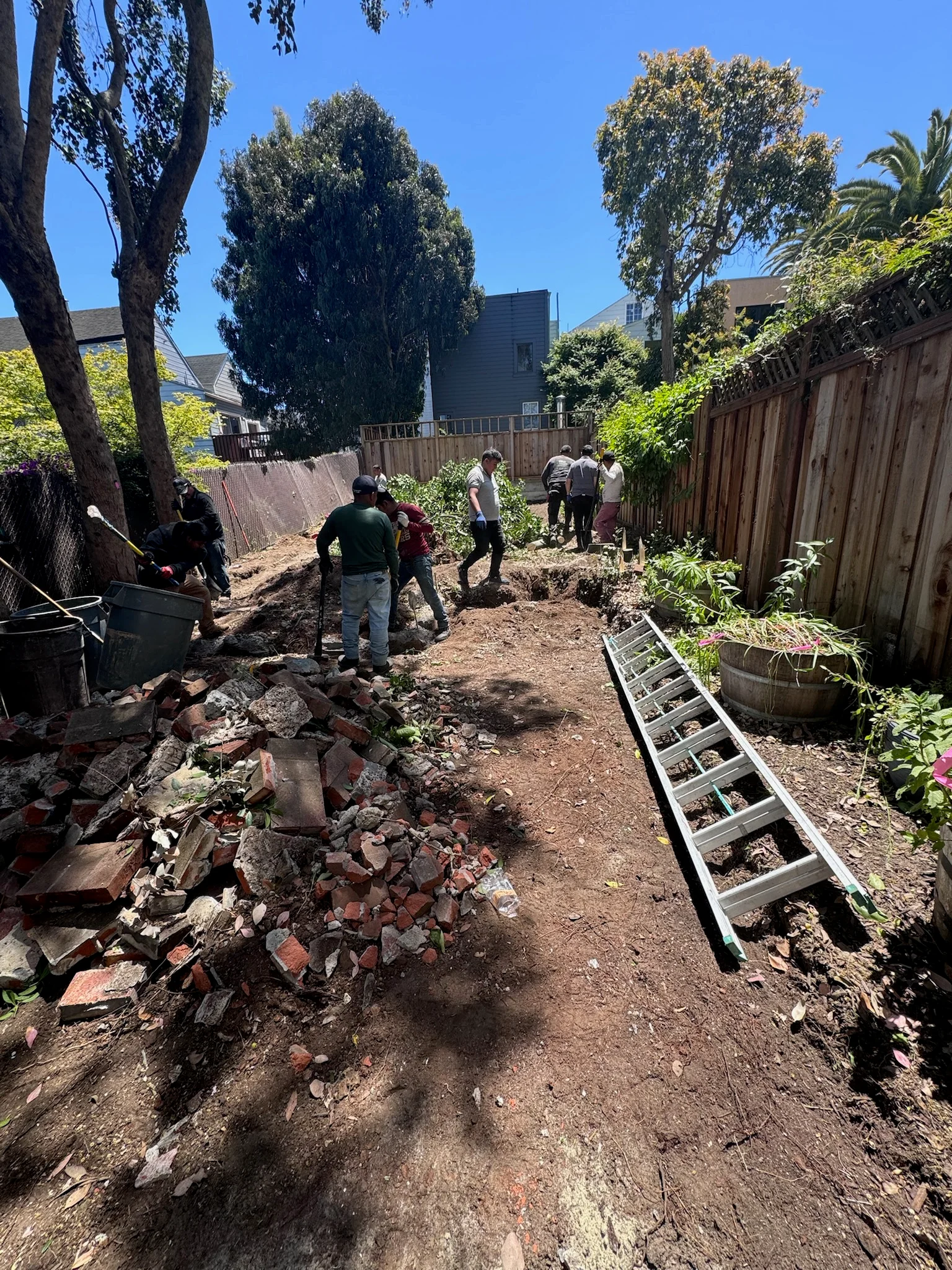
After that, we didn’t really have a plan yet but decided to start destroying some stuff.
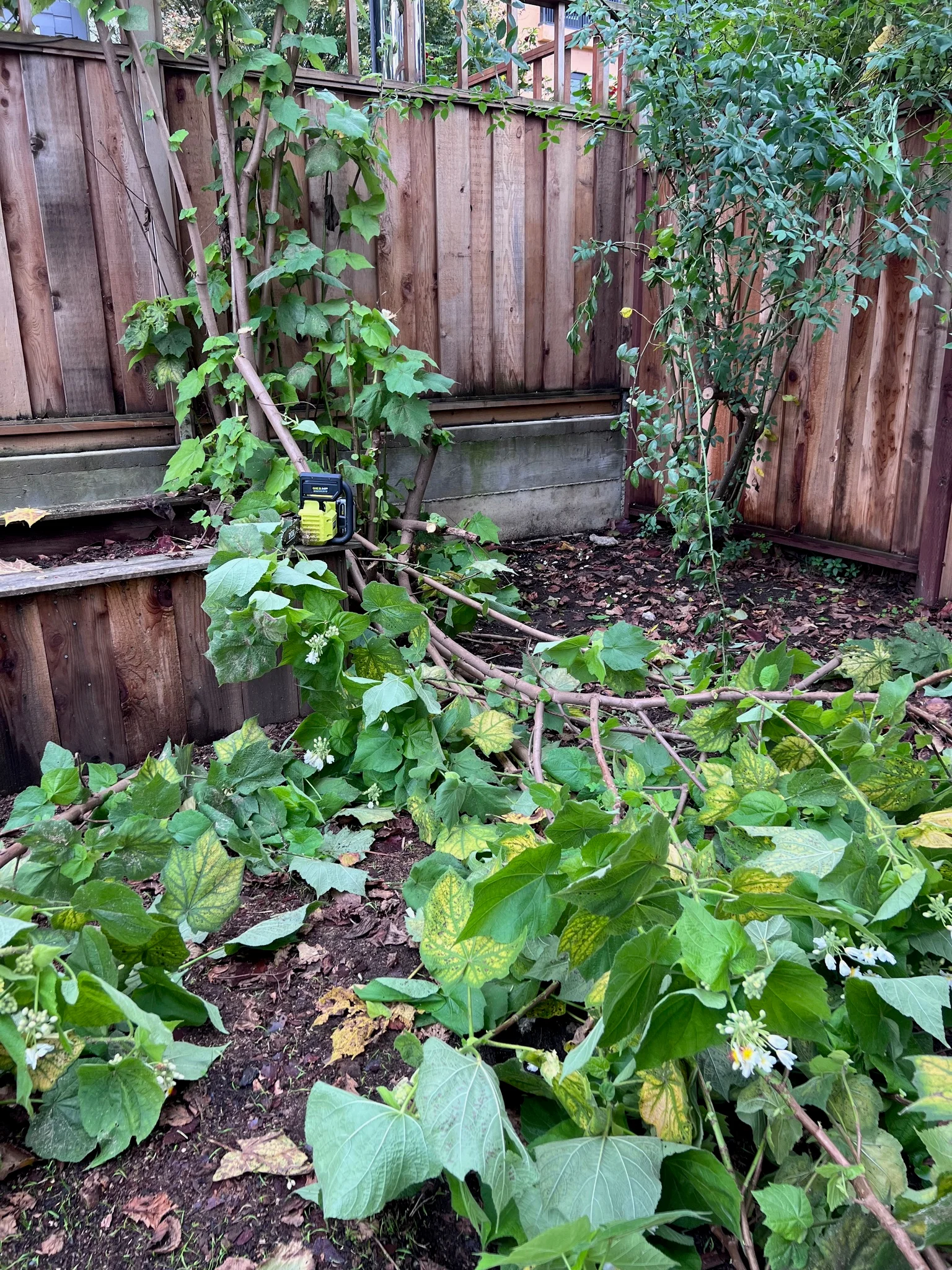
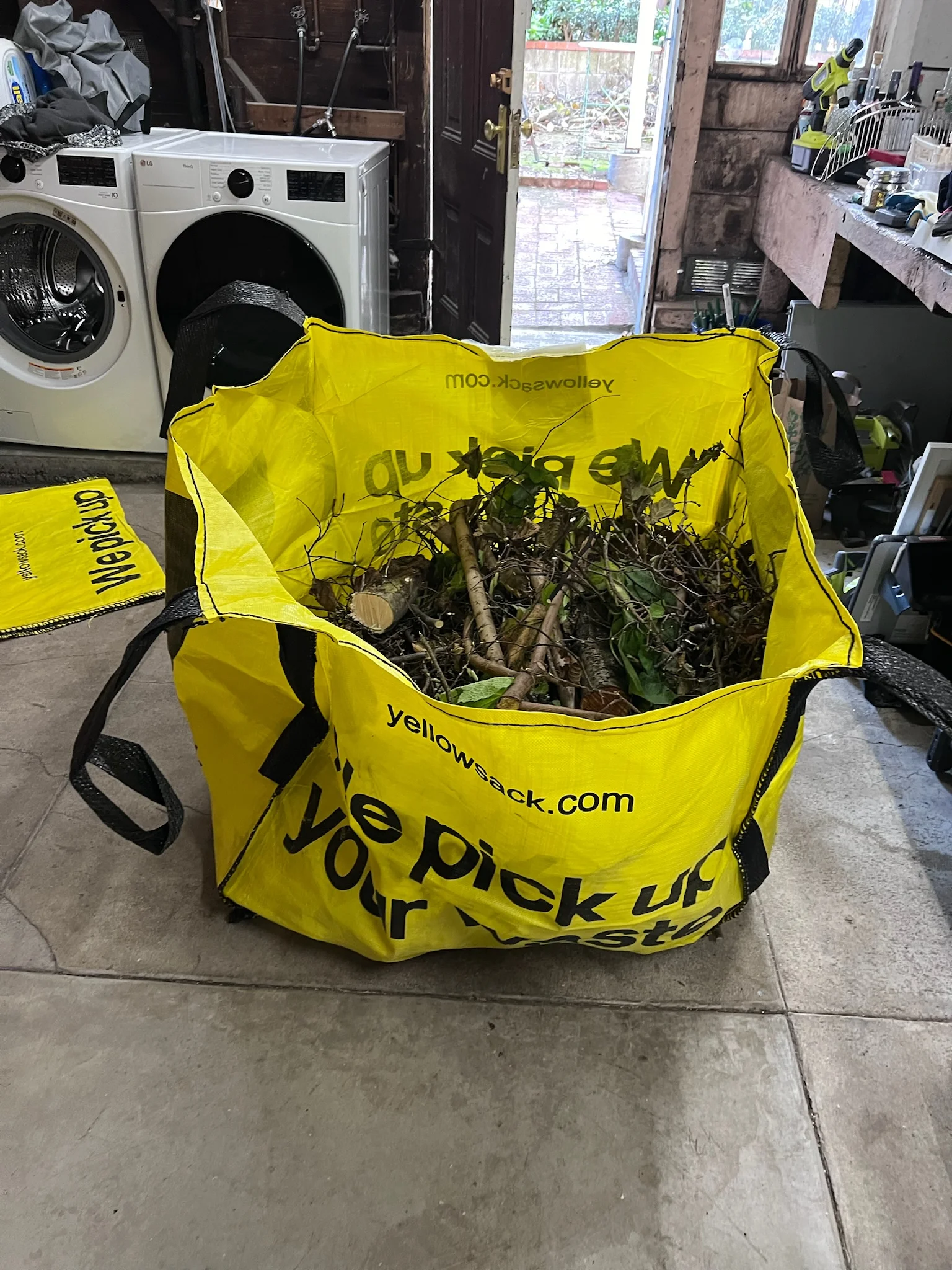
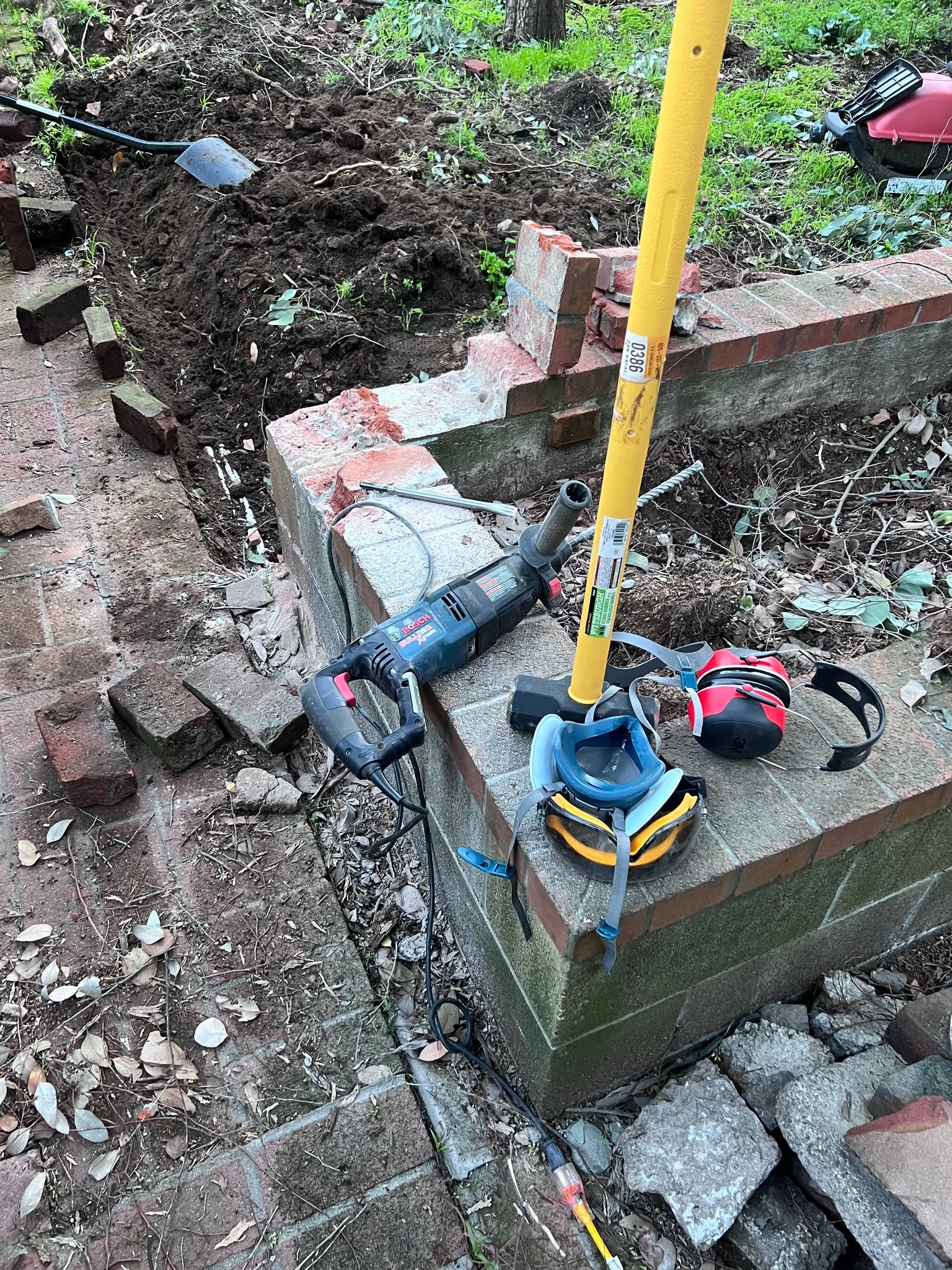
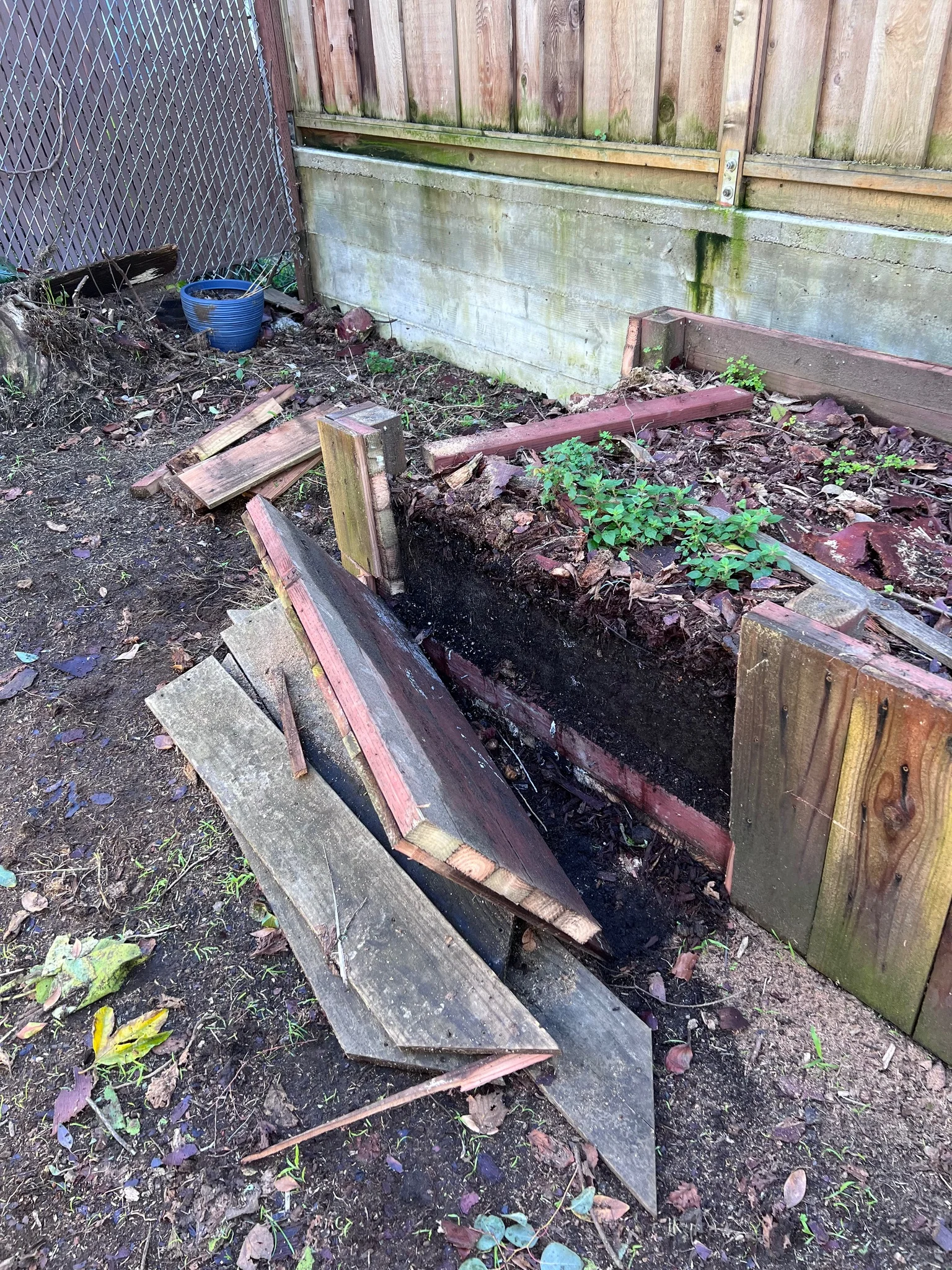
A break for the kitchen
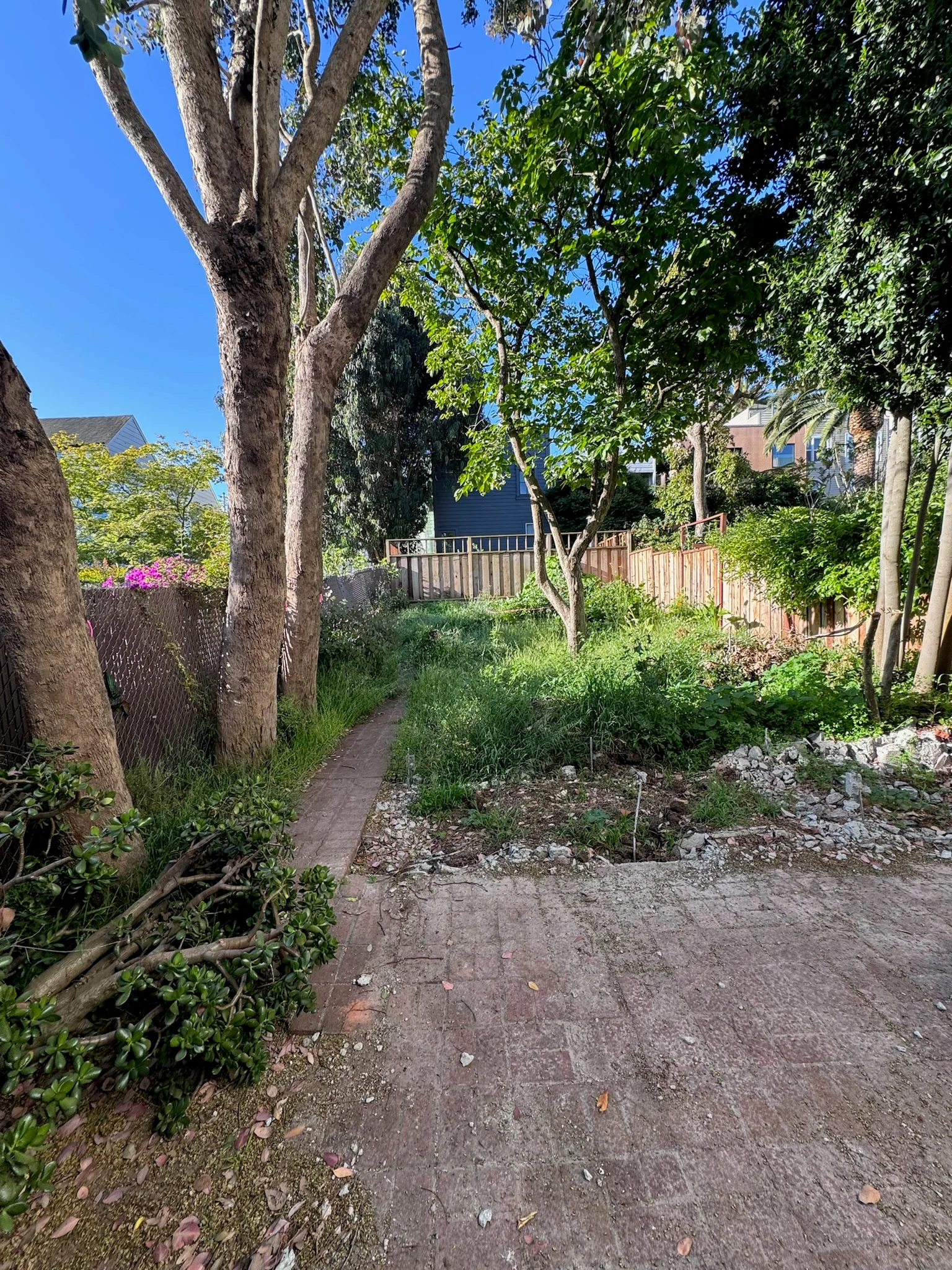
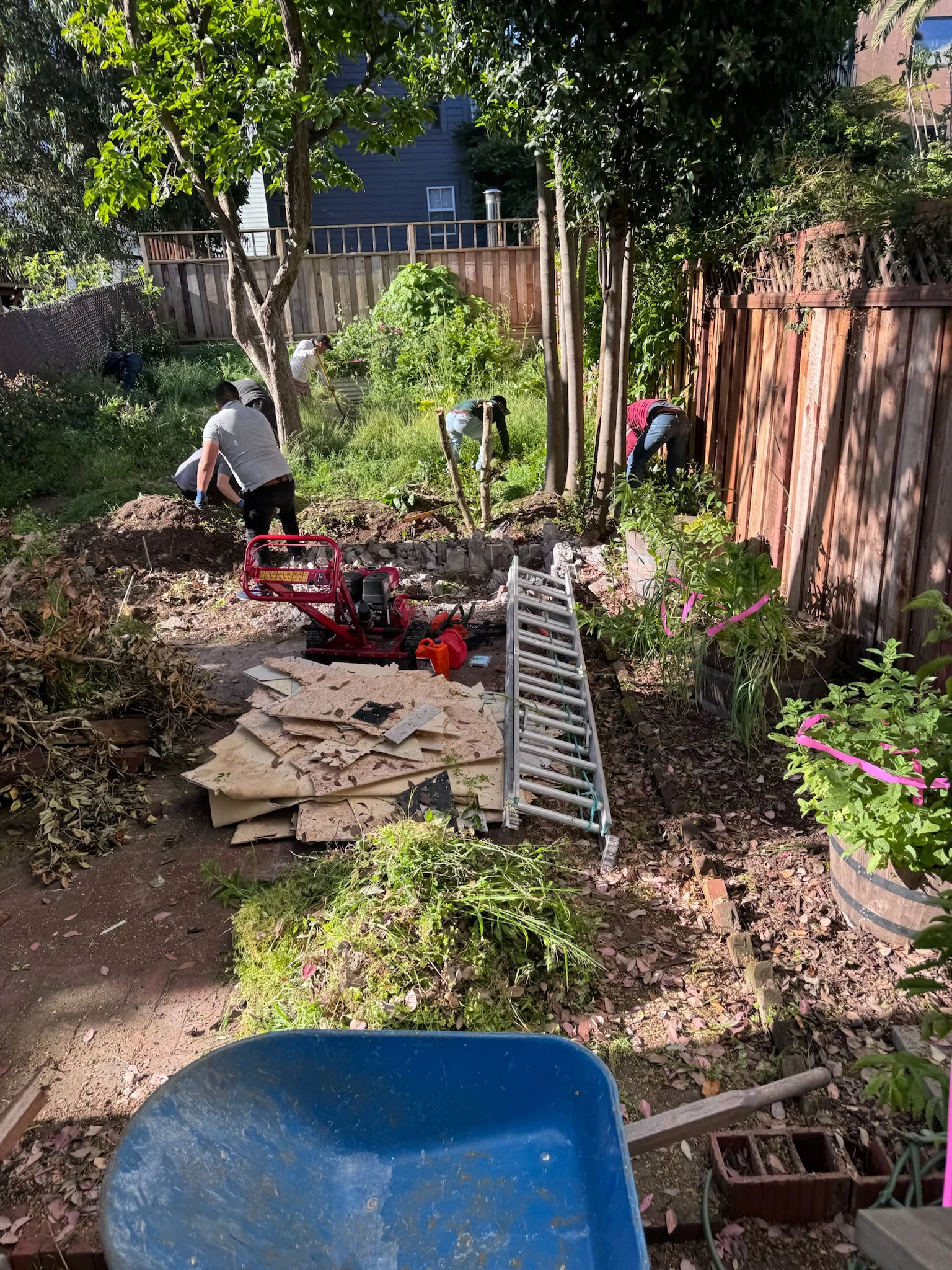
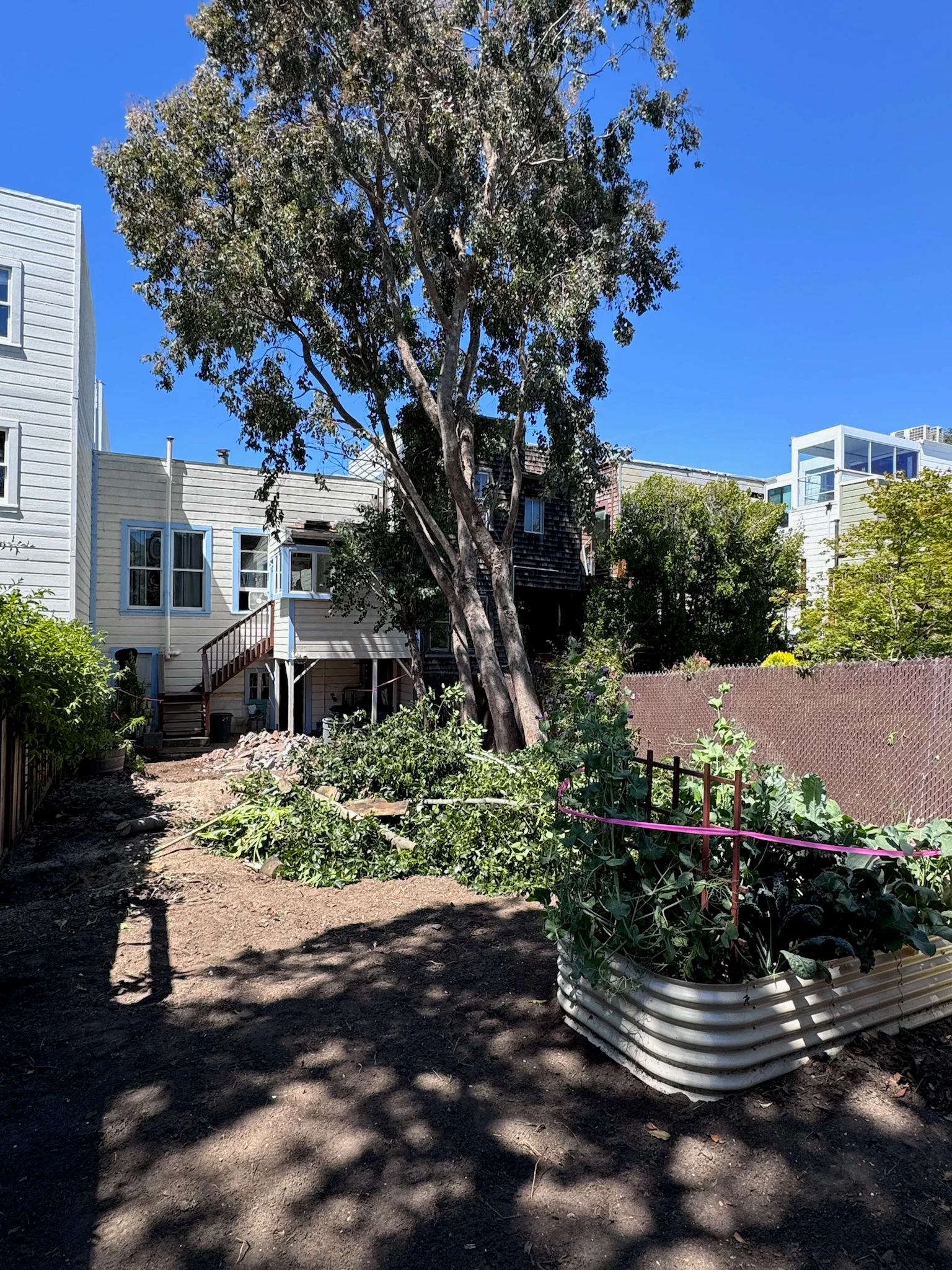
From may 2024 to september 2024 , we focused on the kitchen renovation. The only progress we made was while we had some hauling done for kitchen debris, I had them clean out the yard
More deforestation
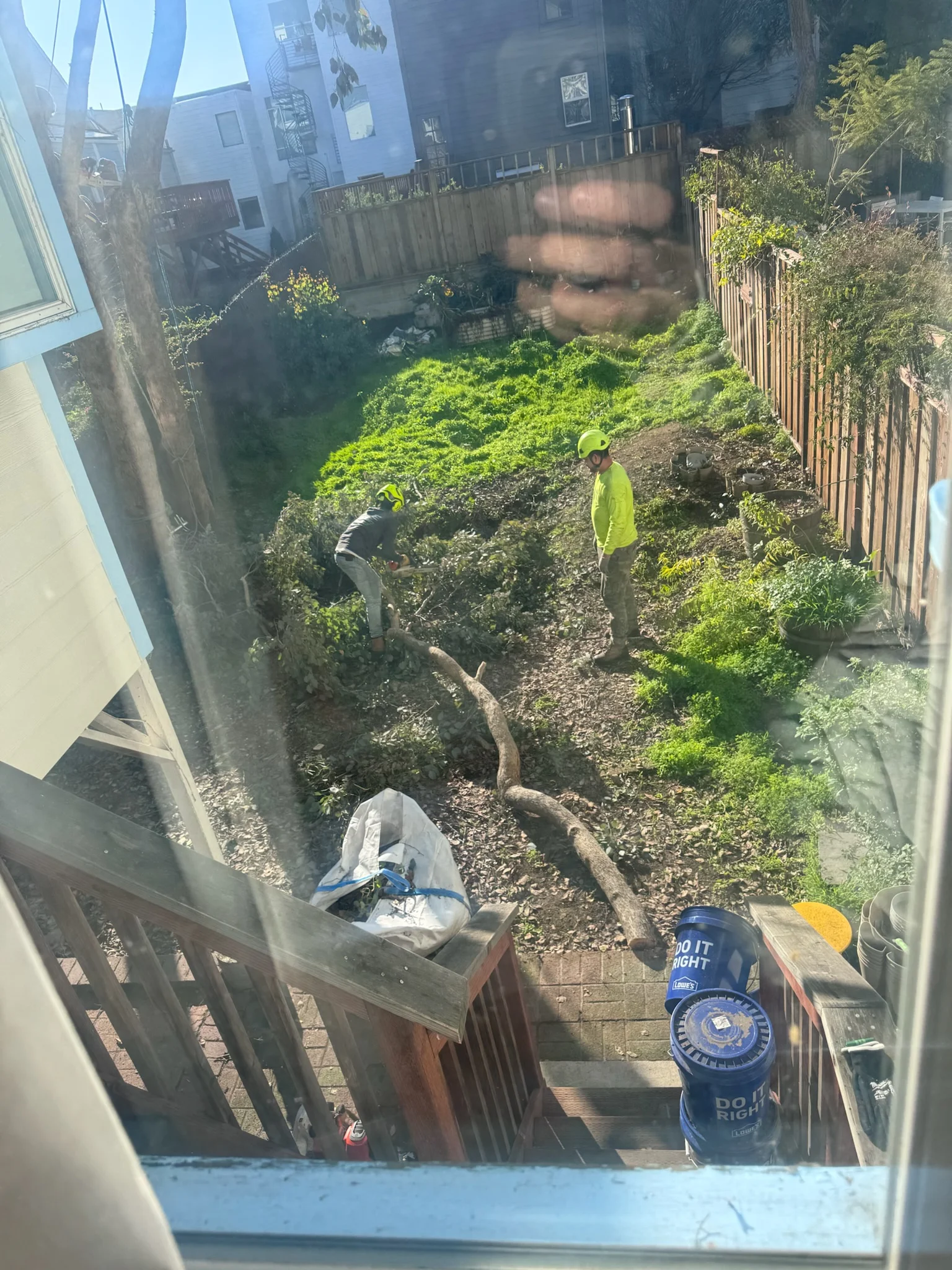

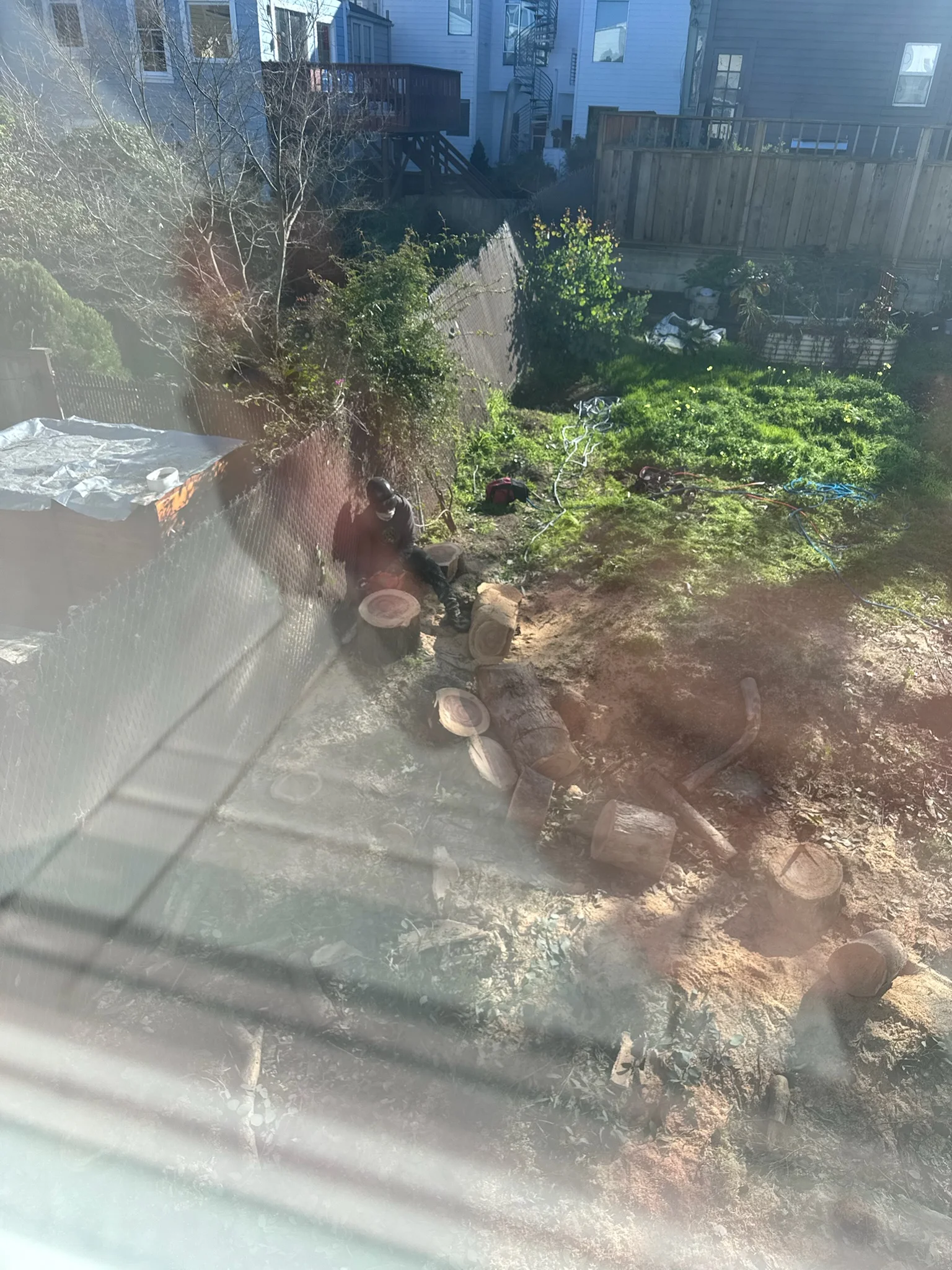
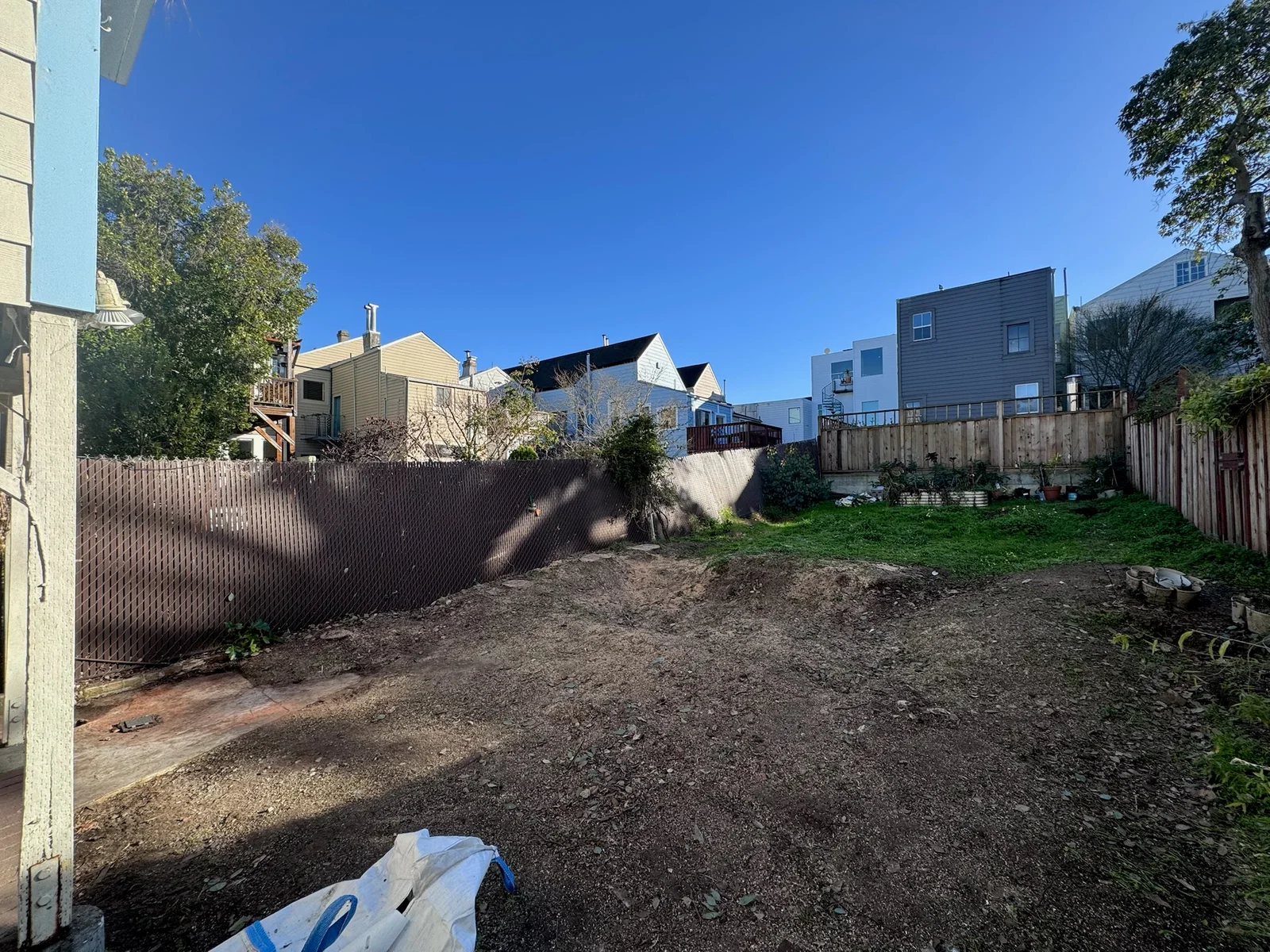
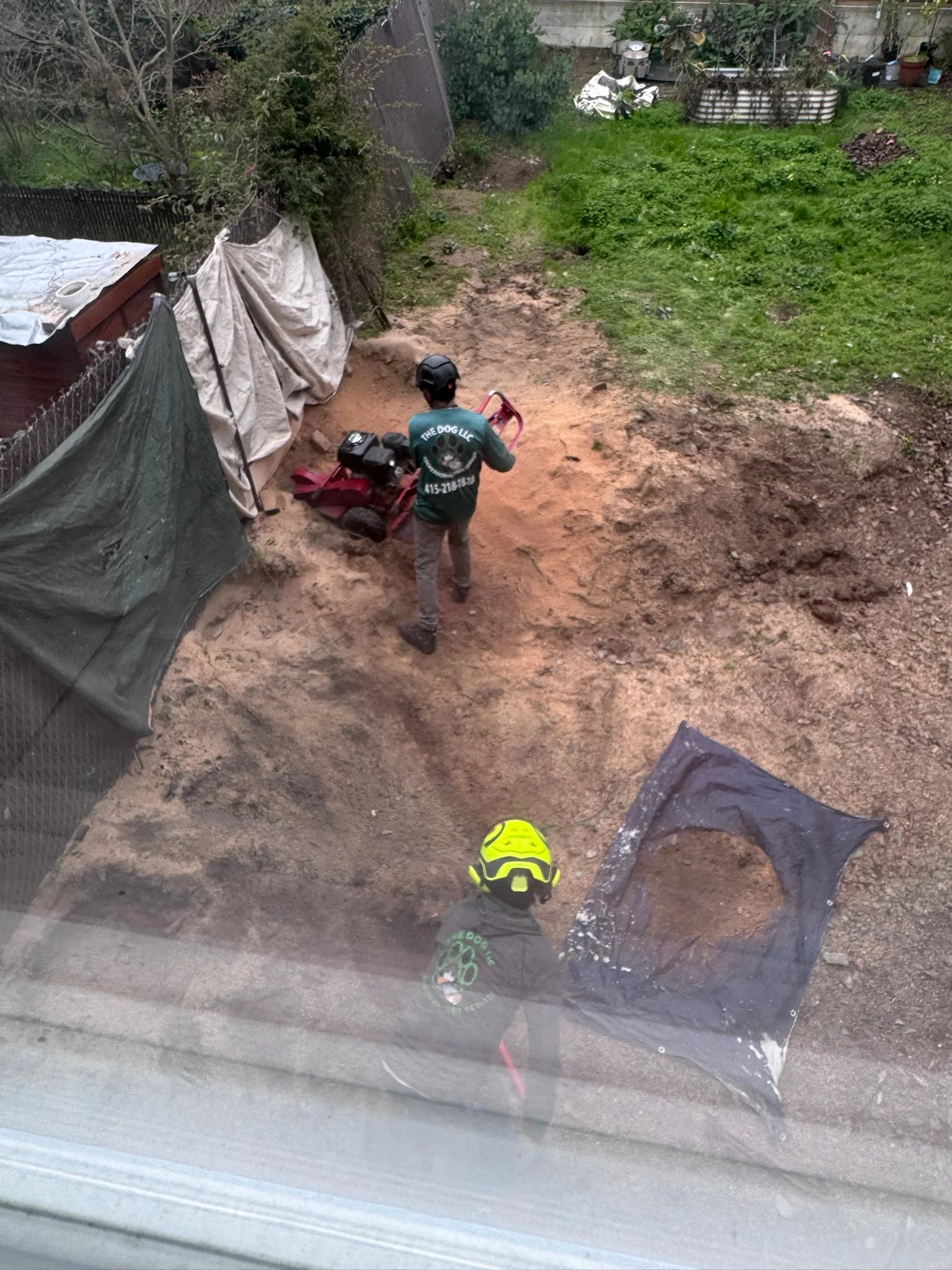
There were 3 eucalyptus trees that were taking up a lot of space, and dropping lots of branches. Did you know eucalyptus oil stops things from growing! There were no weeds under the tree. In Jan 2025 , we had the eucalyptus trees cut down and removed, and the stumps ground.
Planning and Project Overview
Getting back to planning
In early 2025 , we started planning the backyard renovation. We started getting some samples for tiles and bricks, and looking at bulk materials for the hardscaping.
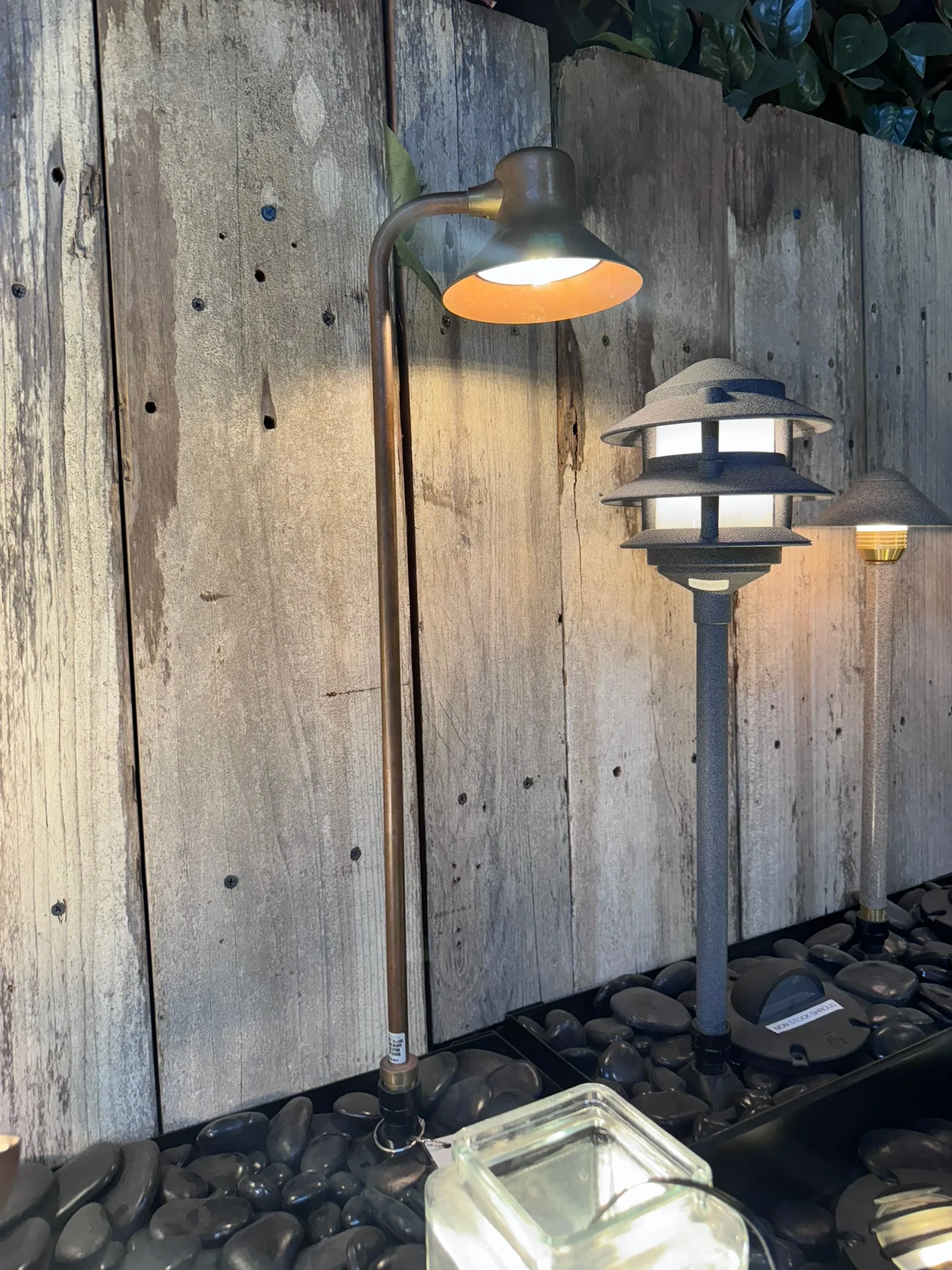
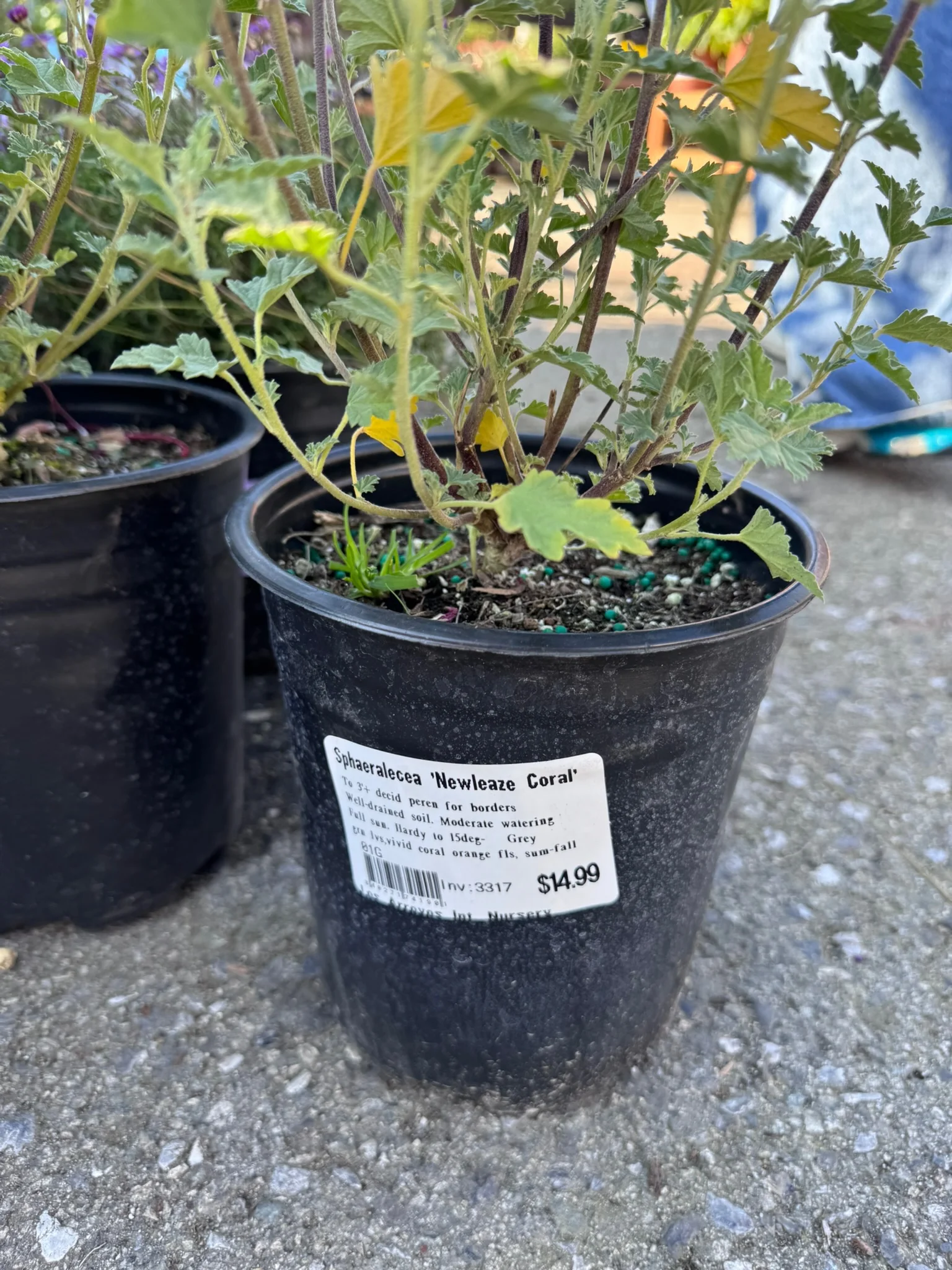
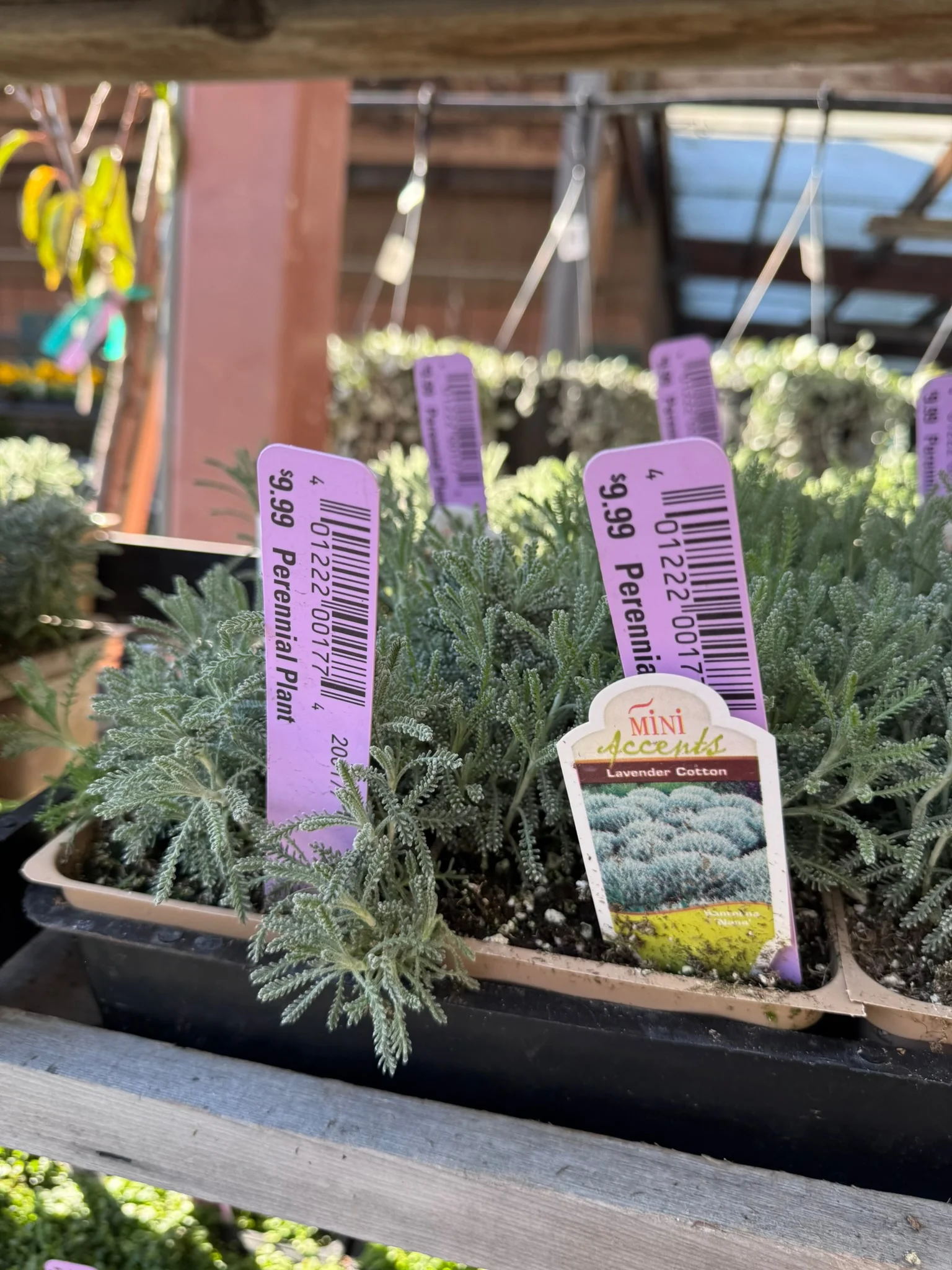
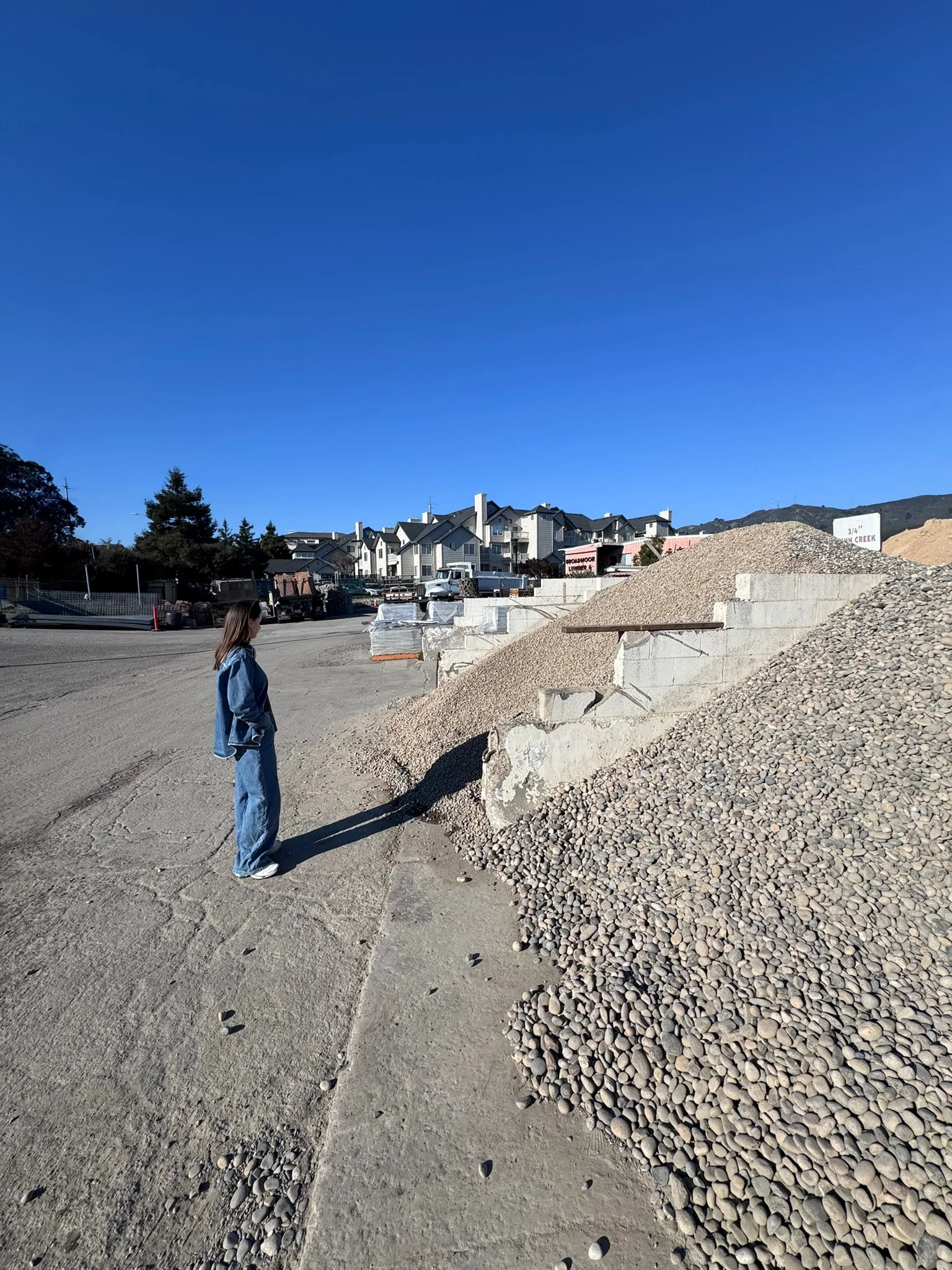
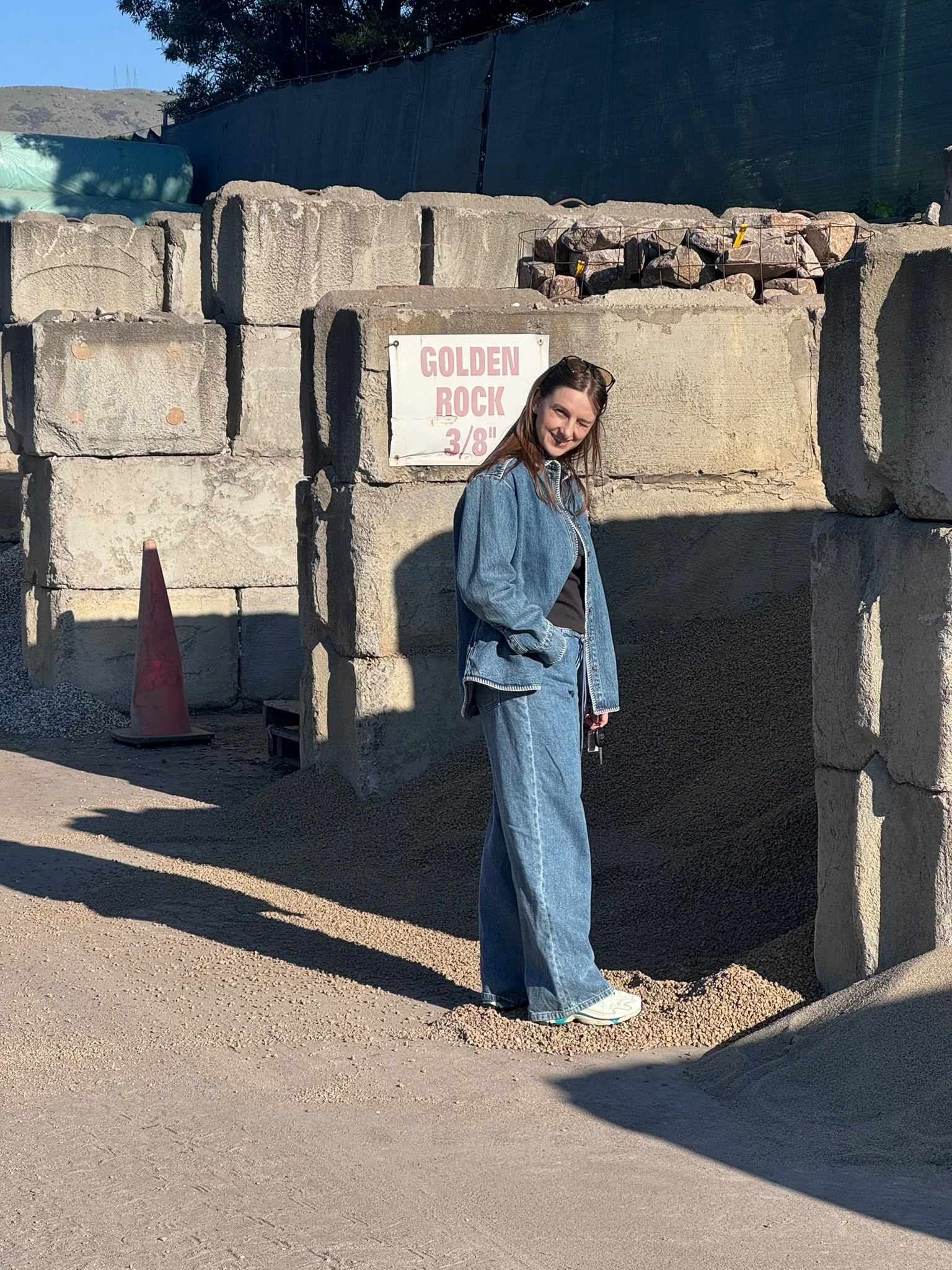
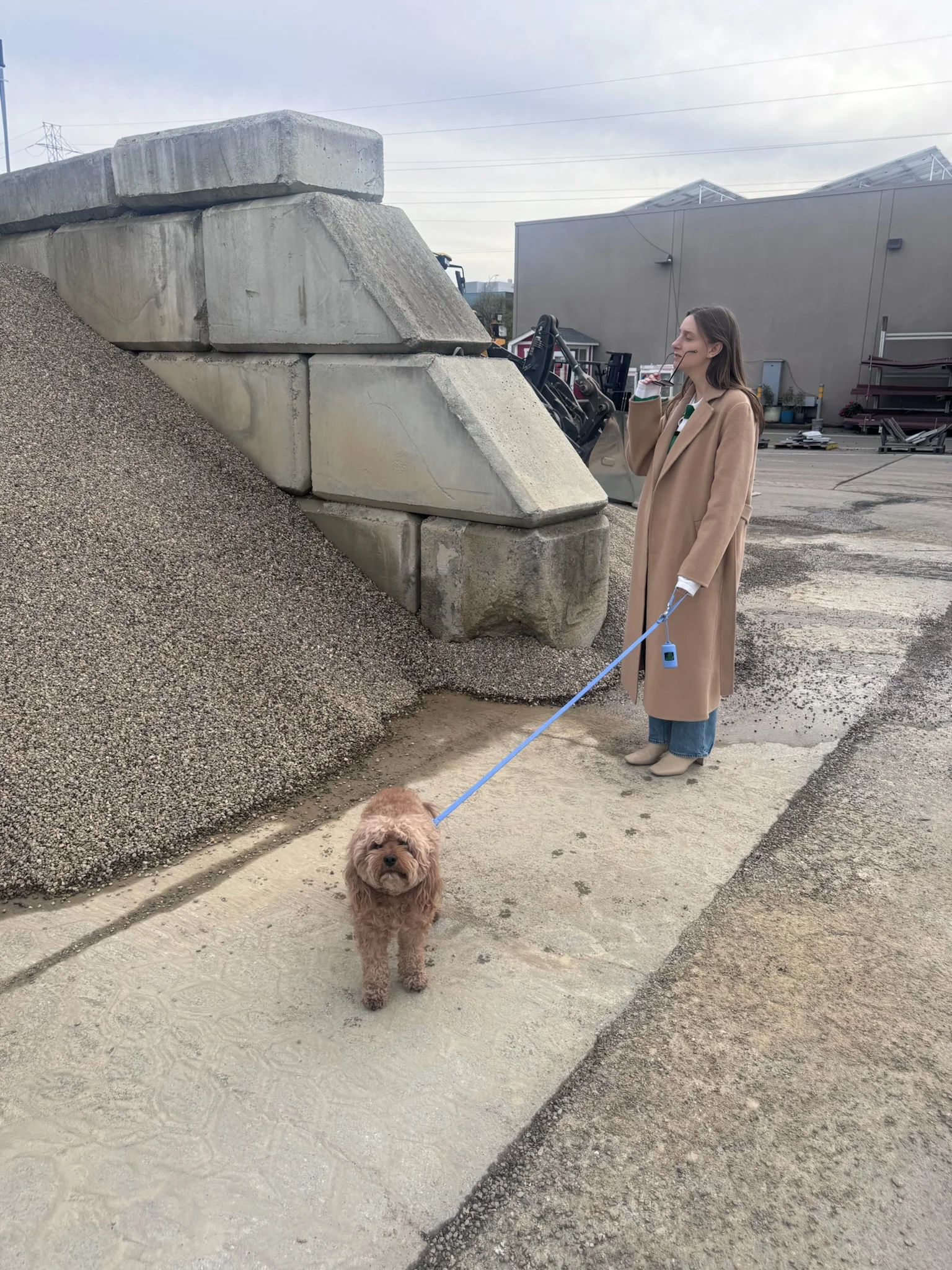
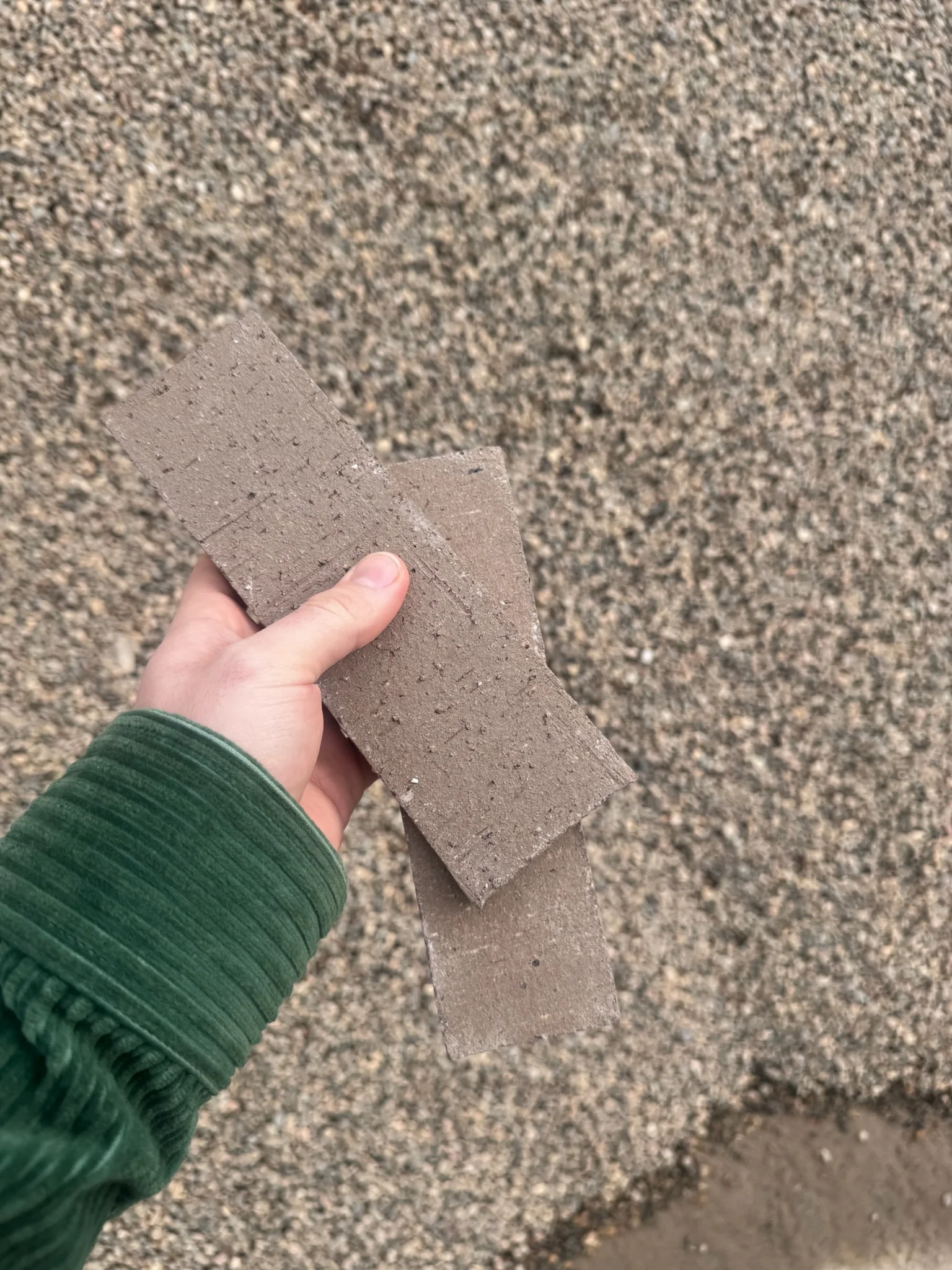
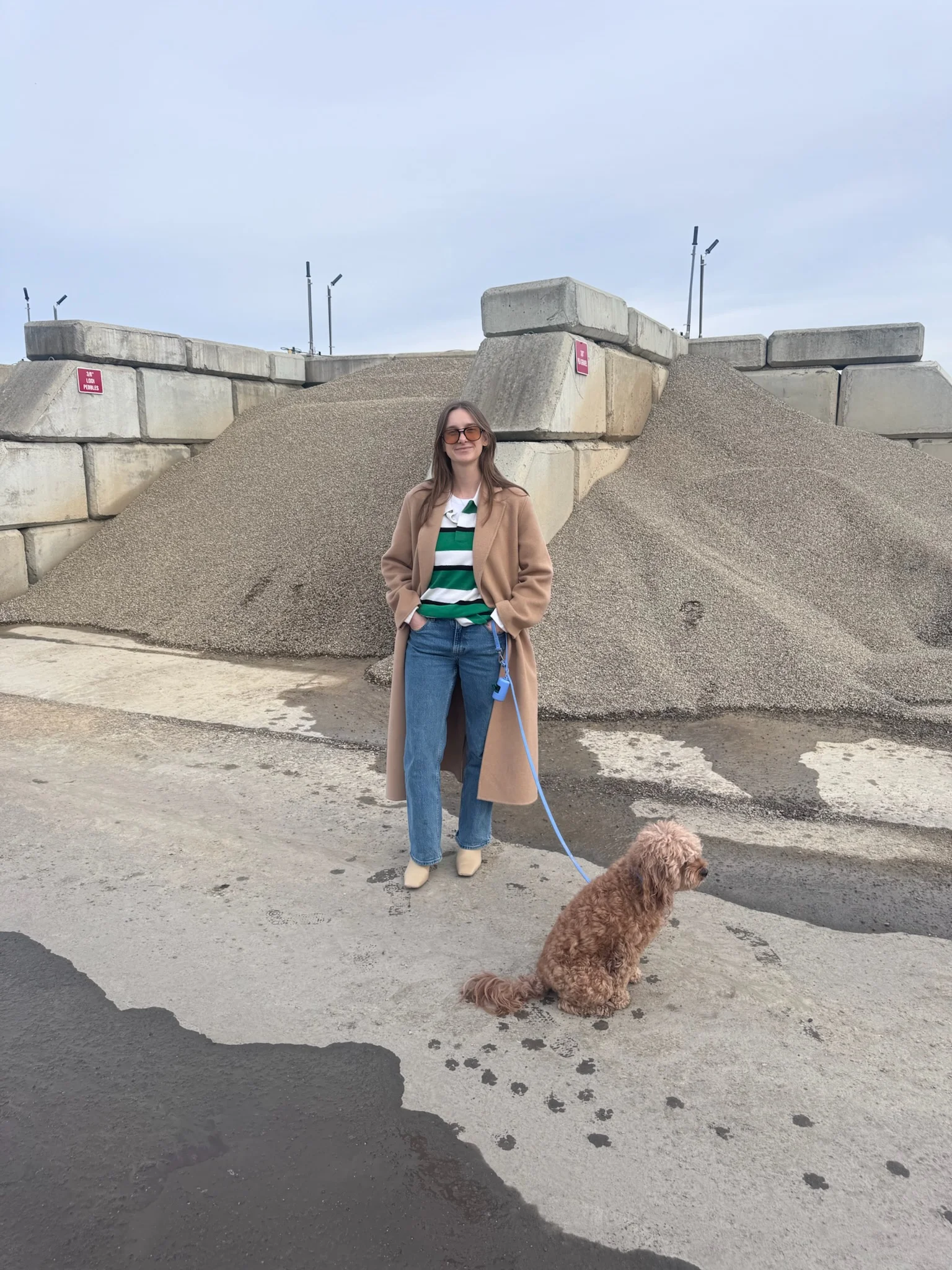
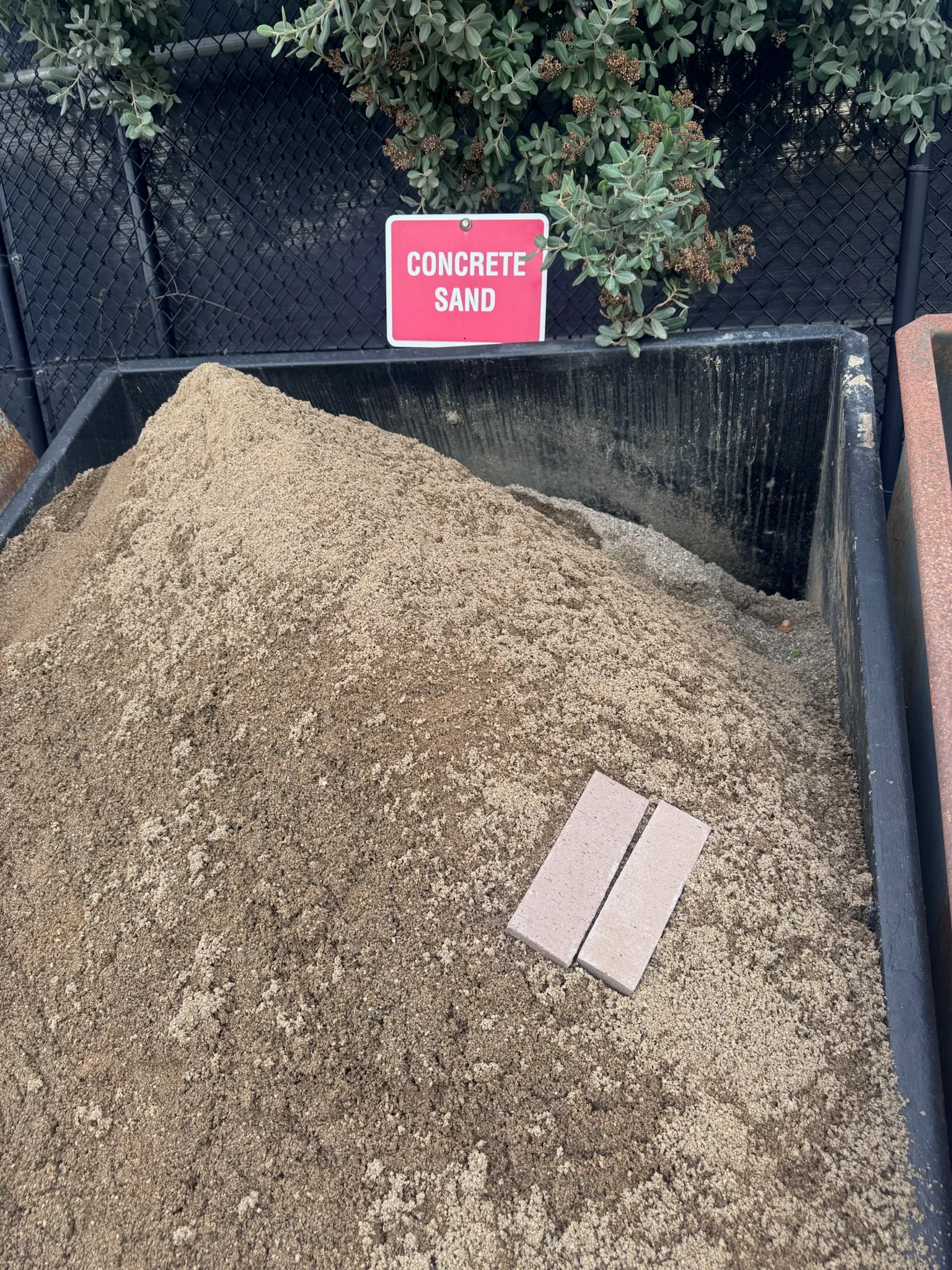
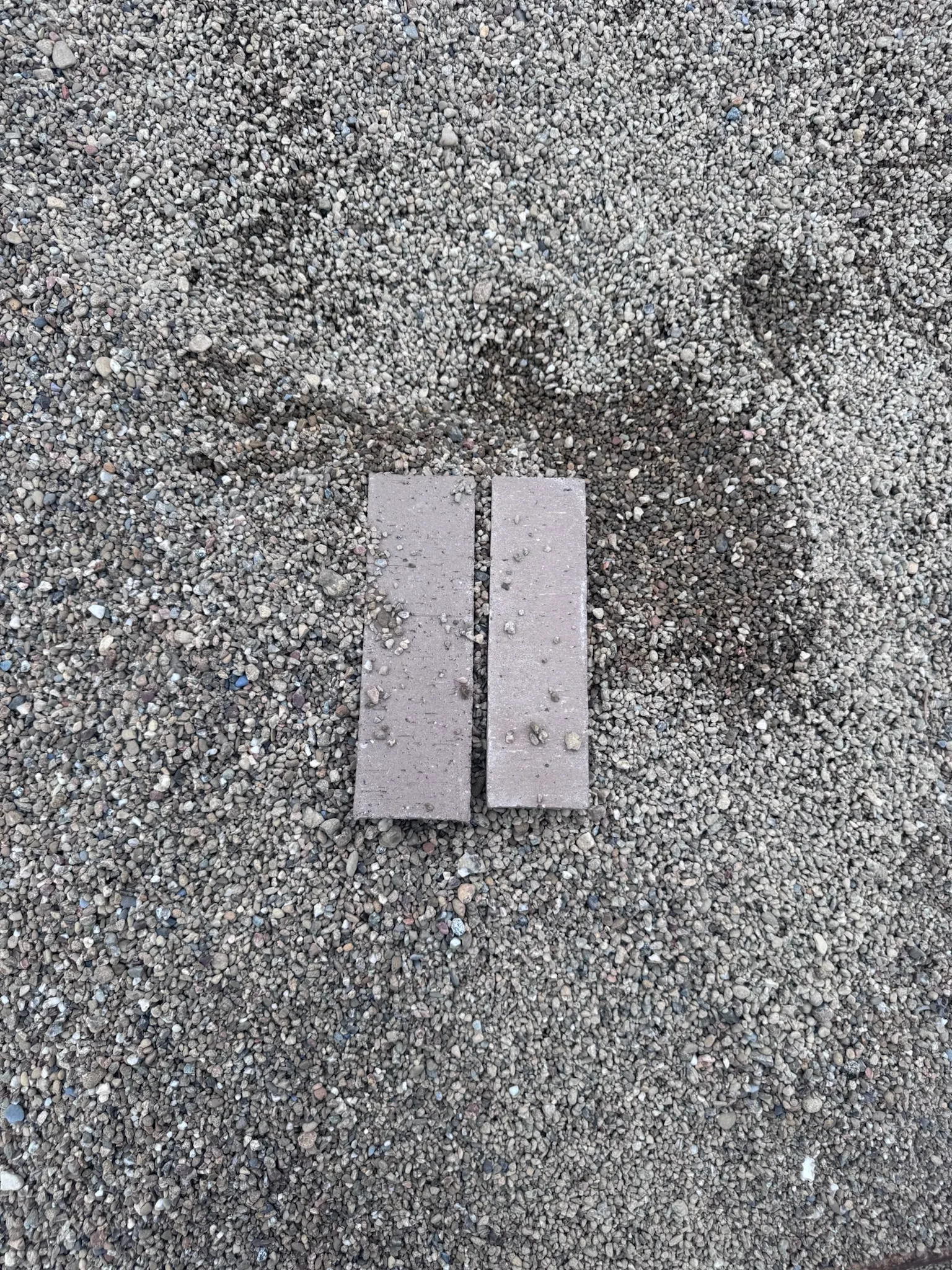
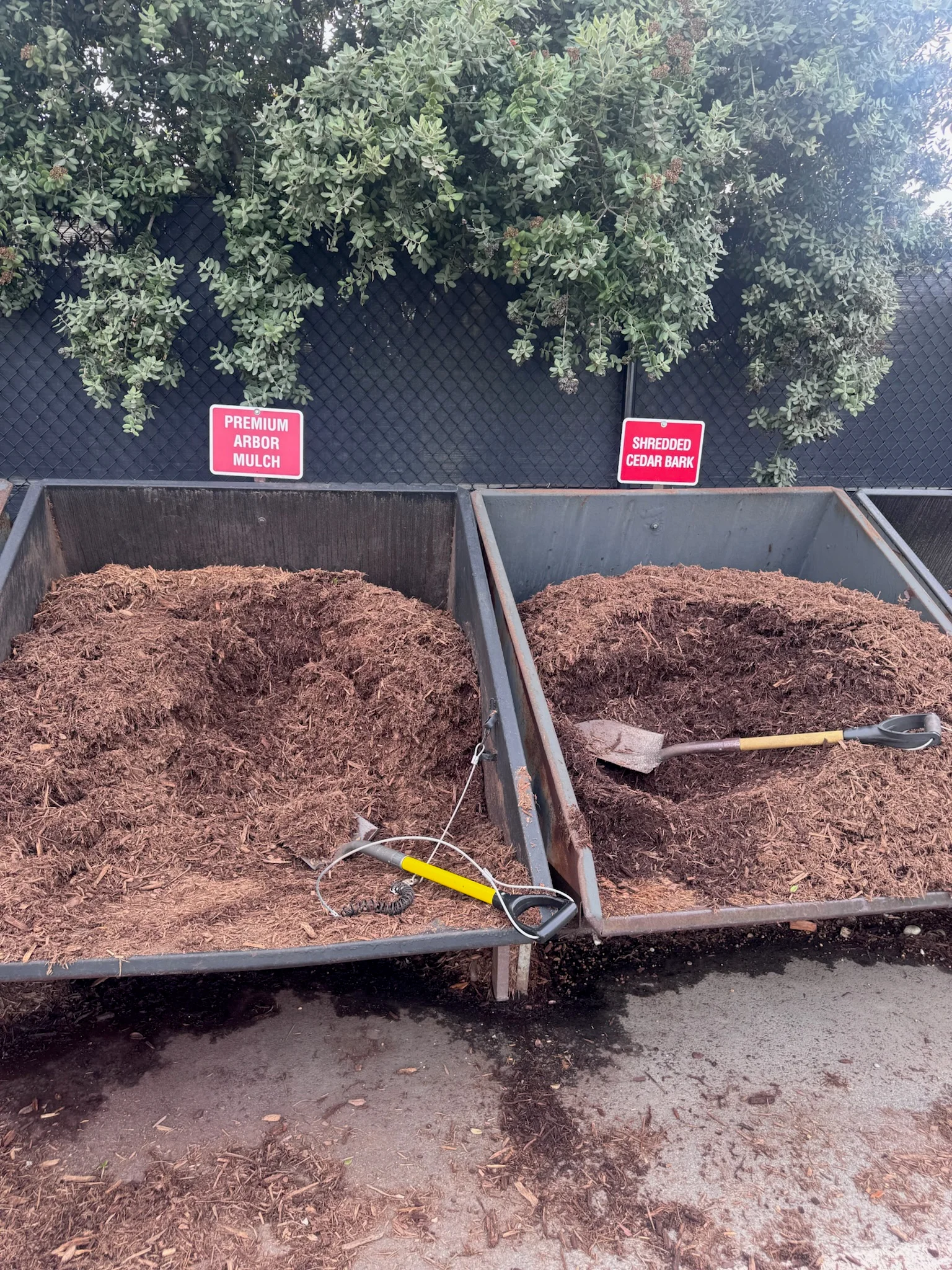
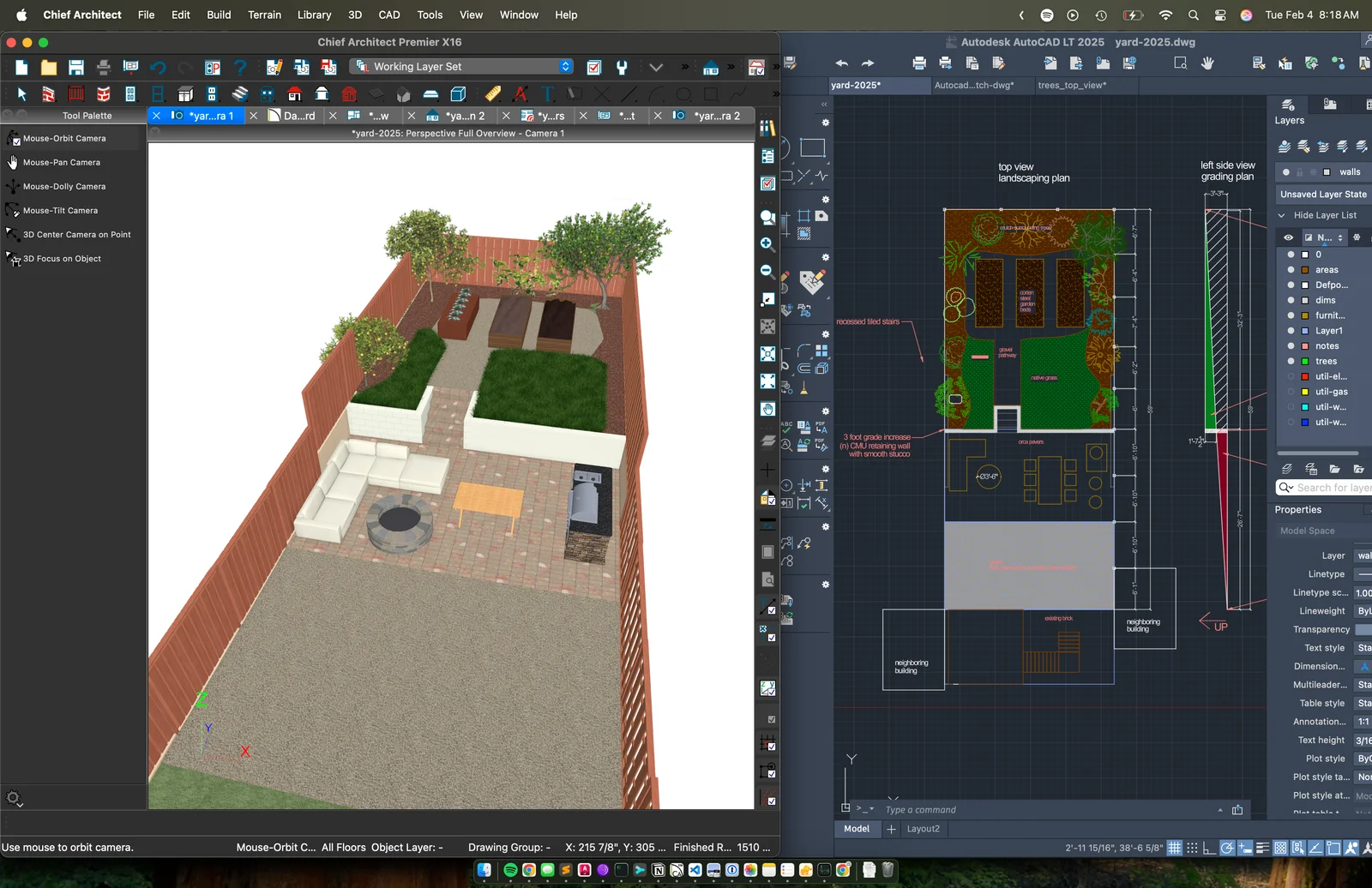
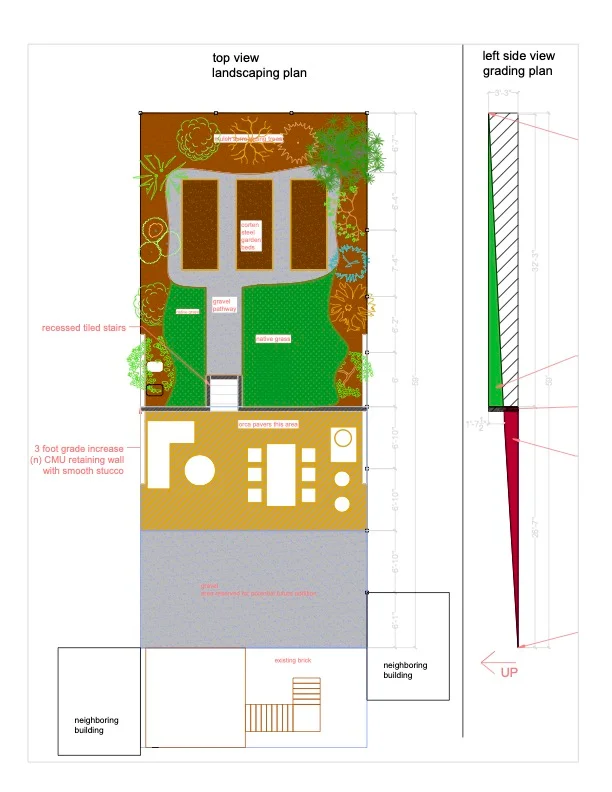
I started working on some preliminary drawings finally. One big decision we made was to terrace the yard, since there was a 3 foot gradual rise from the front to the back.
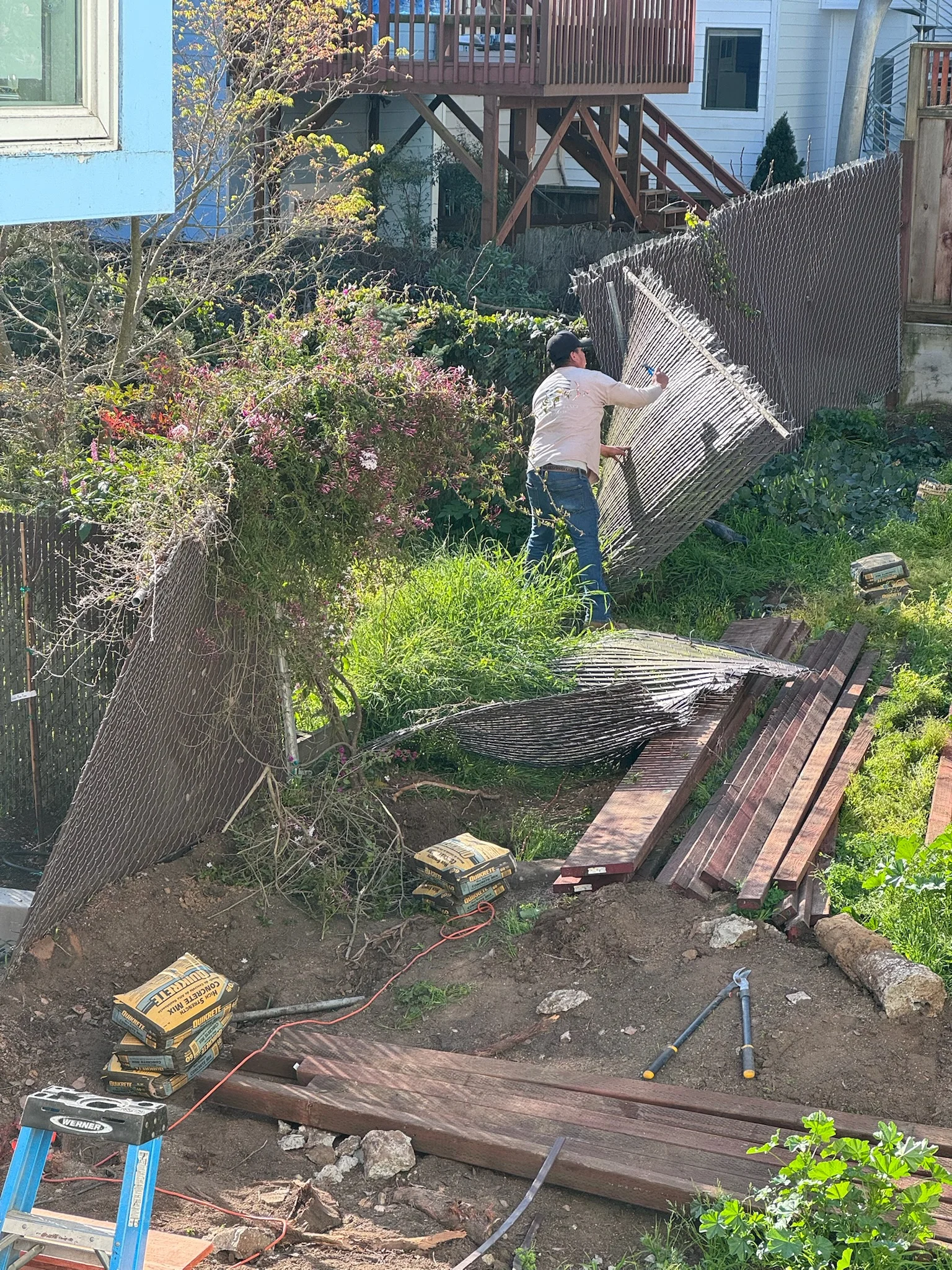
One of the last big demo tasks left was to remove the old chain link fencing. The price was good and they did it in a day, so I didn’t take this on myself.
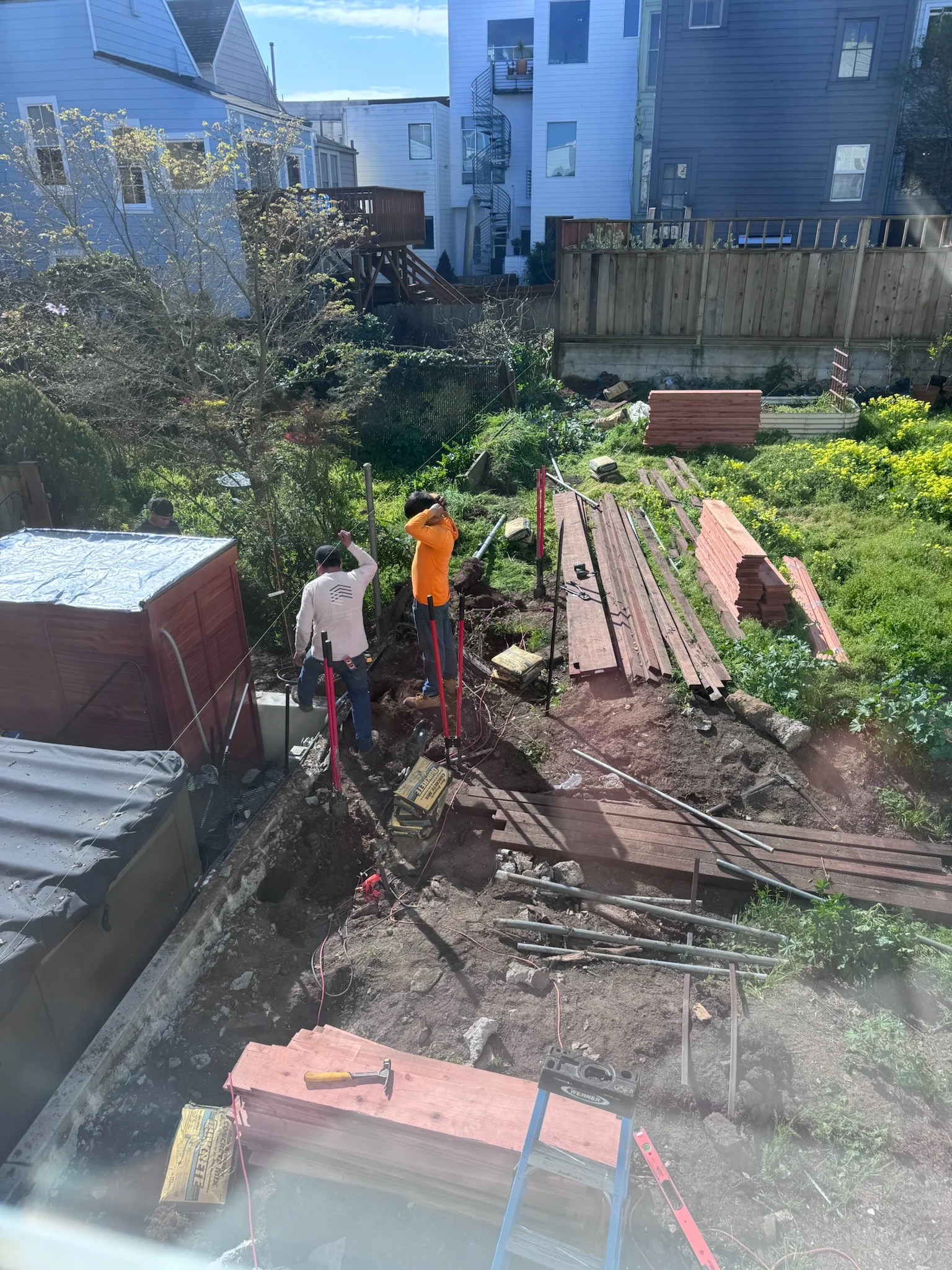
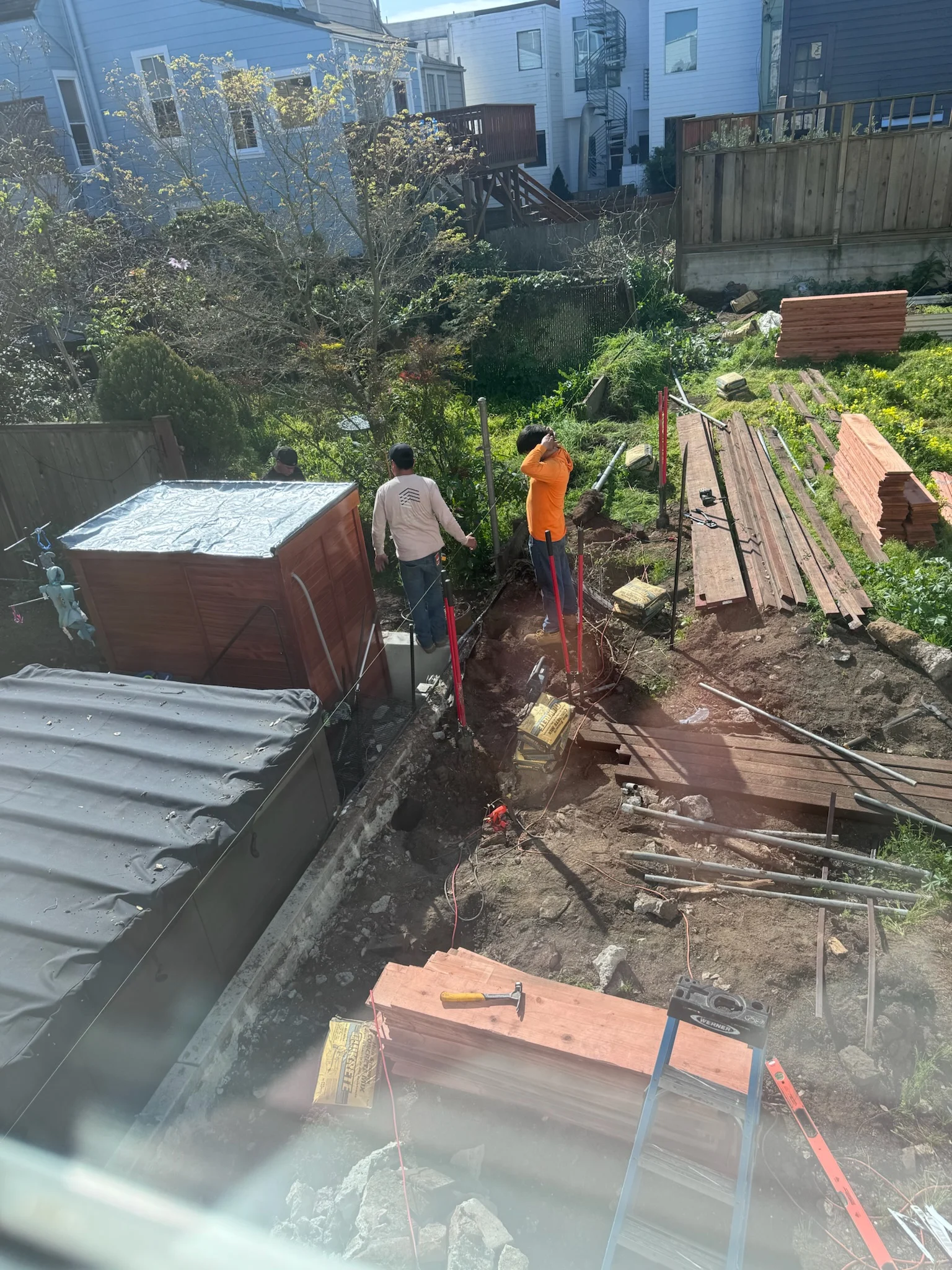
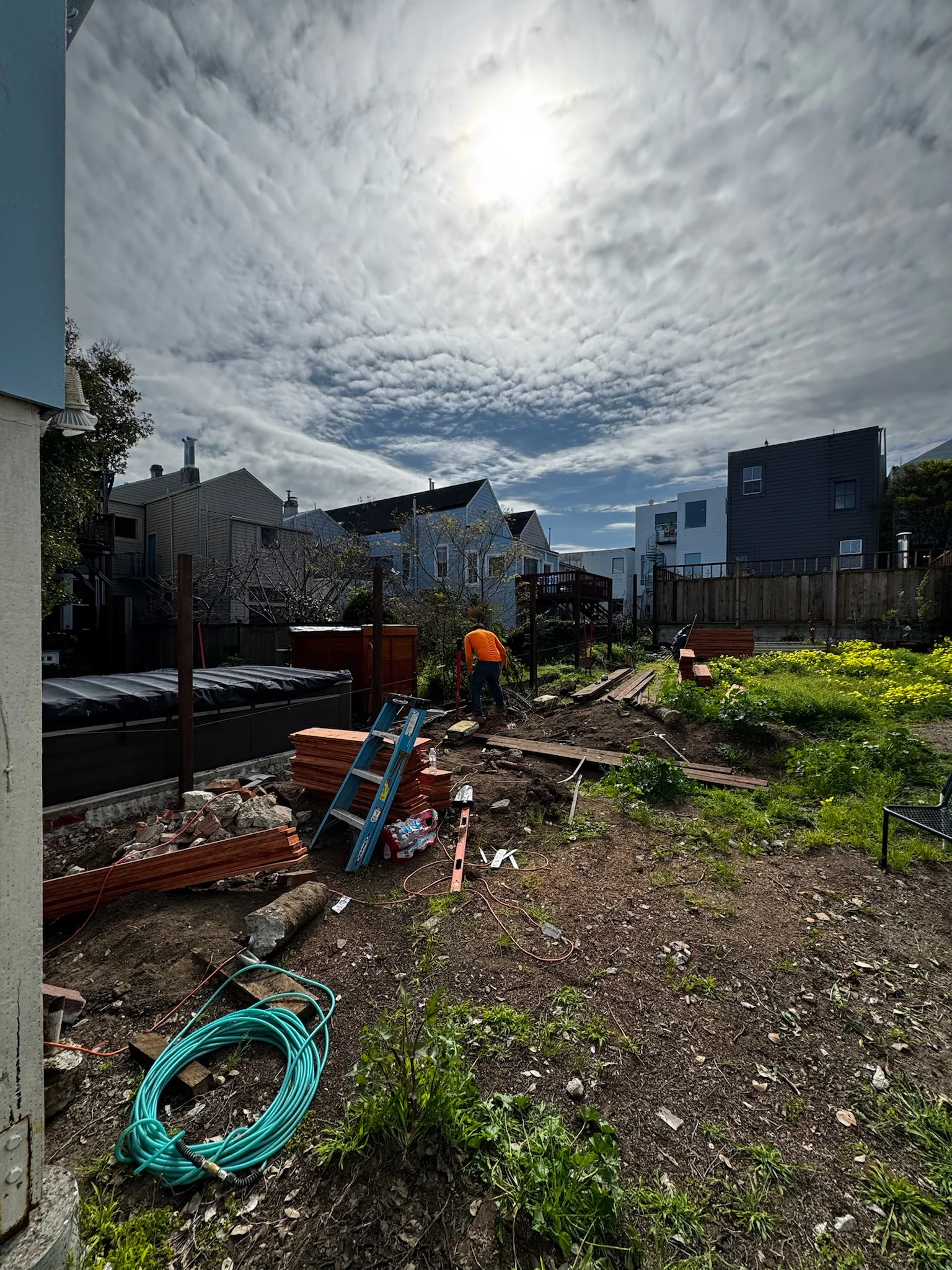
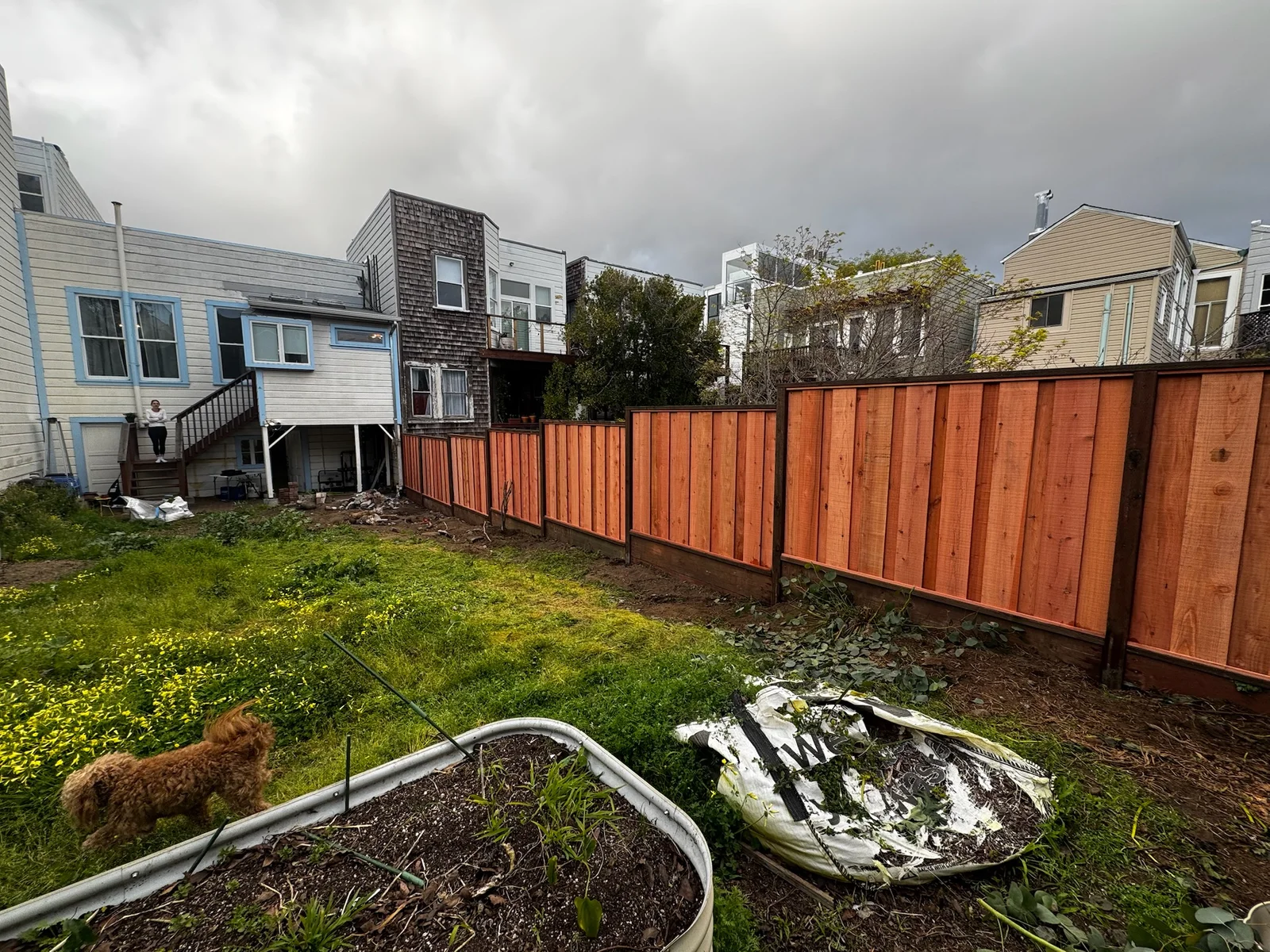
construction
Grading
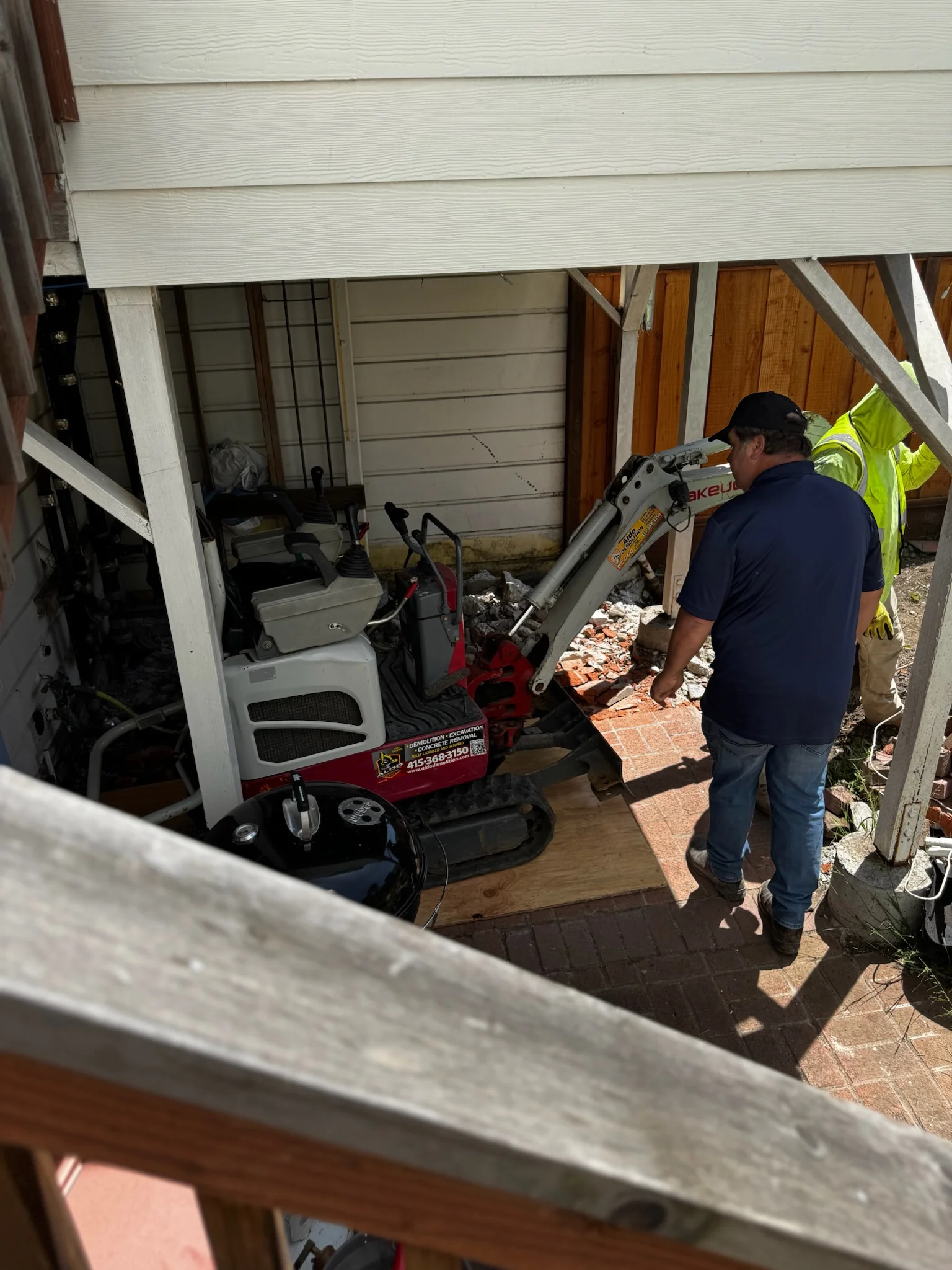
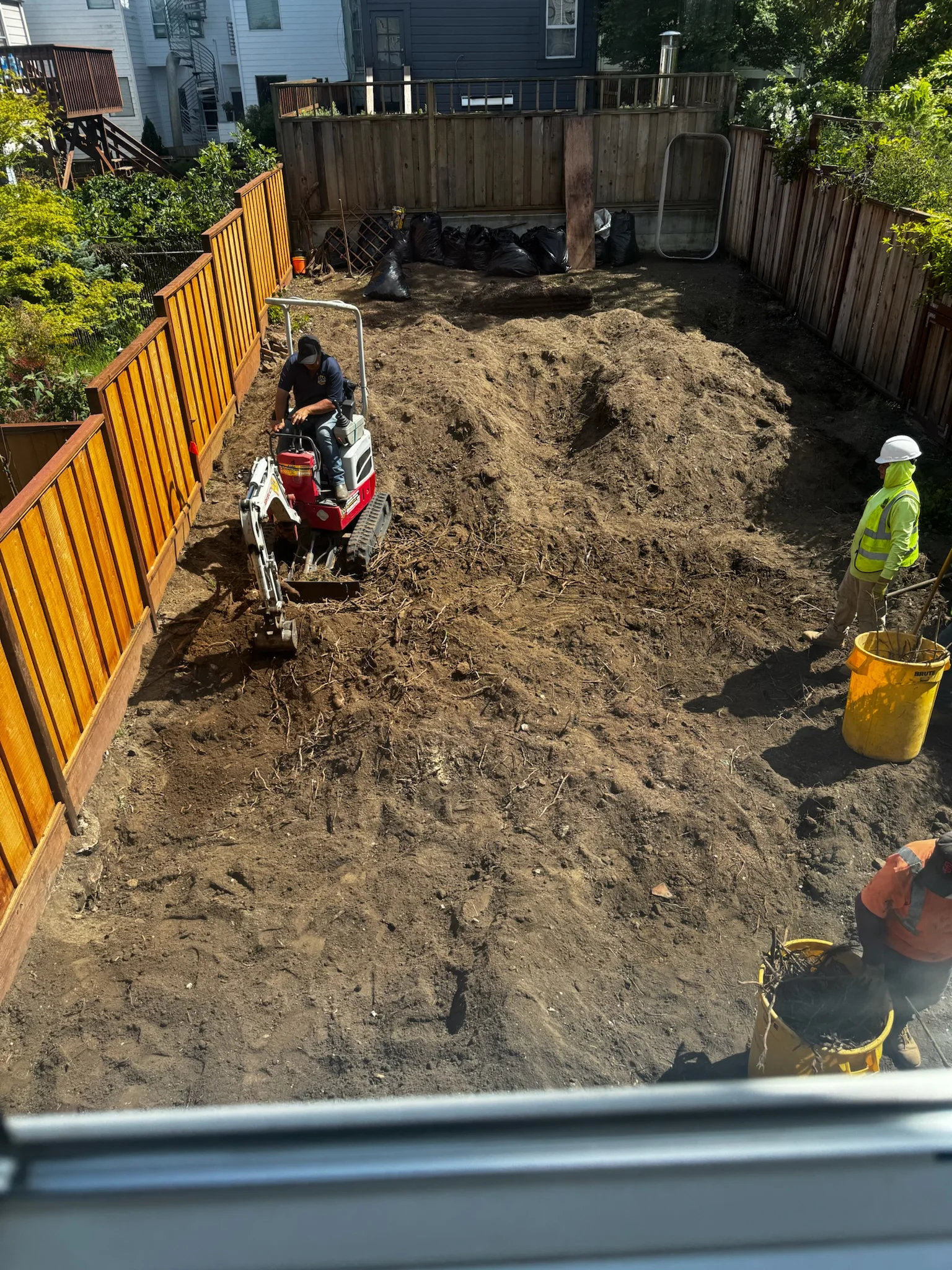
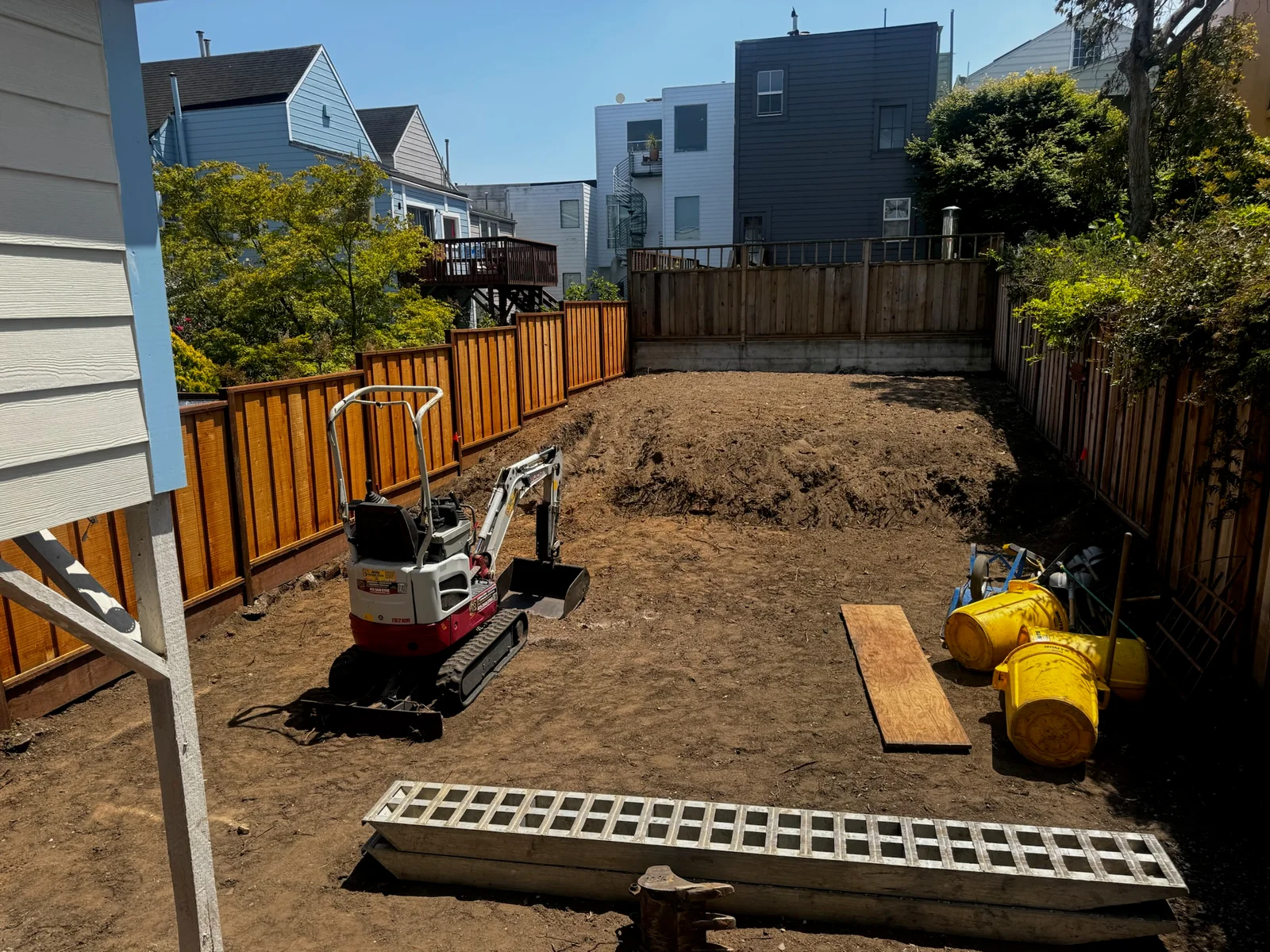
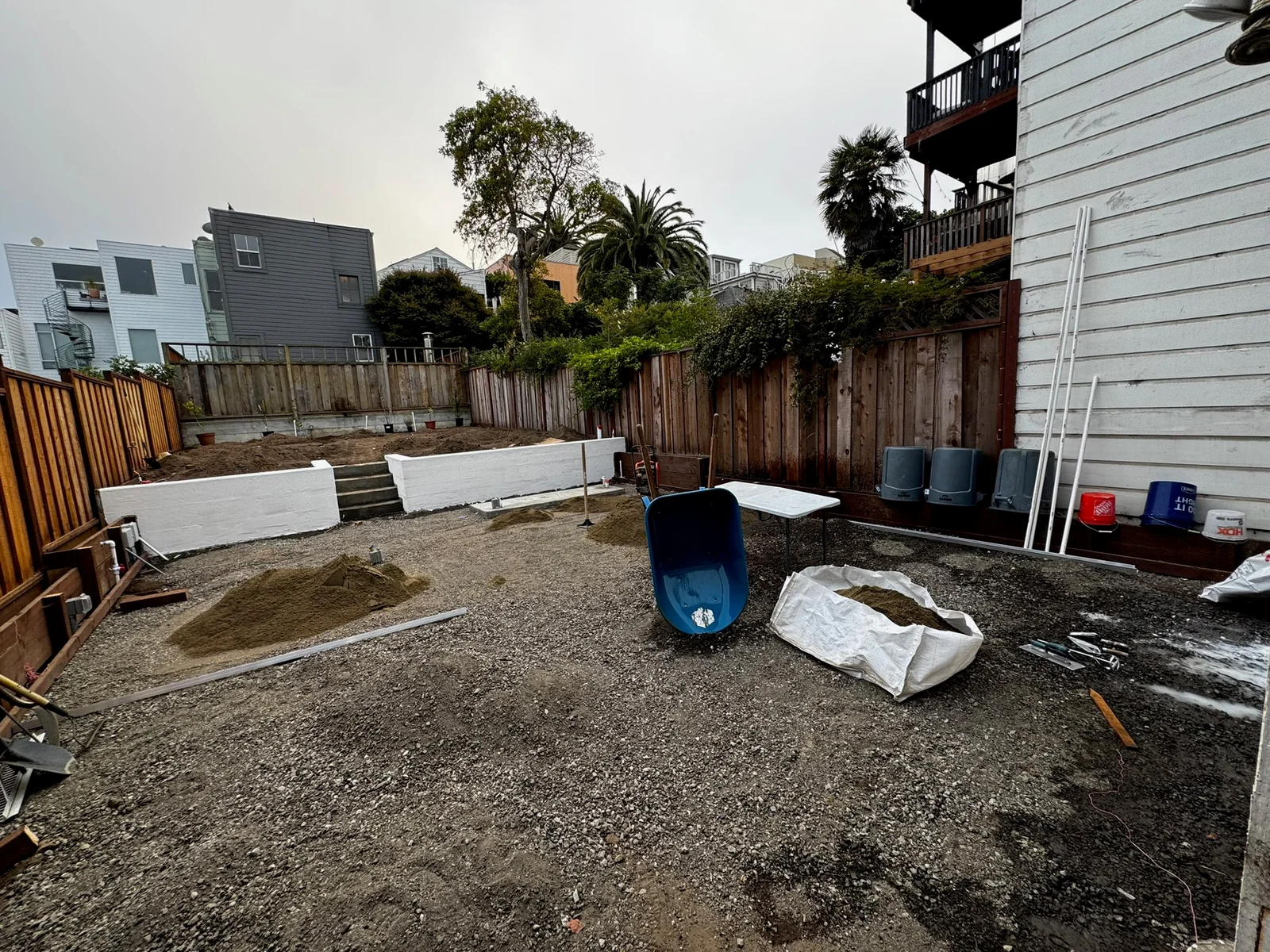
In May 2025 , The real work started. I got someone to come drive a mini excavator through the garage, and regrade the yard.
Mini retaining Wall
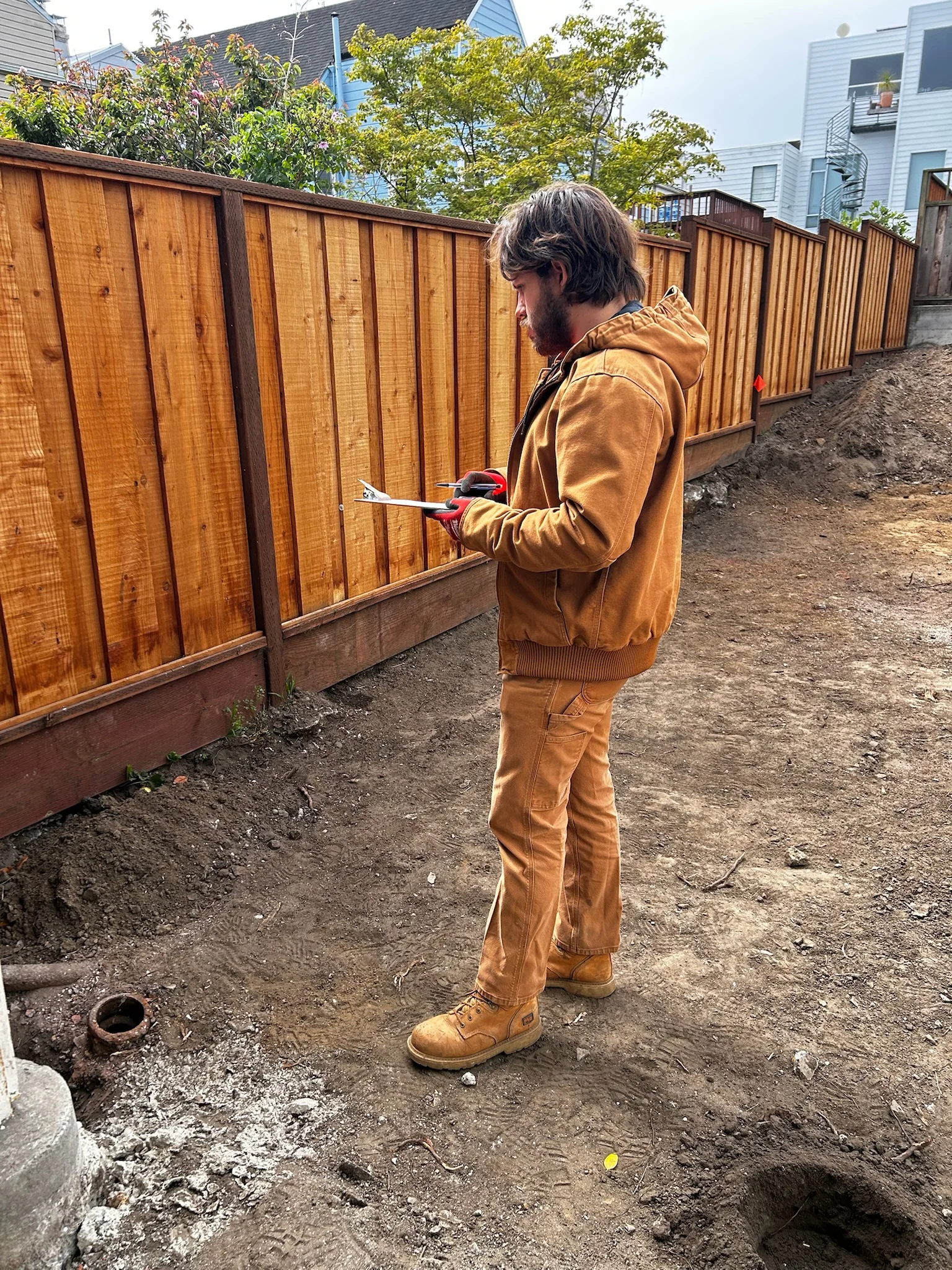
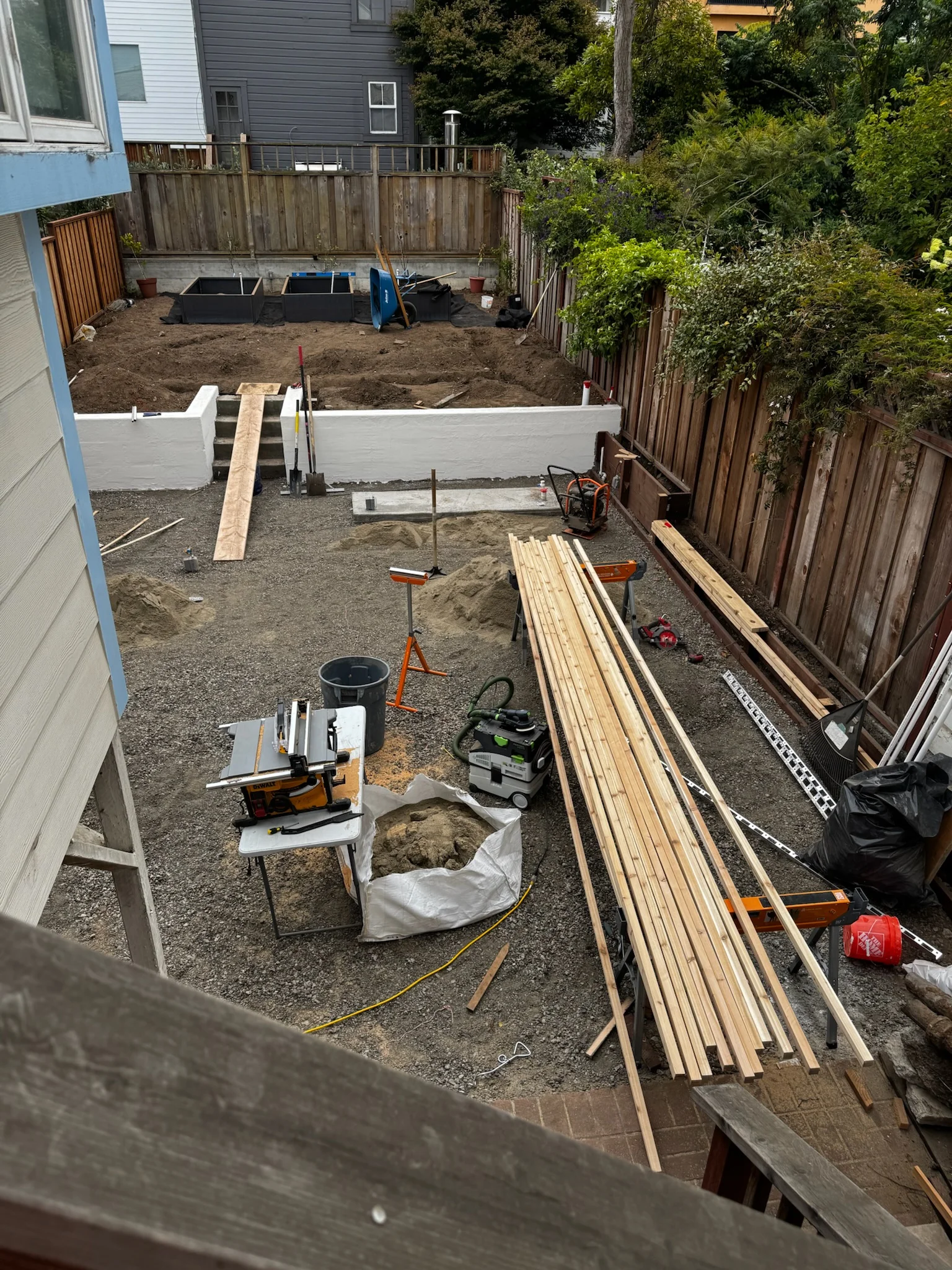
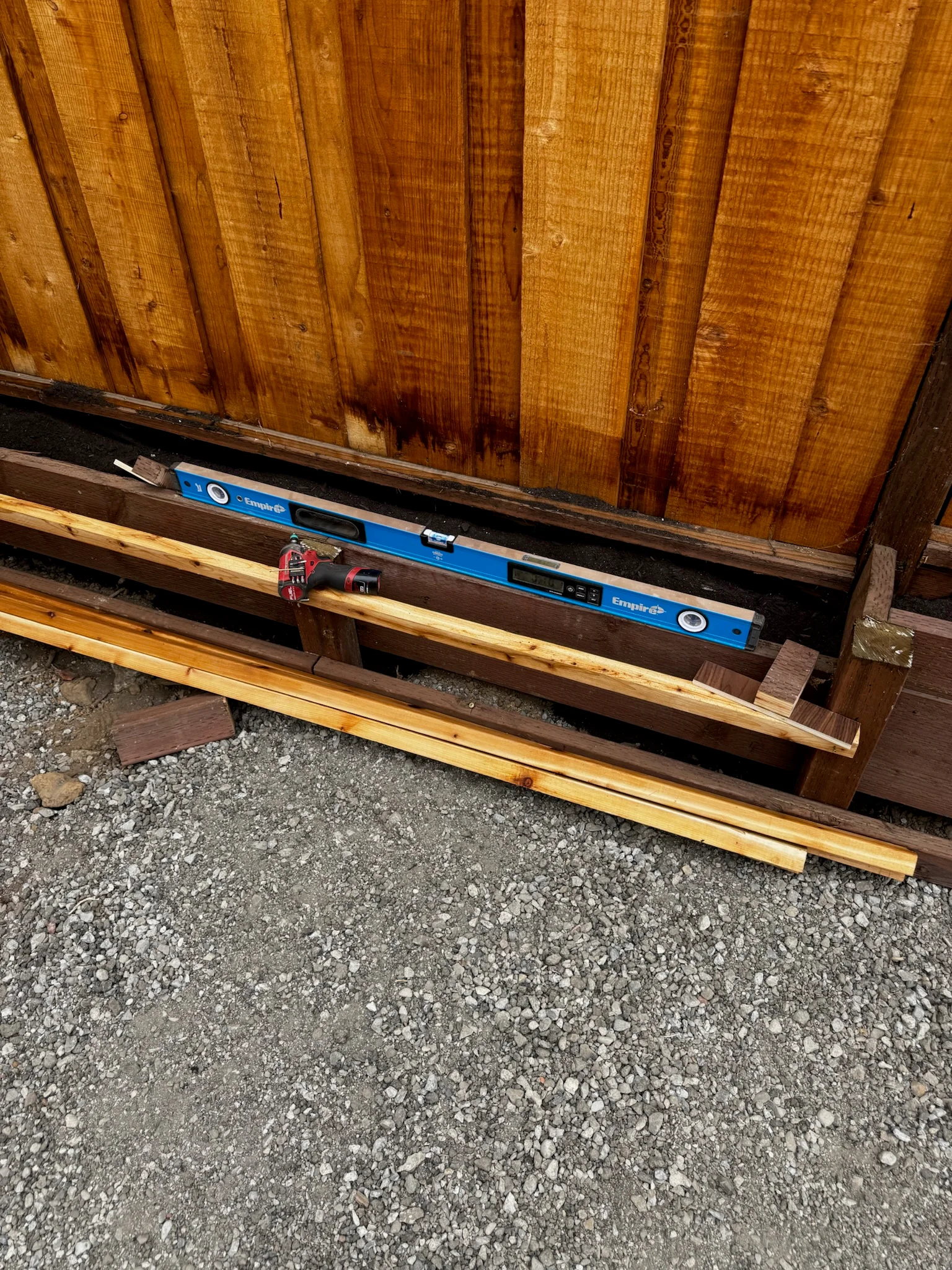
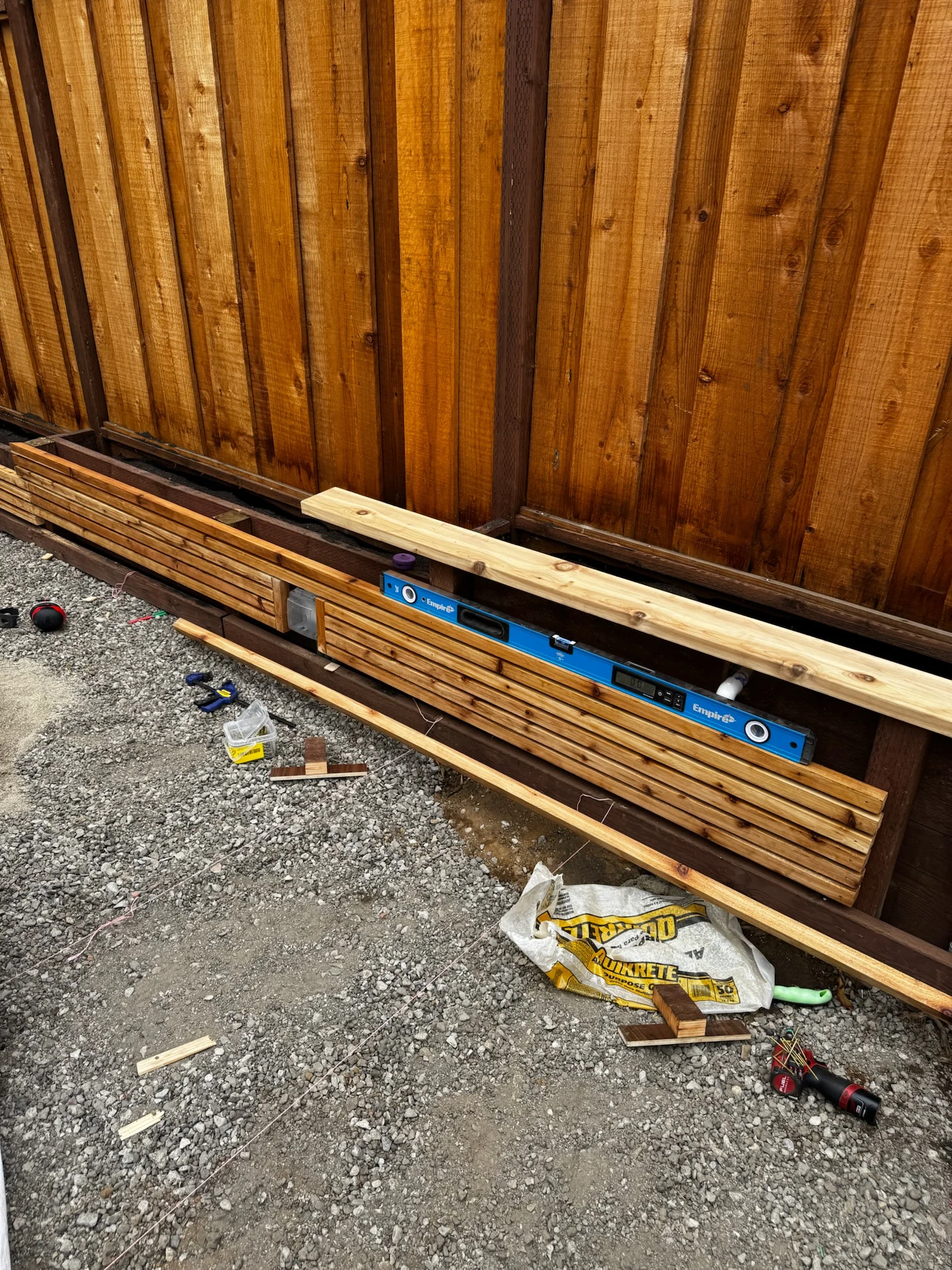
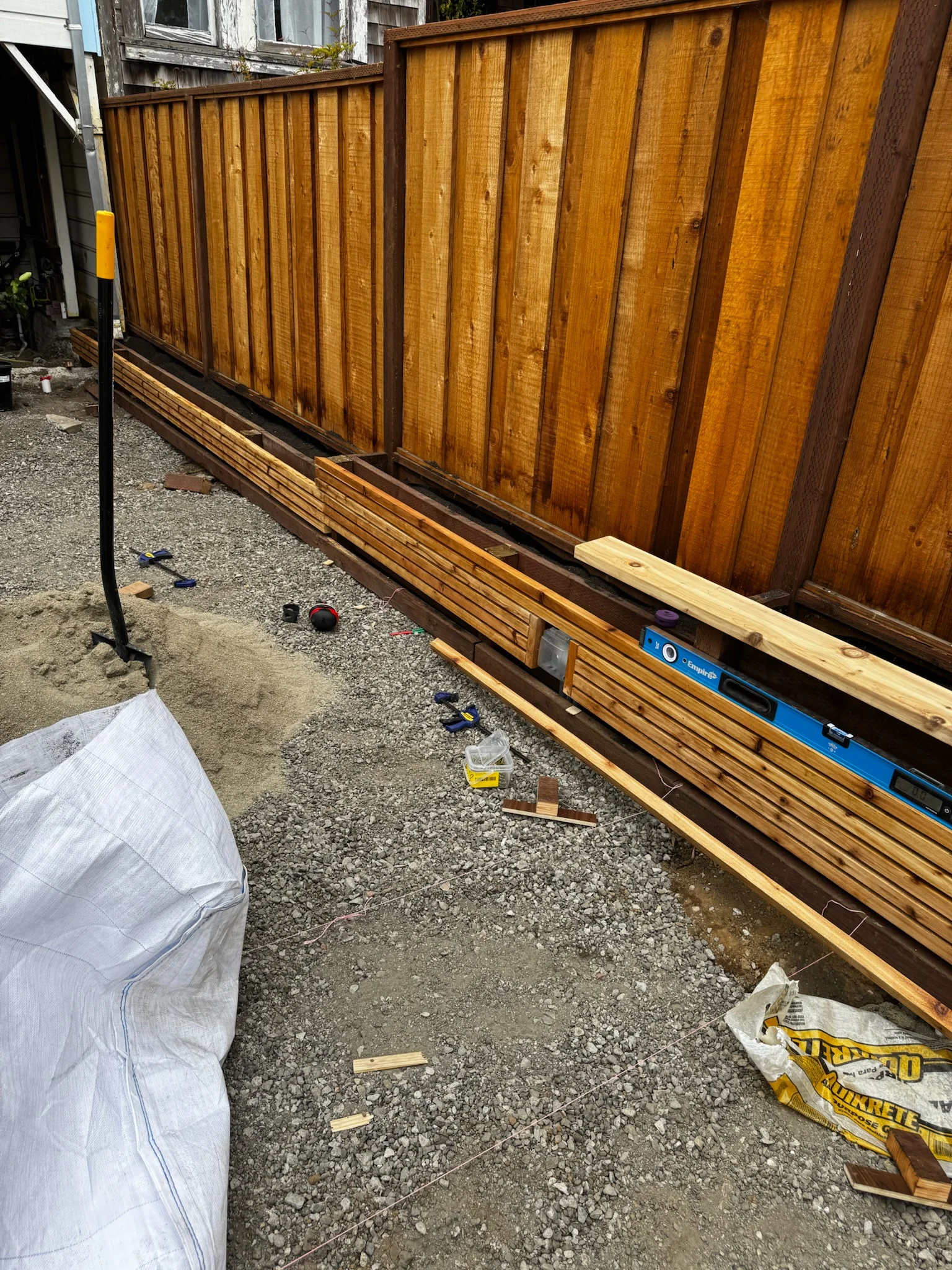
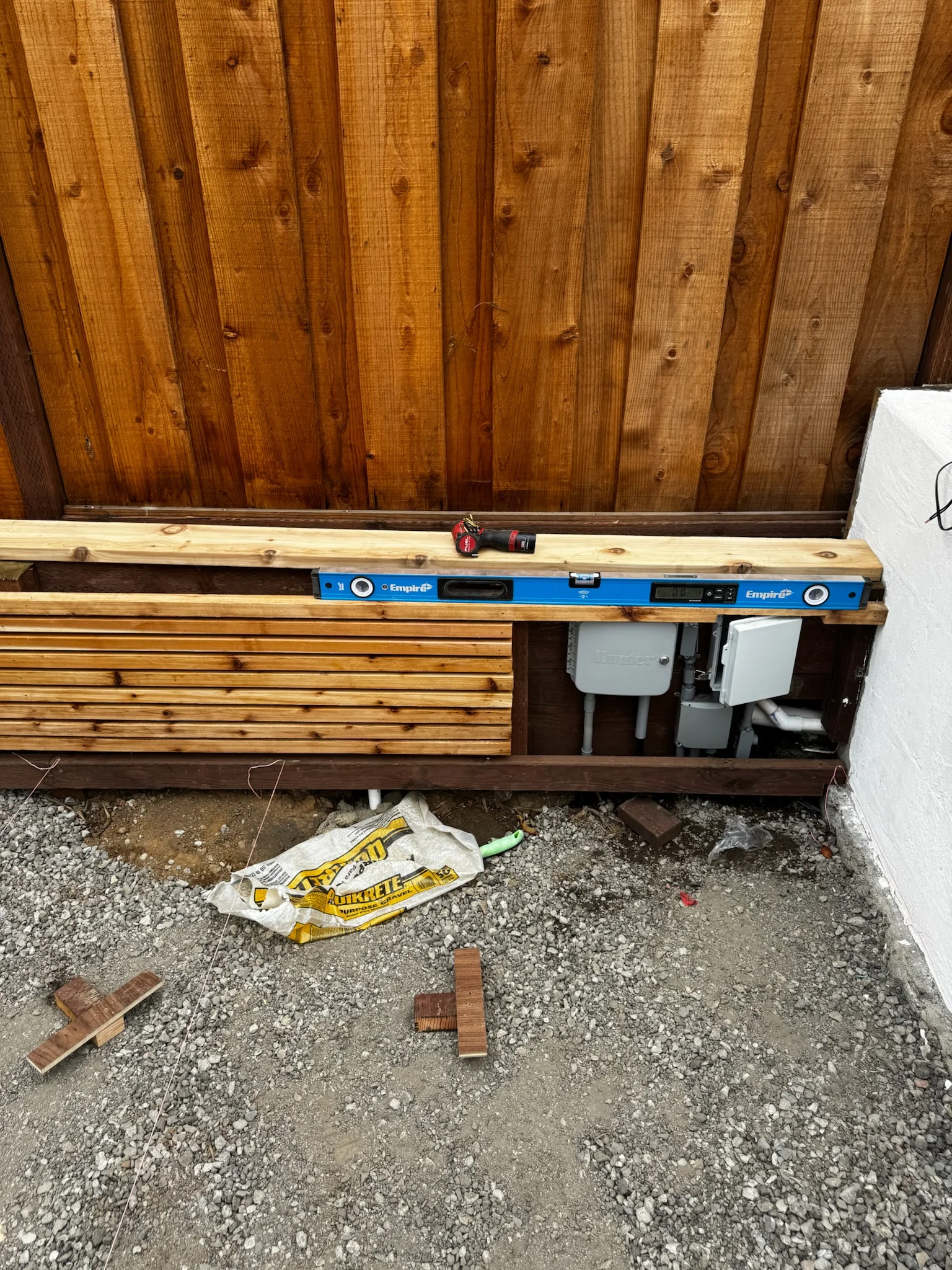
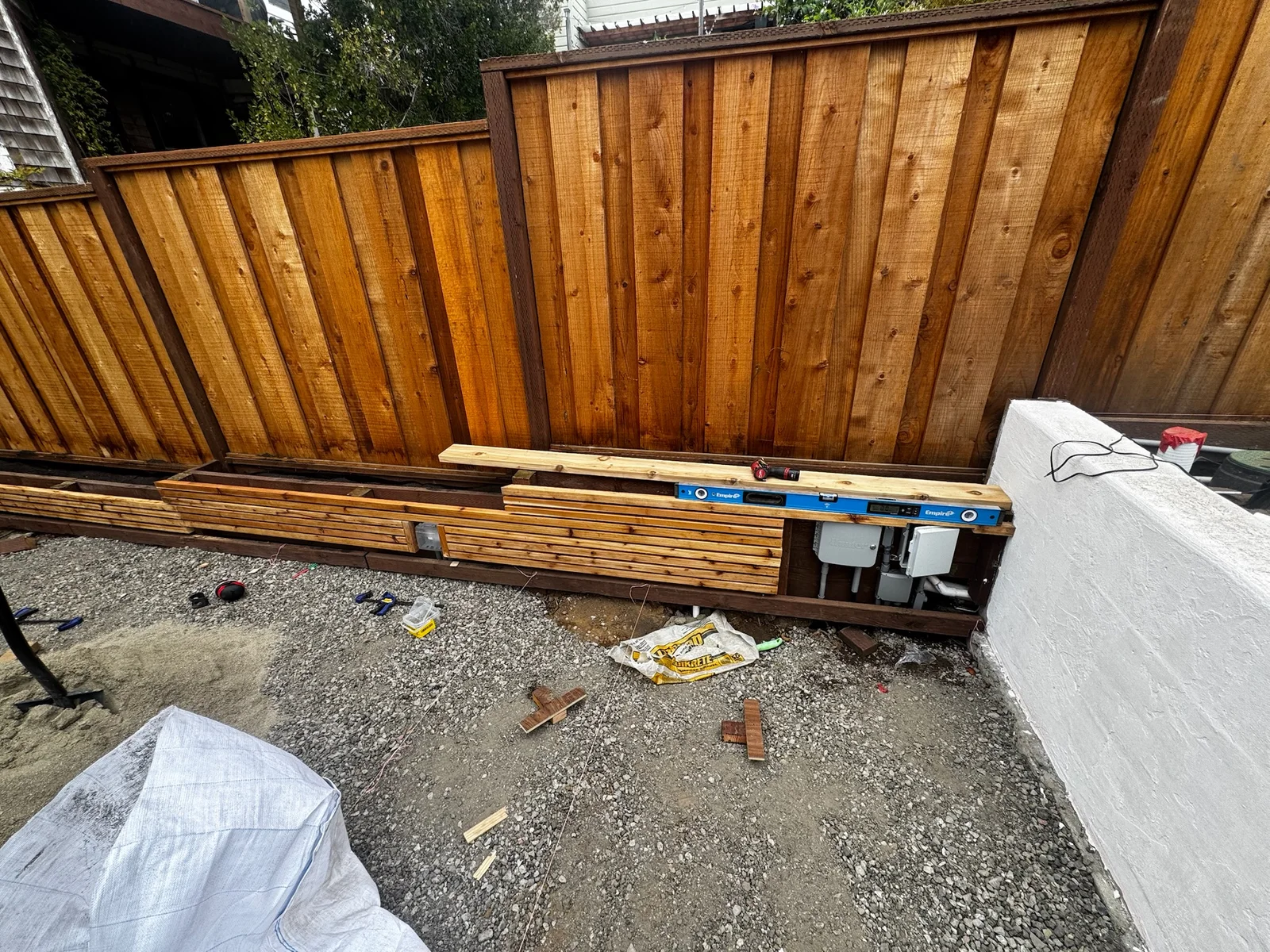
To handle the grade differences between our neighbors elegantly (since our street is on a slight hill) we built skinny planter boxes alongside the bottom of the fence on either side. I dug 10” holes and put in 4x4 posts with concrete. These will eventually be covered in wood slats.
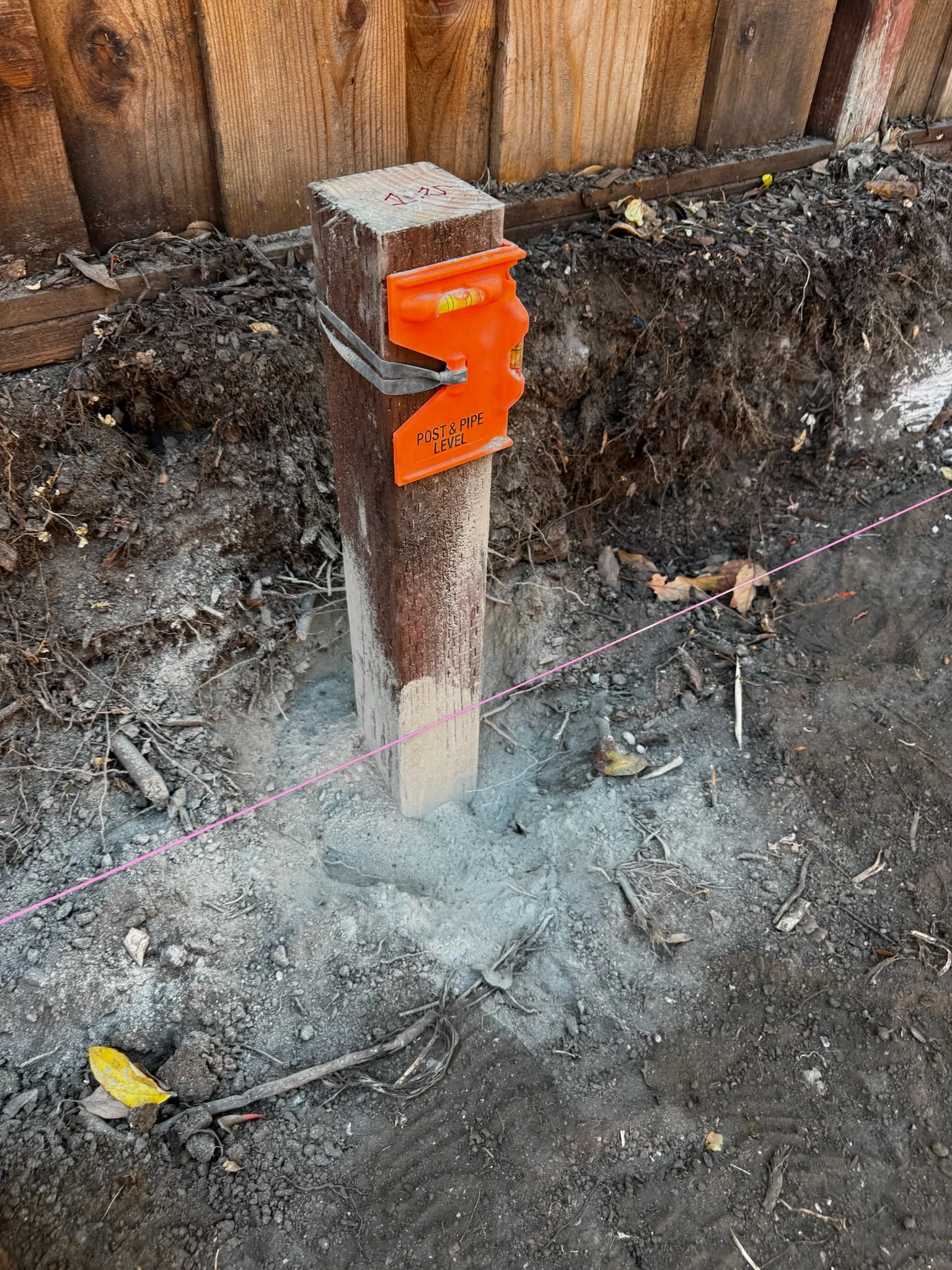
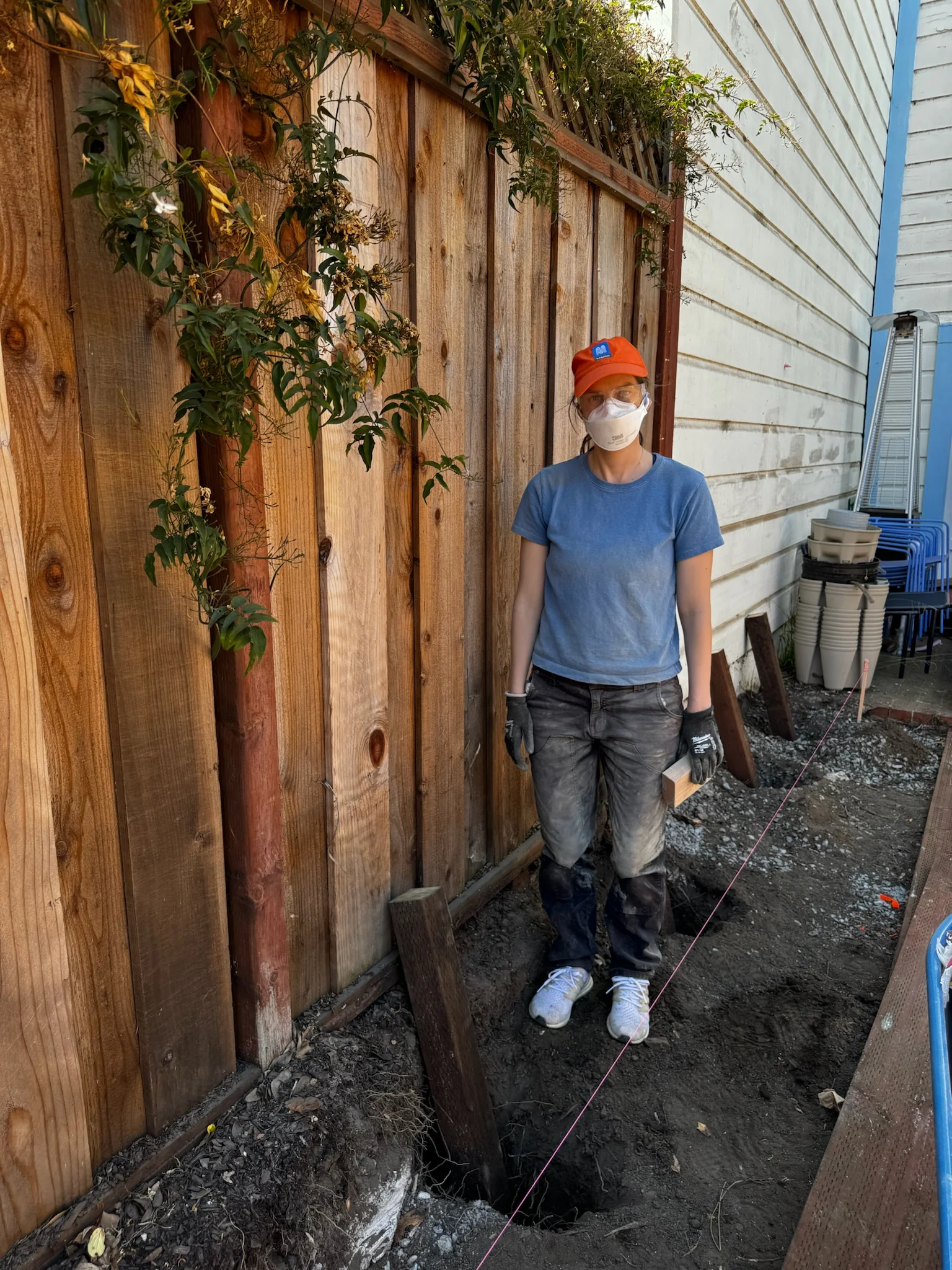
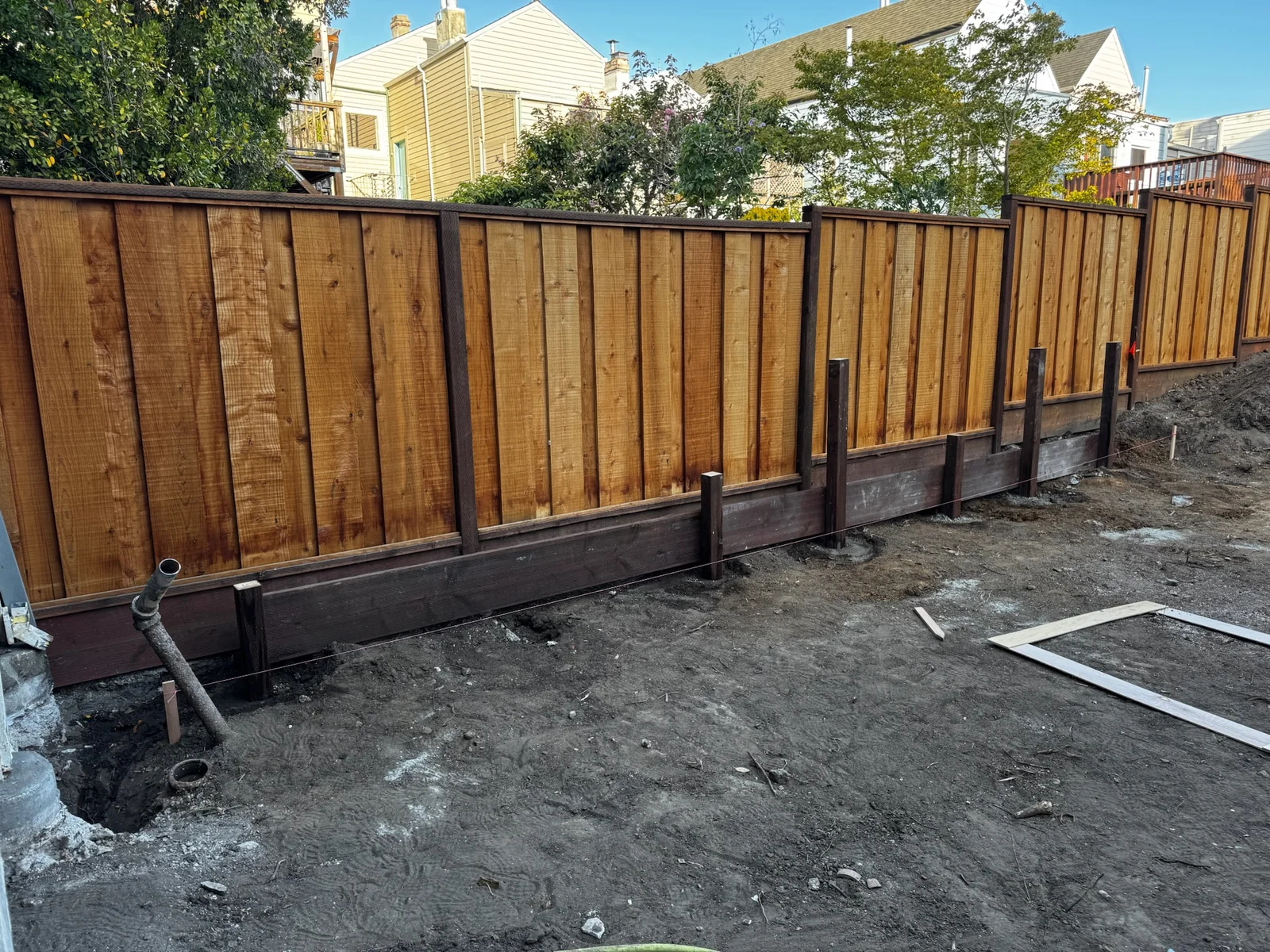
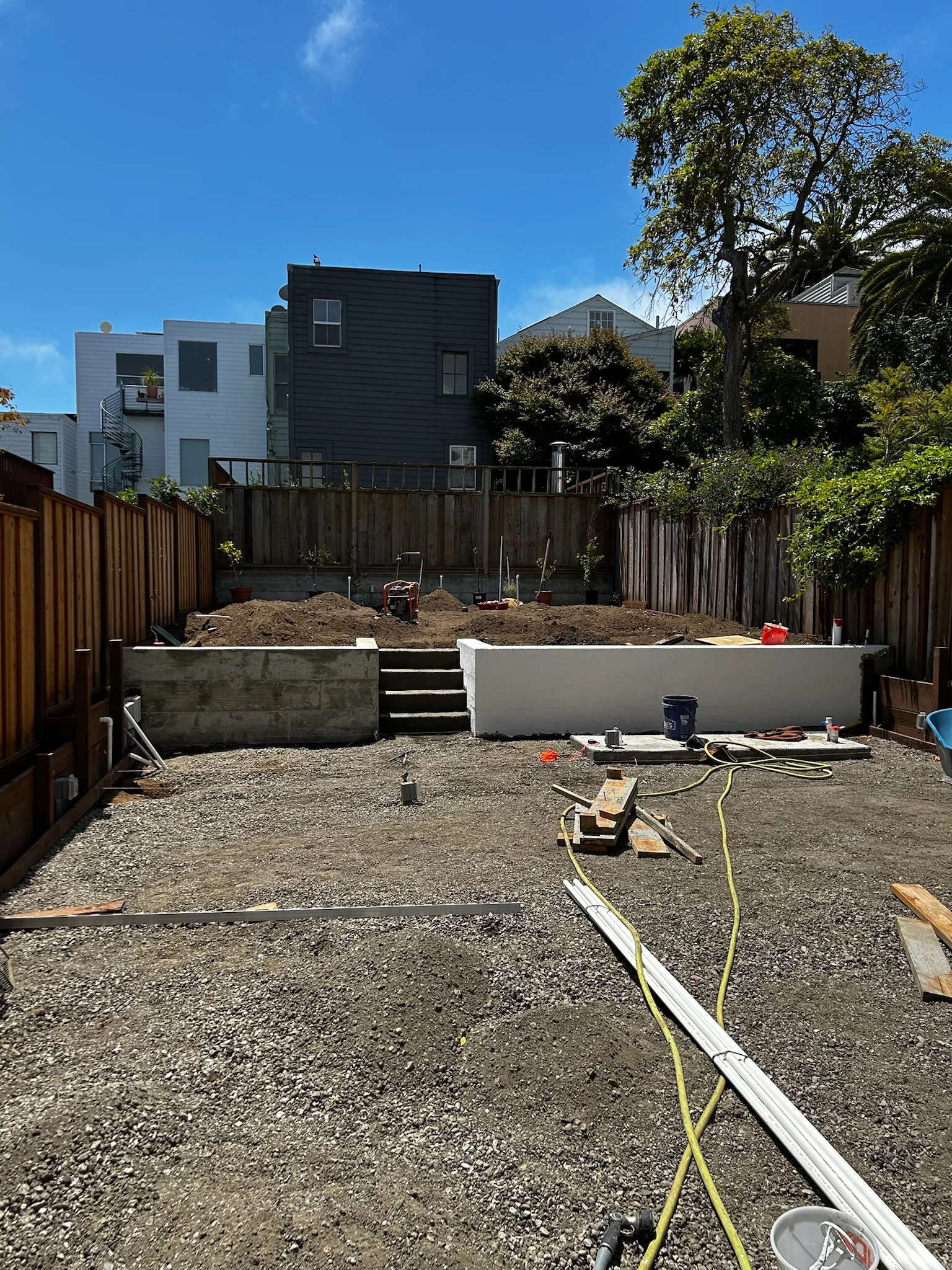
Big retaining wall The larger retaining wall was a much bigger project, and
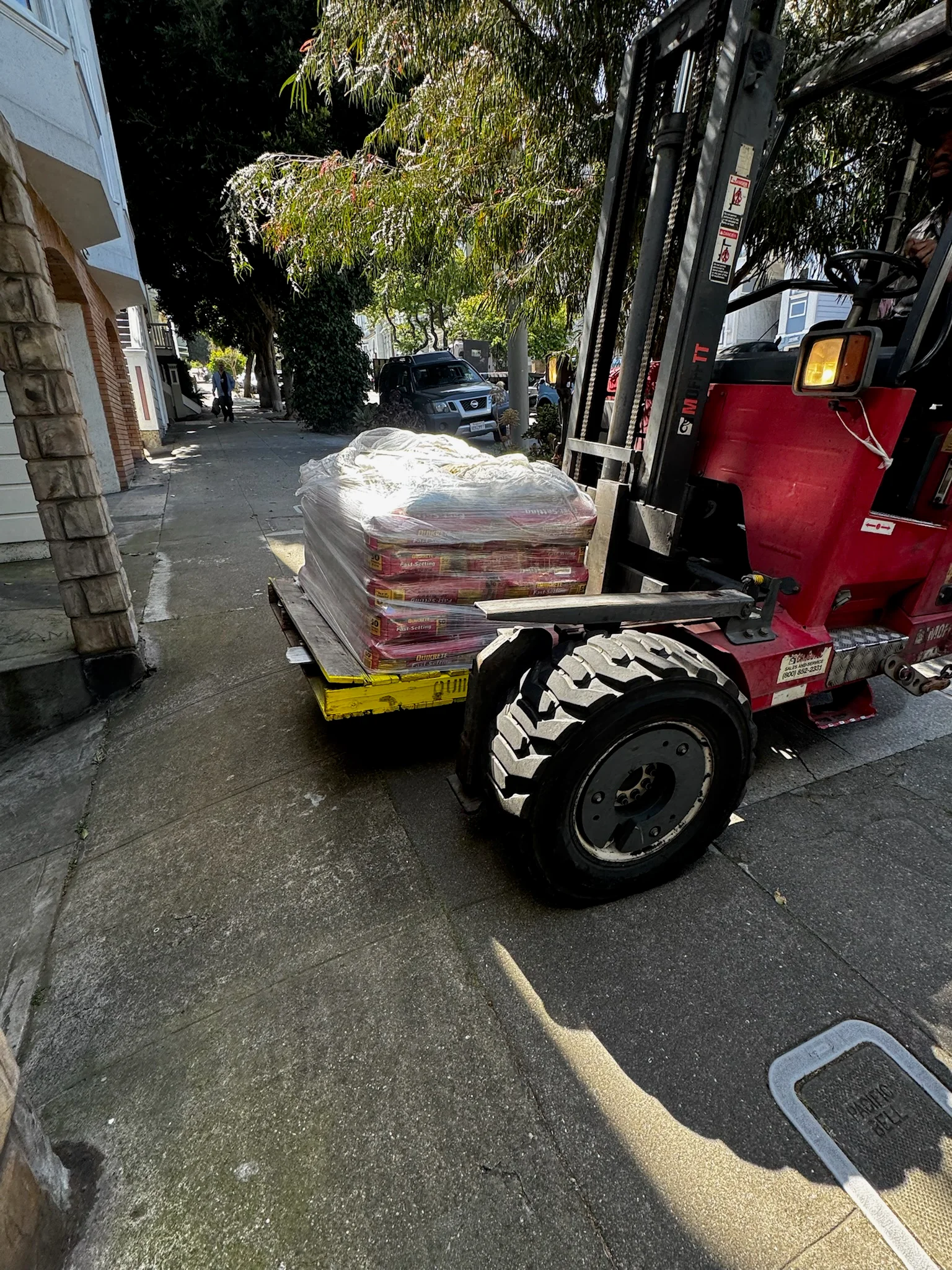
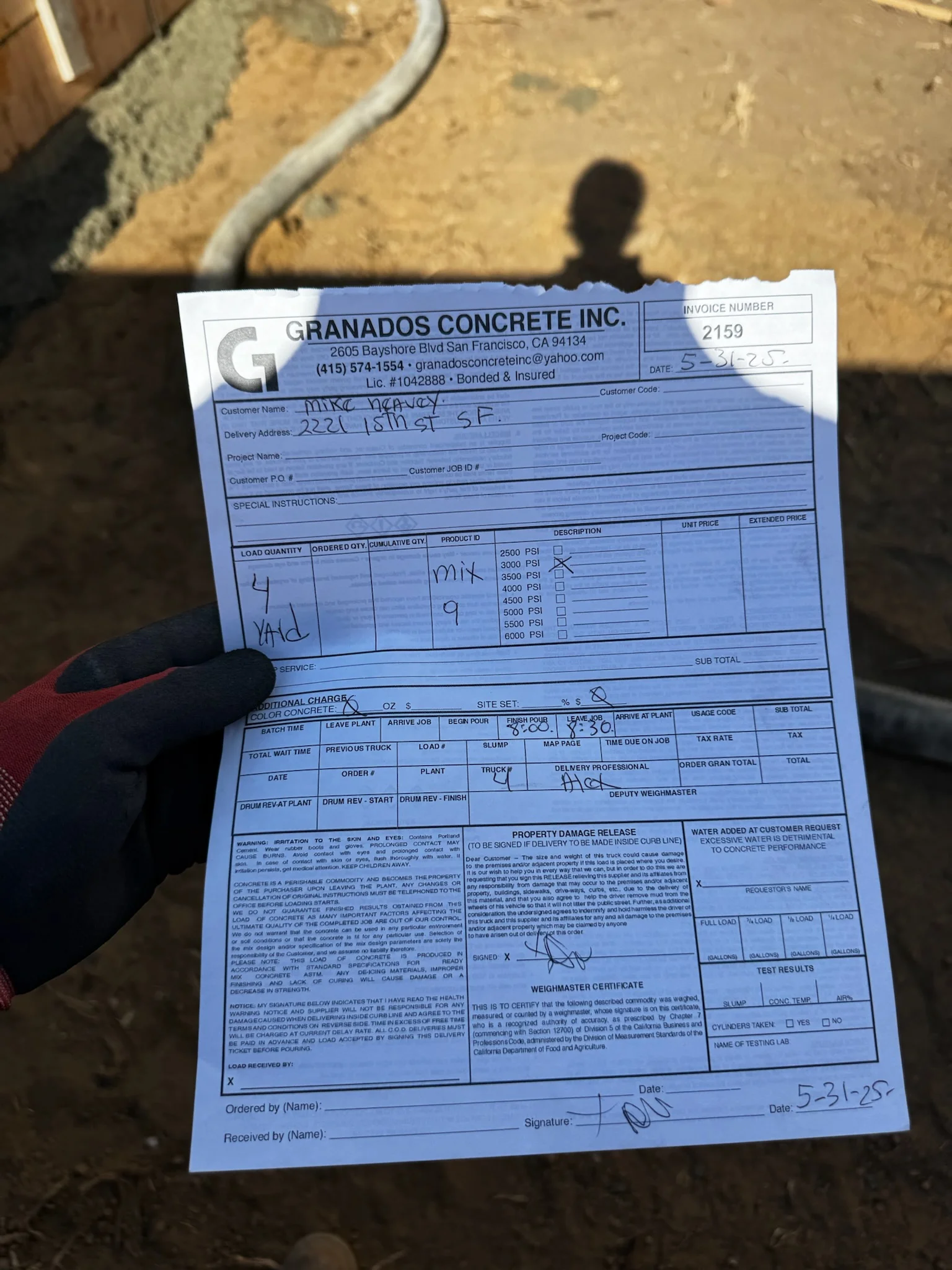
the last thing that I subcontracted out. It ended up being 4 yards (which would have been 120 bags…)
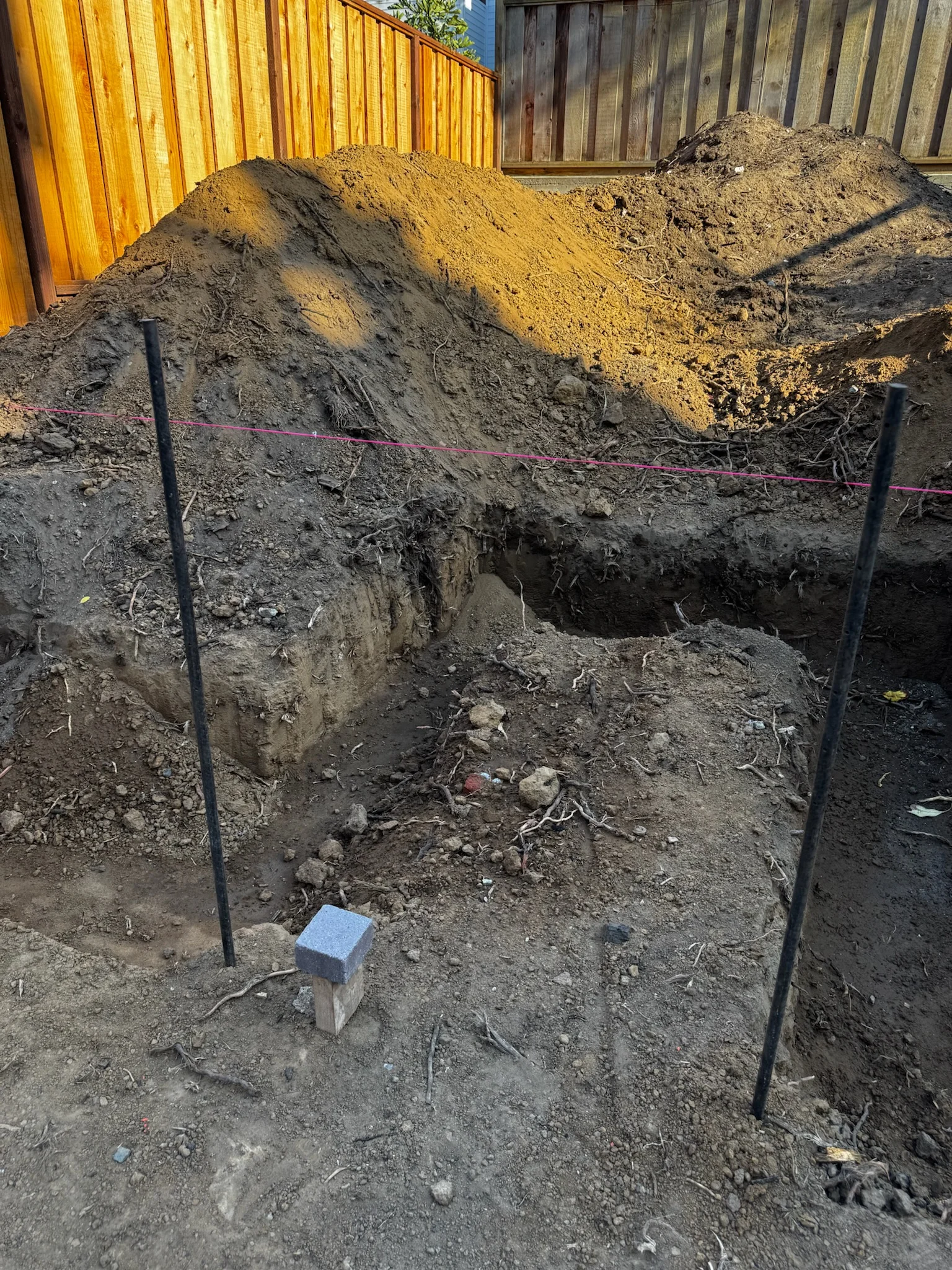
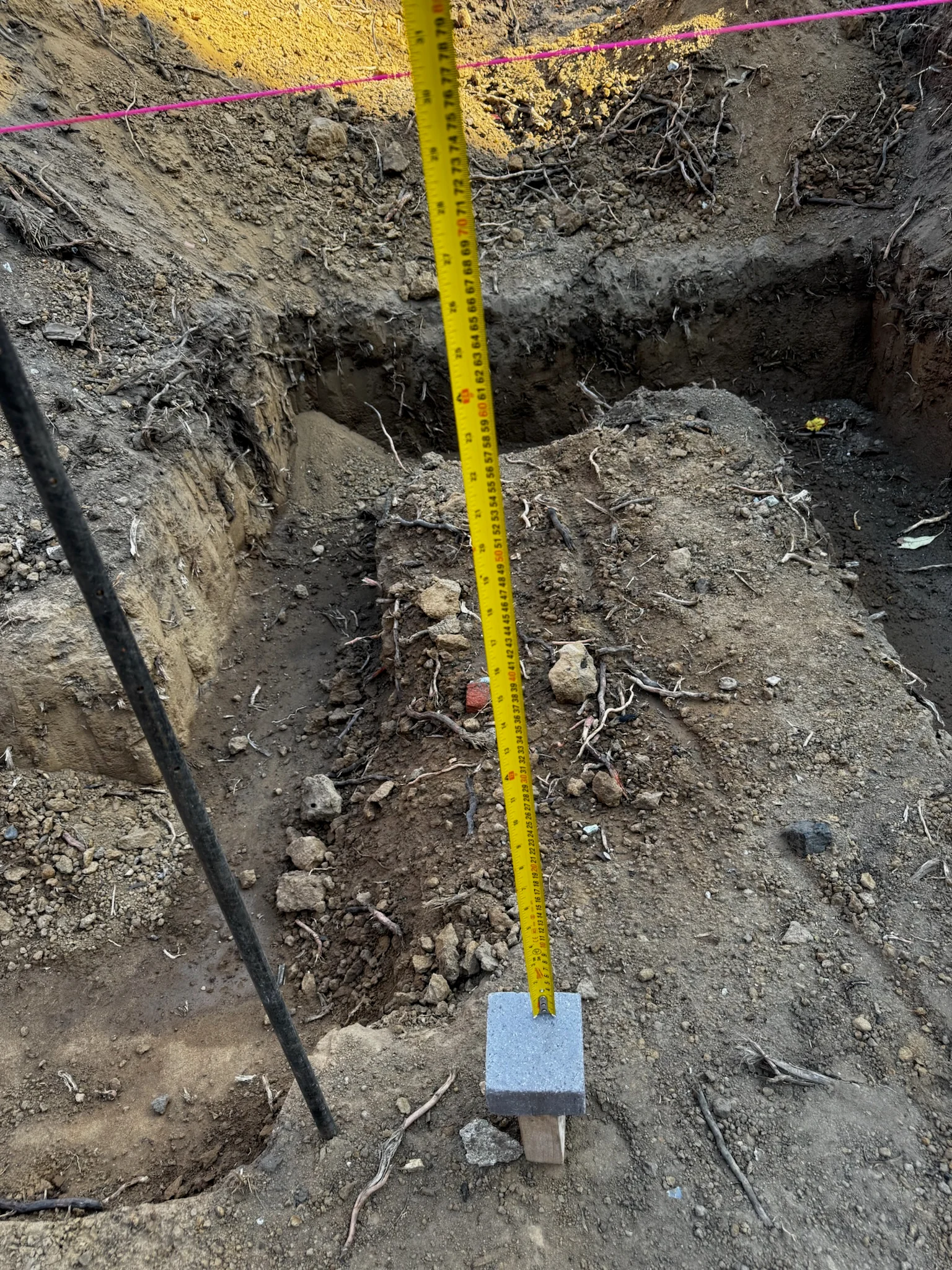
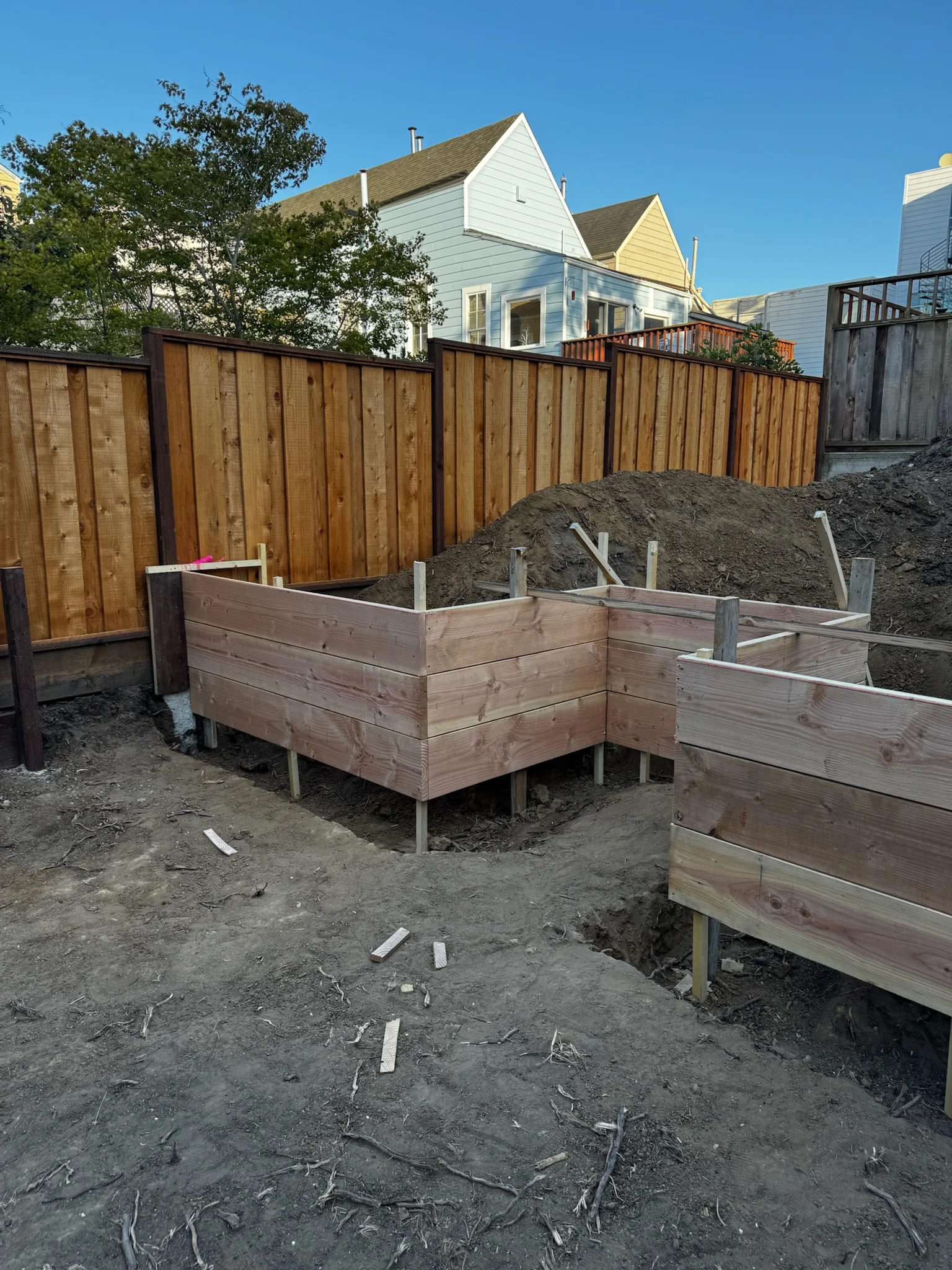
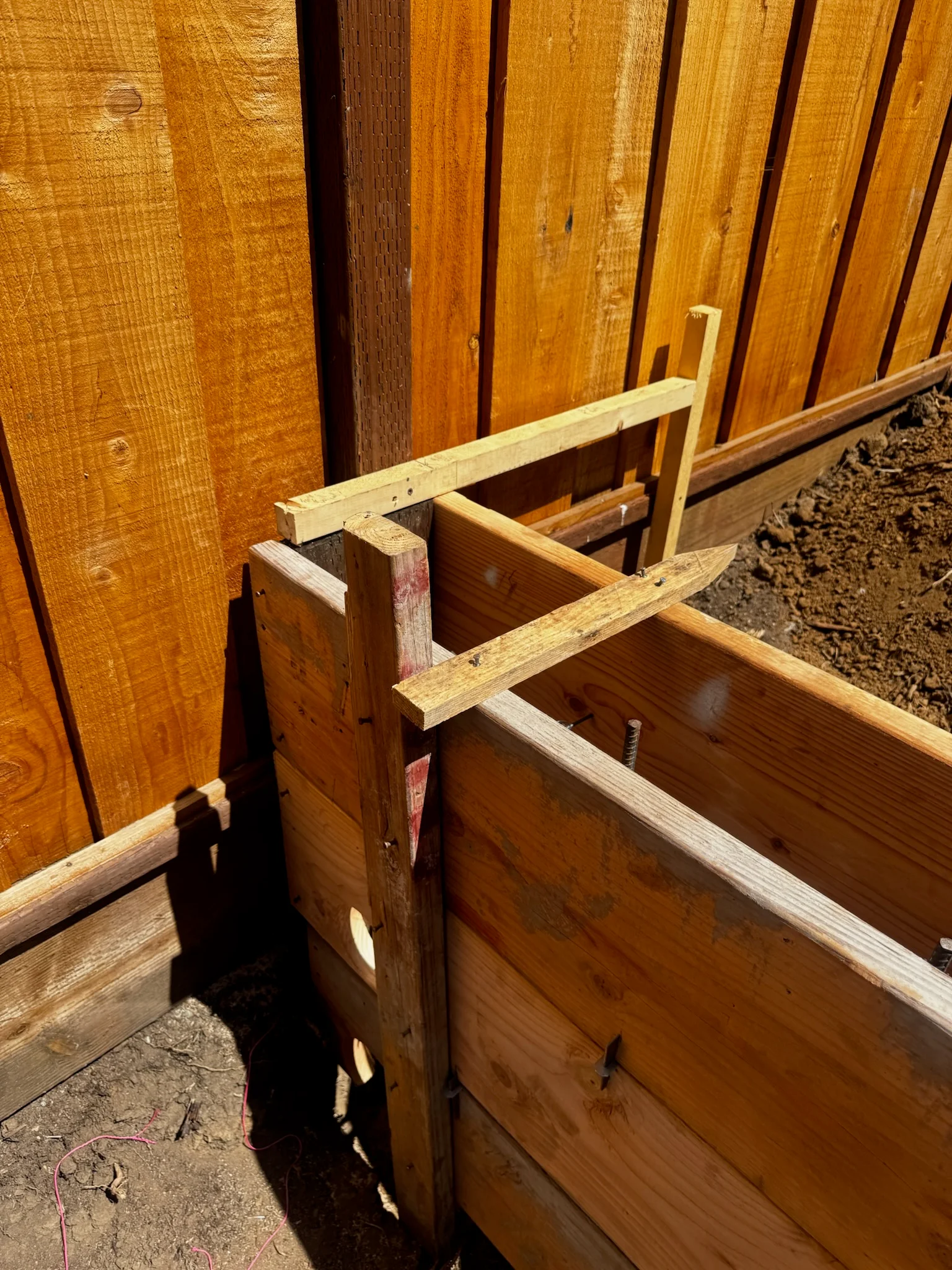
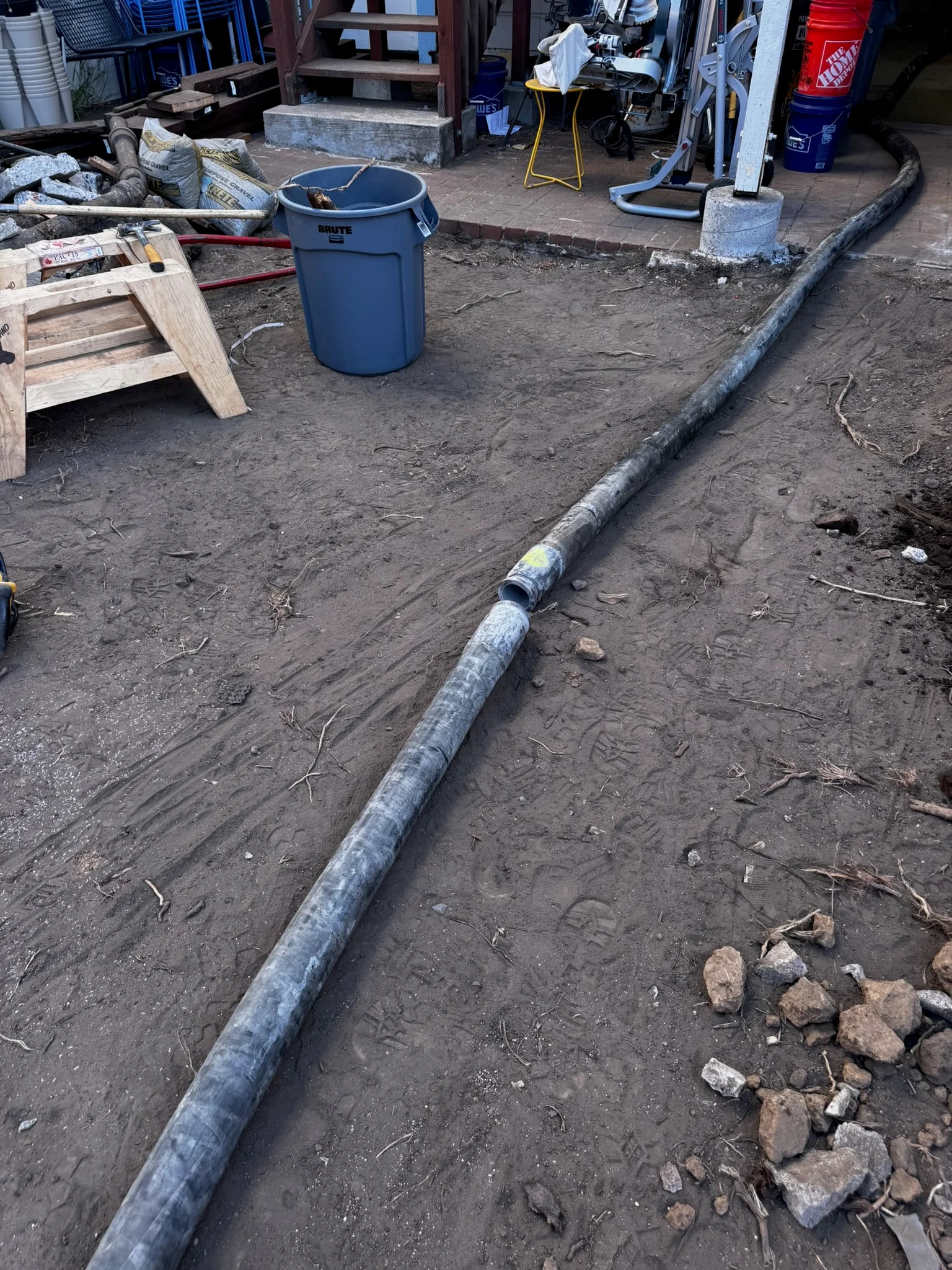
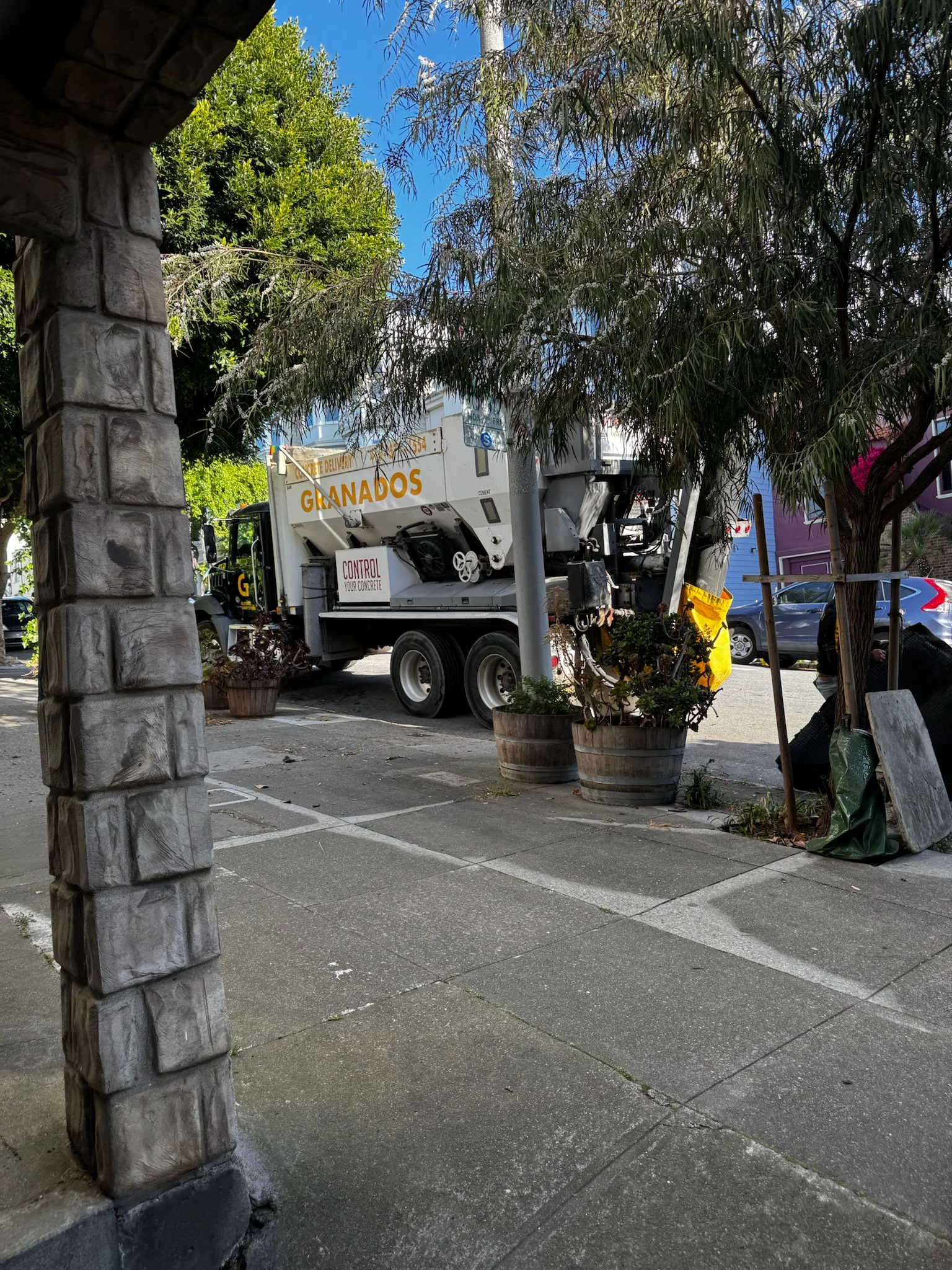
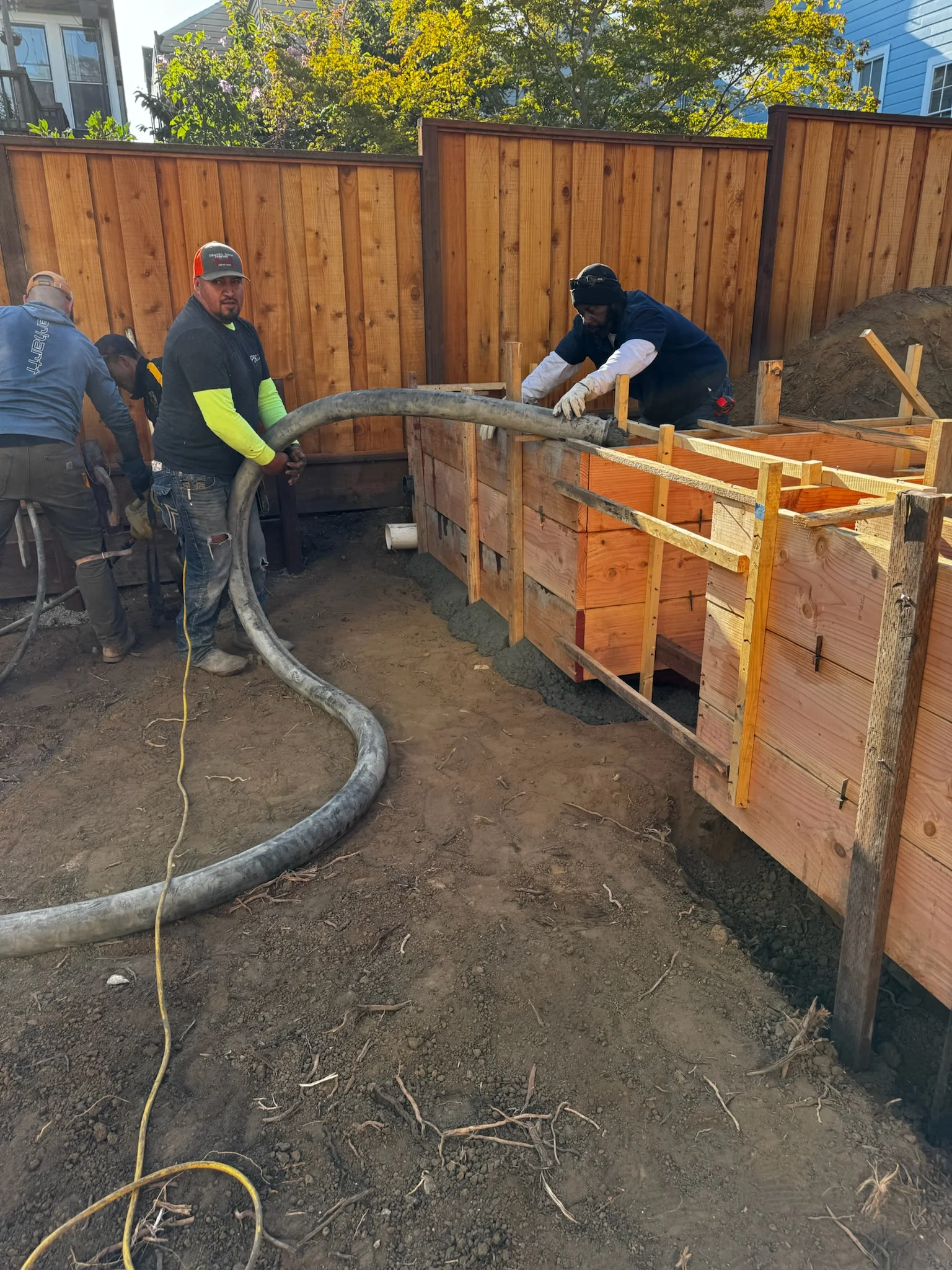
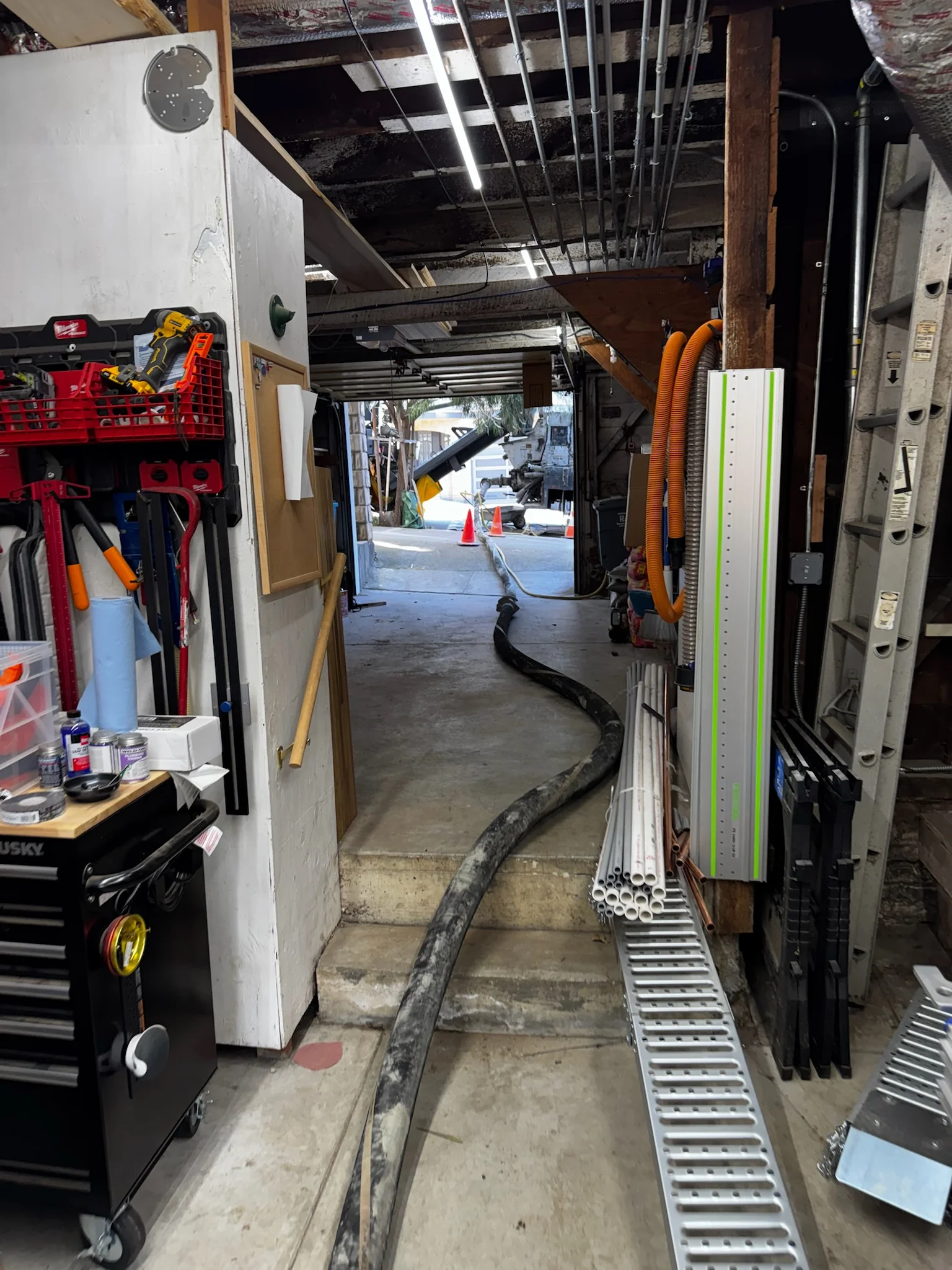
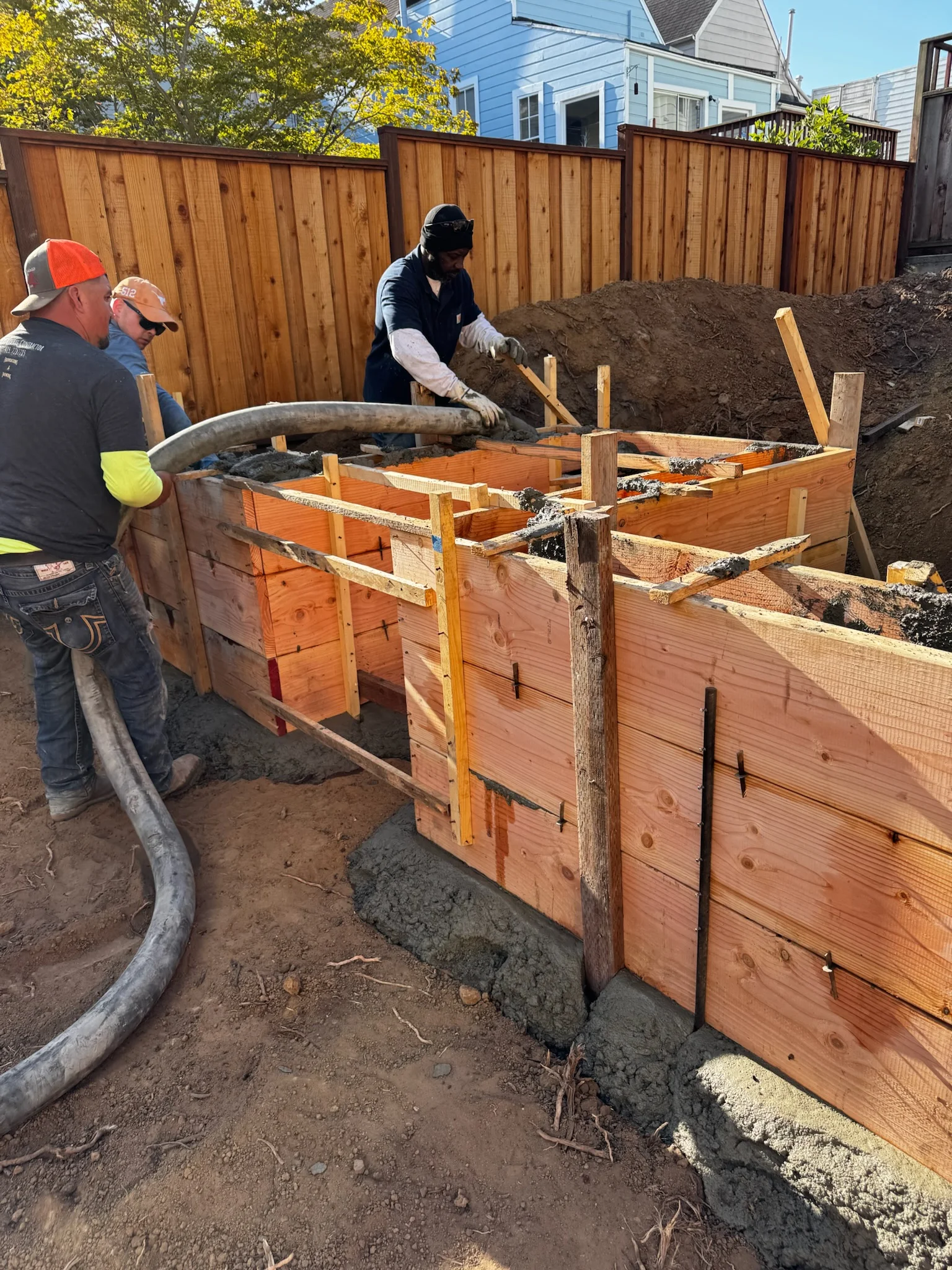
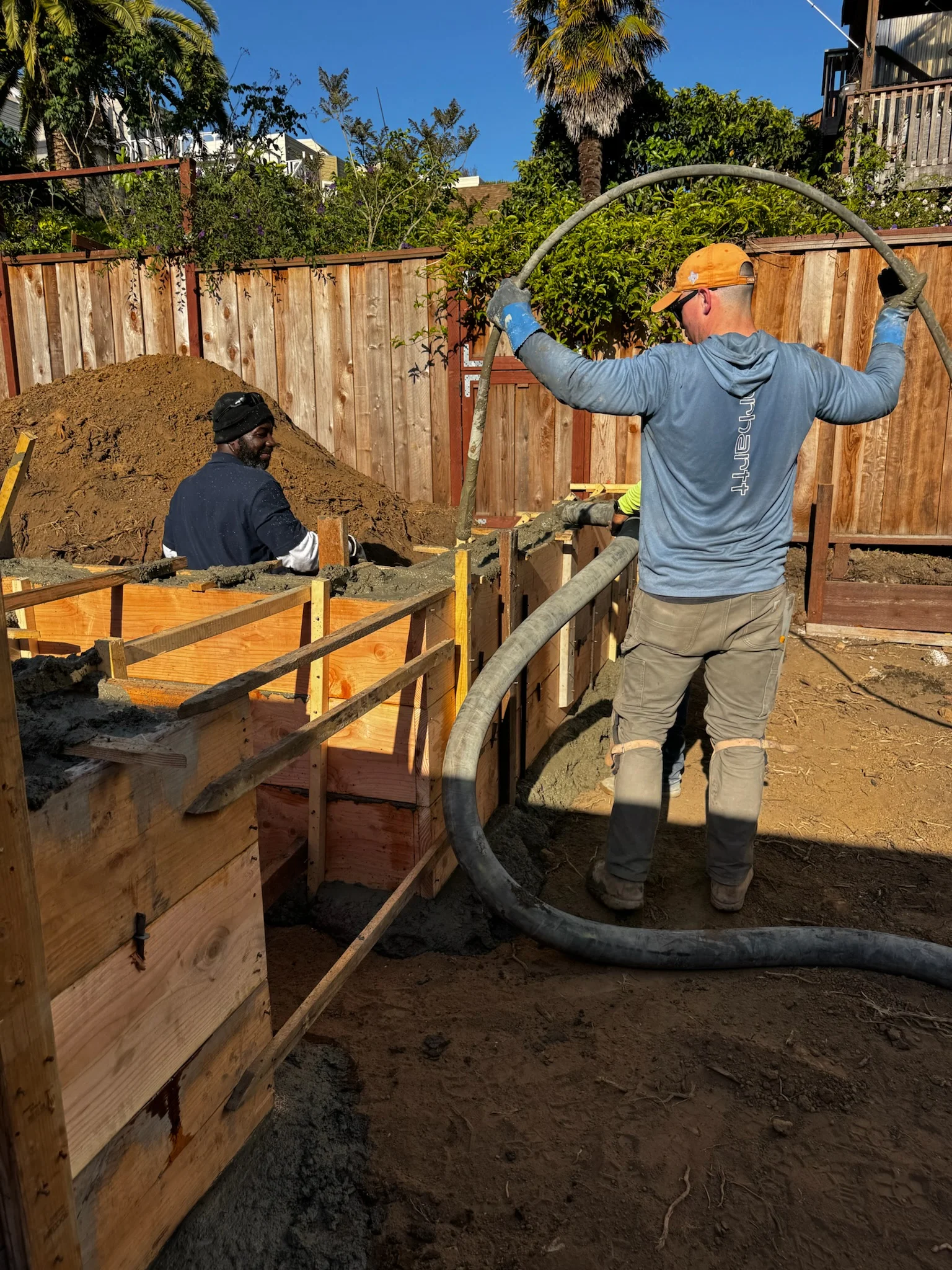
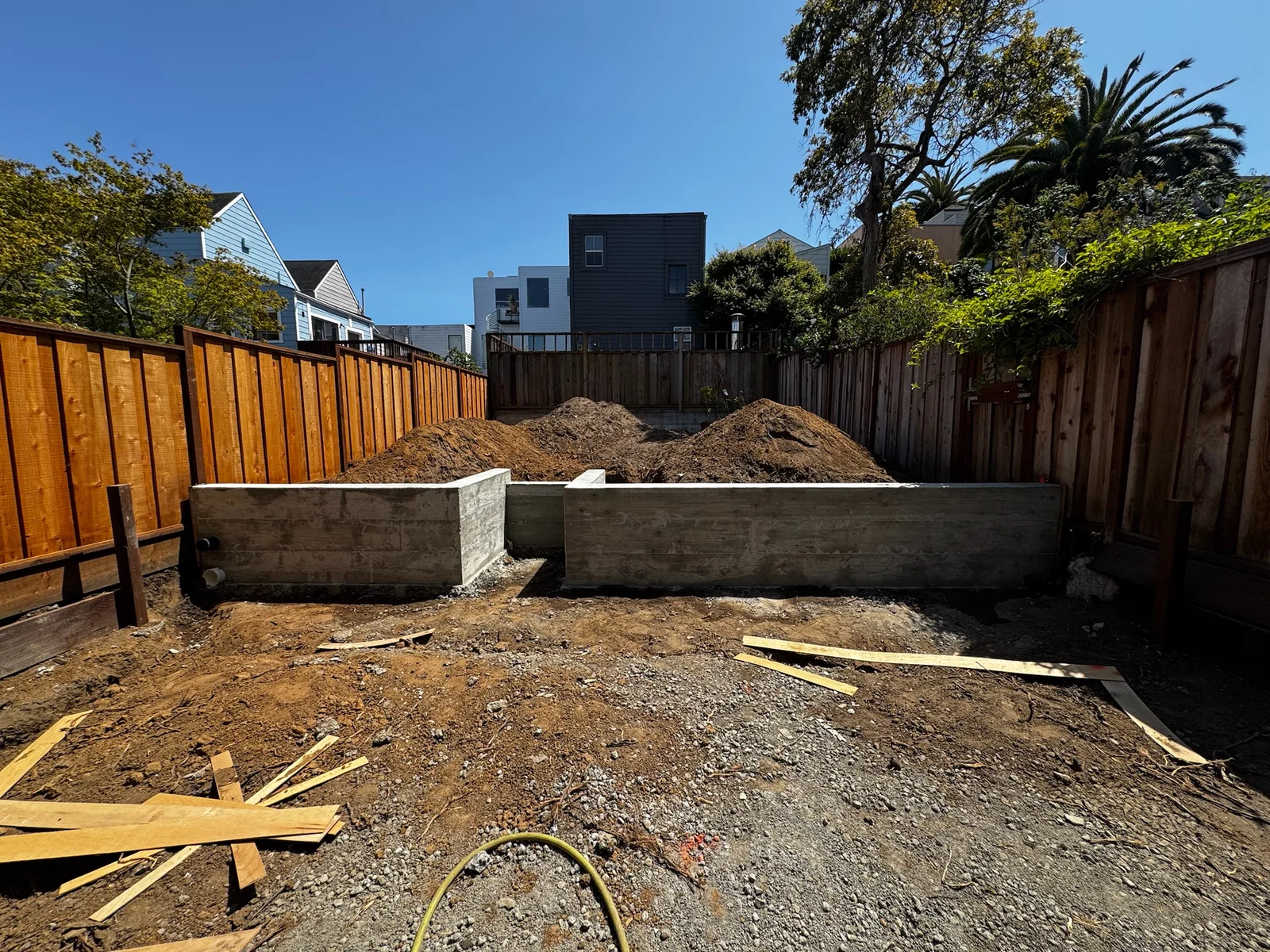
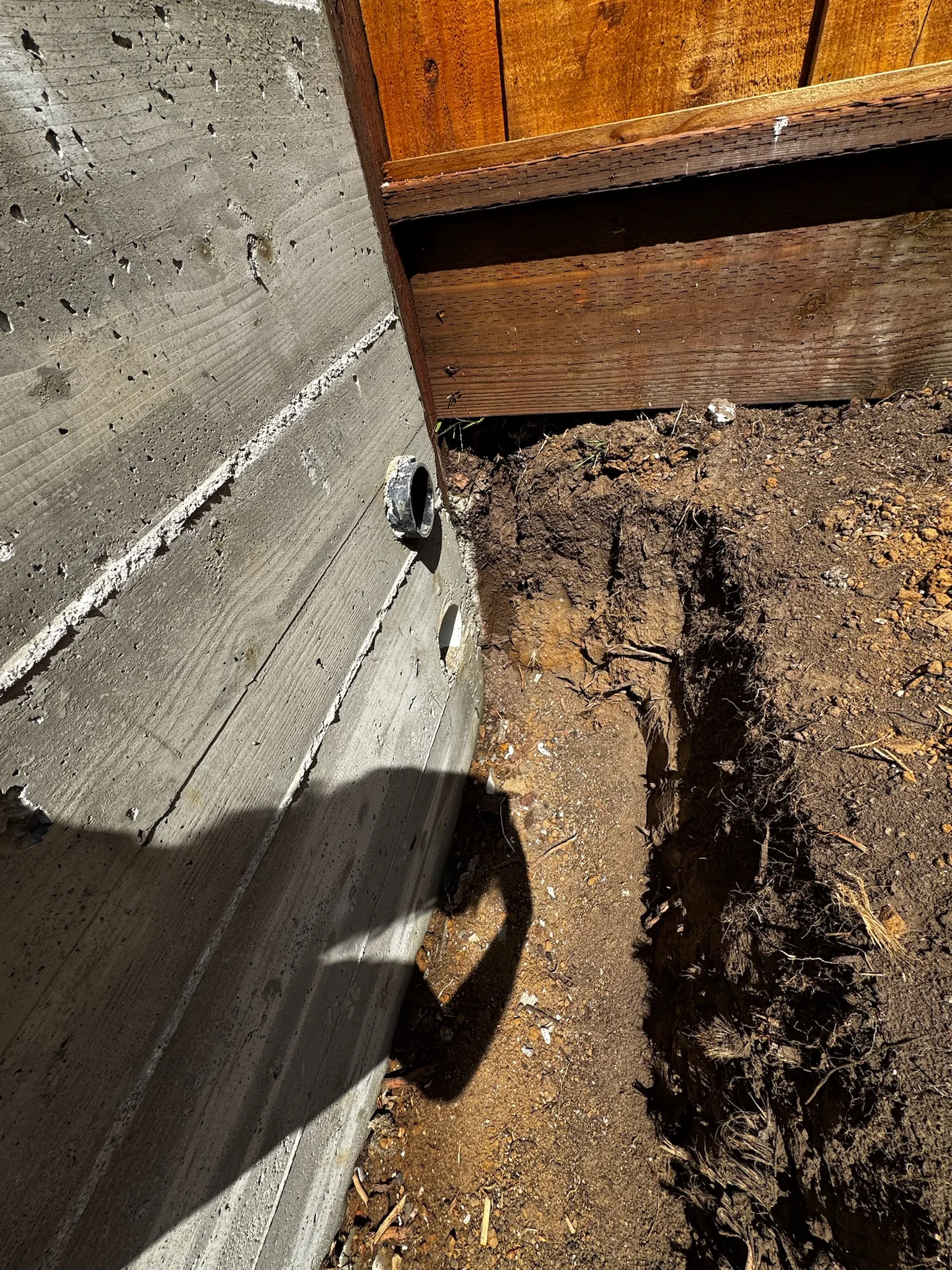
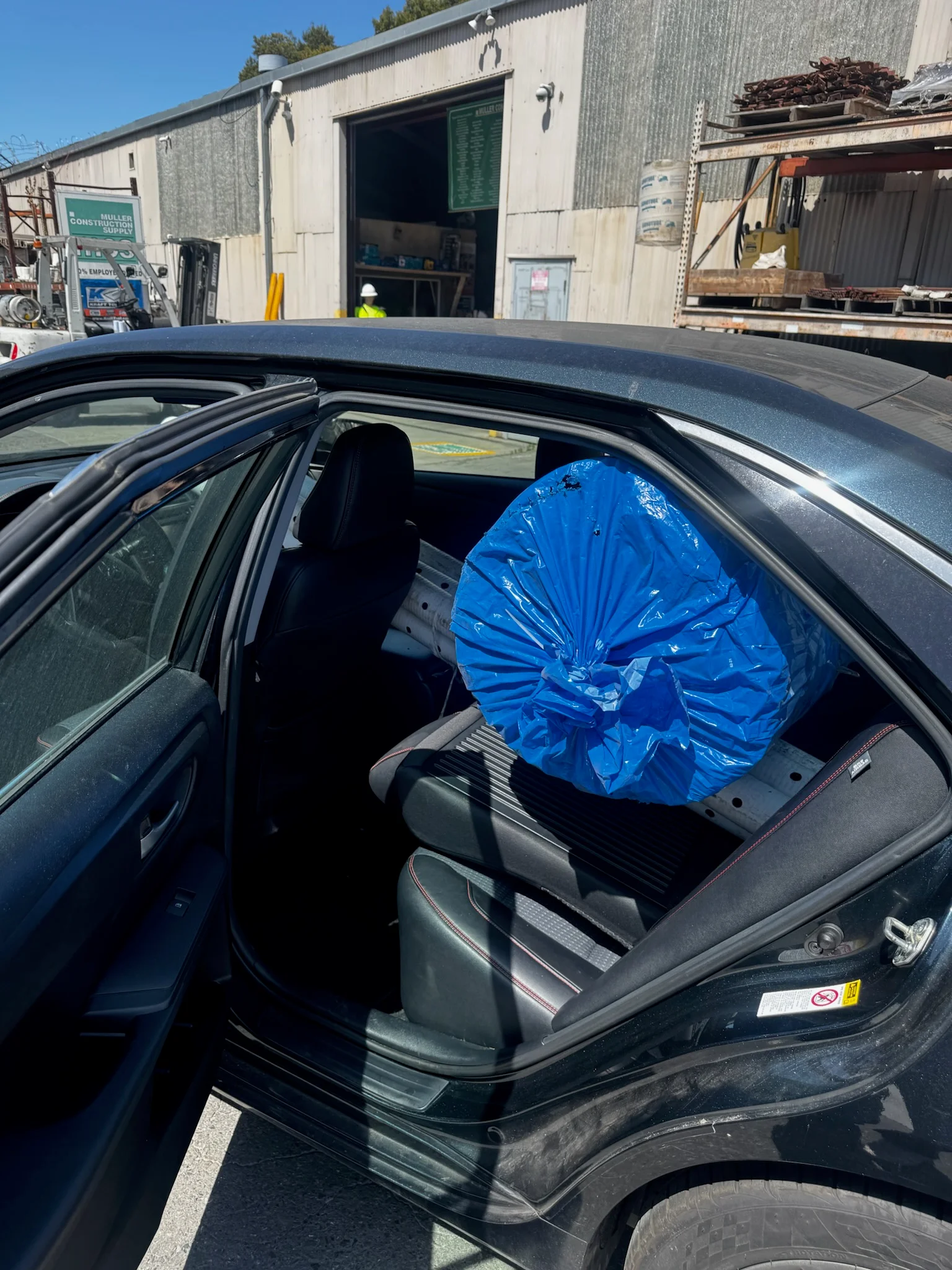
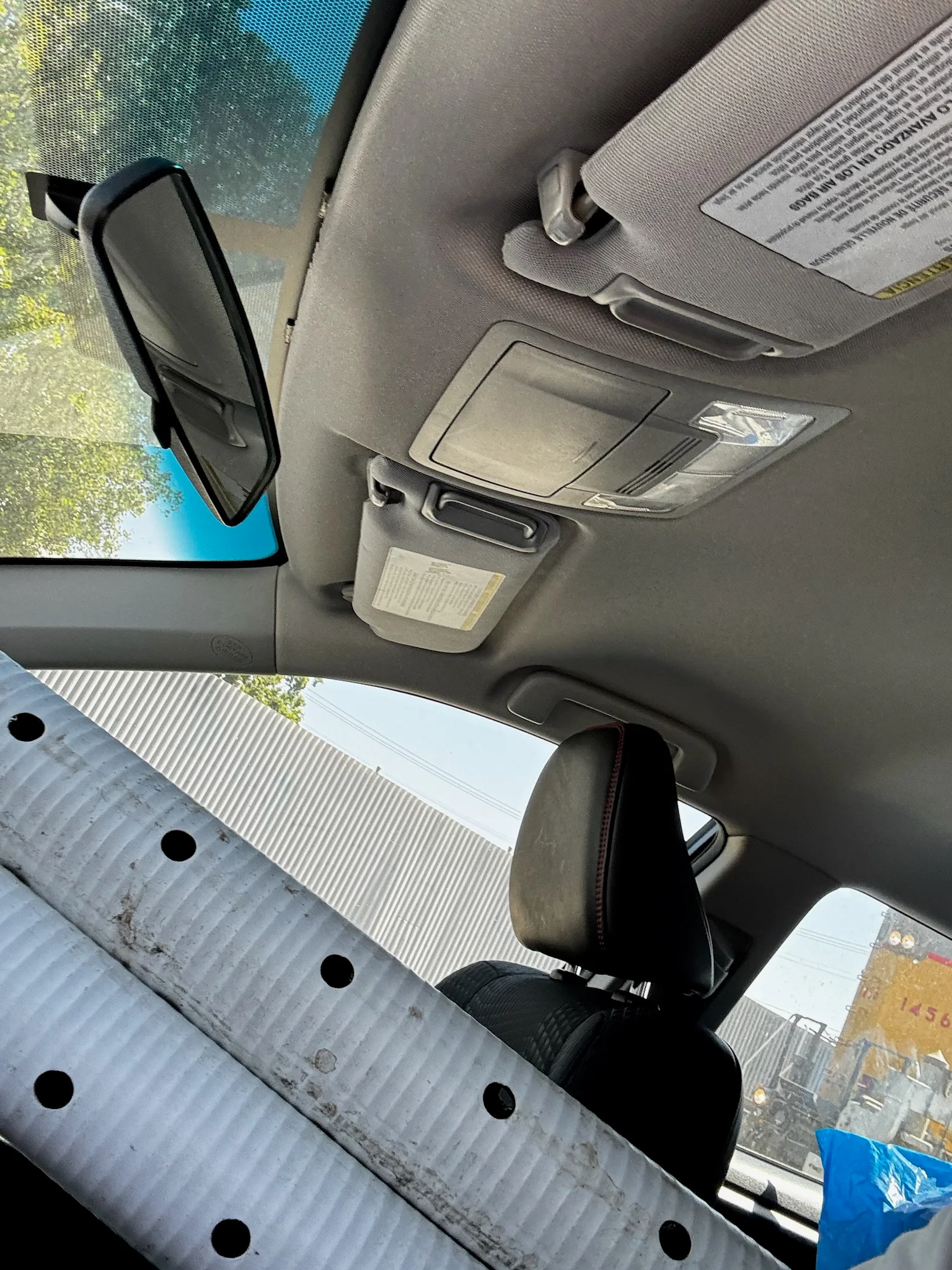
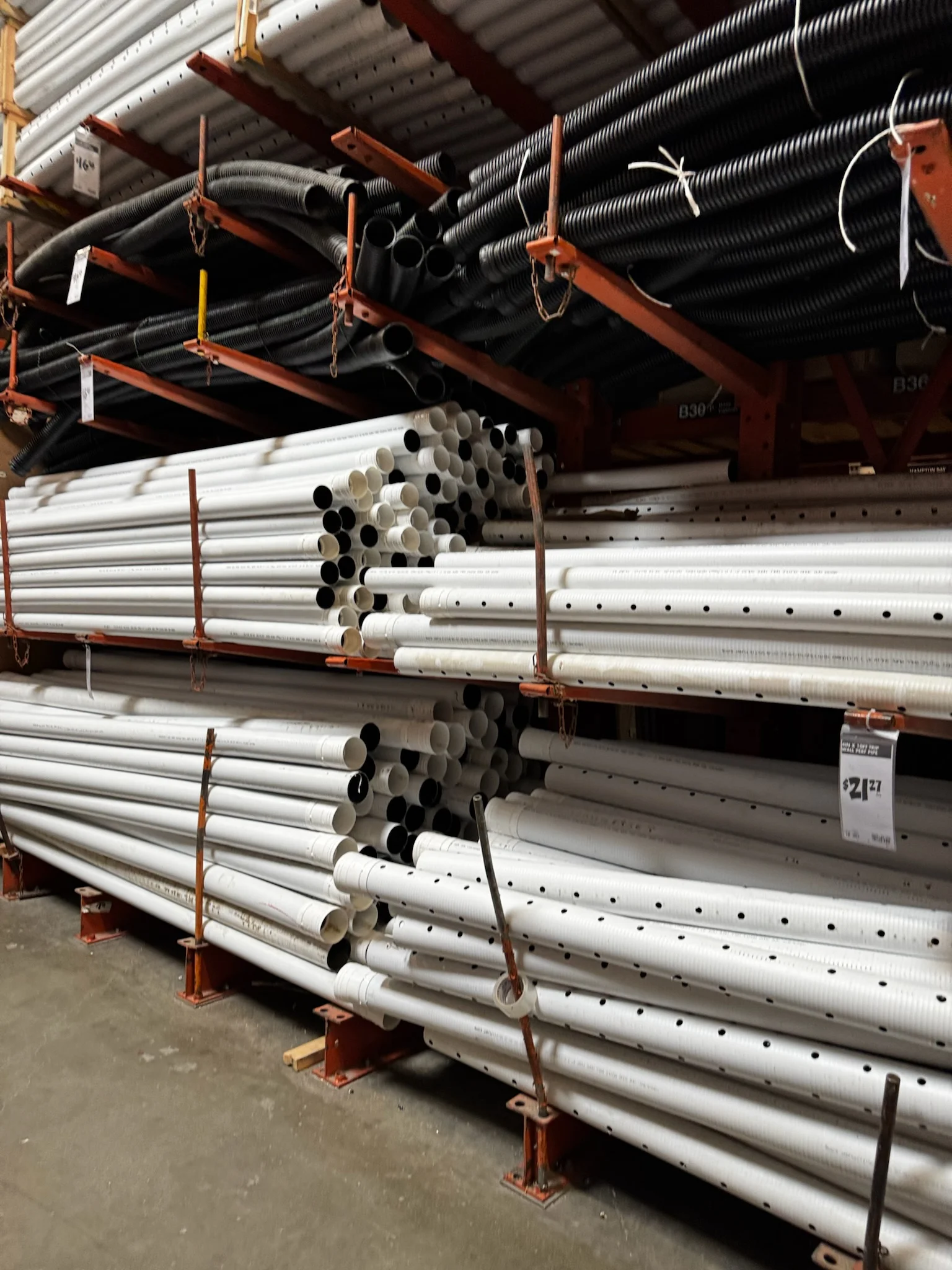
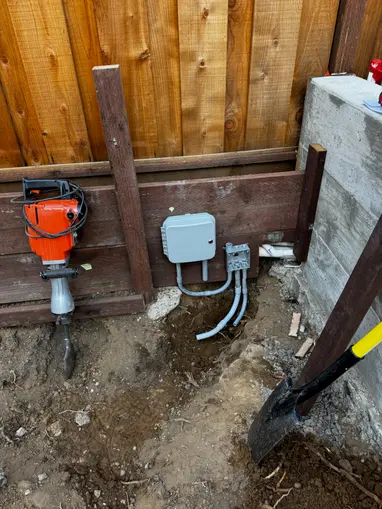
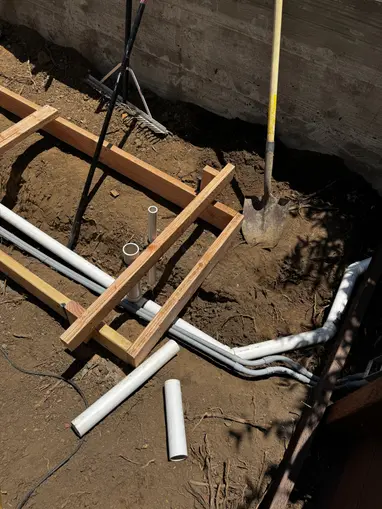
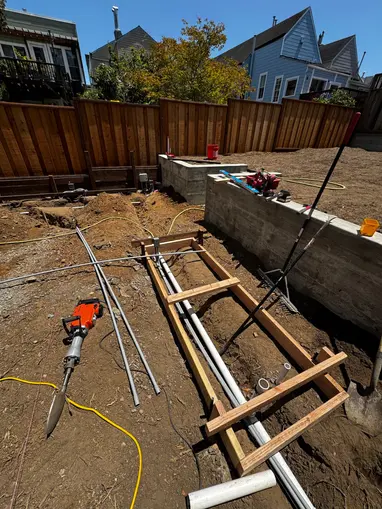
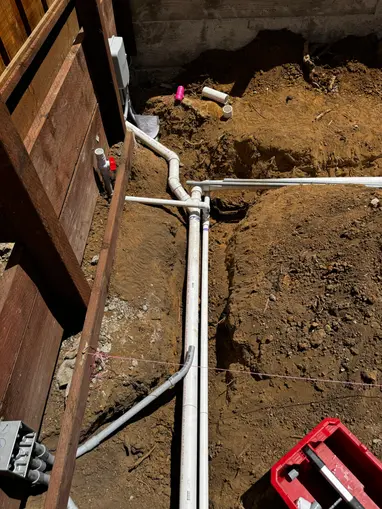
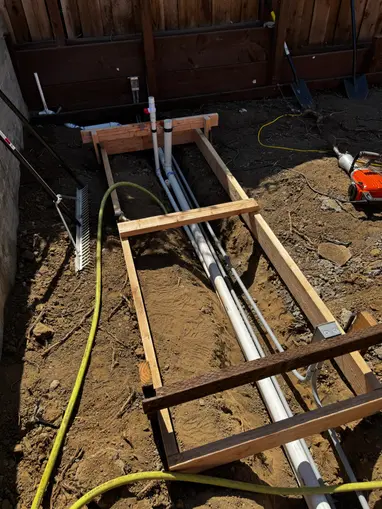
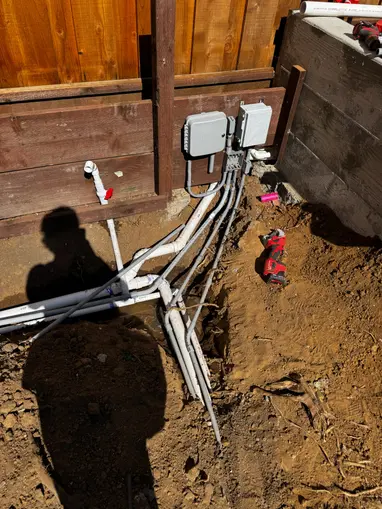
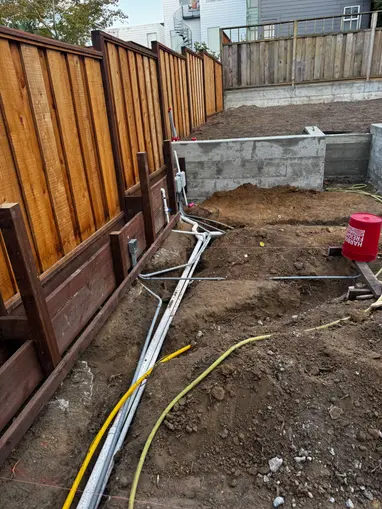
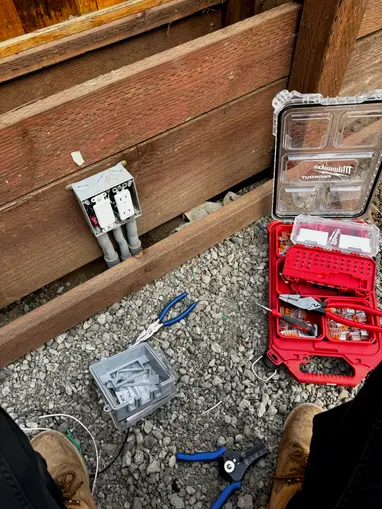
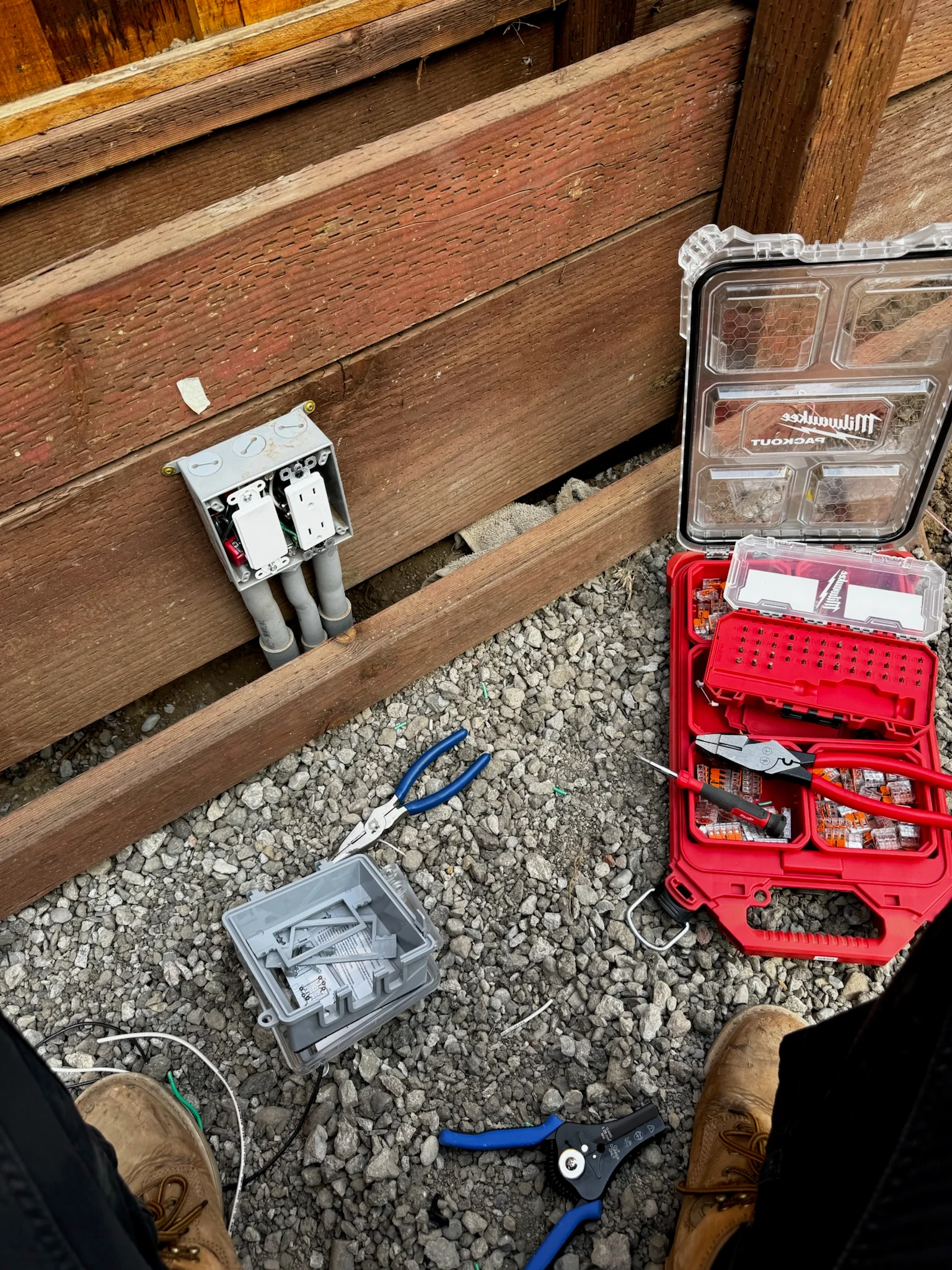
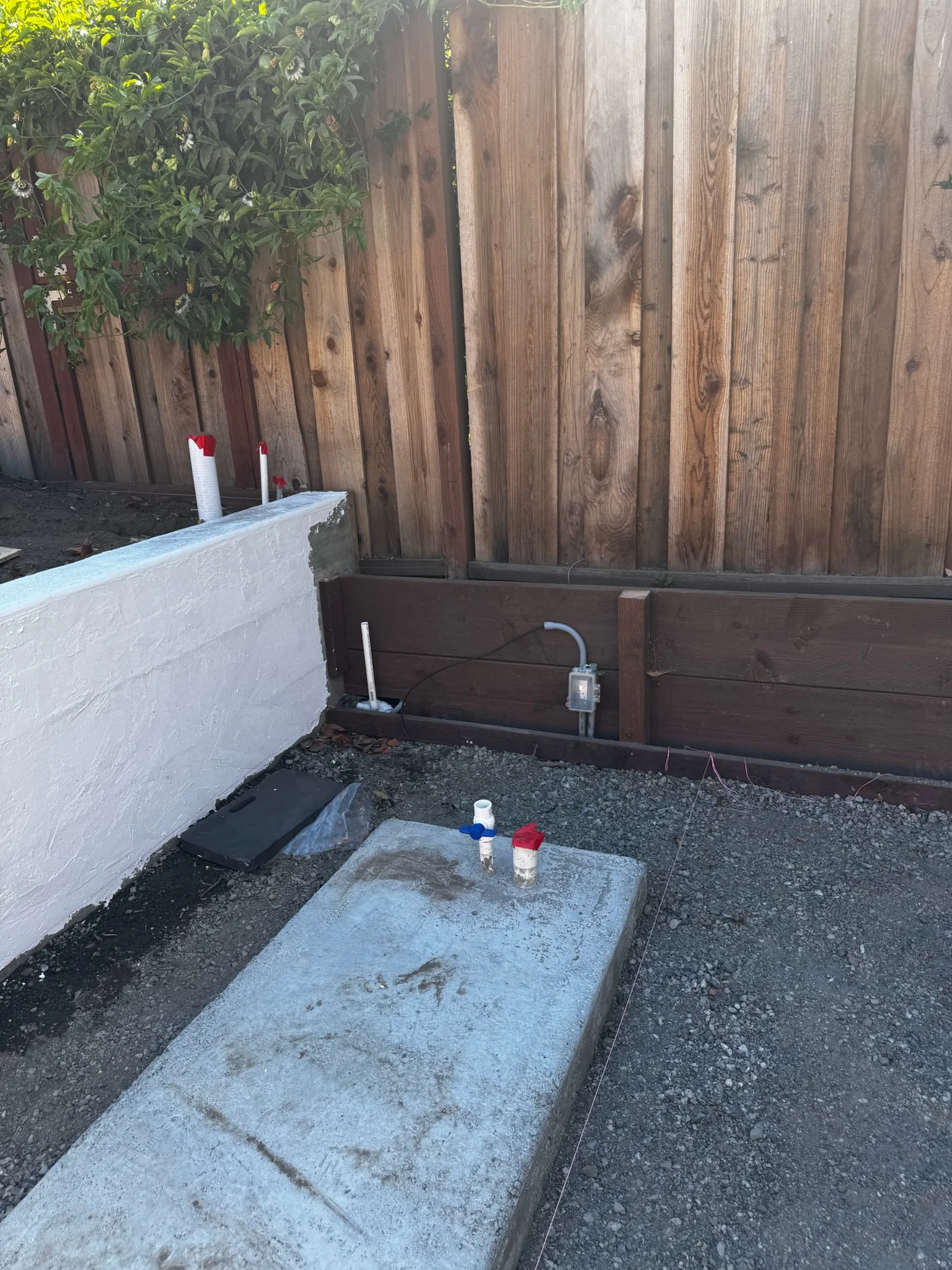
Since we are on a slope, I left some holes in the sides of the wall to that I could install a french drain system. We attached MiraDrain to the back to relieve hydrostatic pressure on the wall and channel the water down, where I laid perforated drain pipe in a bed of drain rock. I also used these holes in the wall to run conduits for utilites.
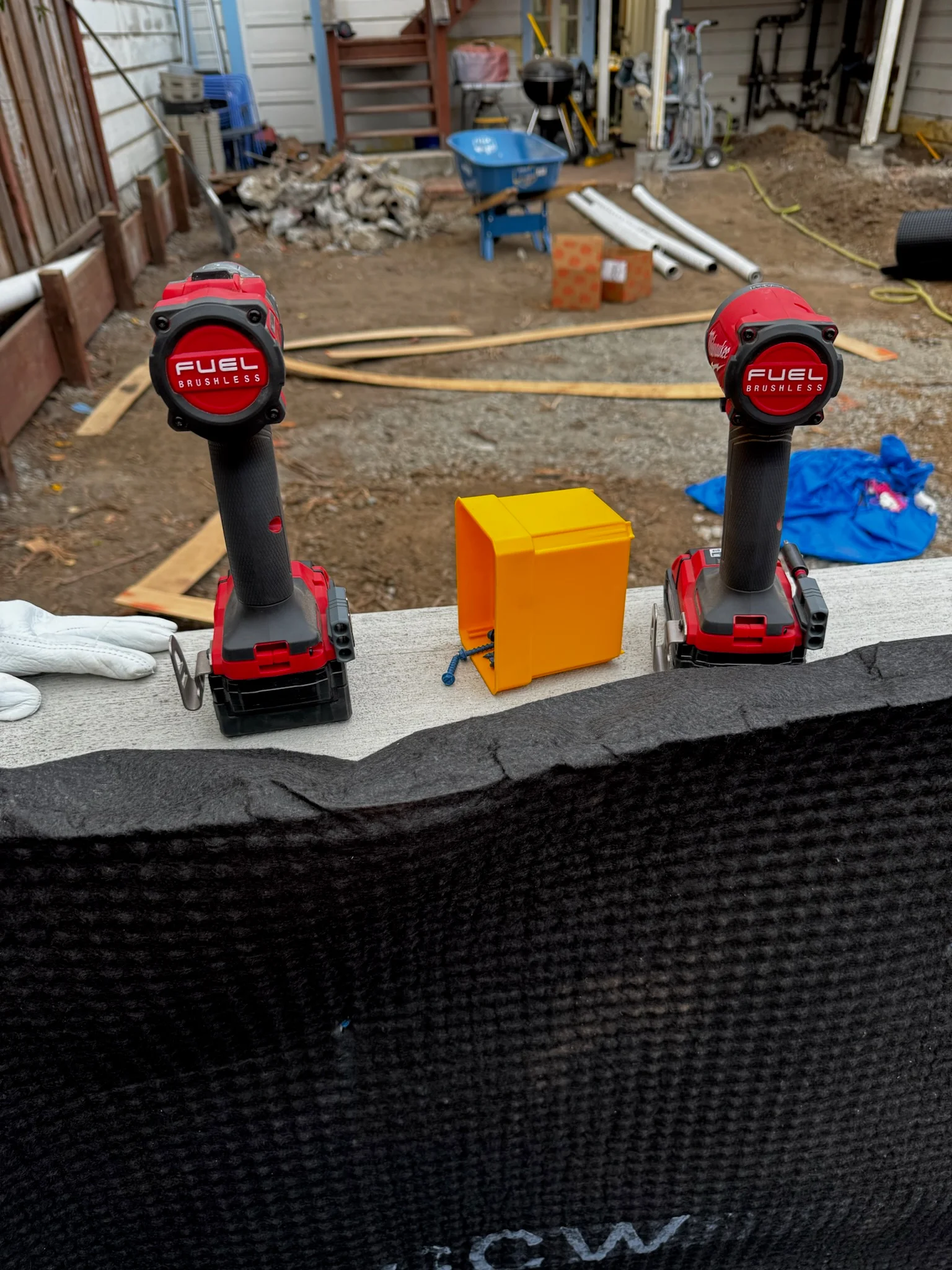
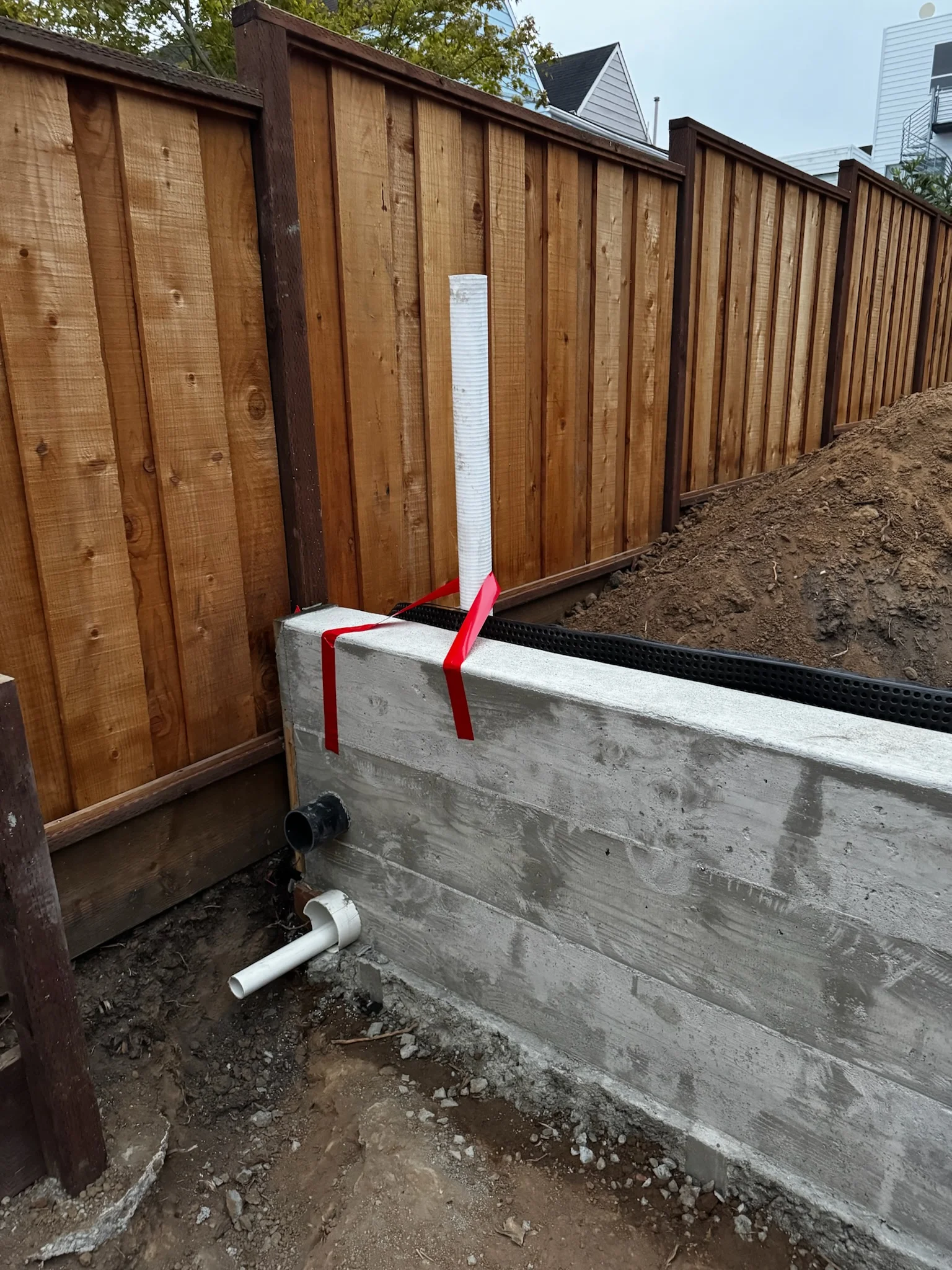
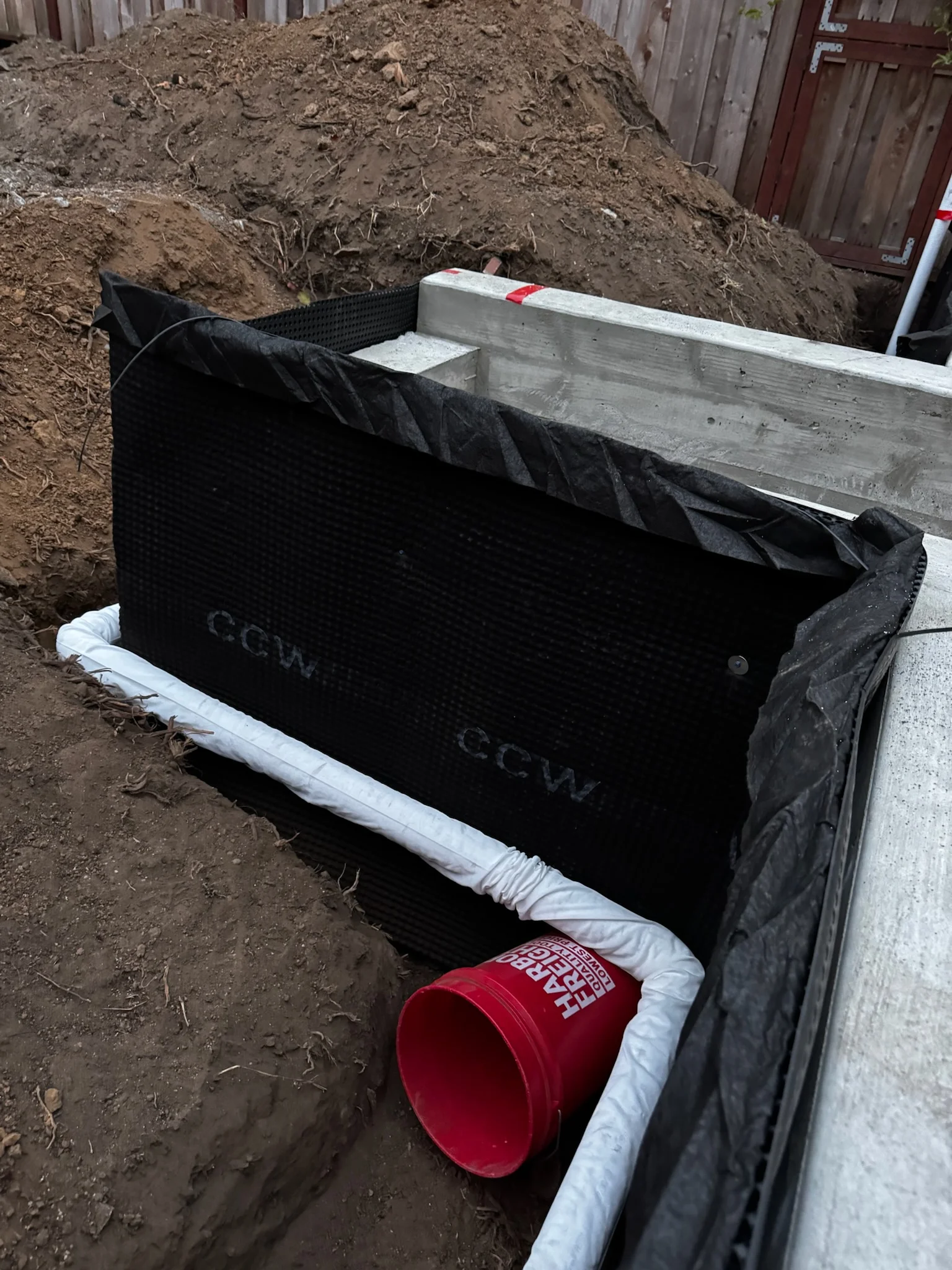
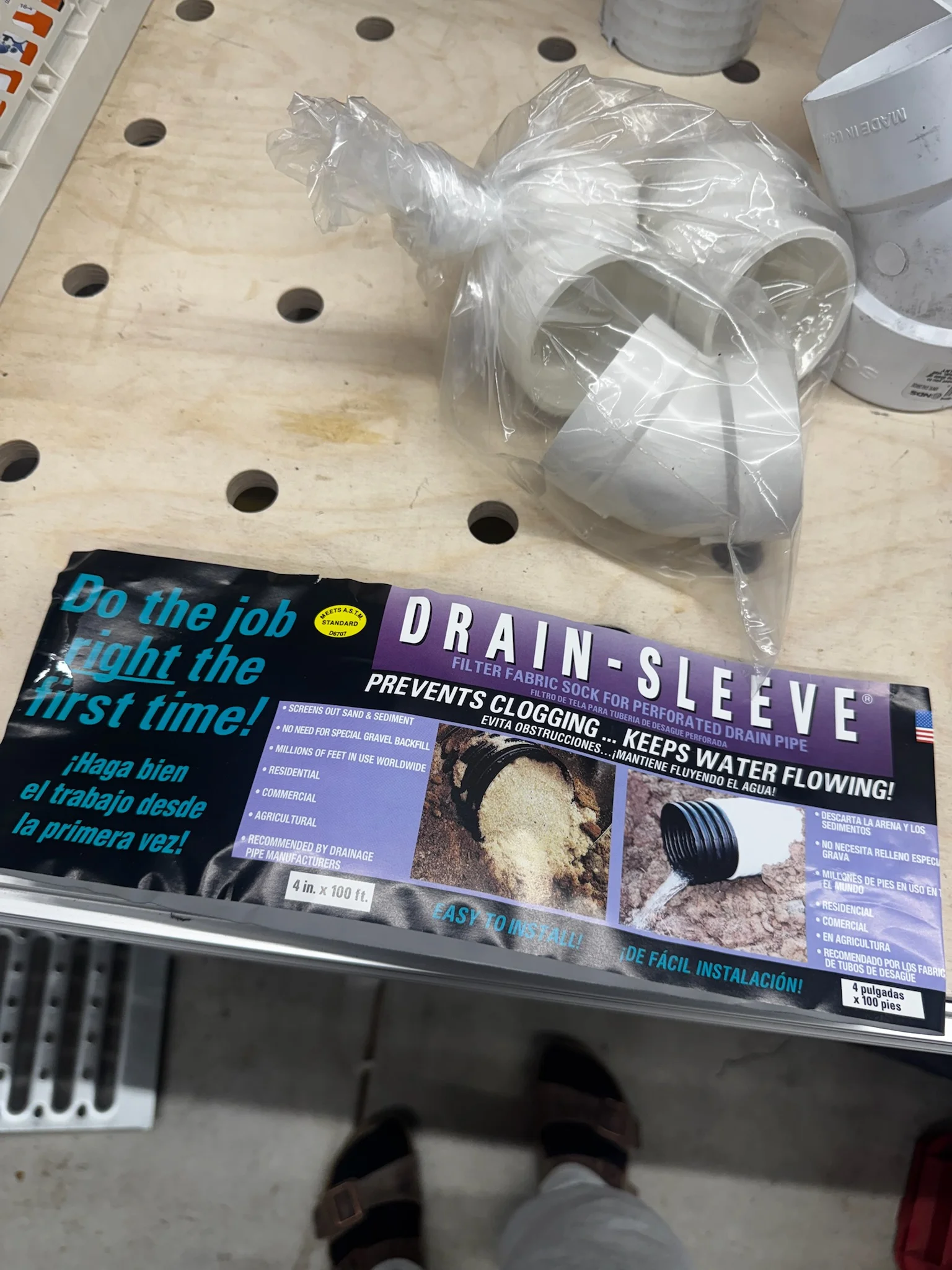
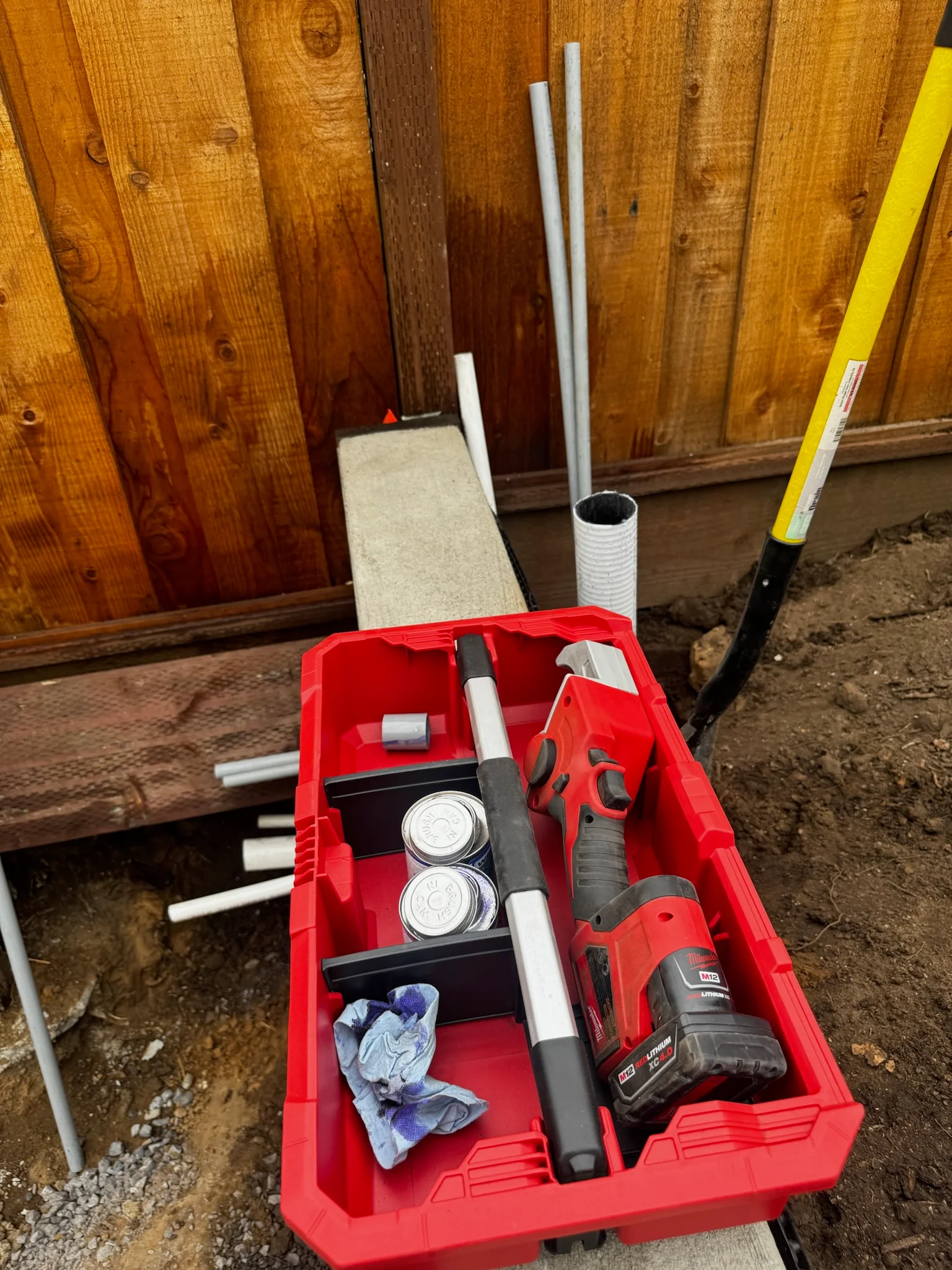
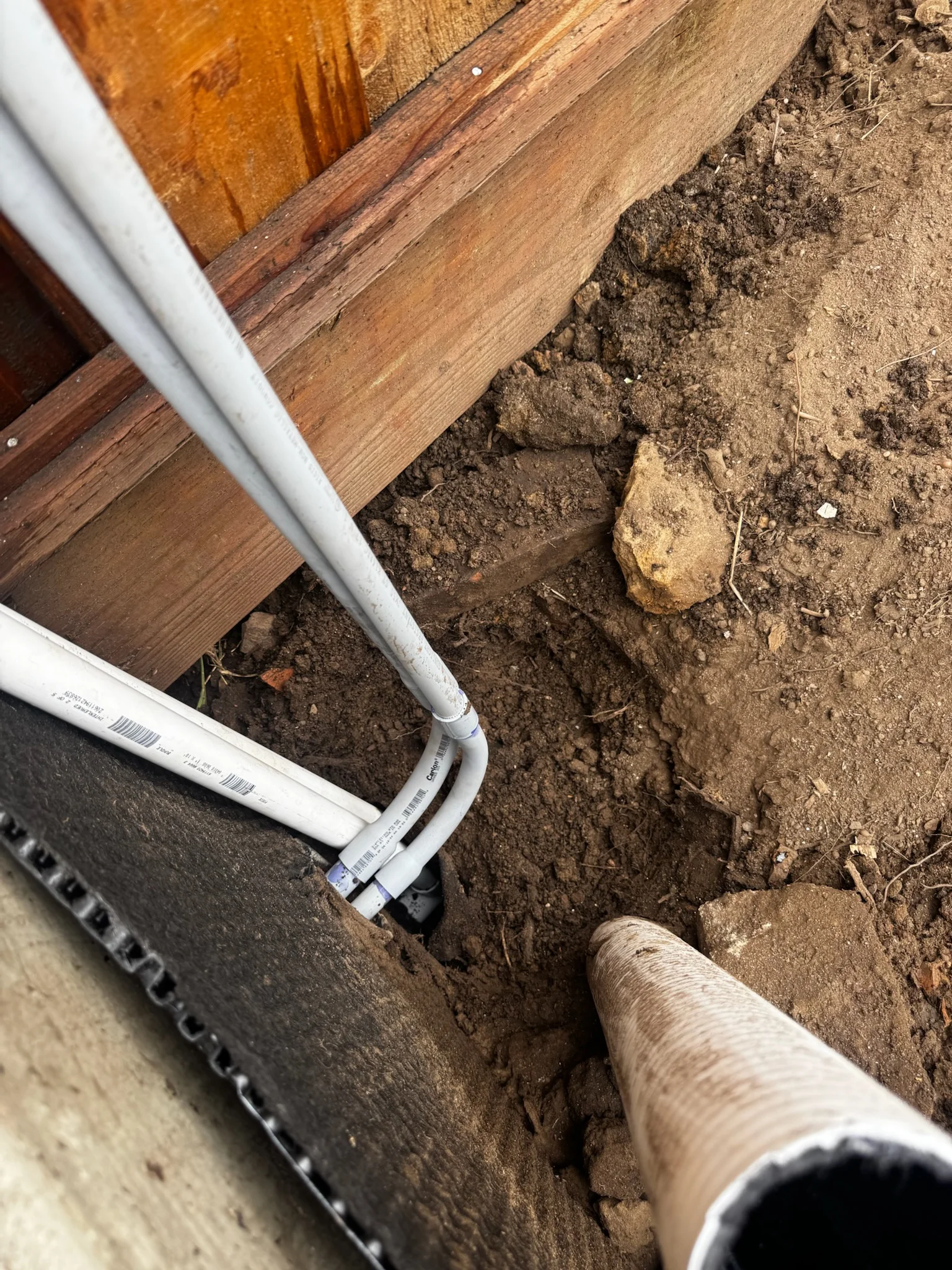
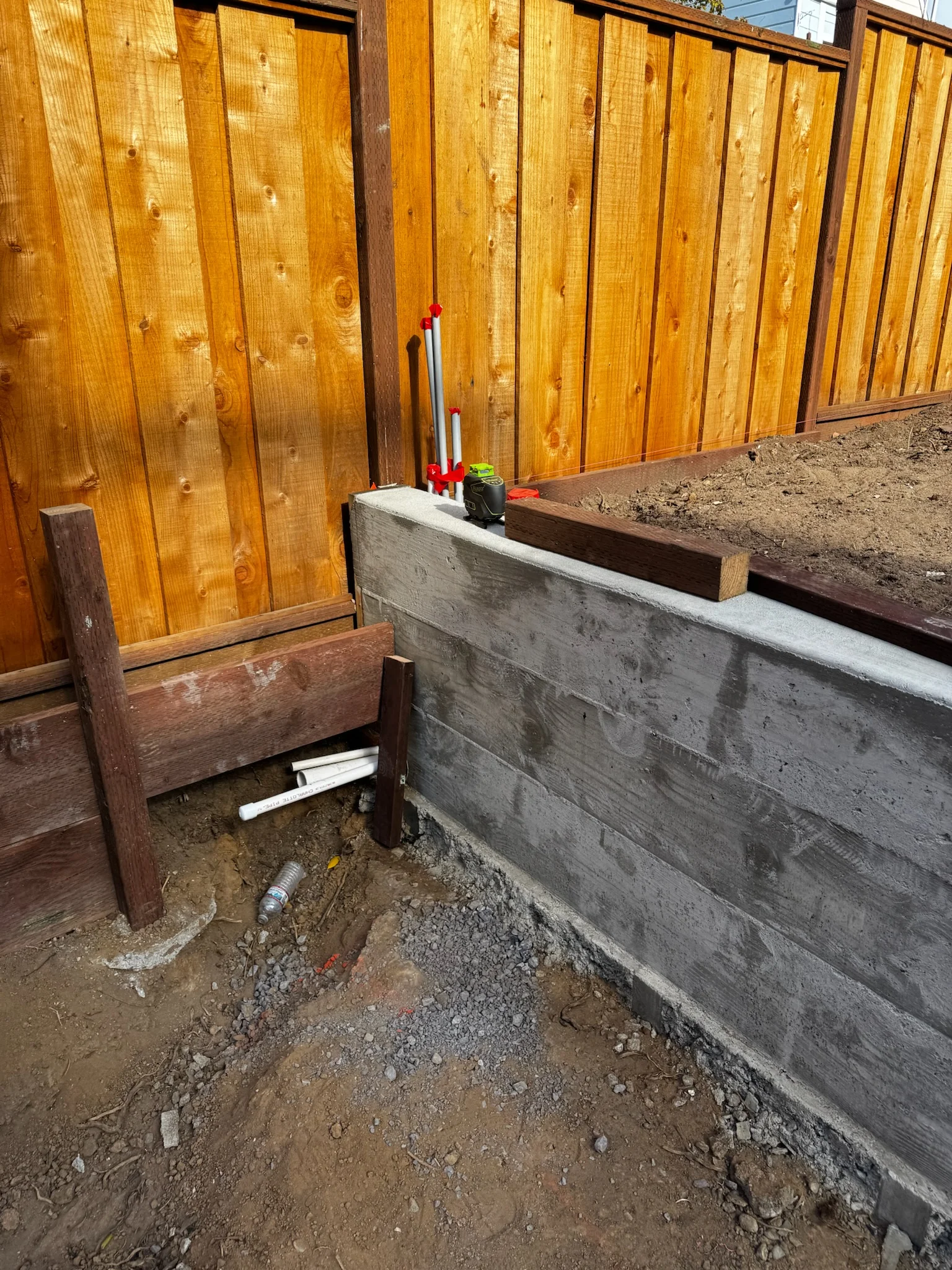
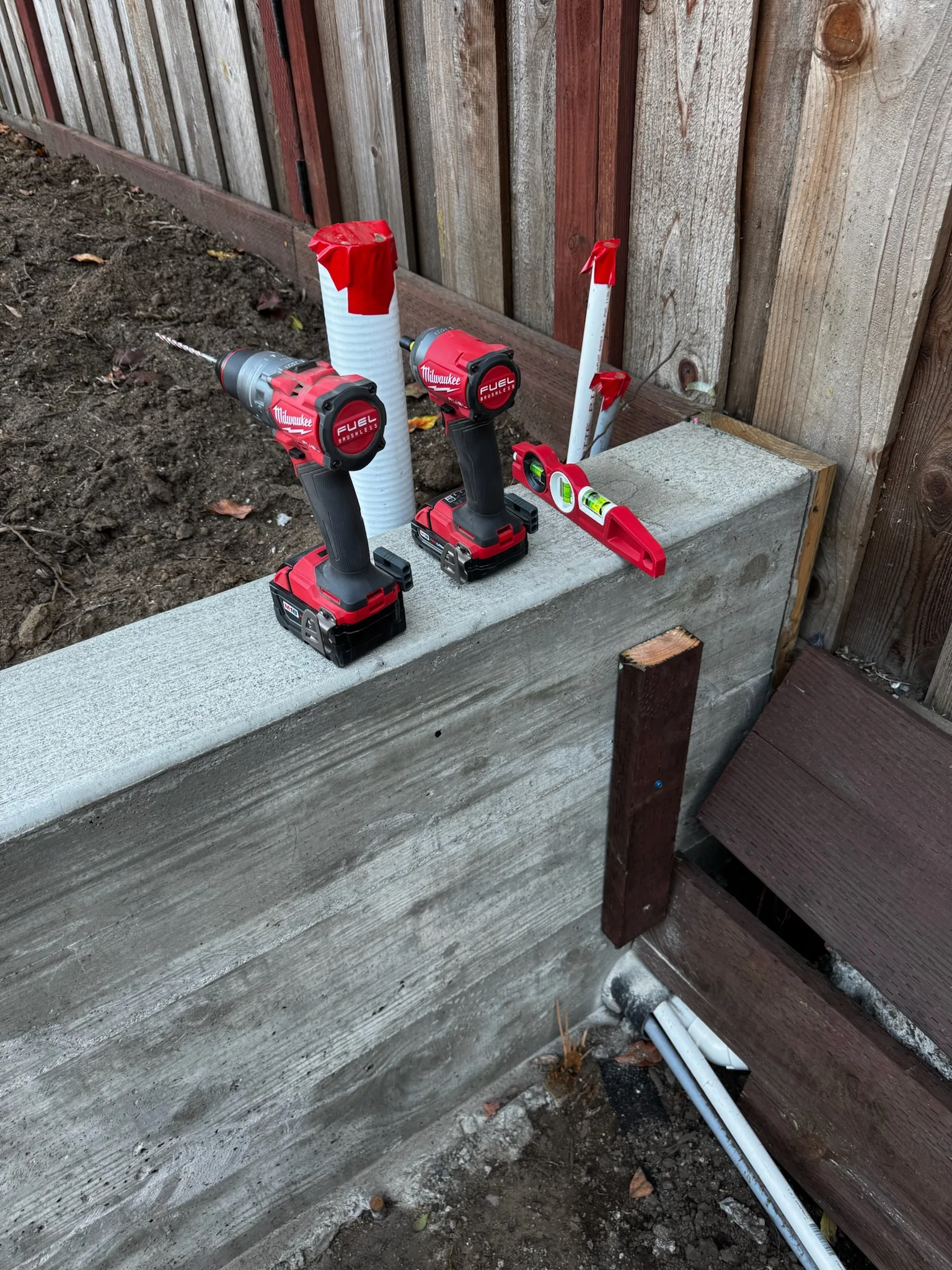
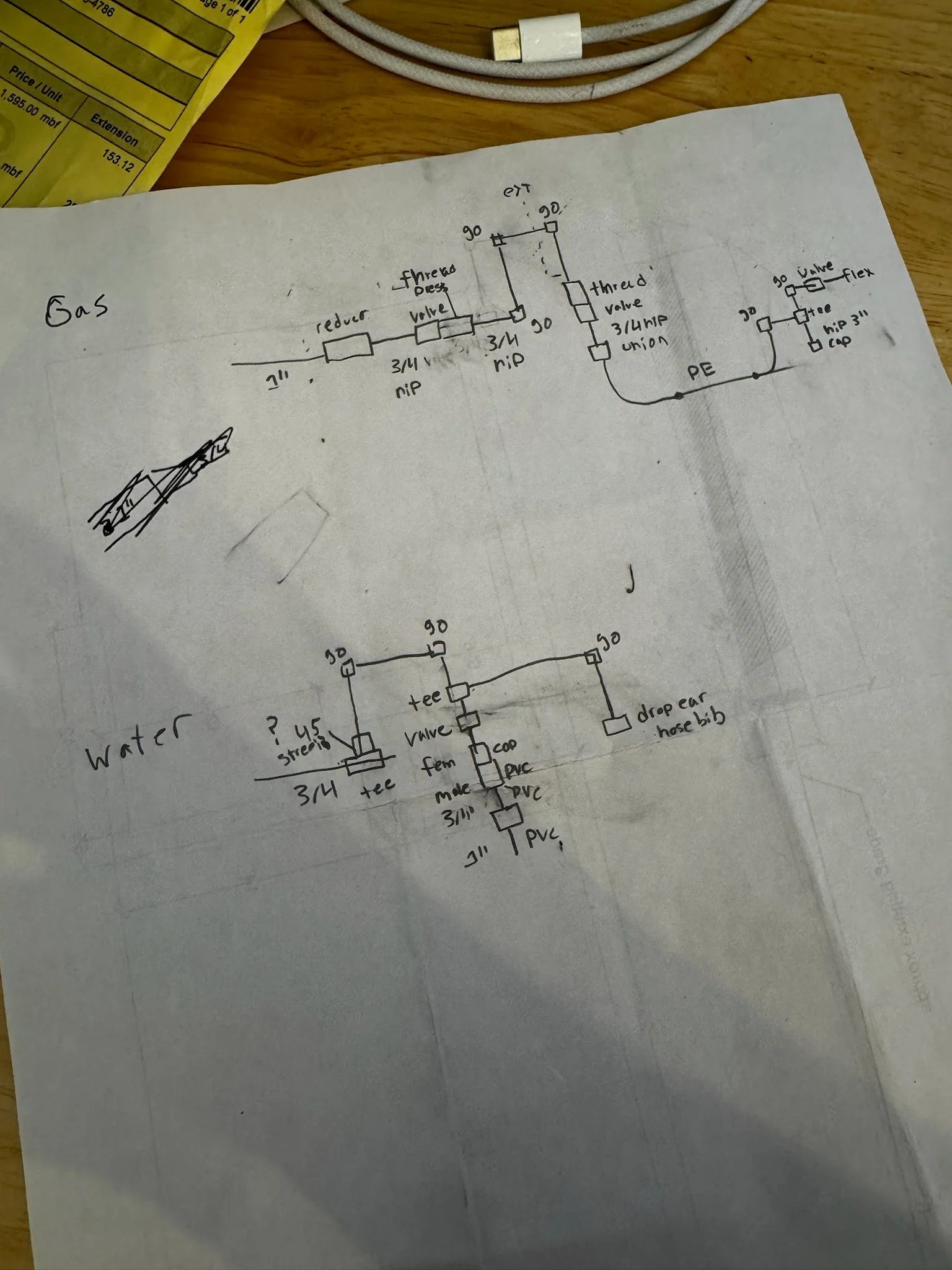
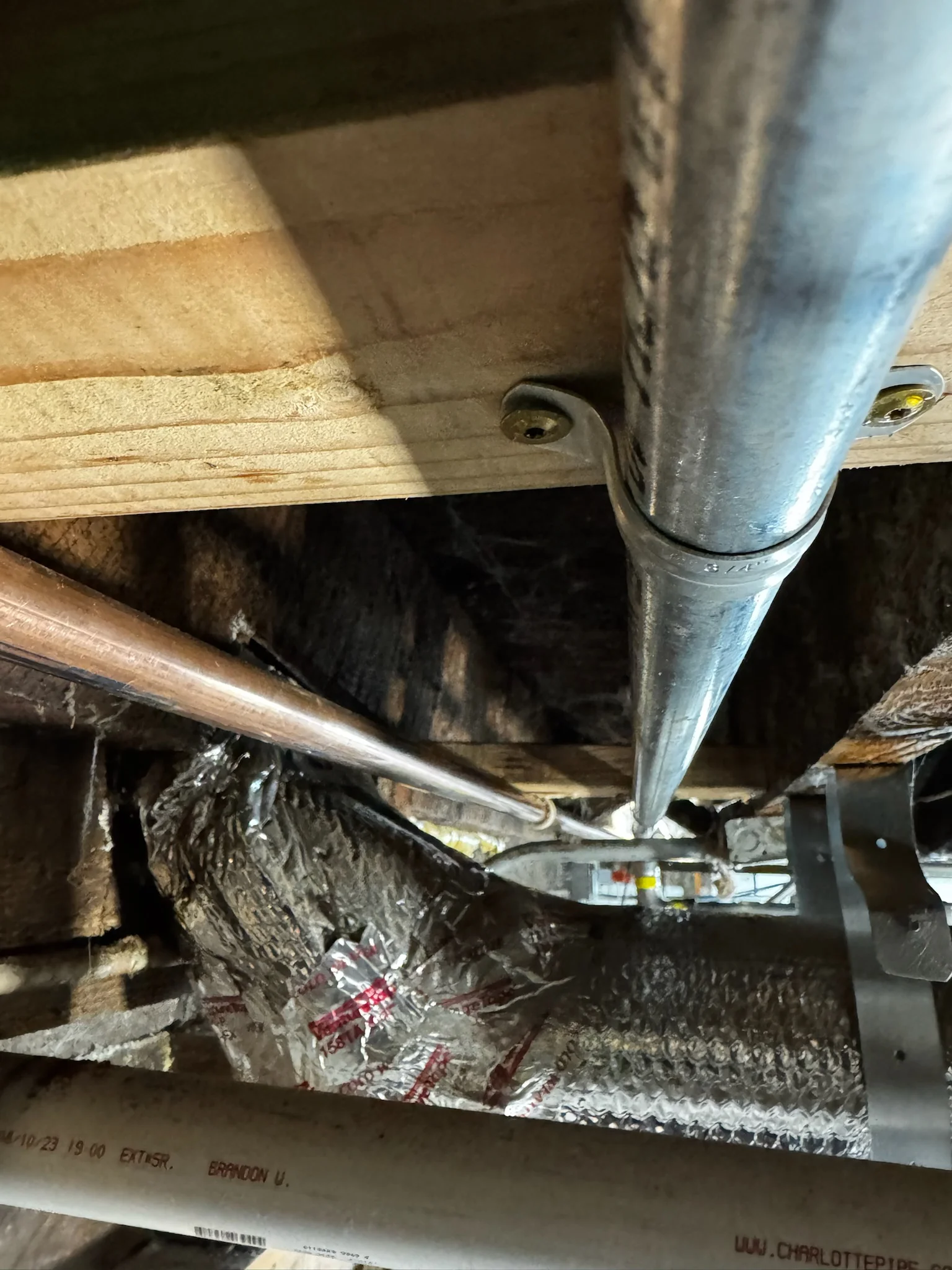
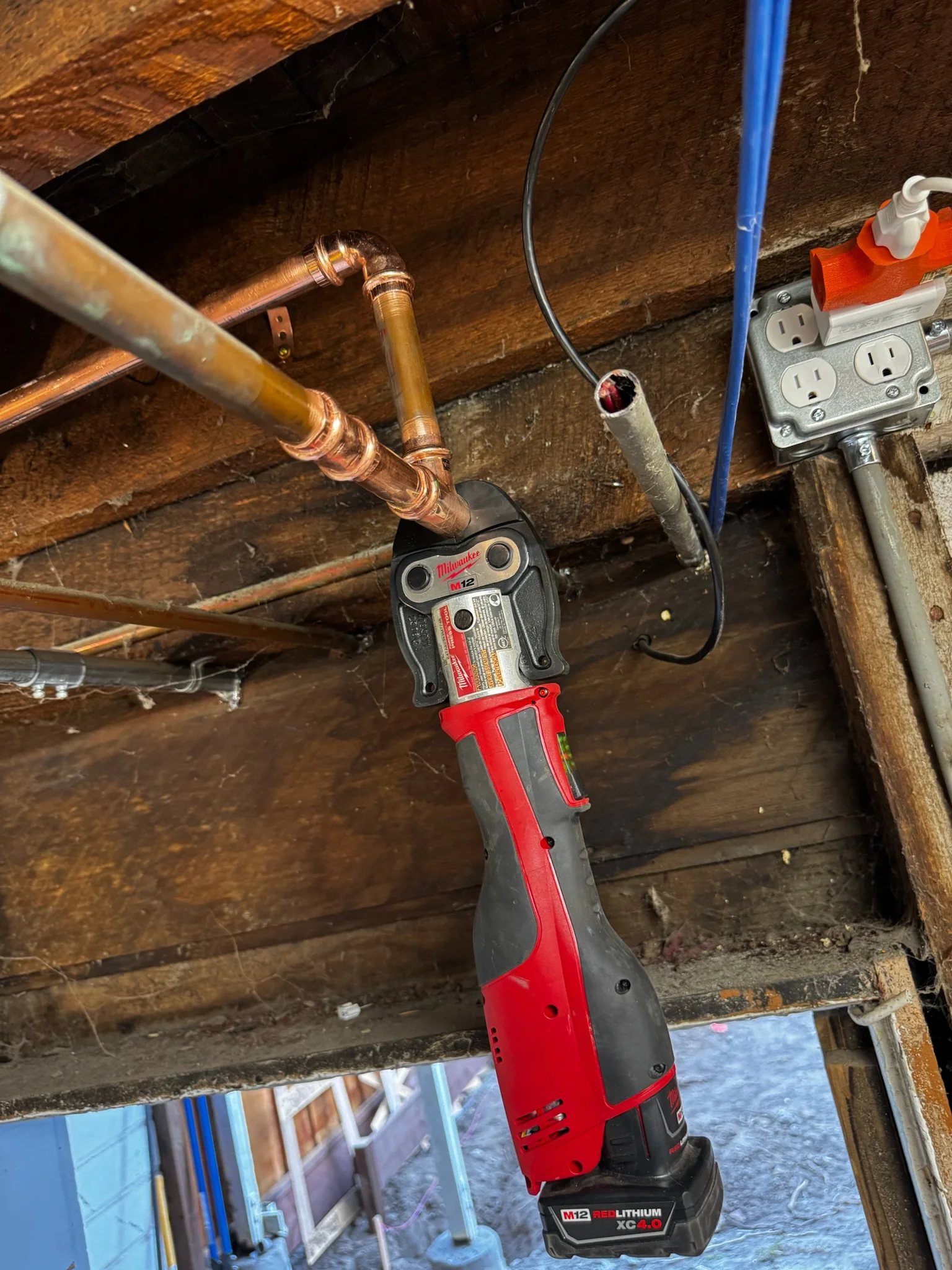
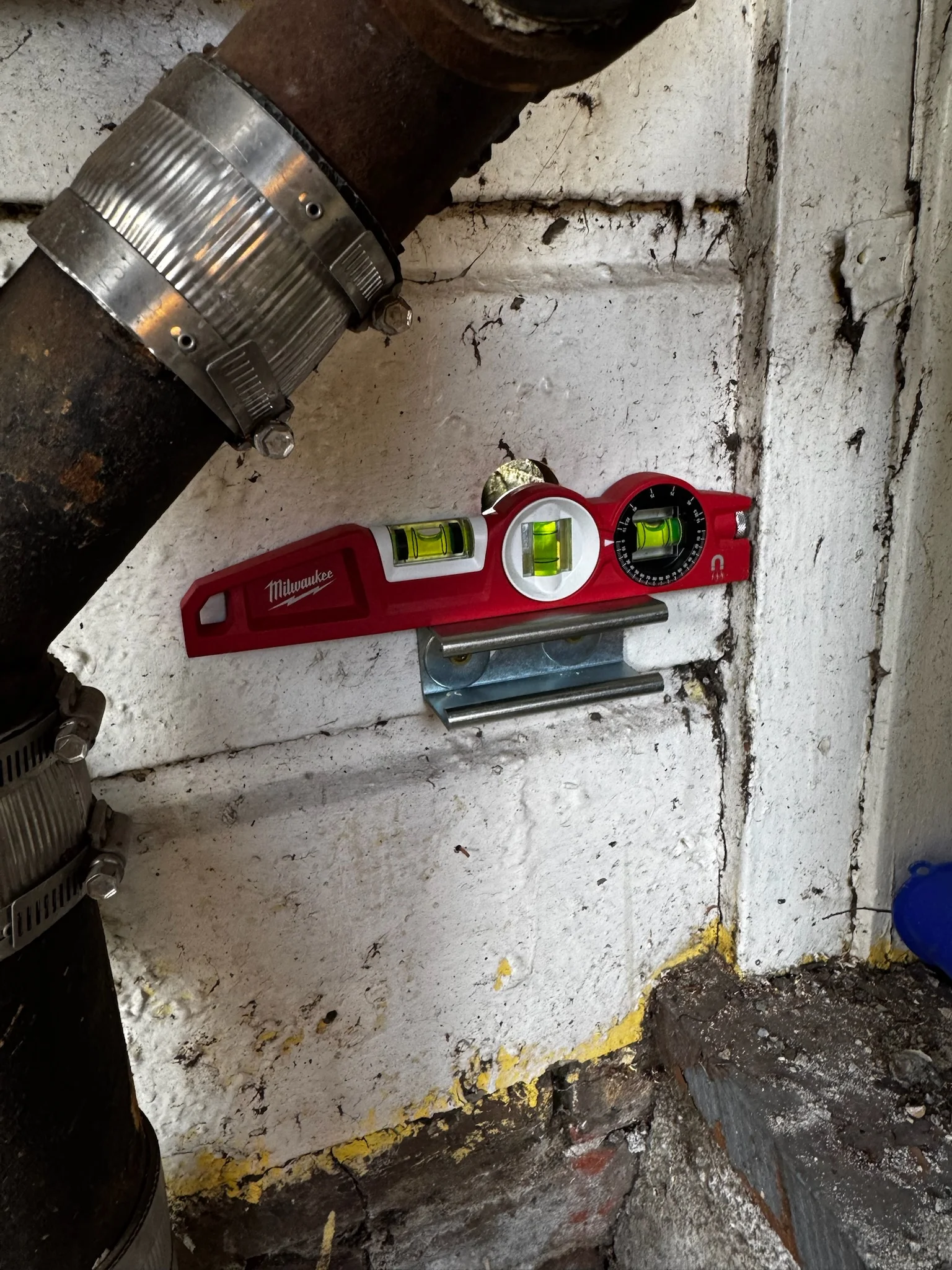
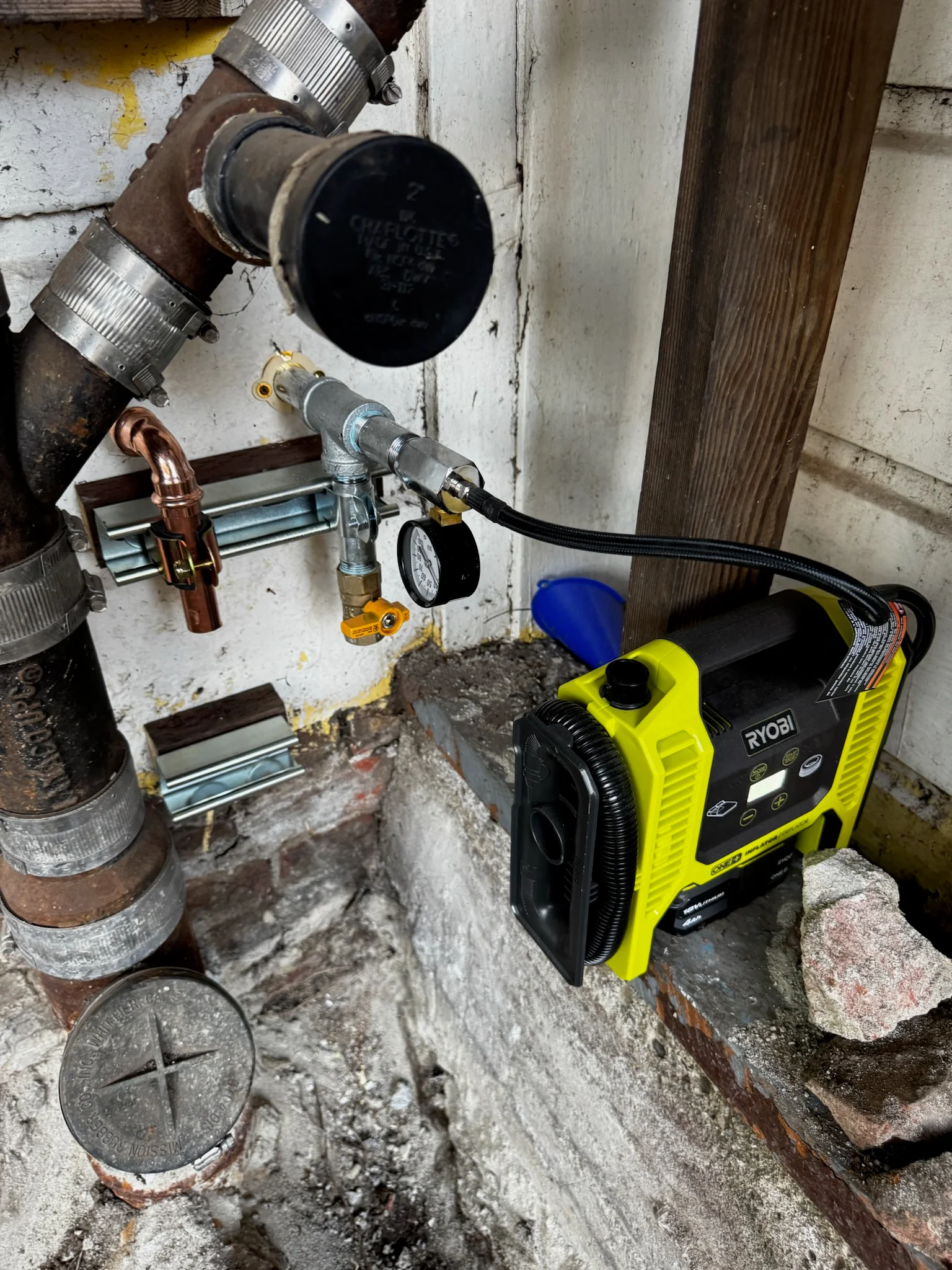
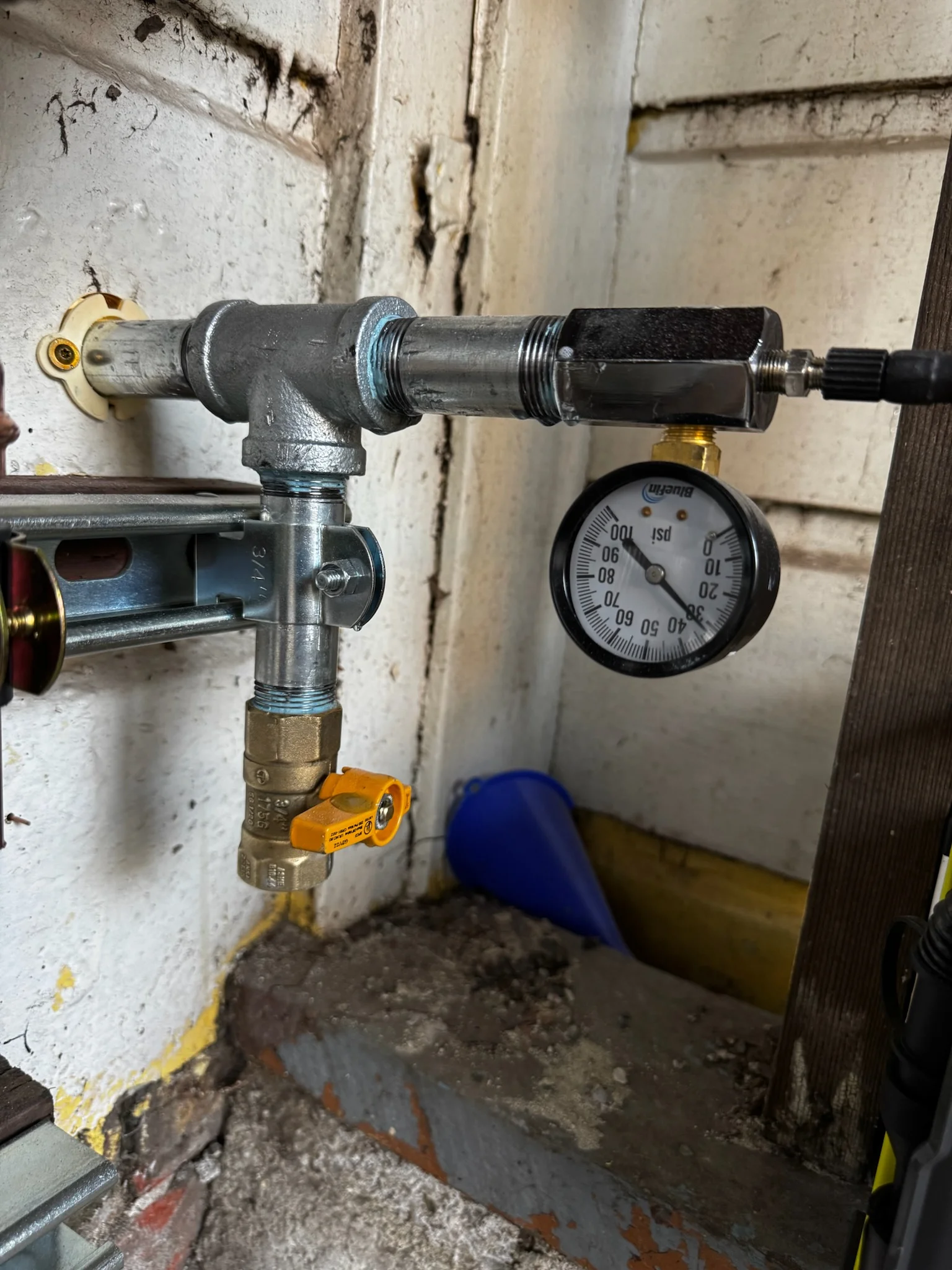
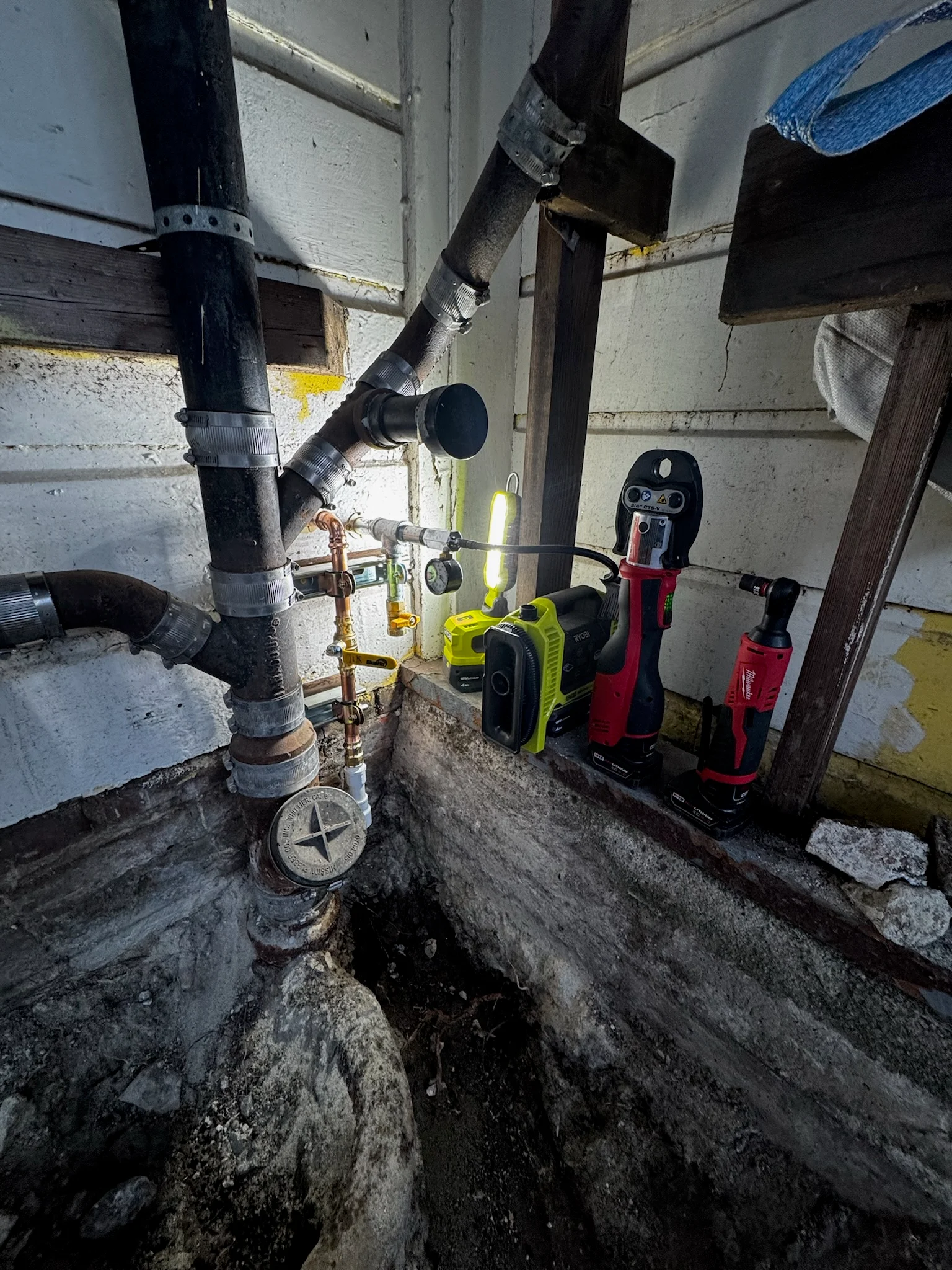
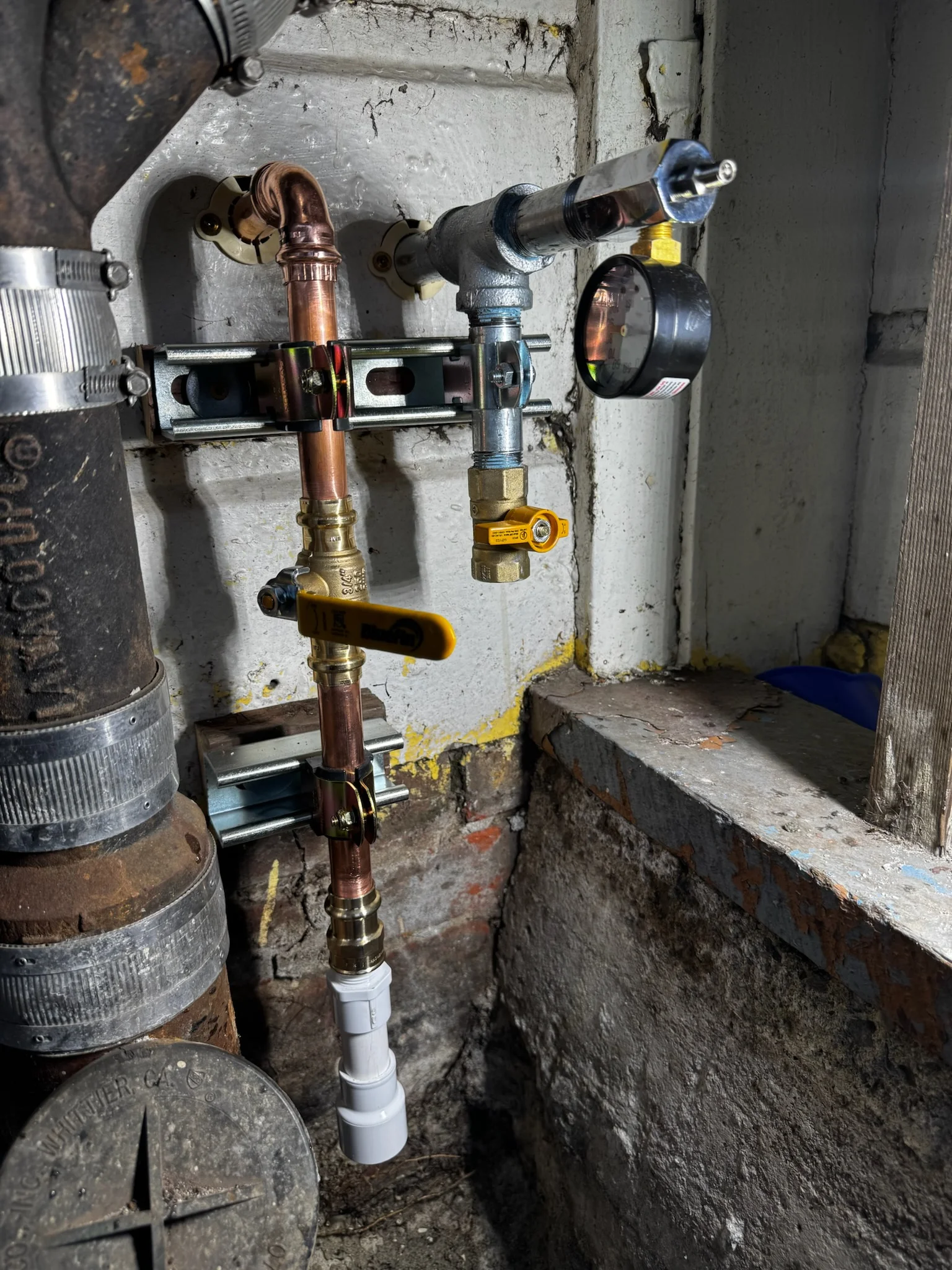
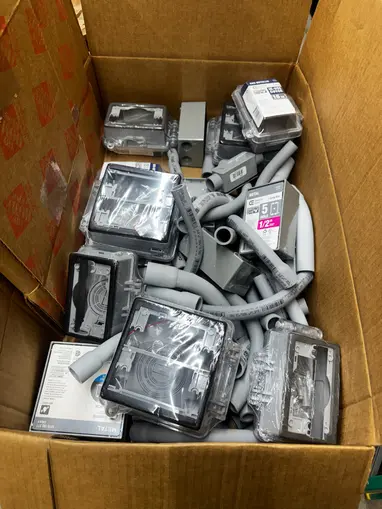
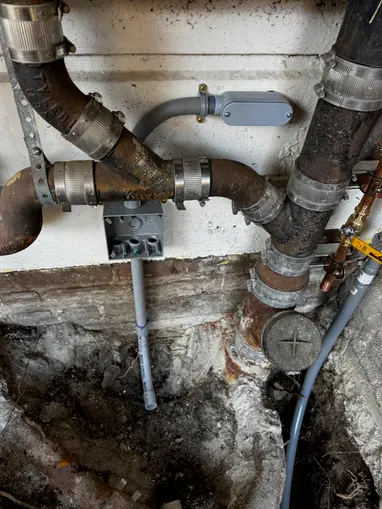
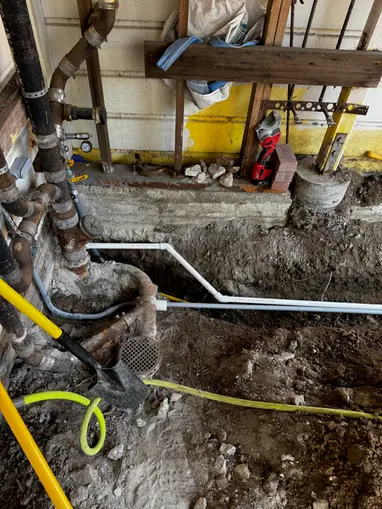
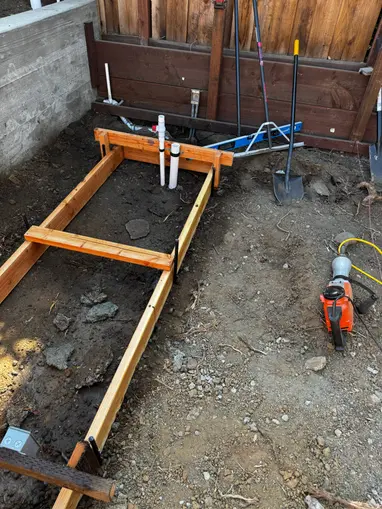
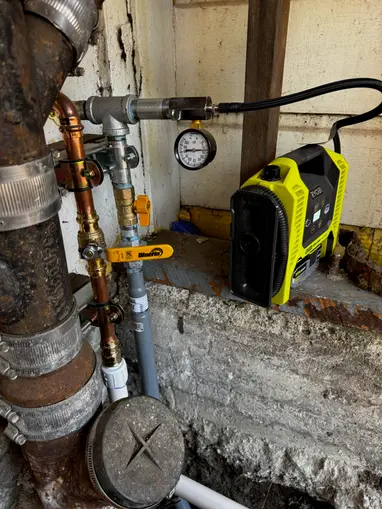
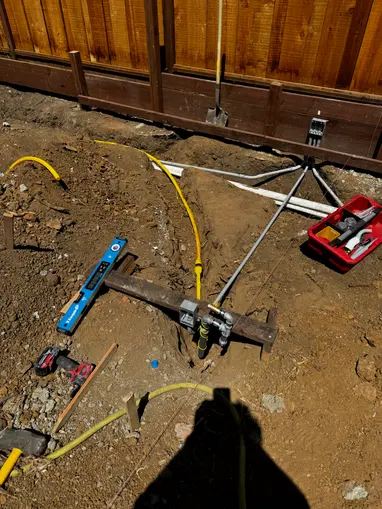
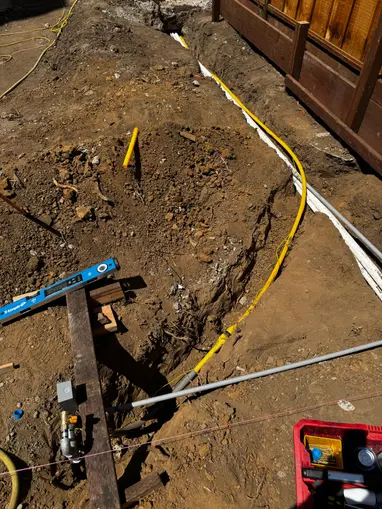
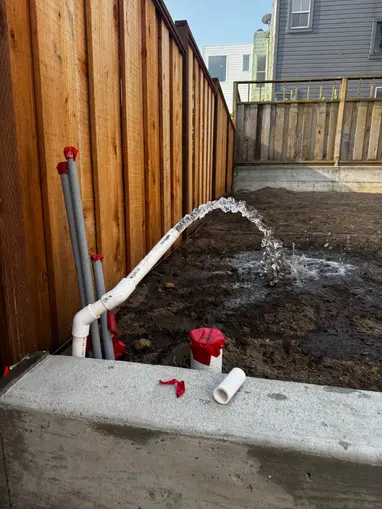
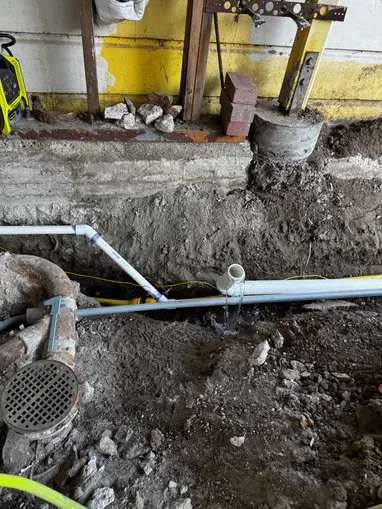
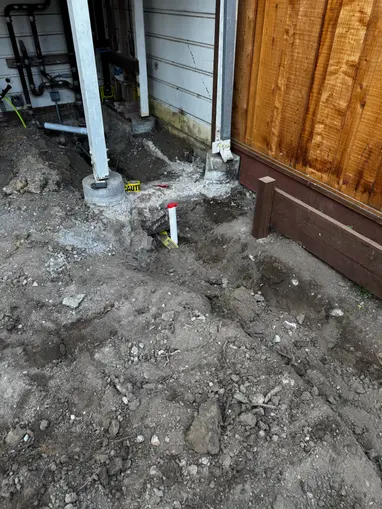
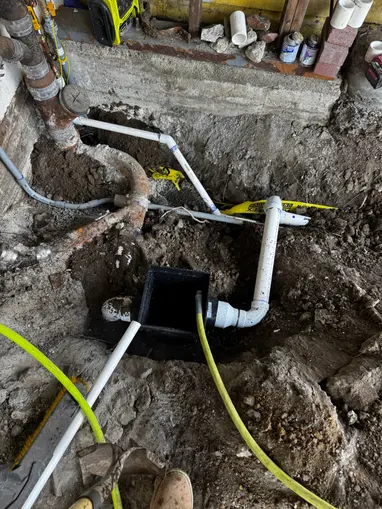
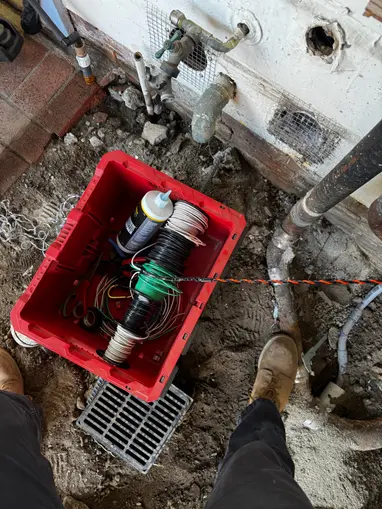
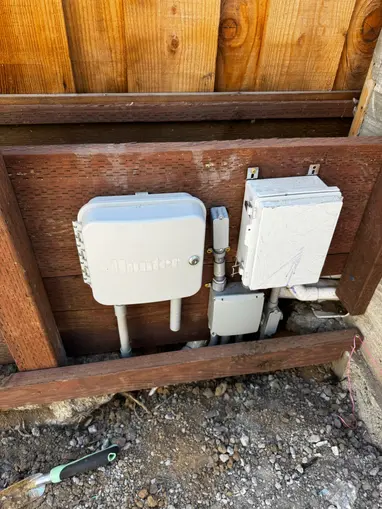
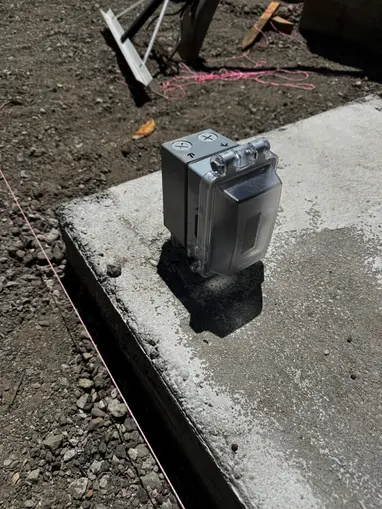
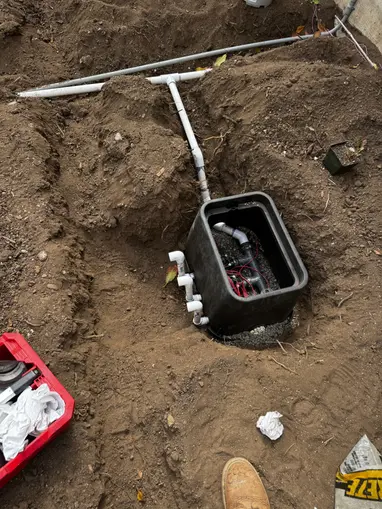
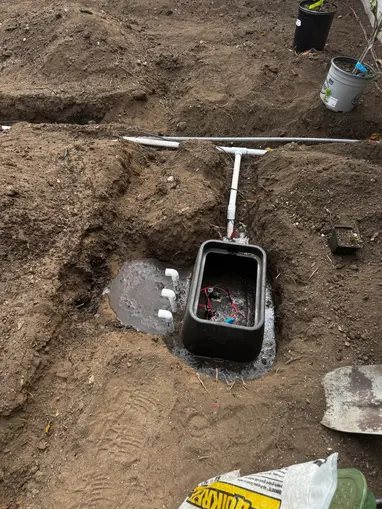
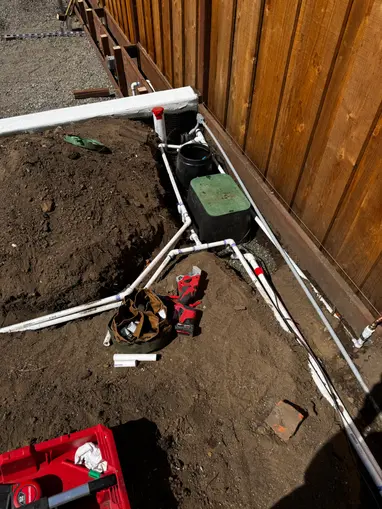
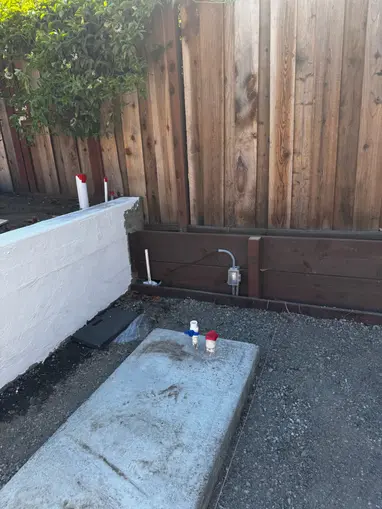
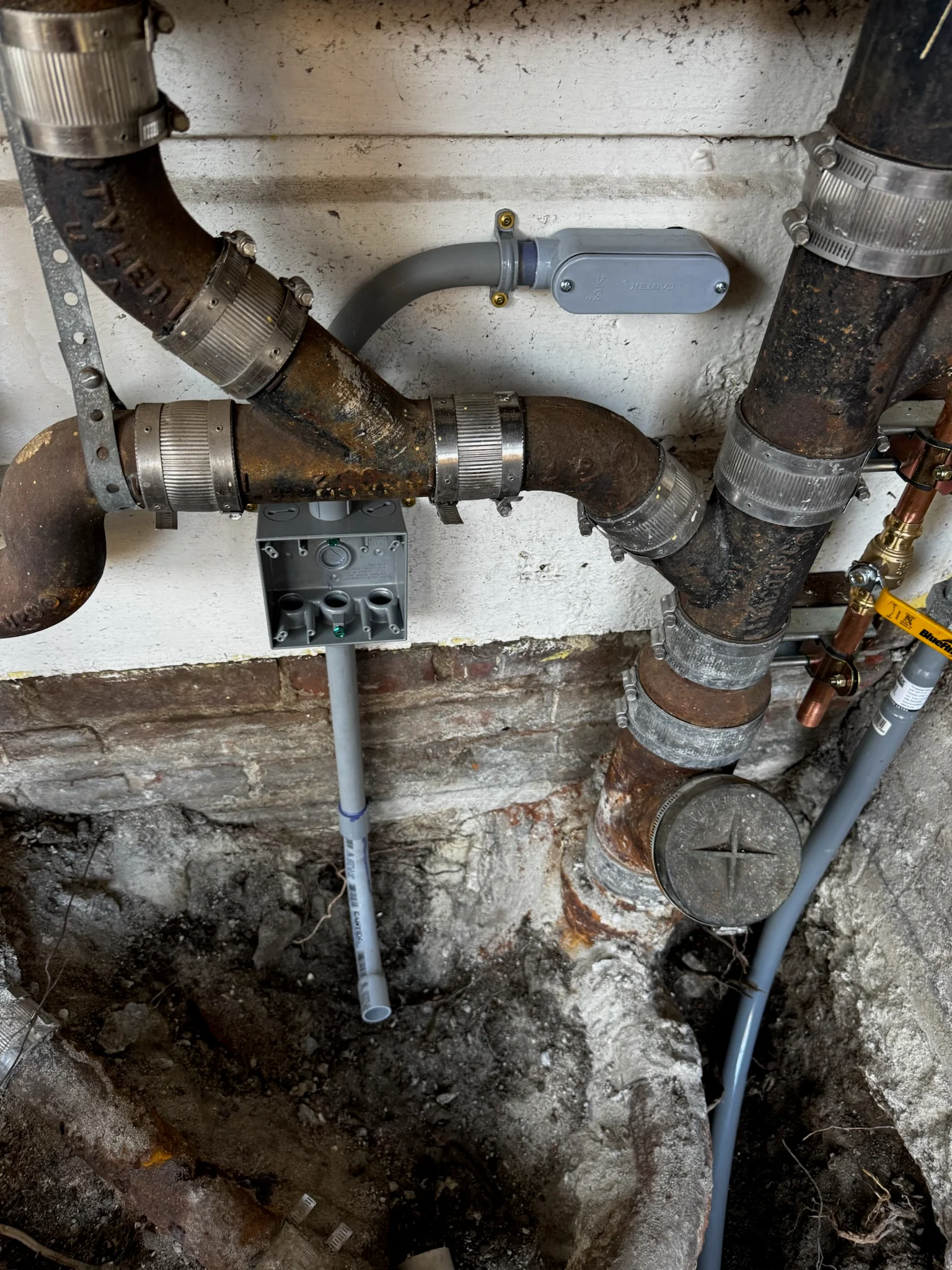
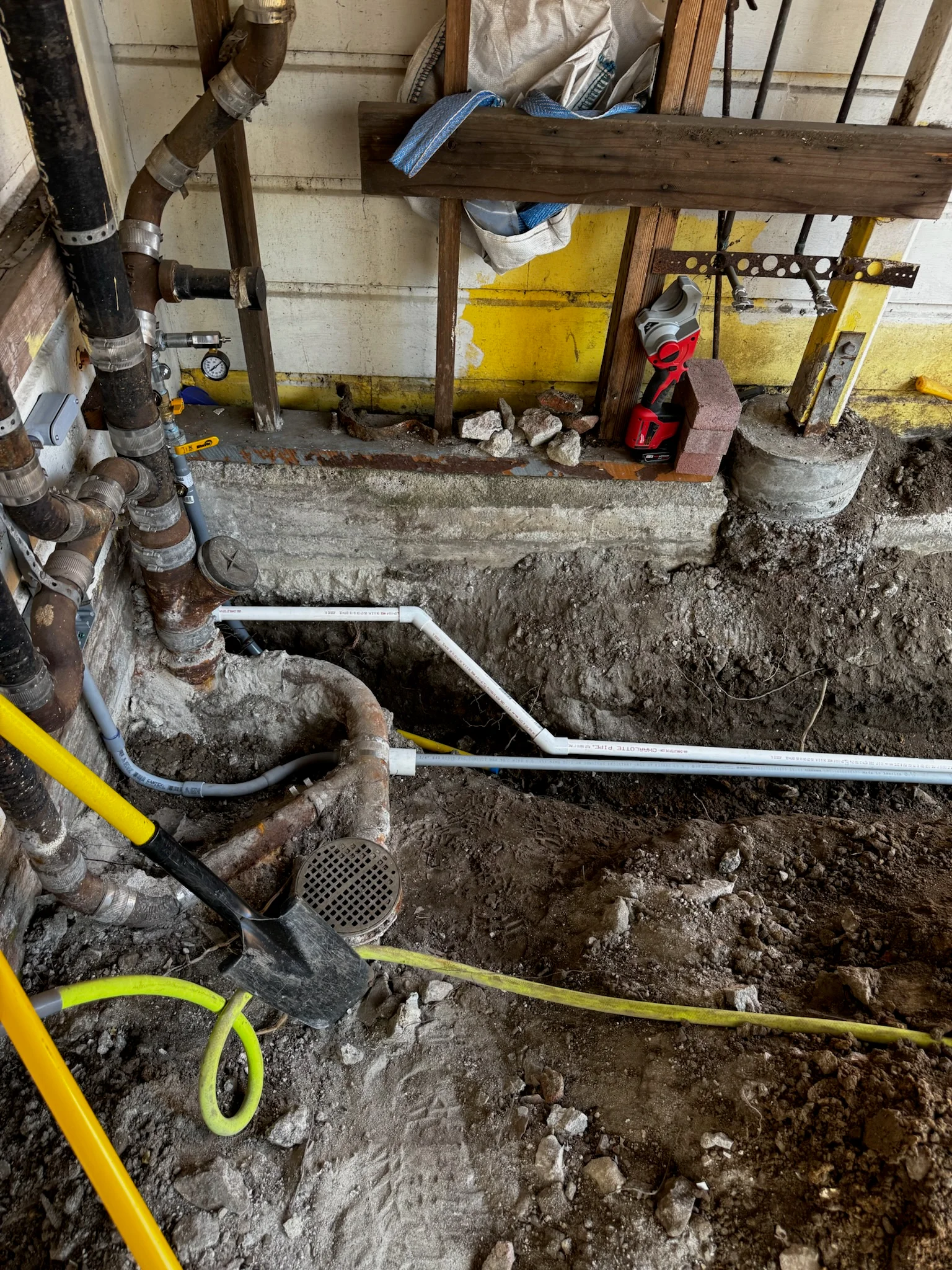
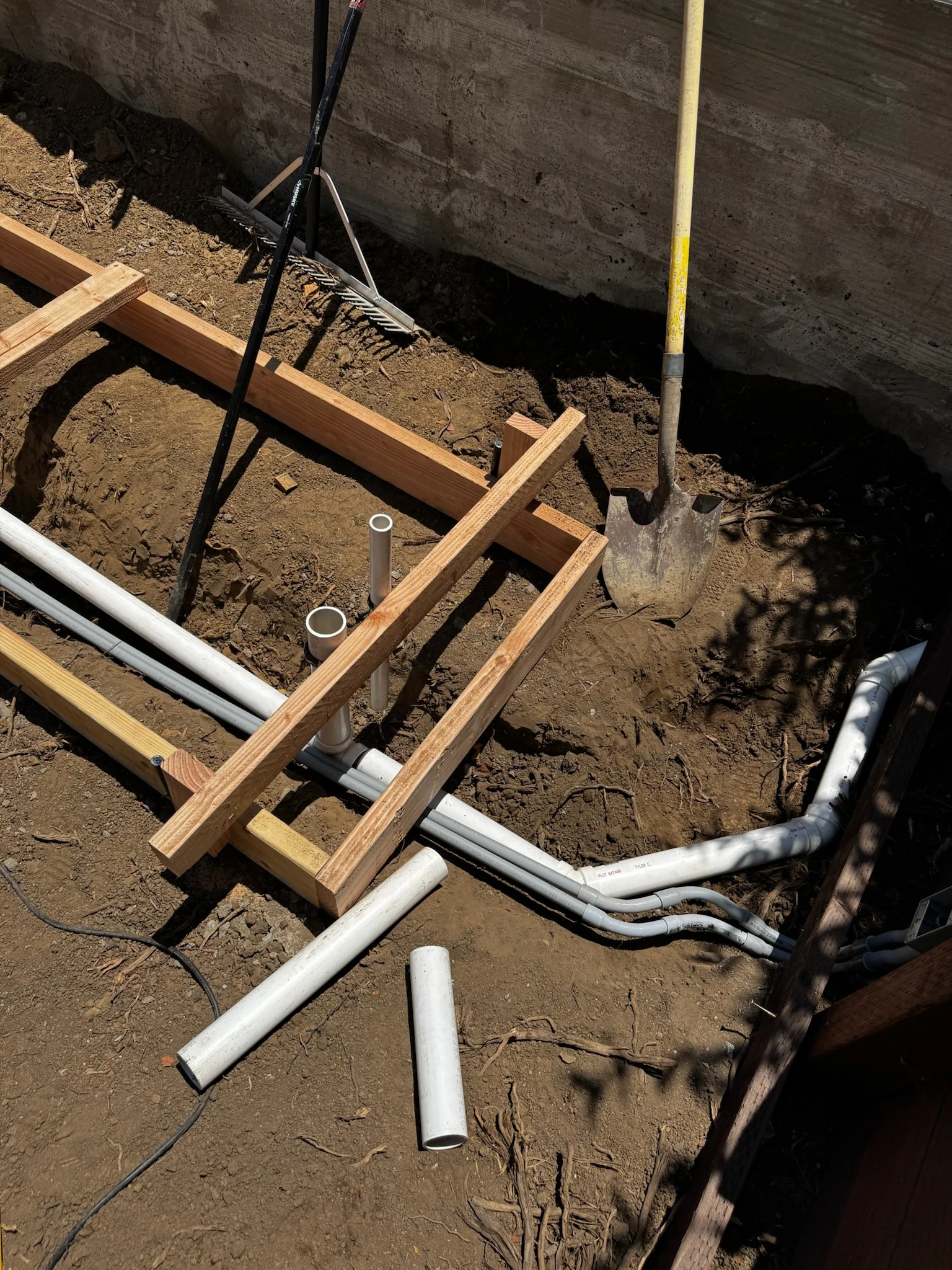
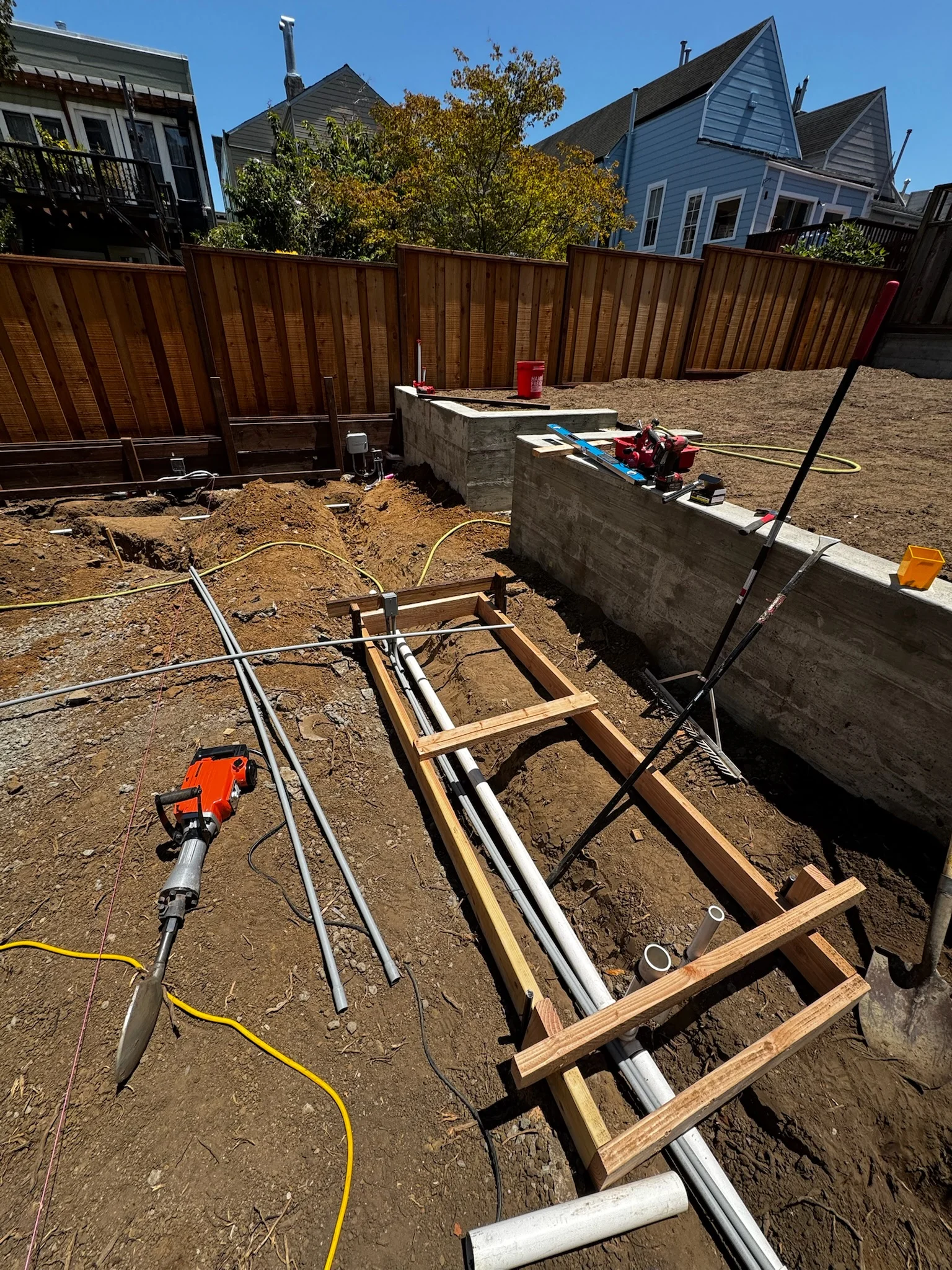
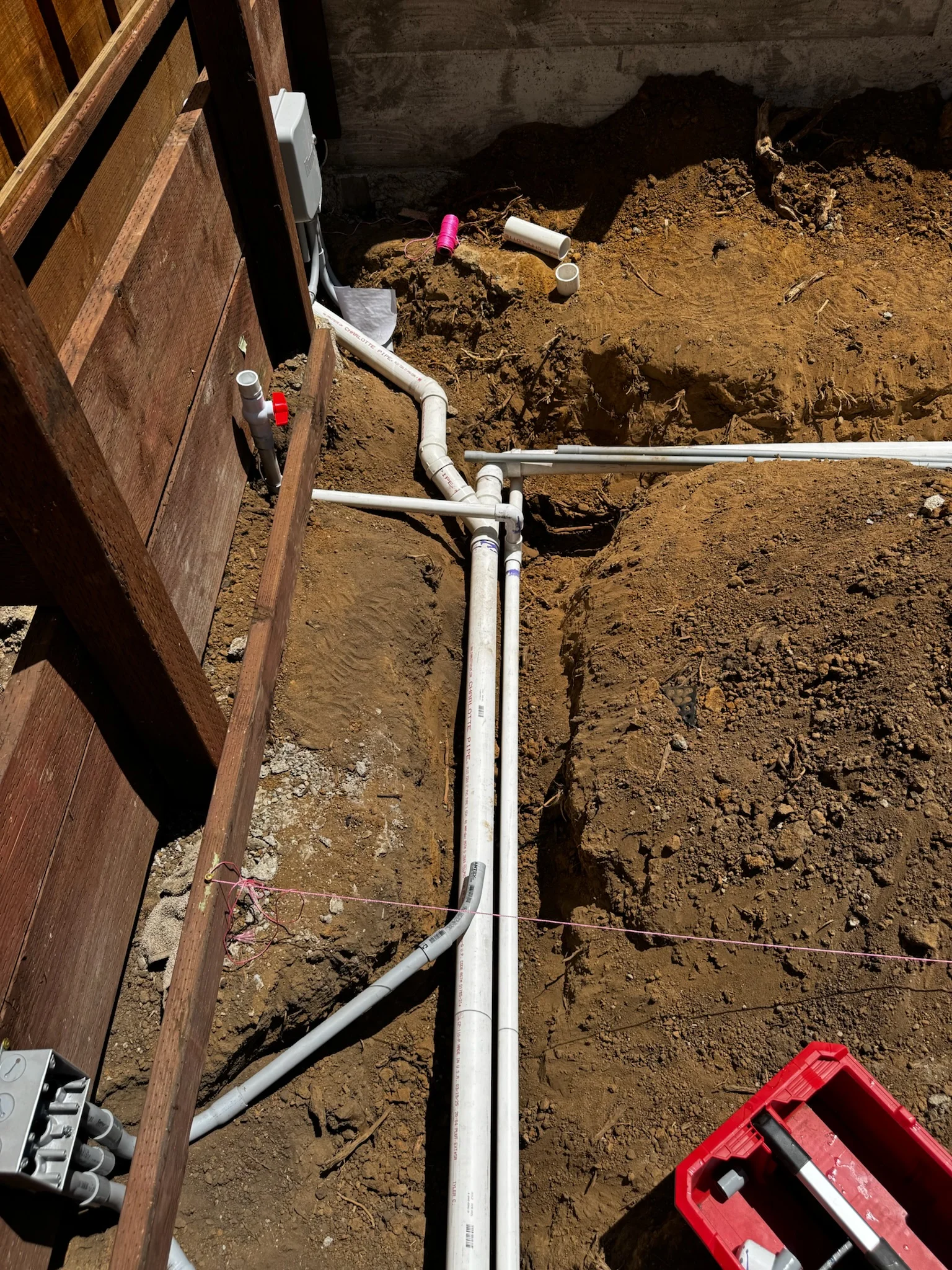
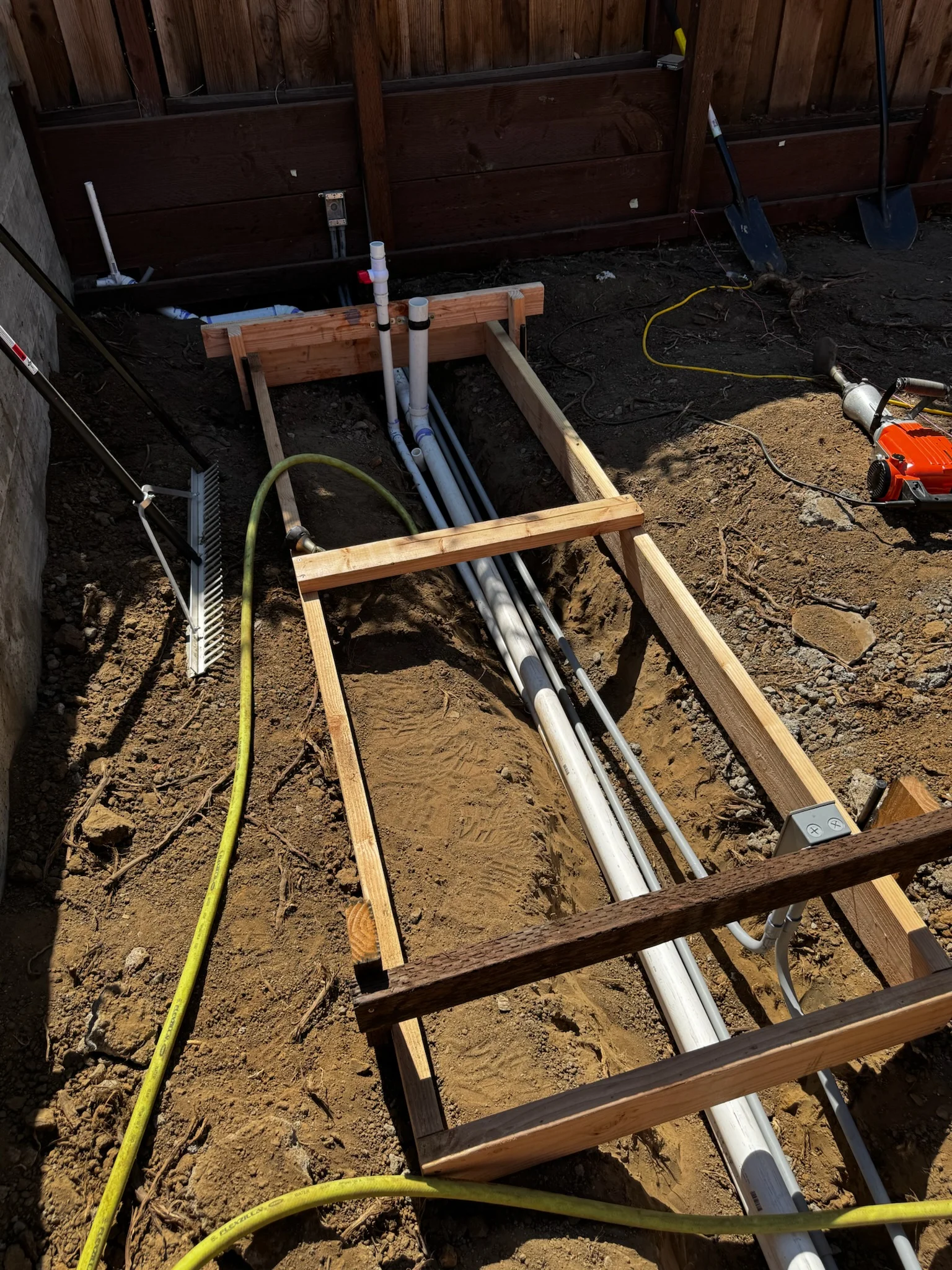
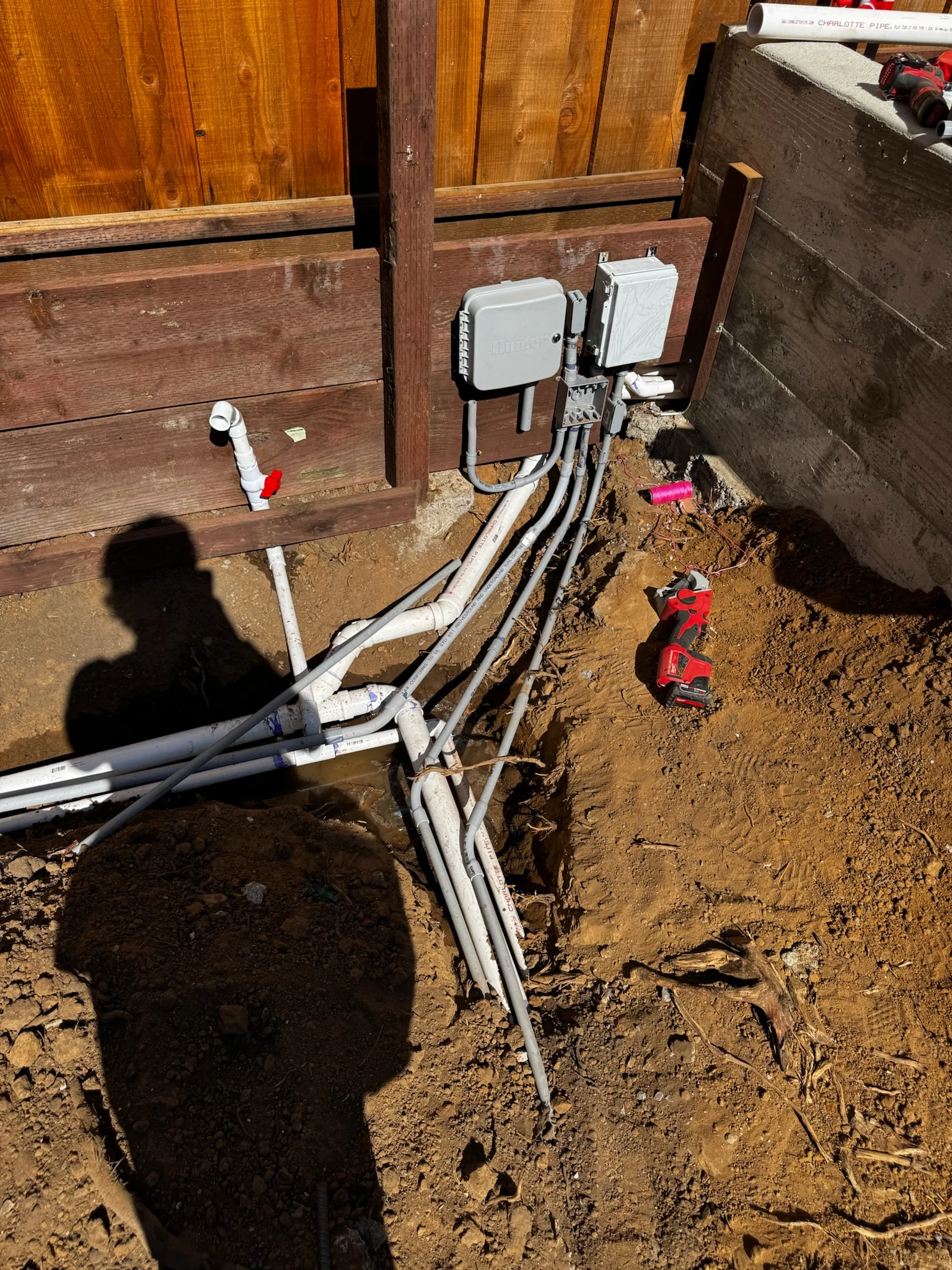
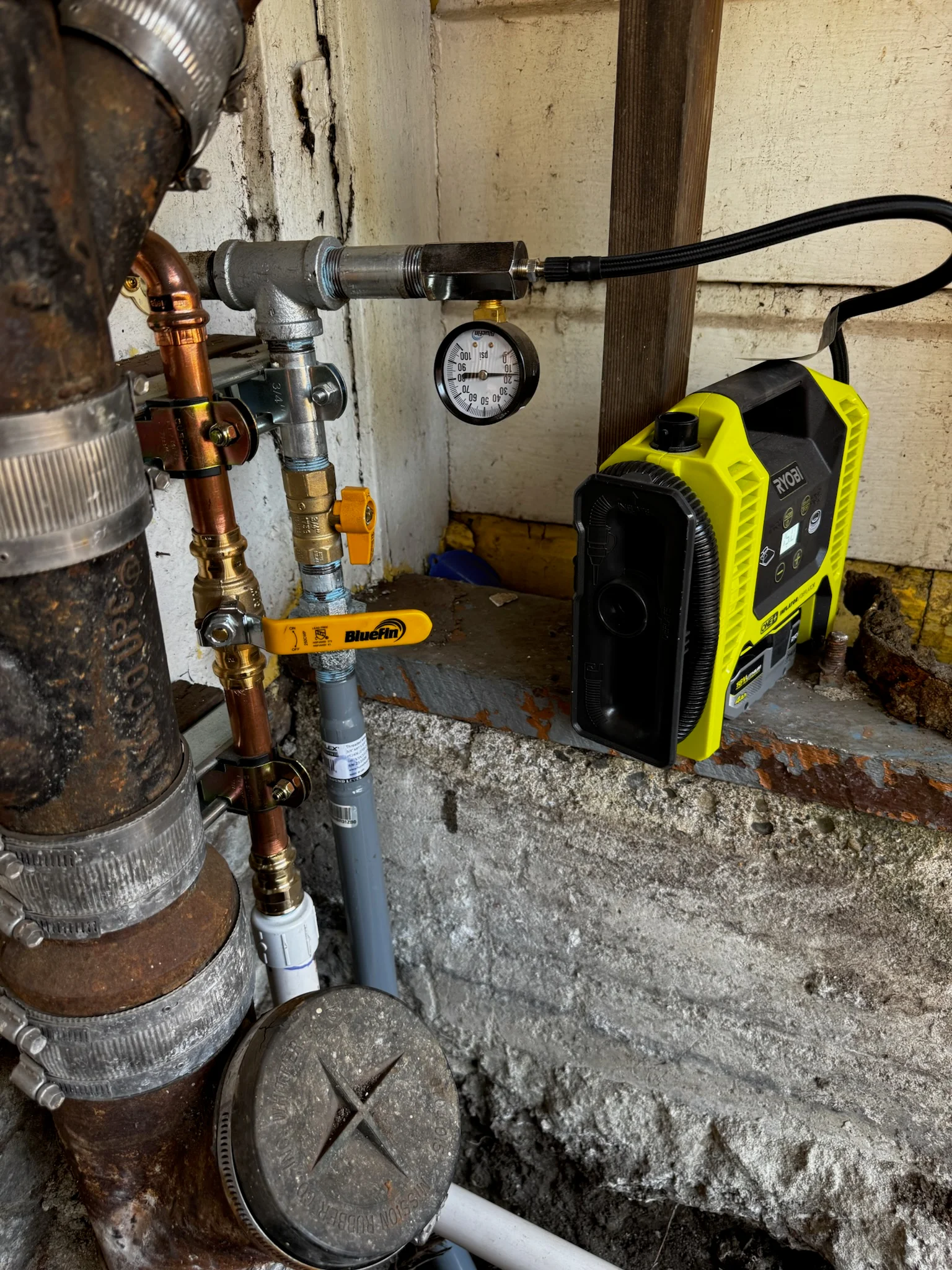
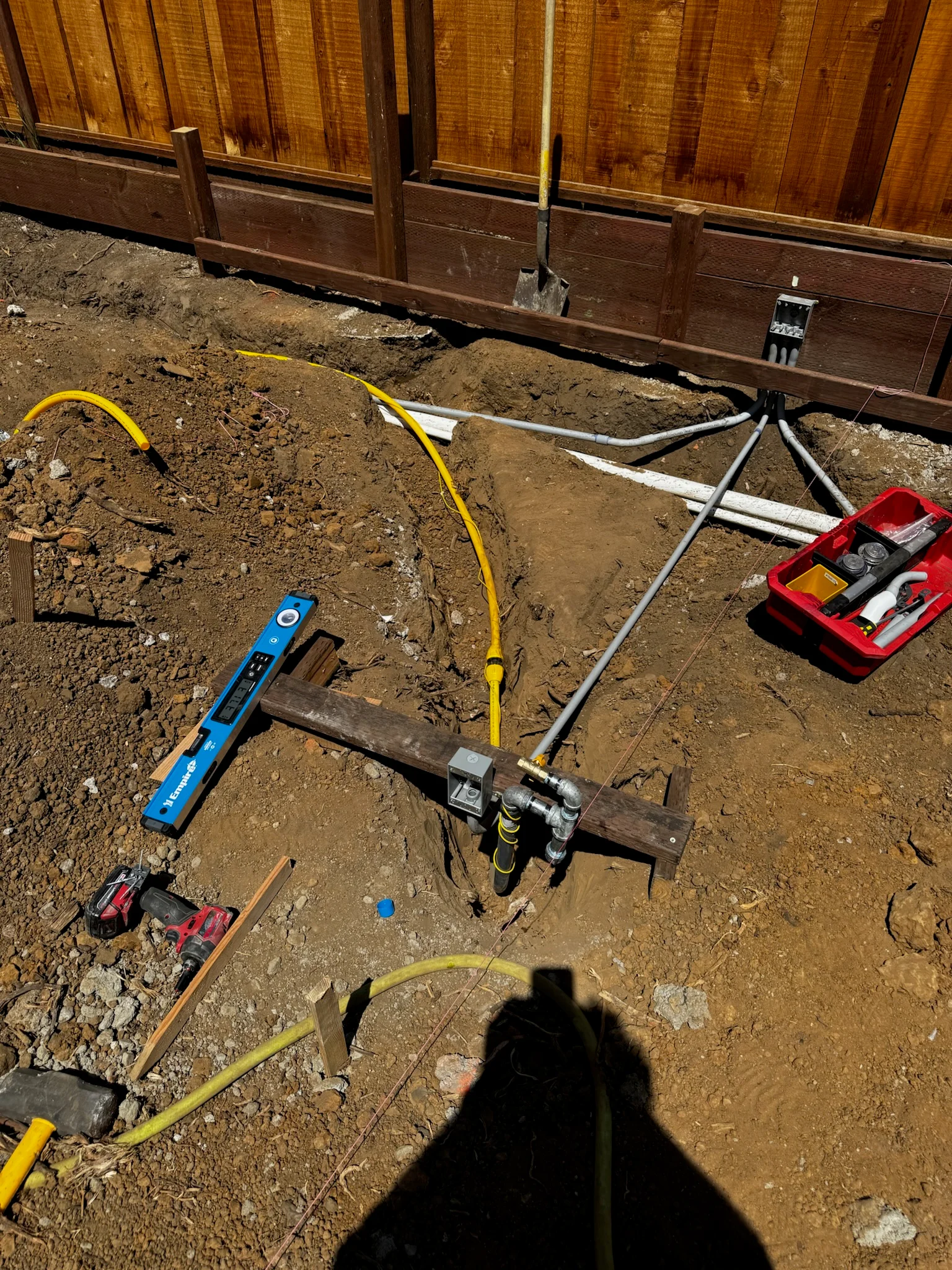
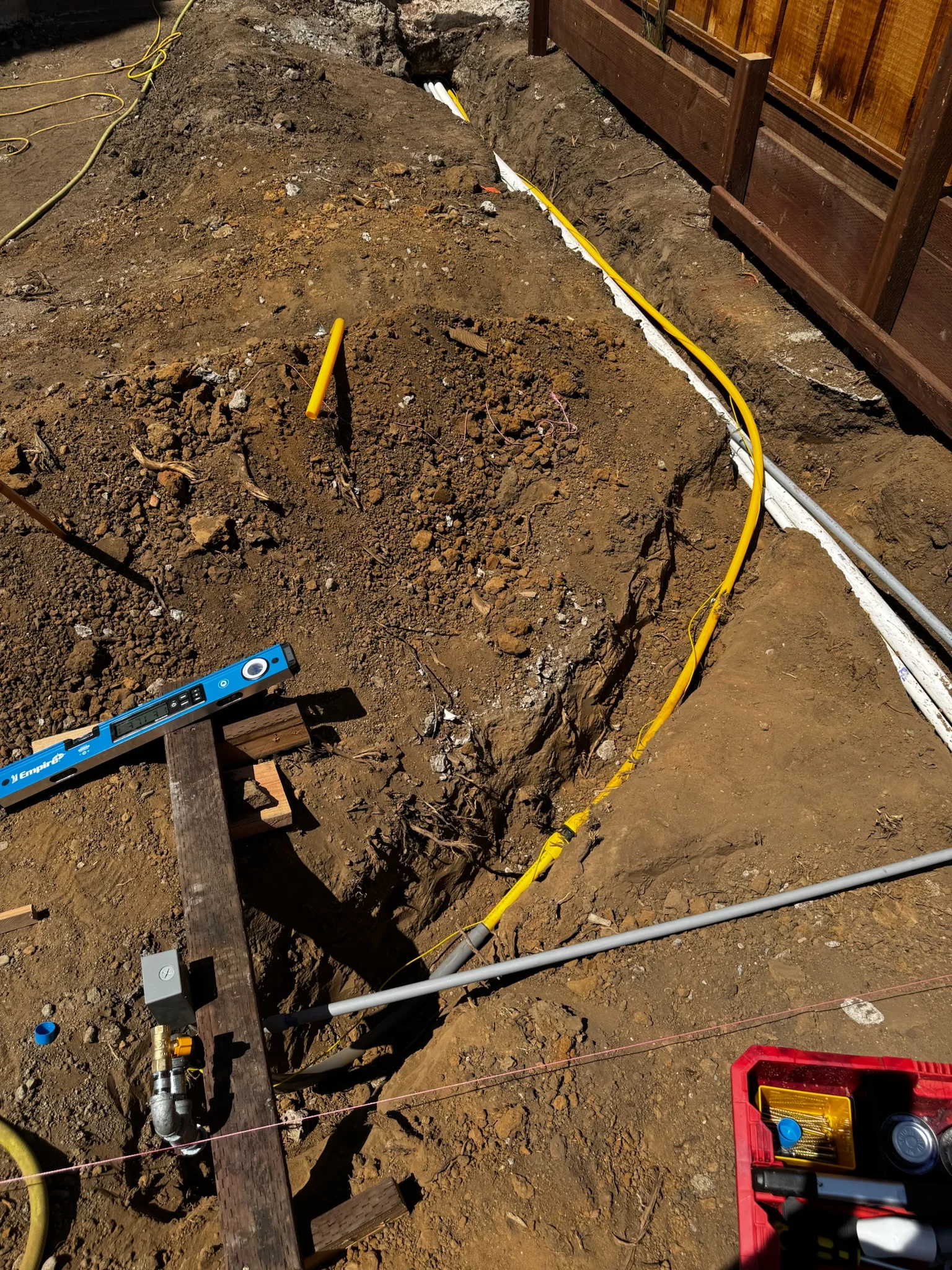
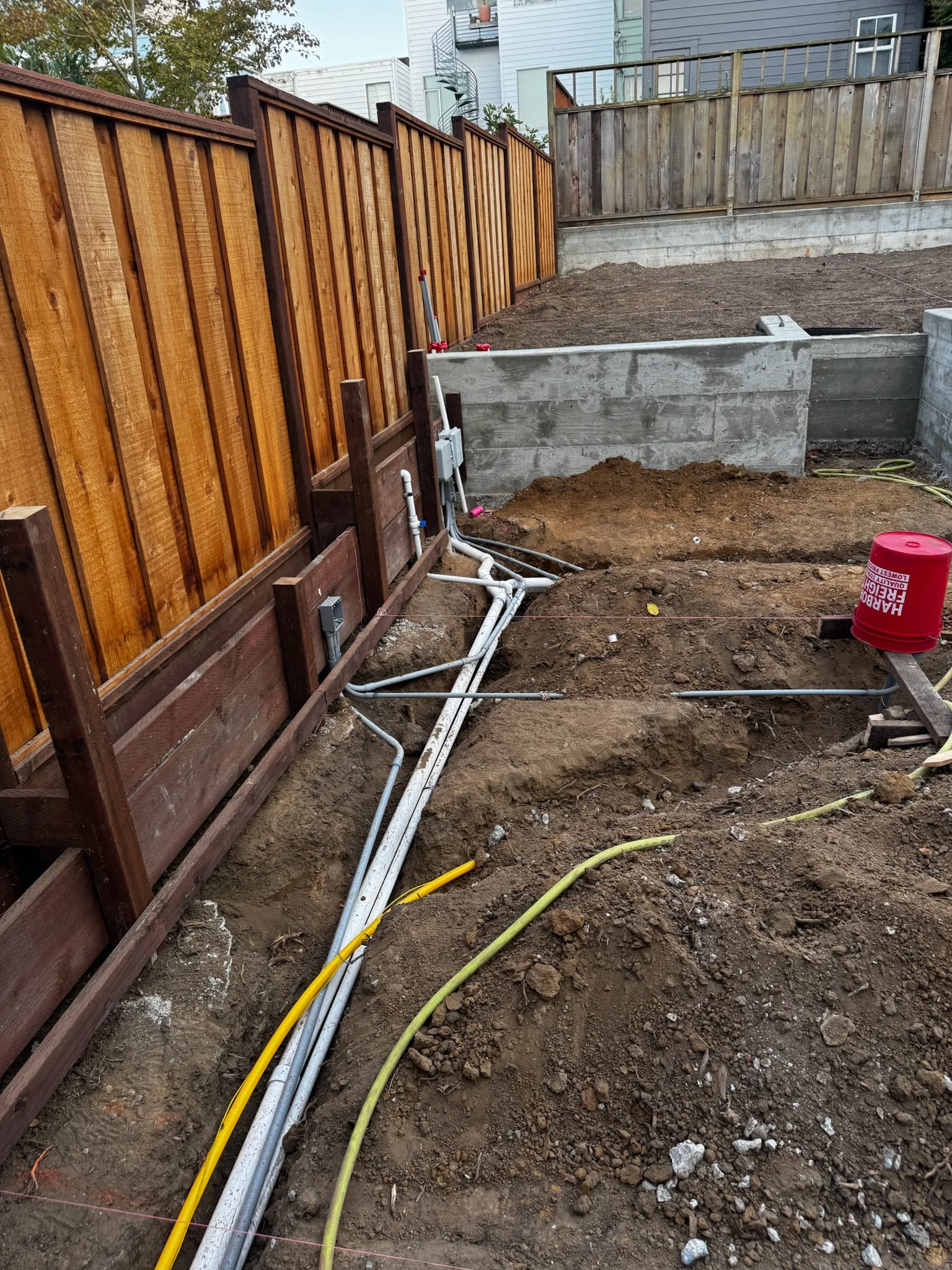
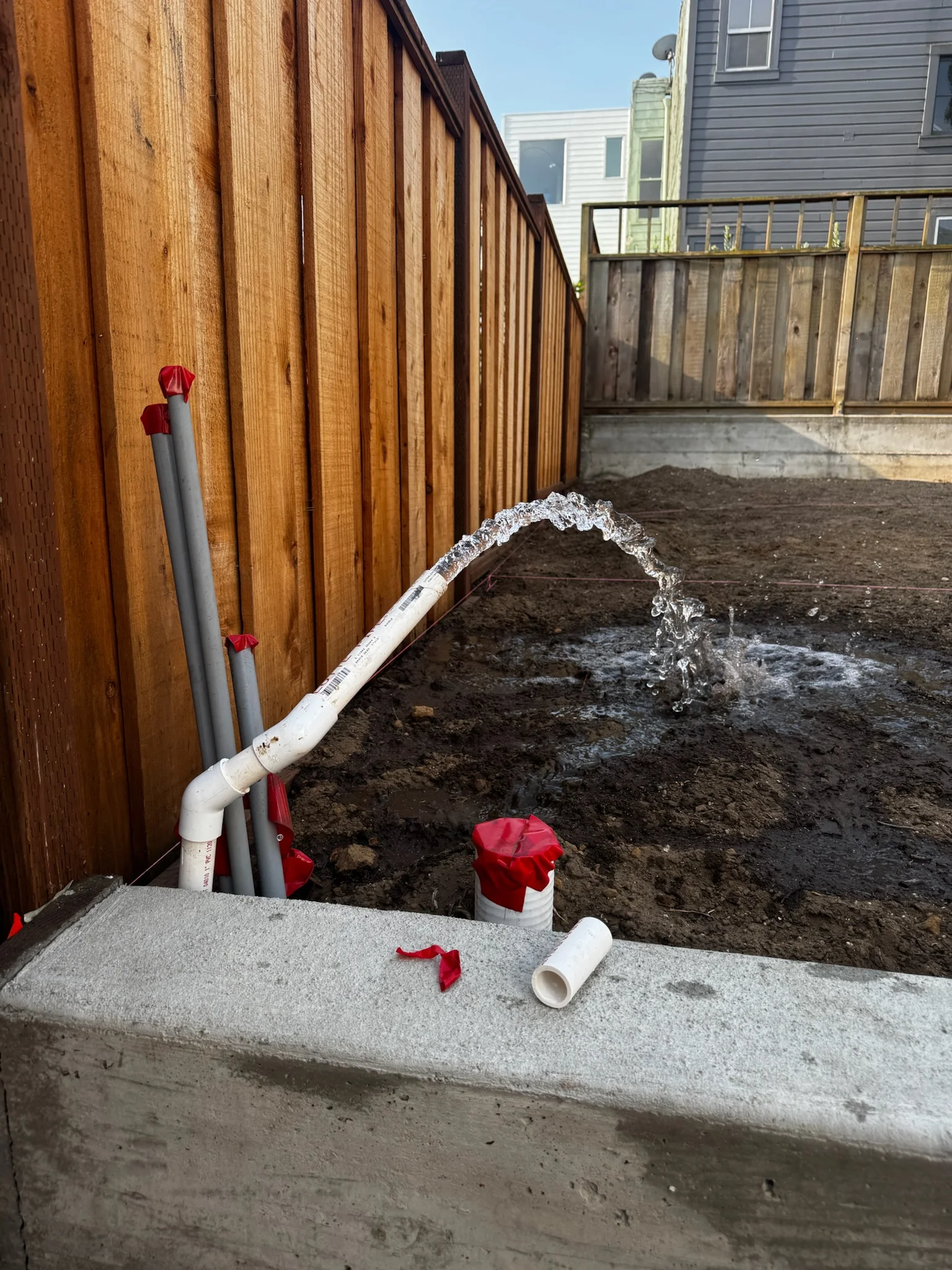
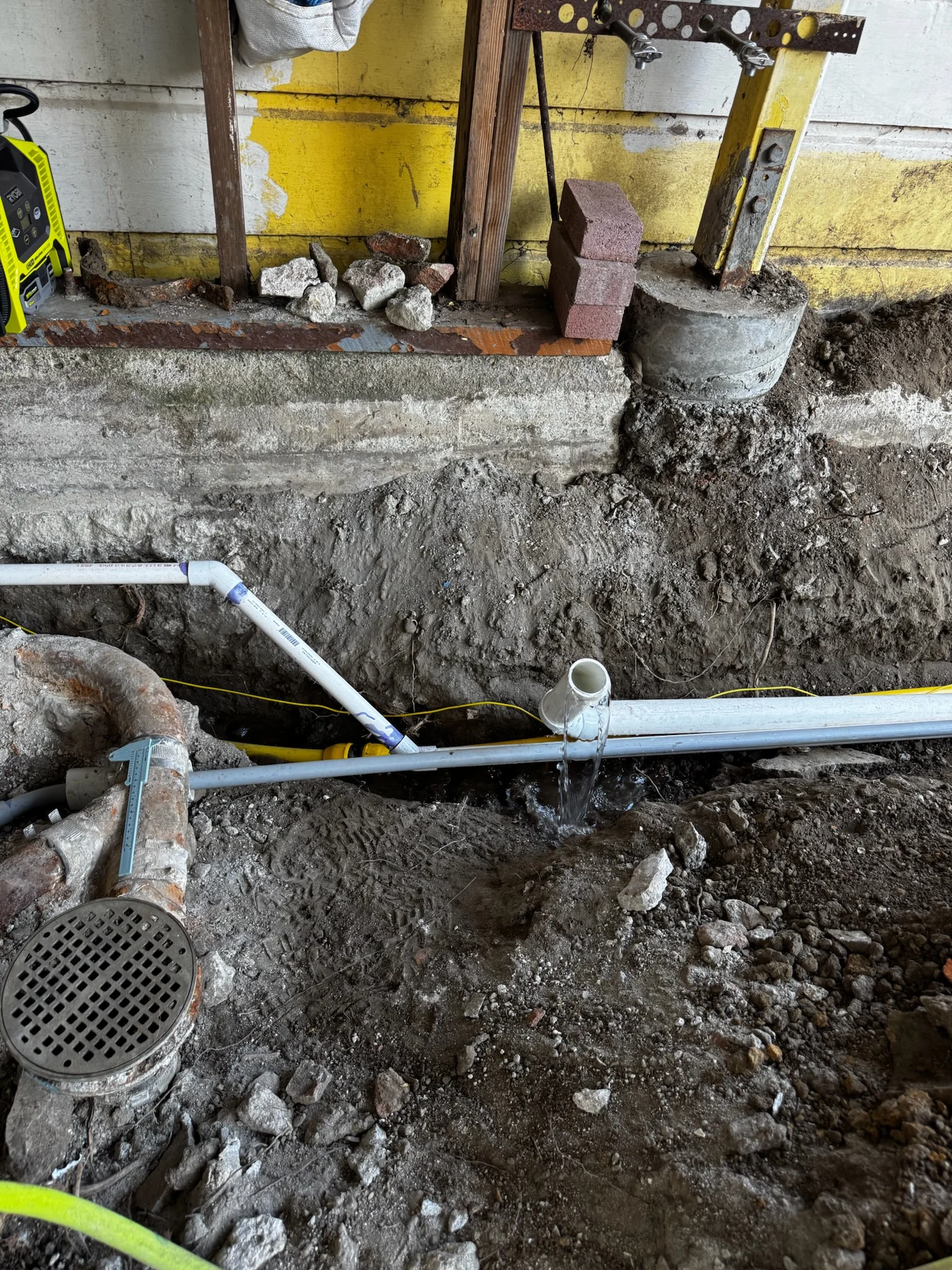
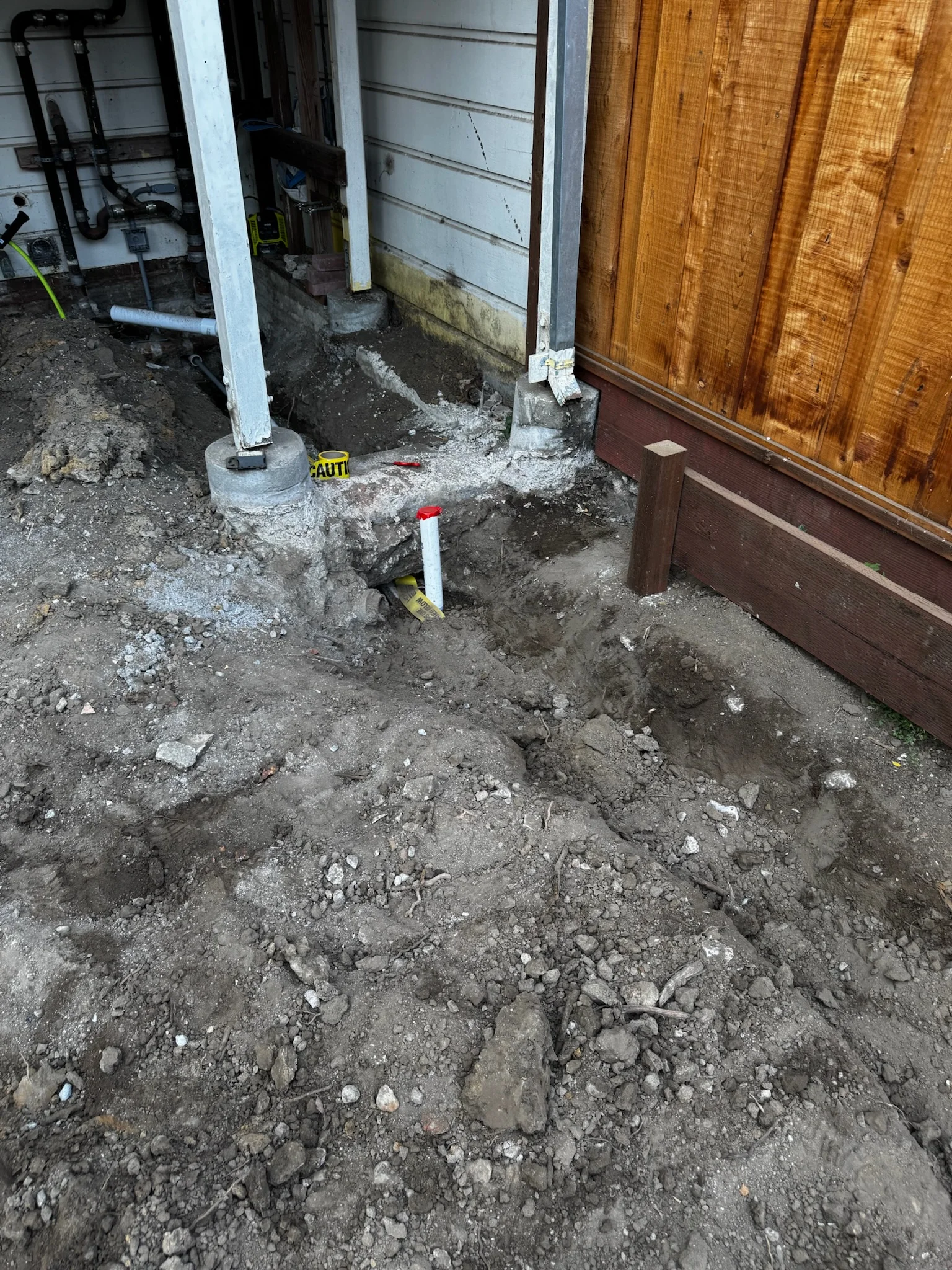
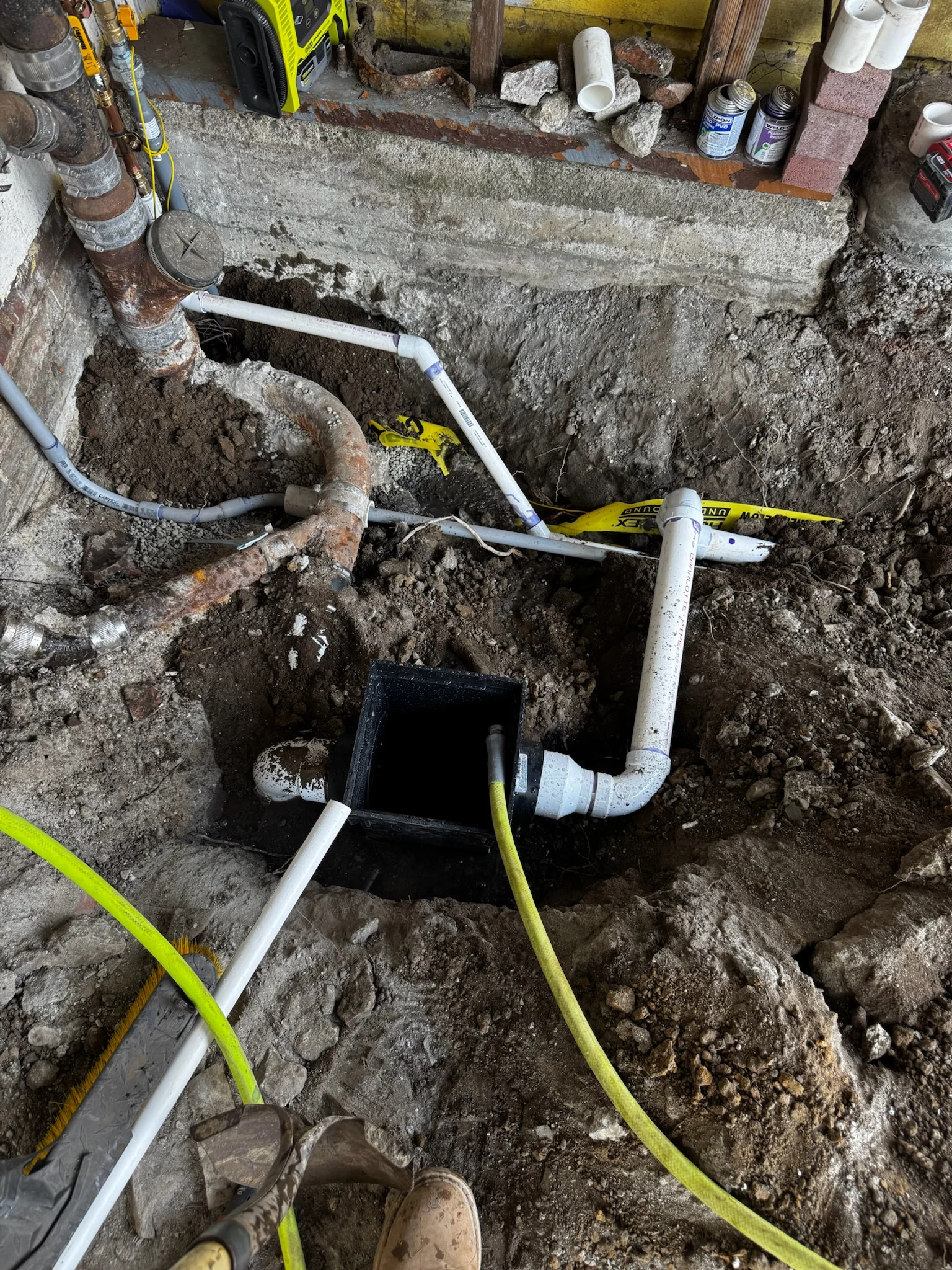
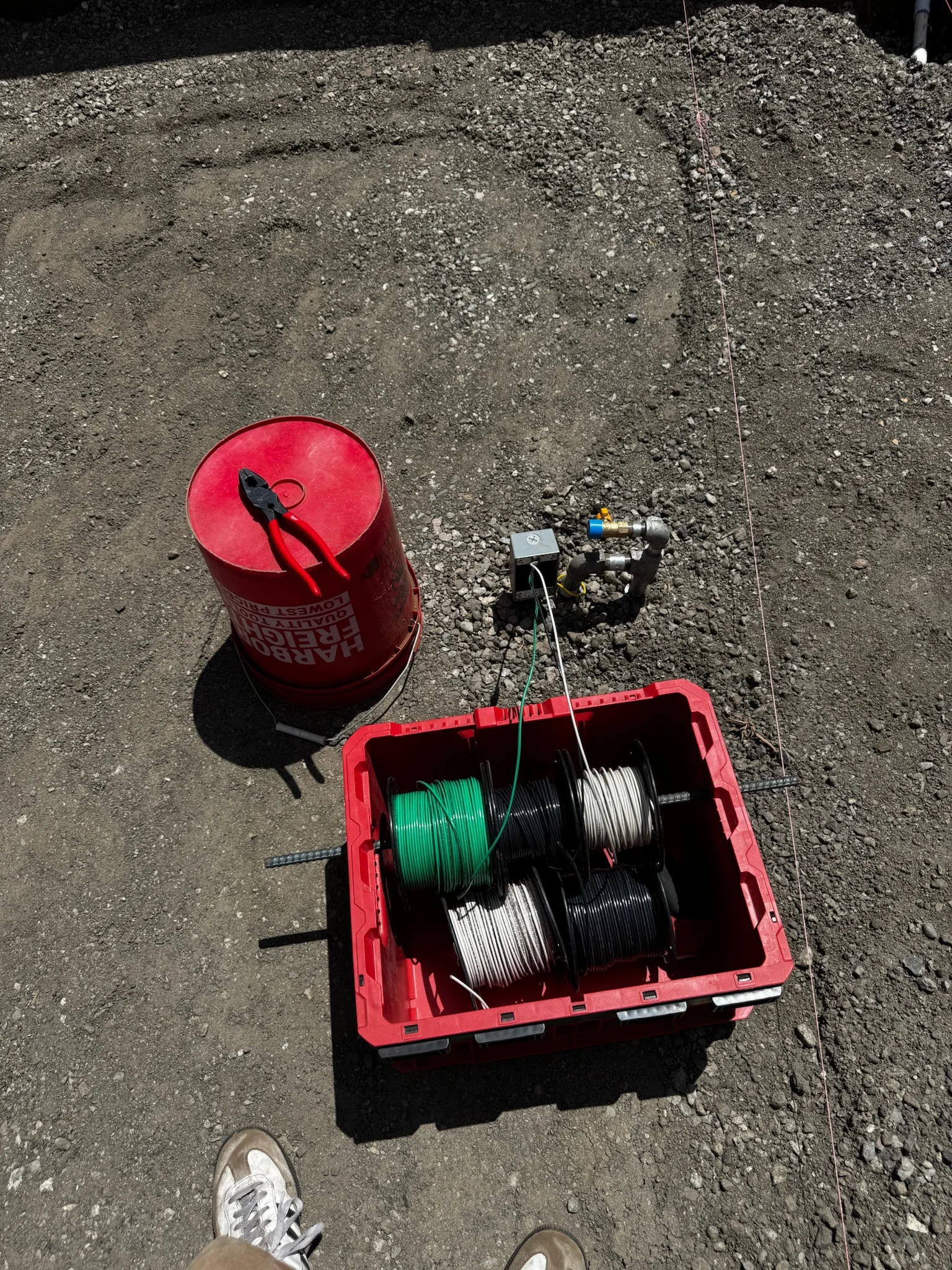
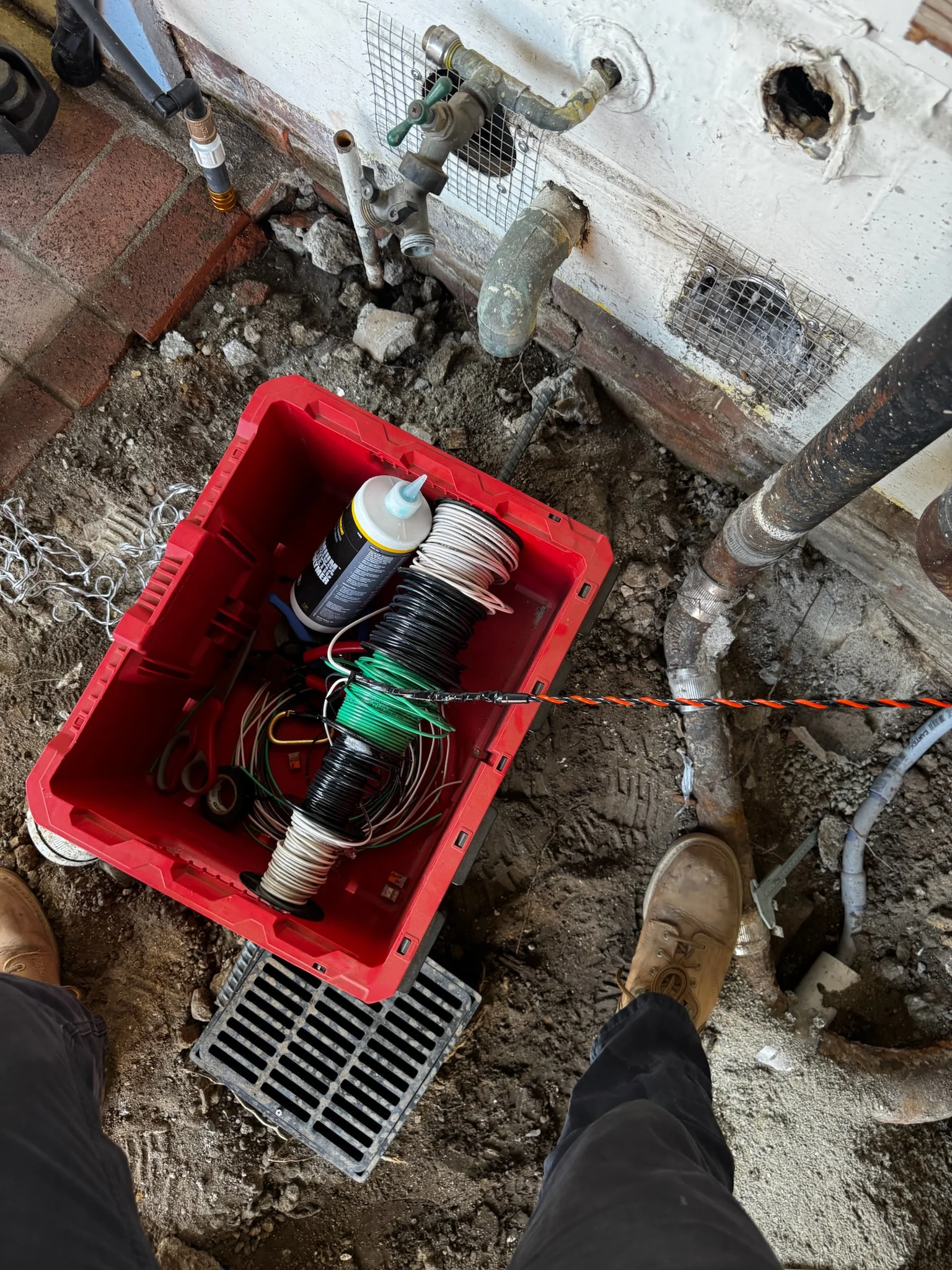
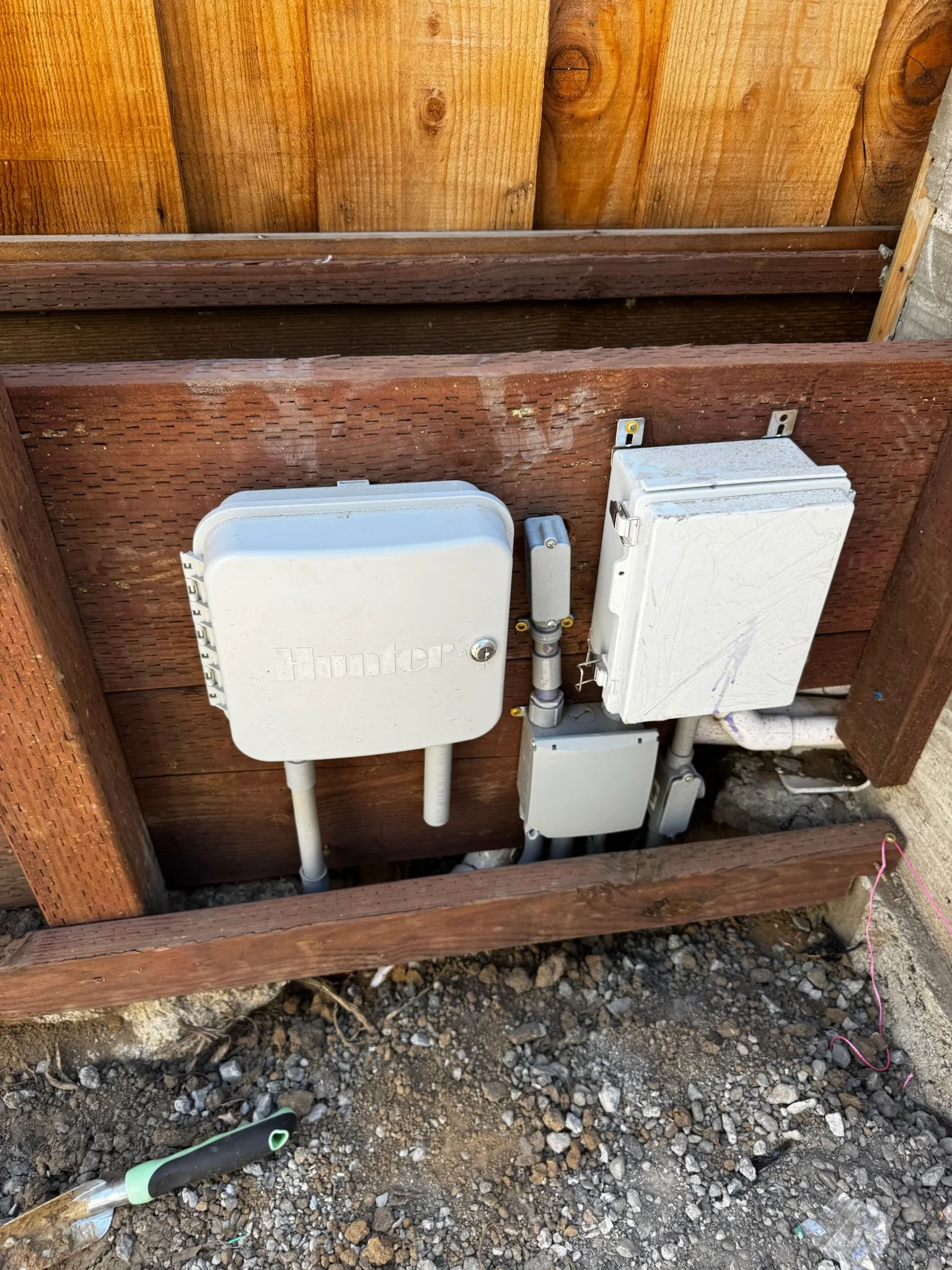
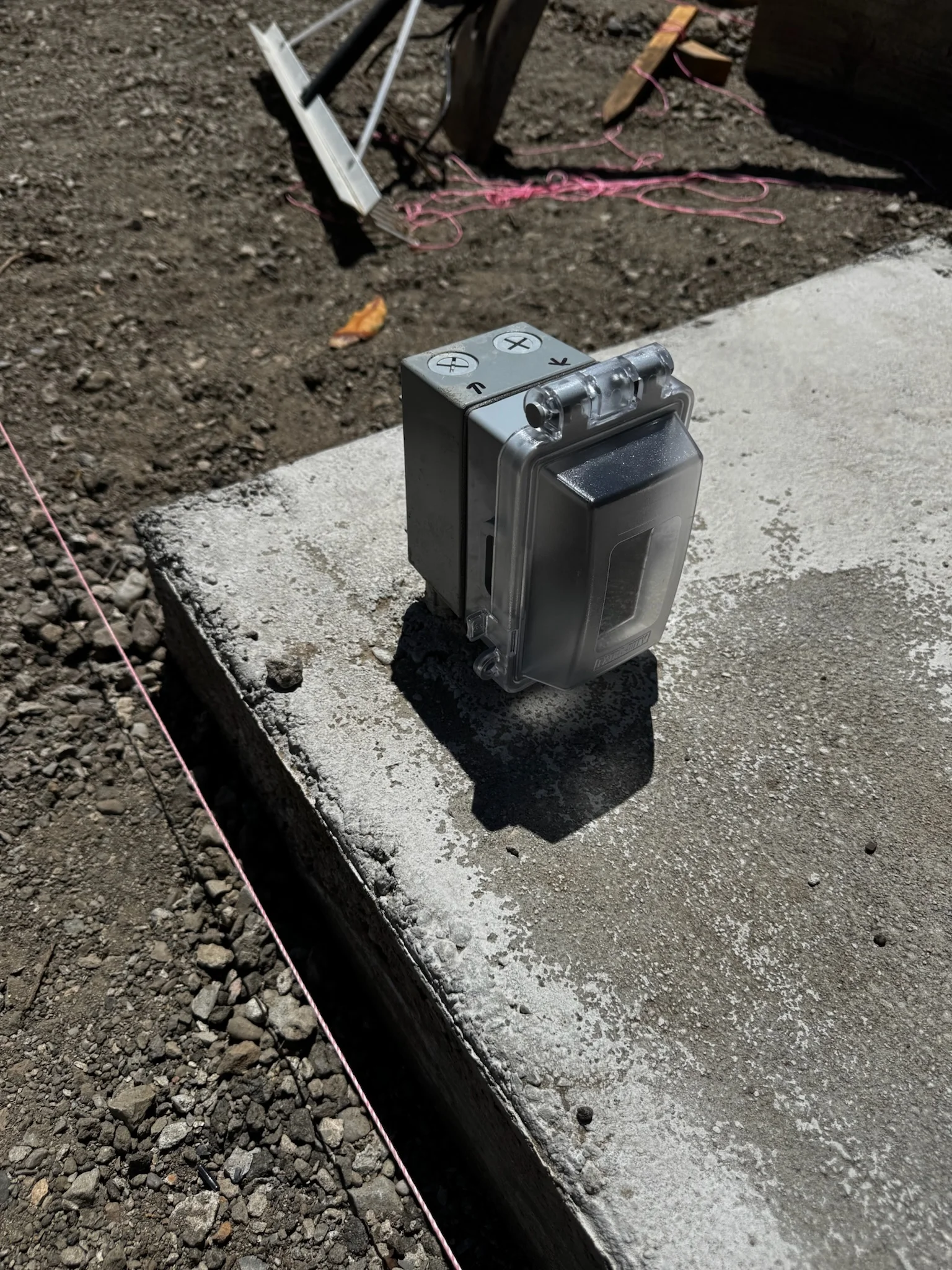
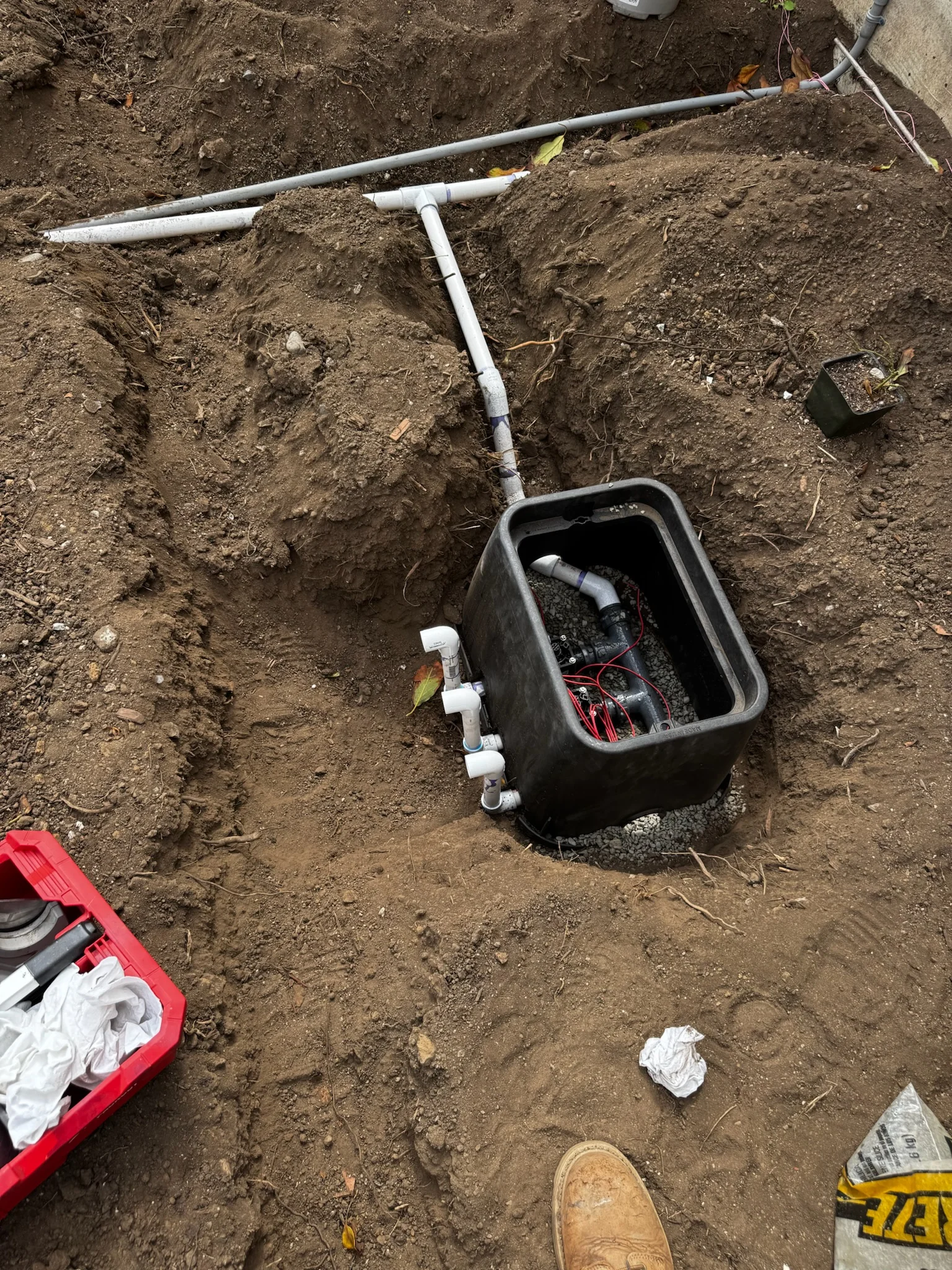
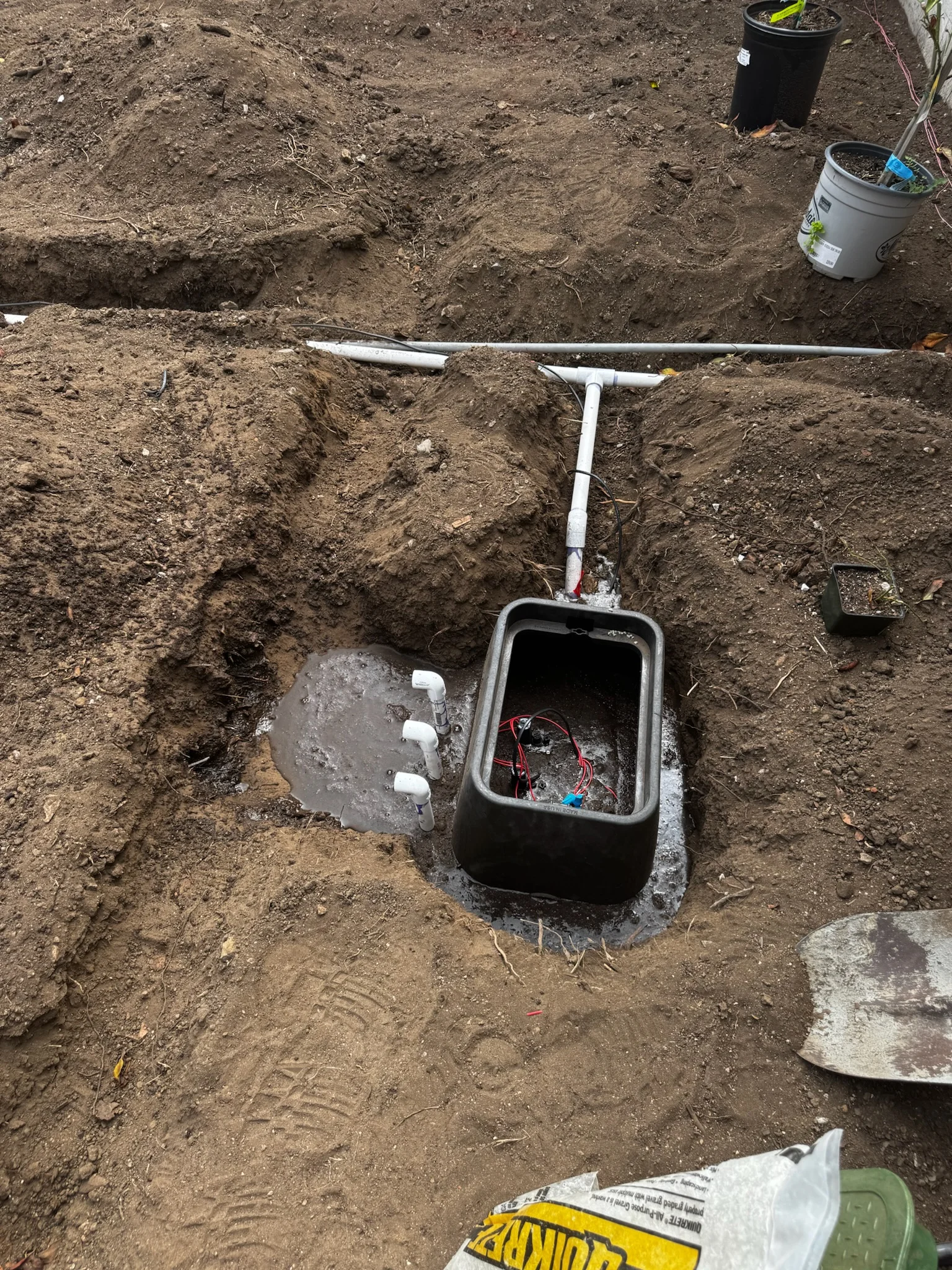
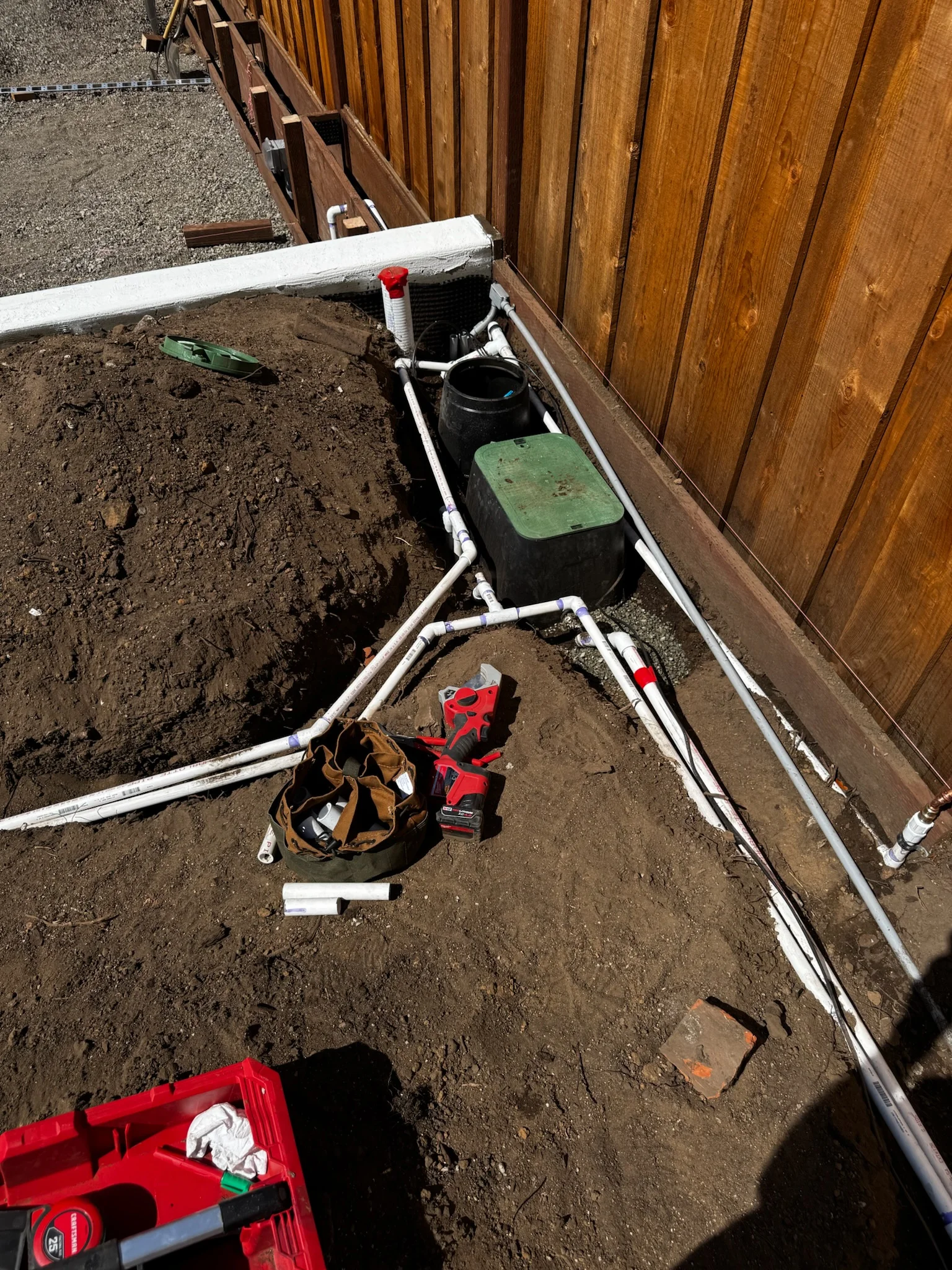
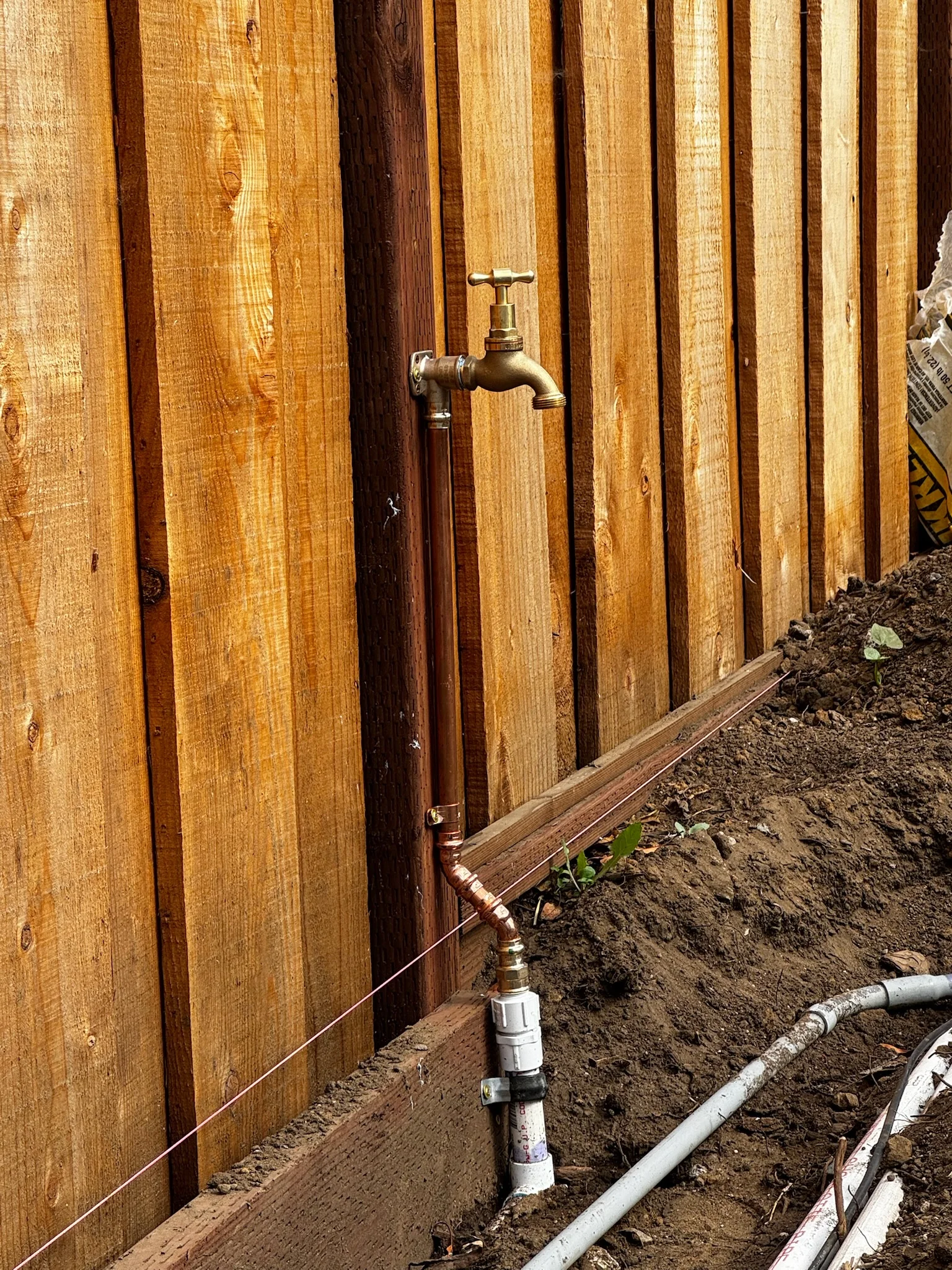
Speaking of utilities, next I began bringing the water, electrical, and gas lines from inside to the outside. I installed shutoffs immediately before they went underground so that I would work in isolation.
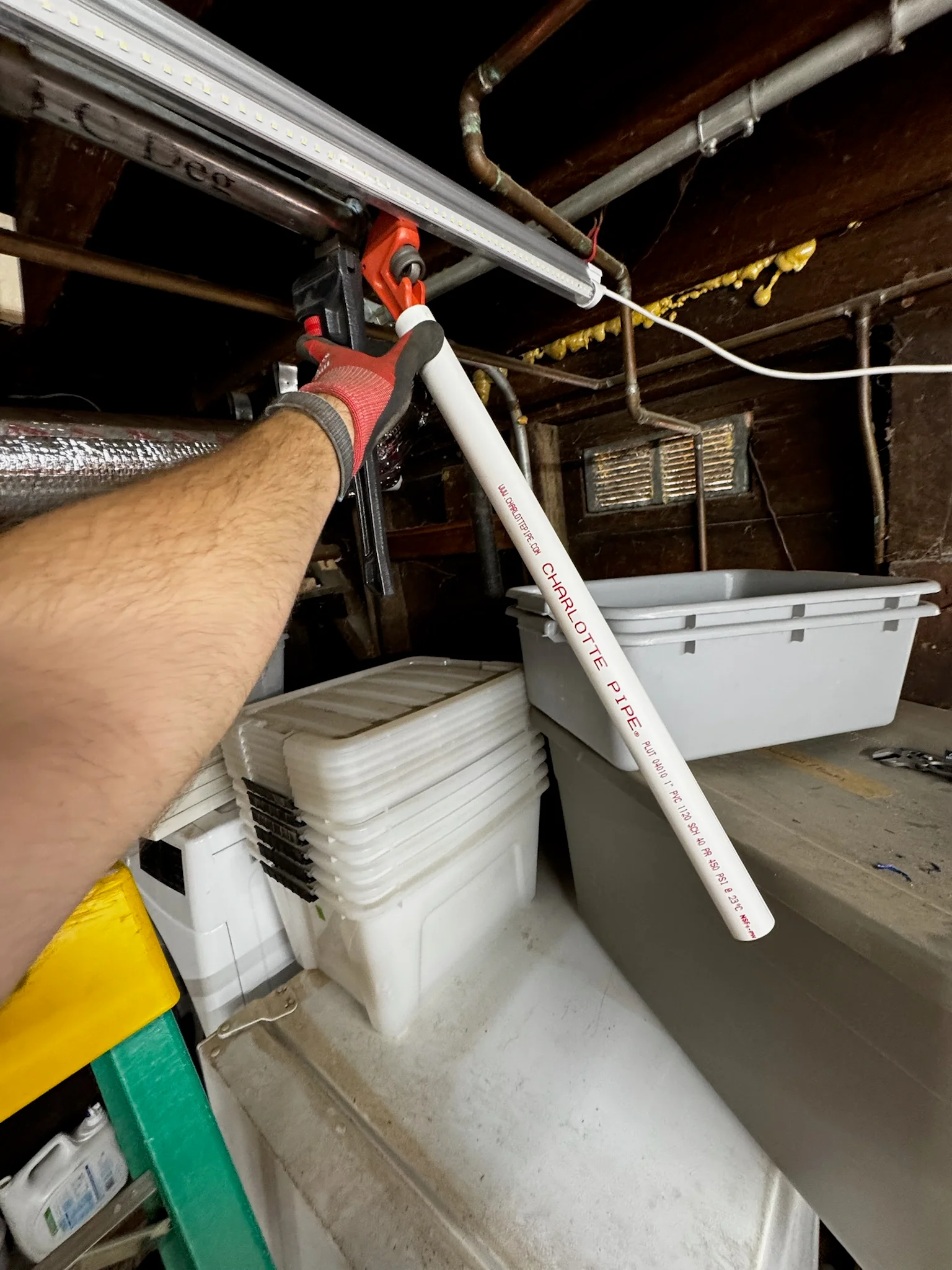
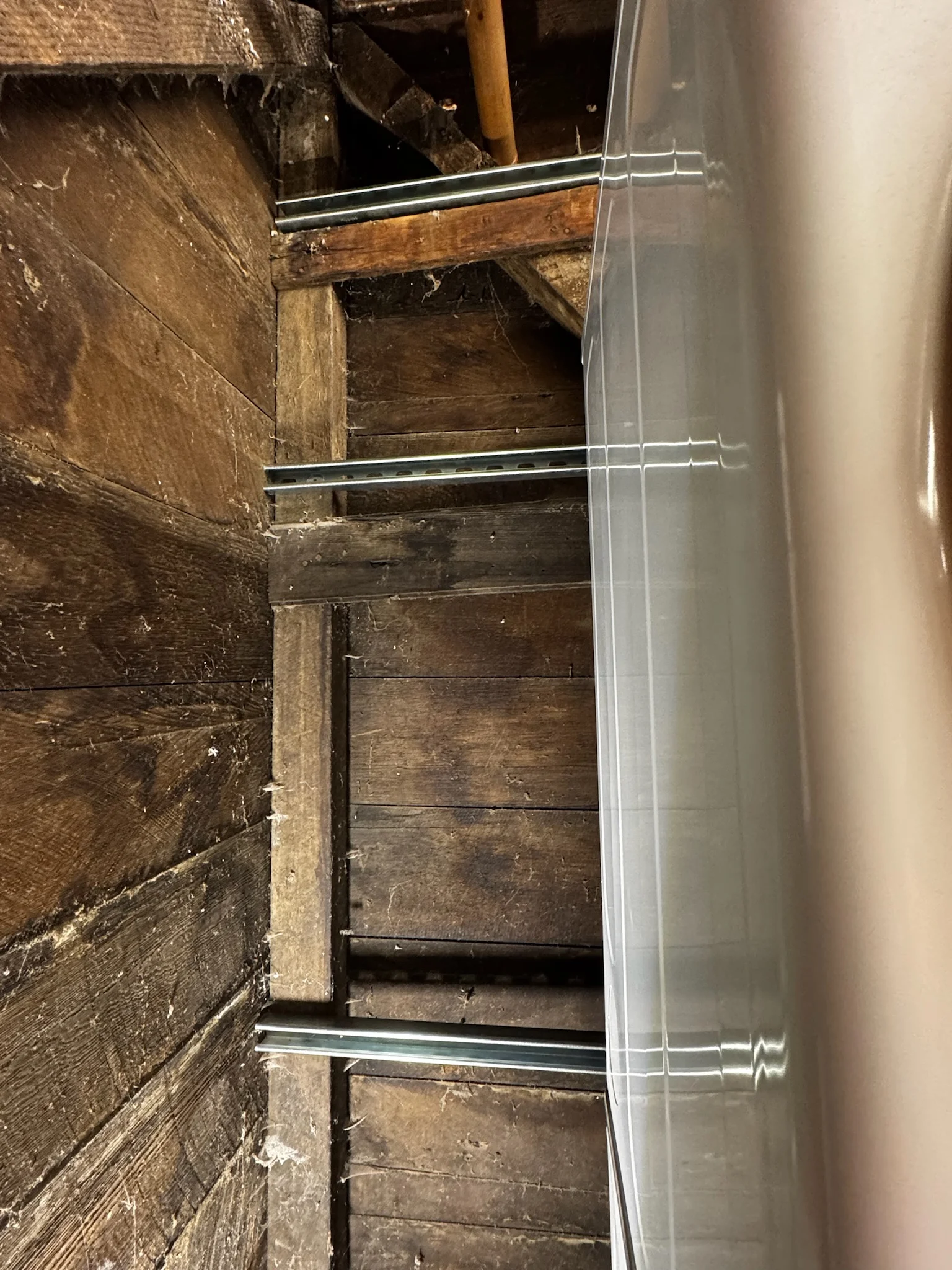
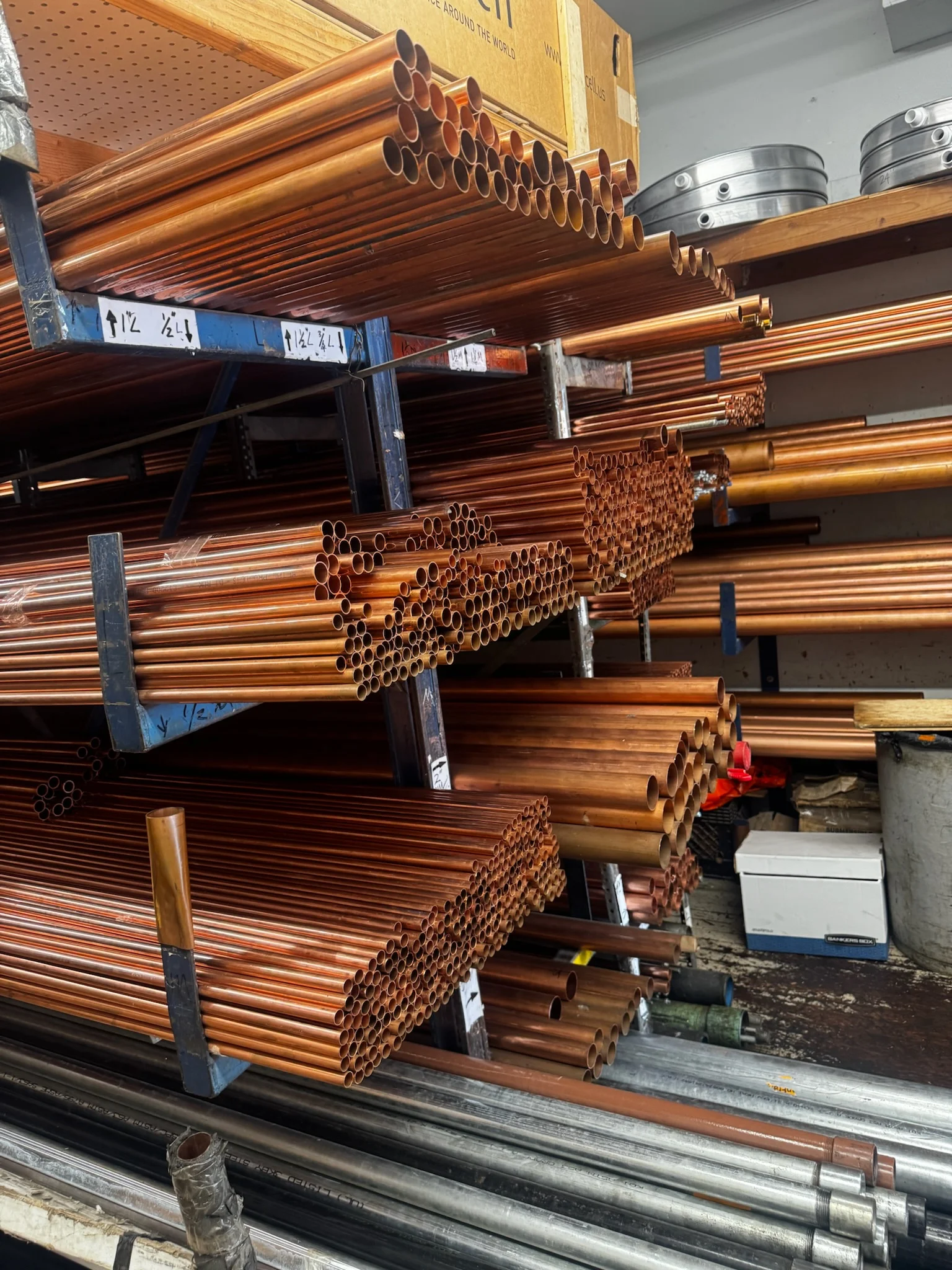

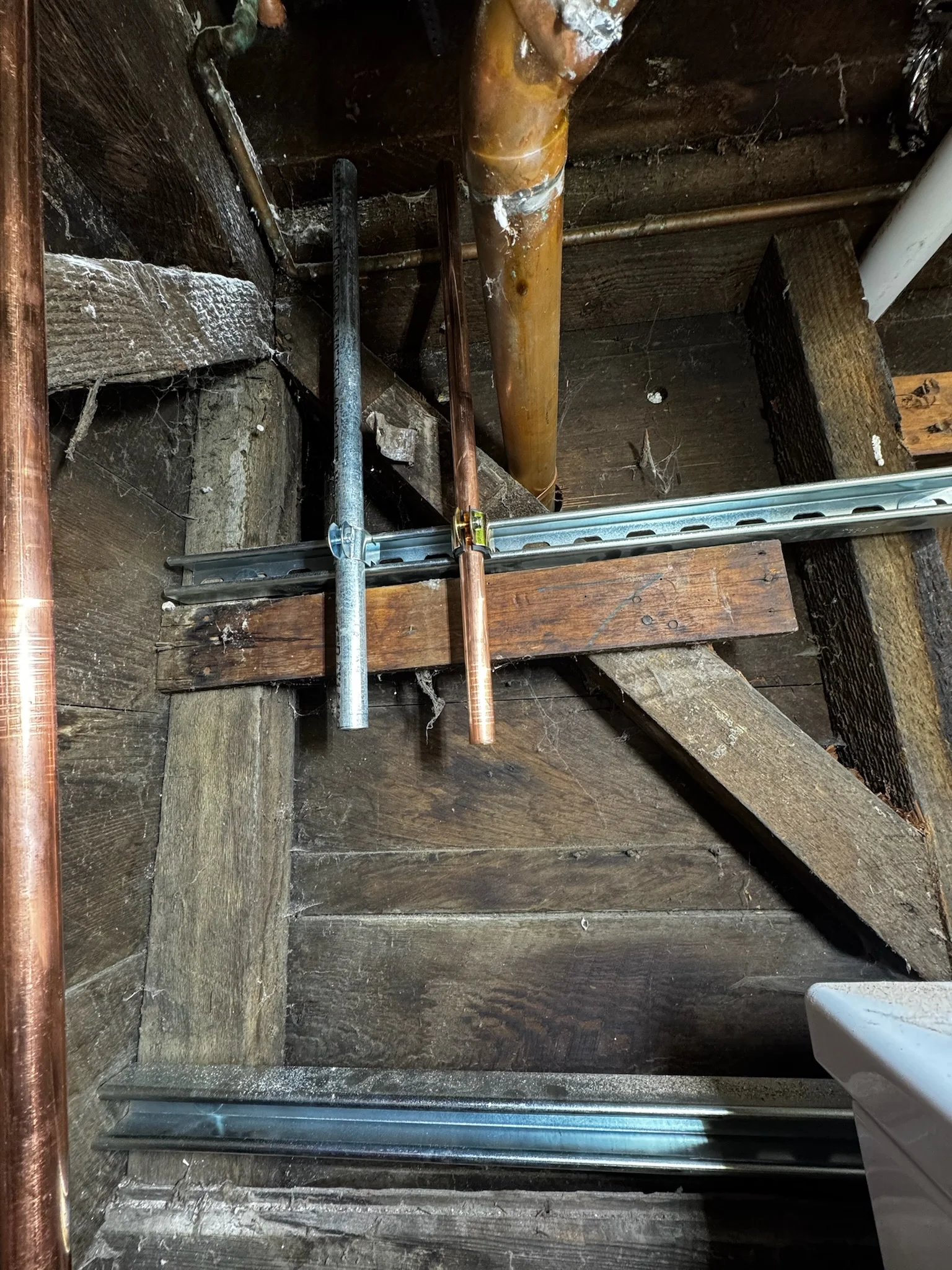
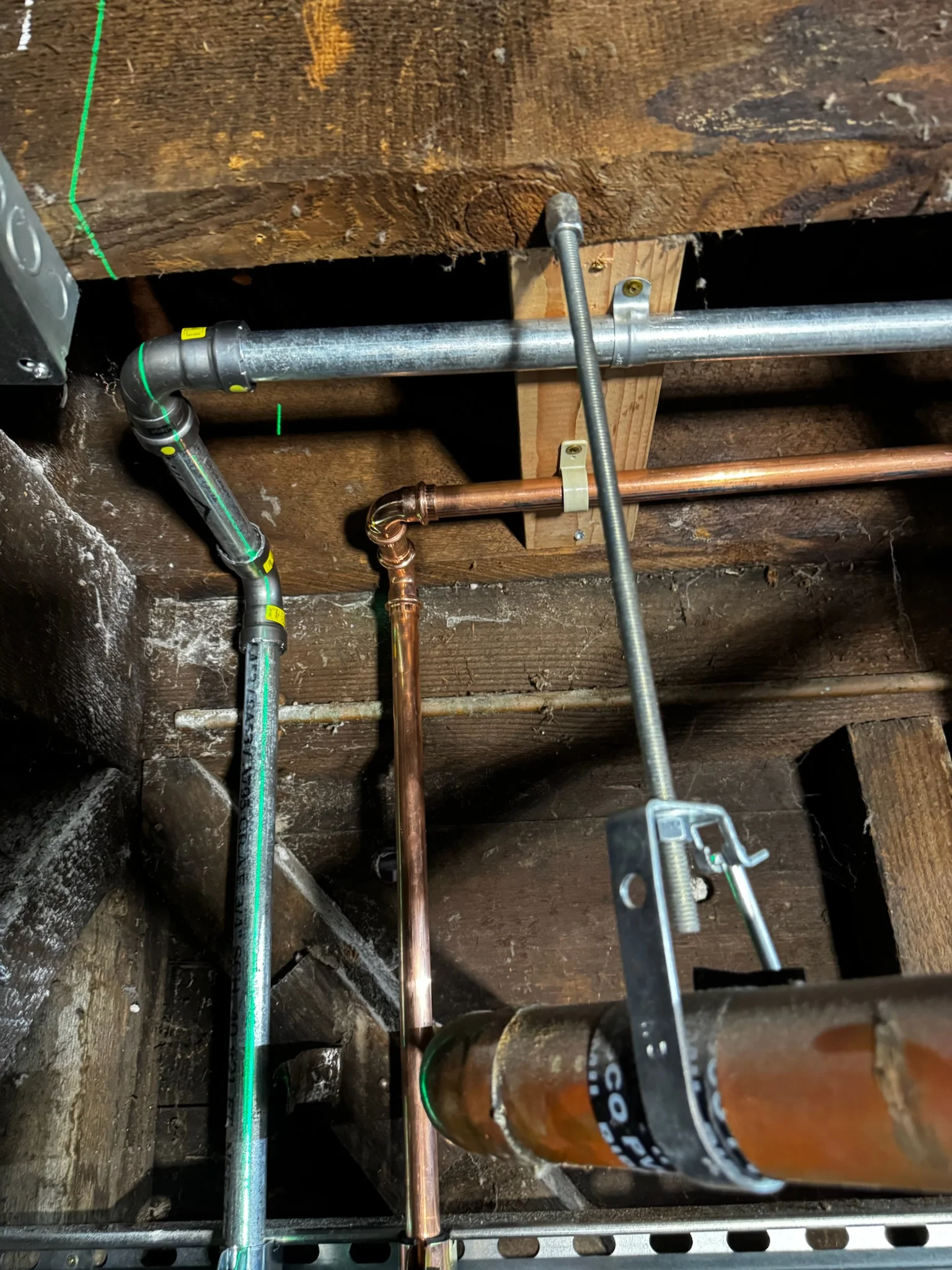
More utilities
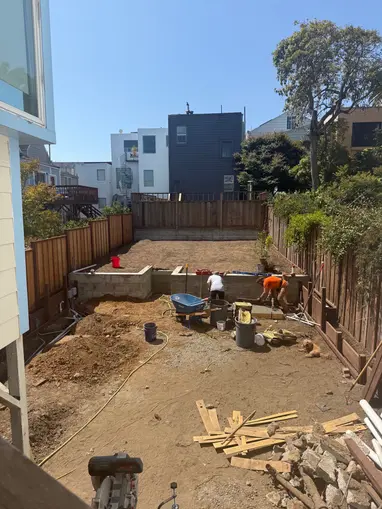
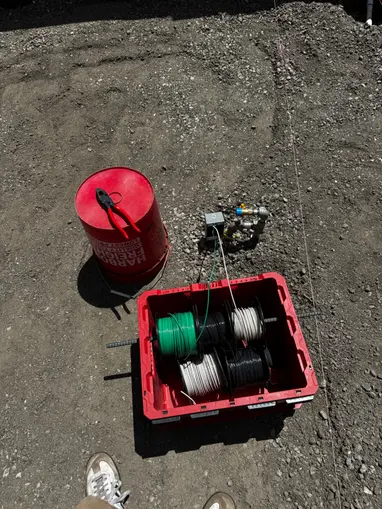
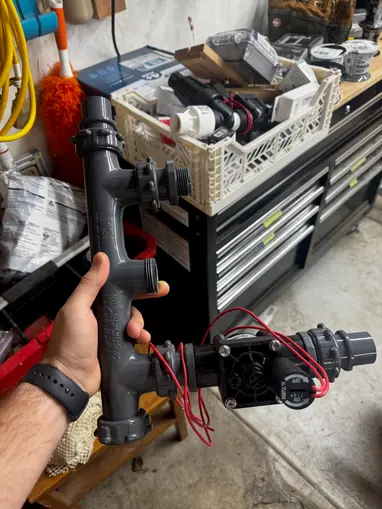
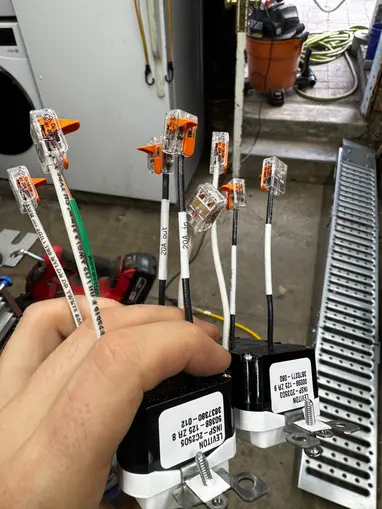
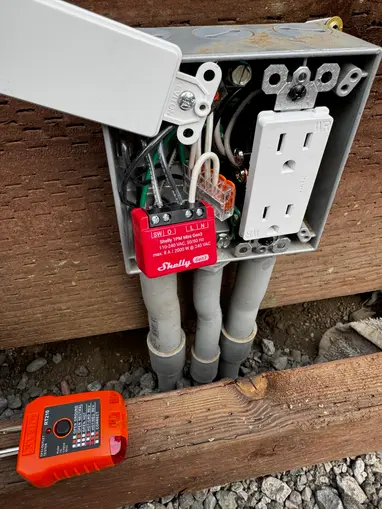
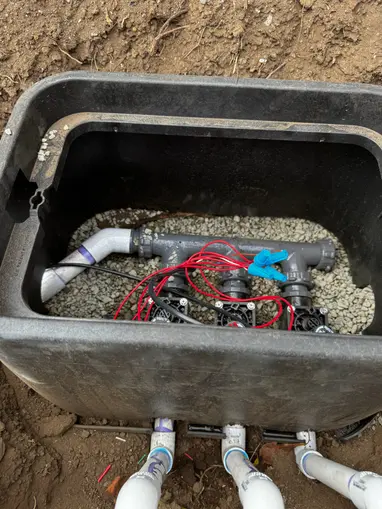
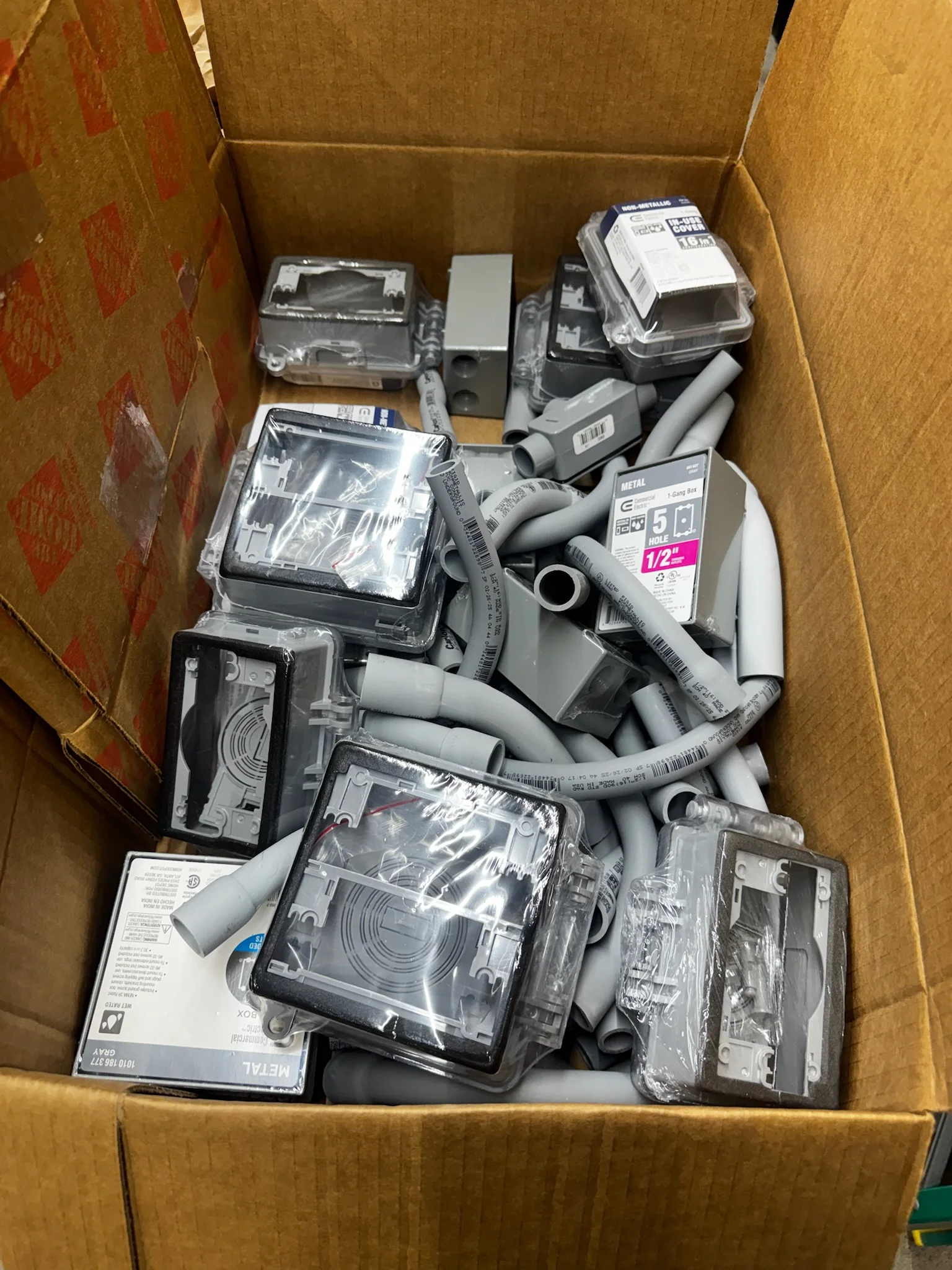
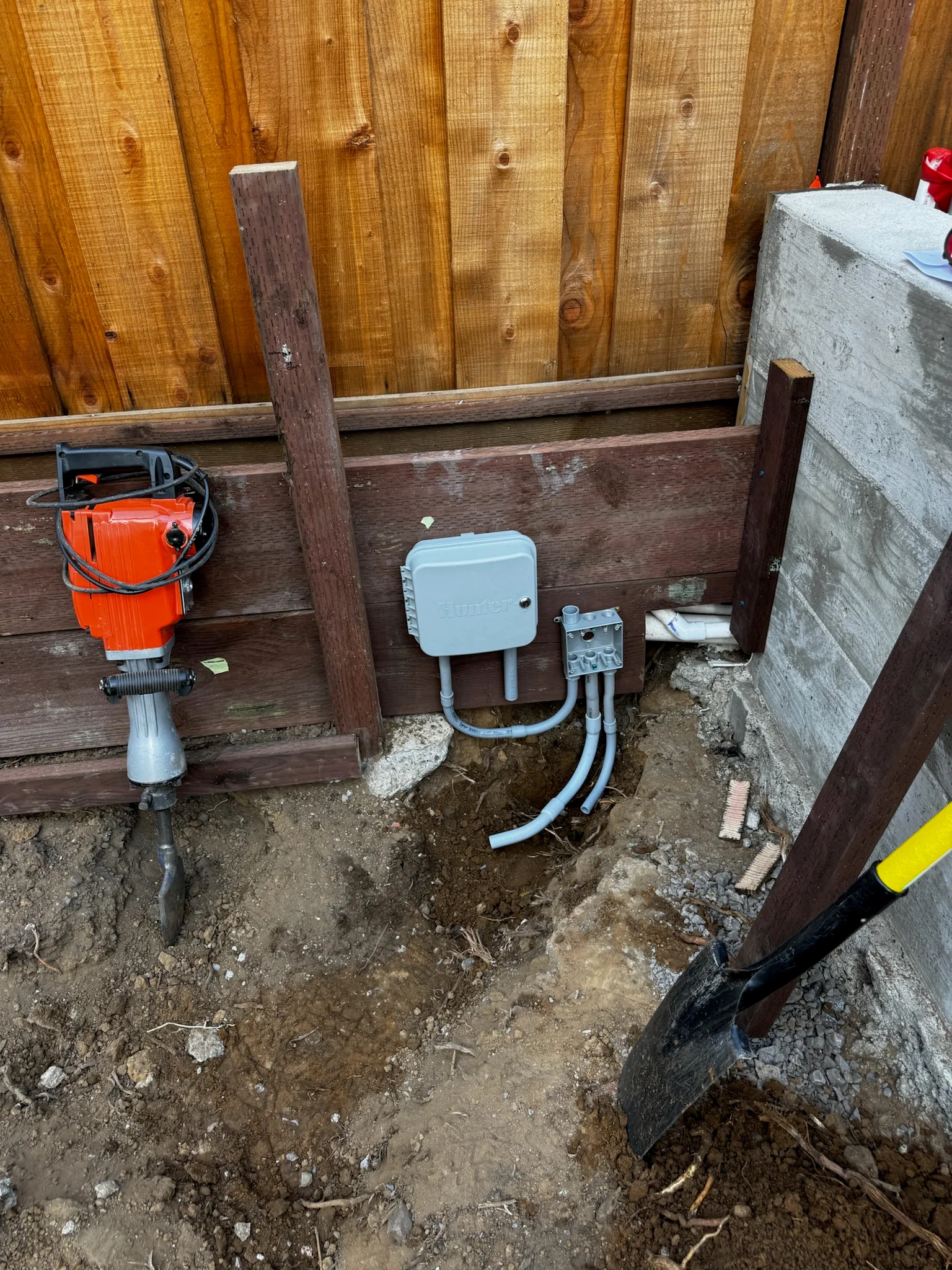
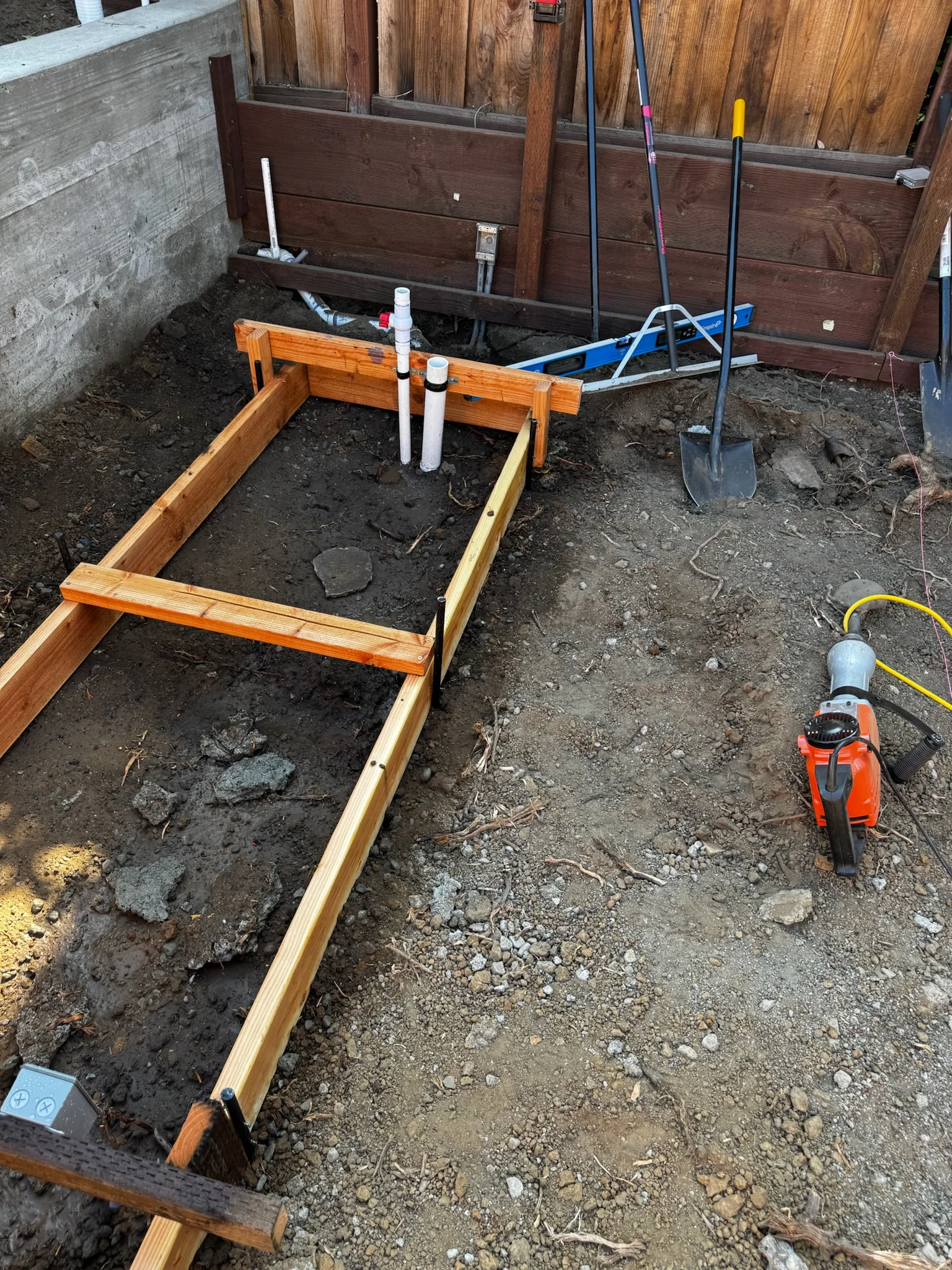
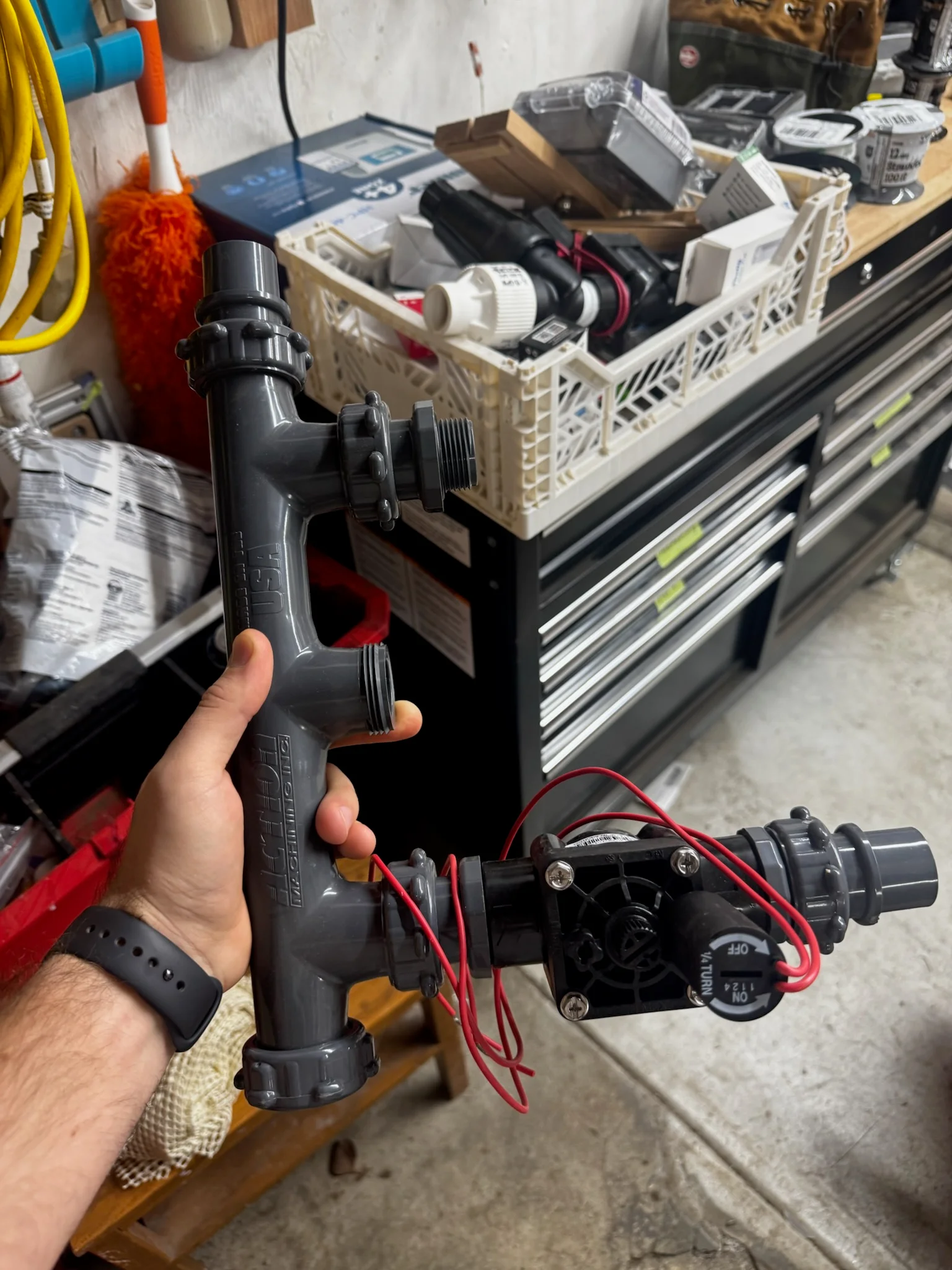
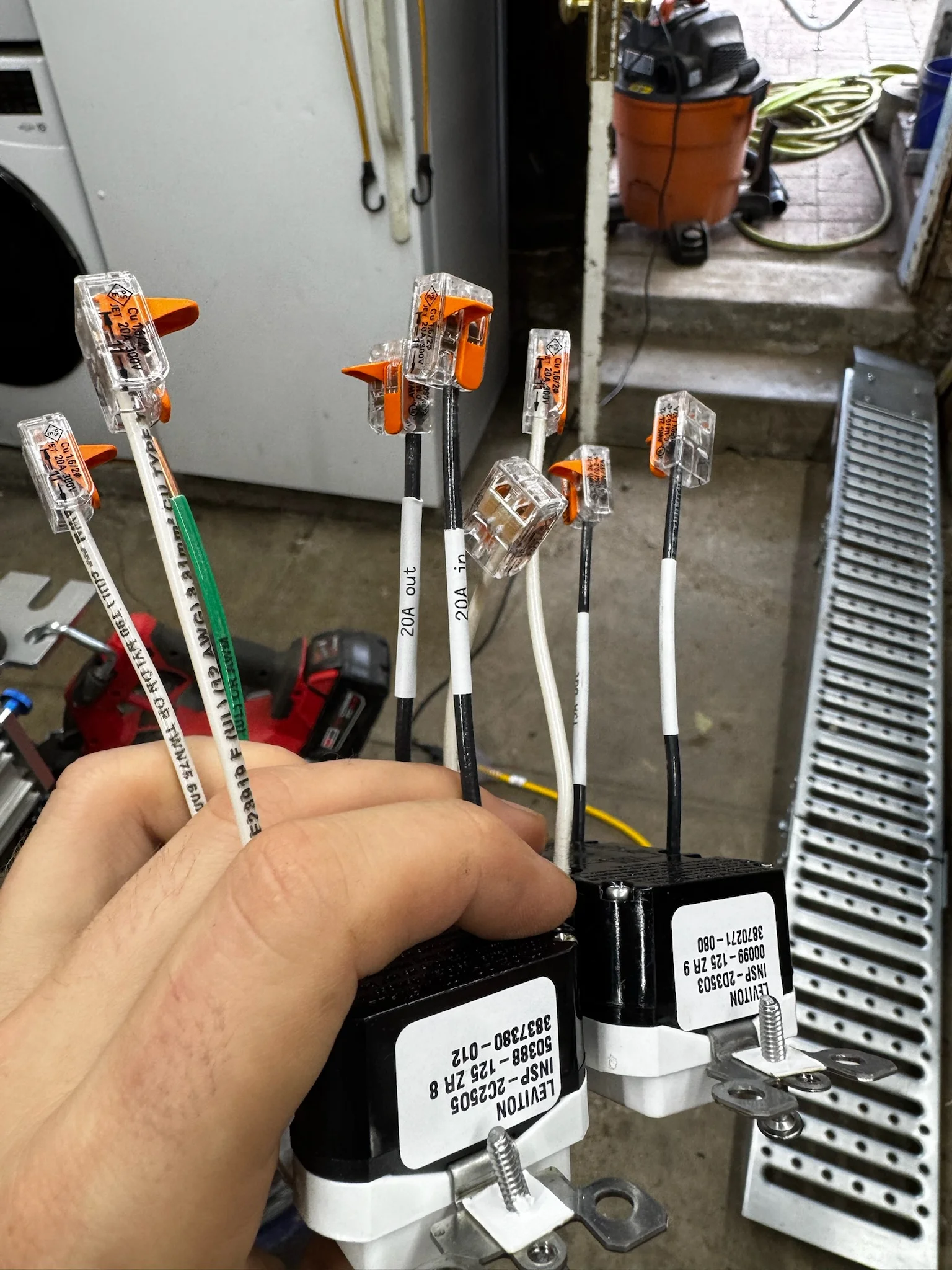
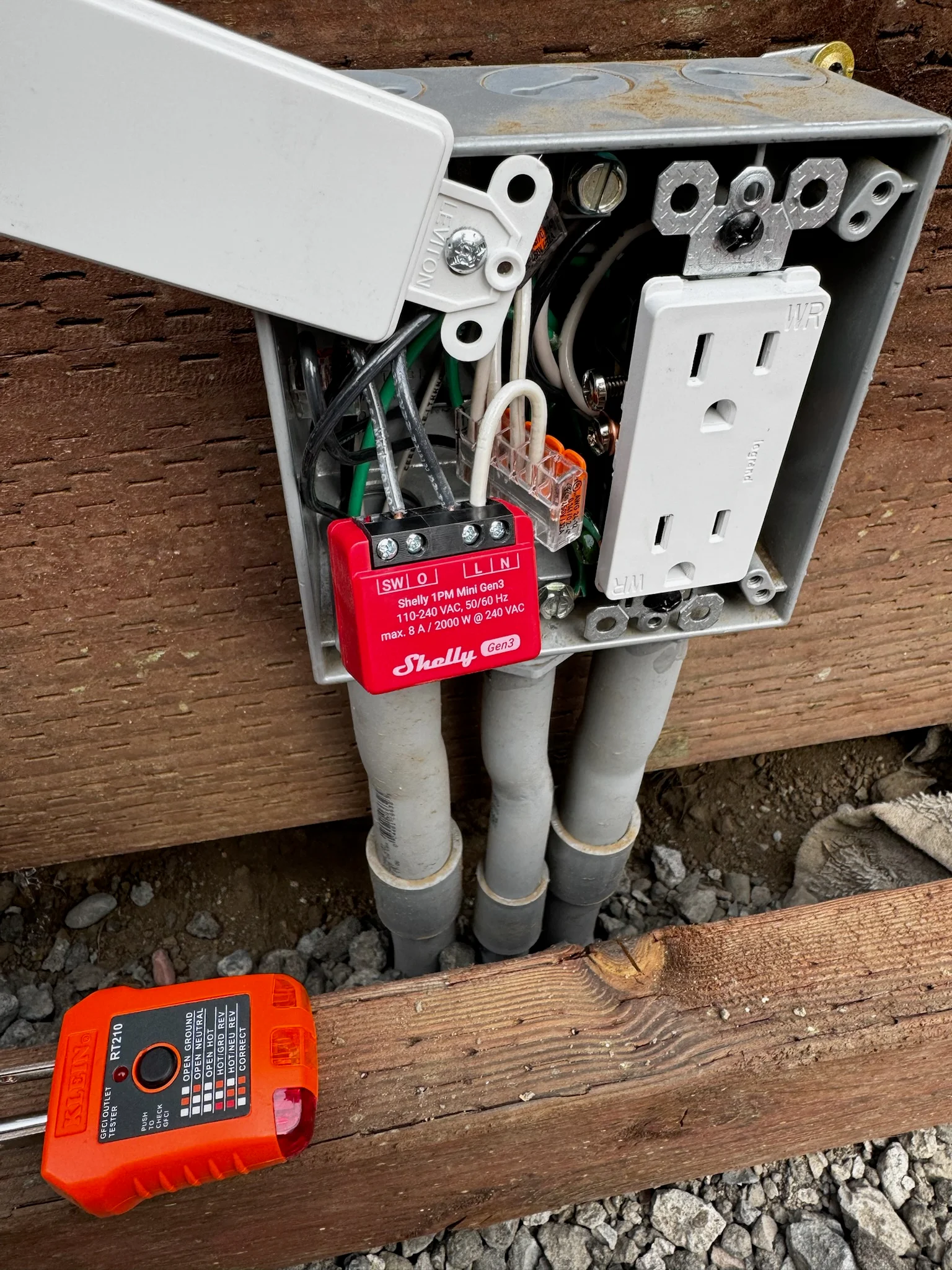
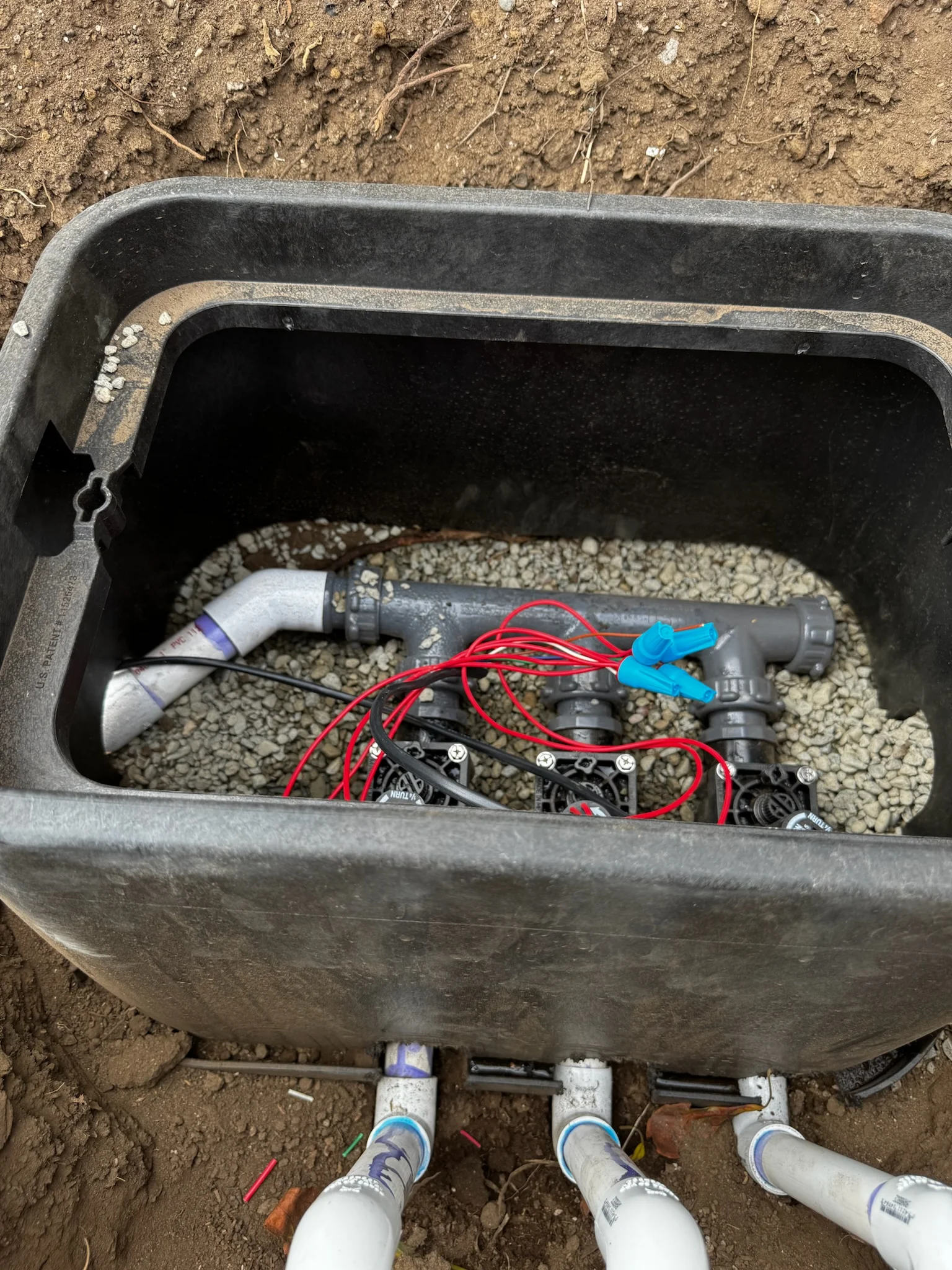
The utility requirement was pretty extensive - I ran:
- gas line for firepit
- drainage for kitchen island and french drain for upper terrace
- catch basins for general drainage
- electrical for outlets, lighting, and sprinkler controller
- low voltage for lighting
- low voltage for sprinkler valve controller
- water for sprinkler, kitchen island, and hose bibbs
Concrete Pad & Stairs
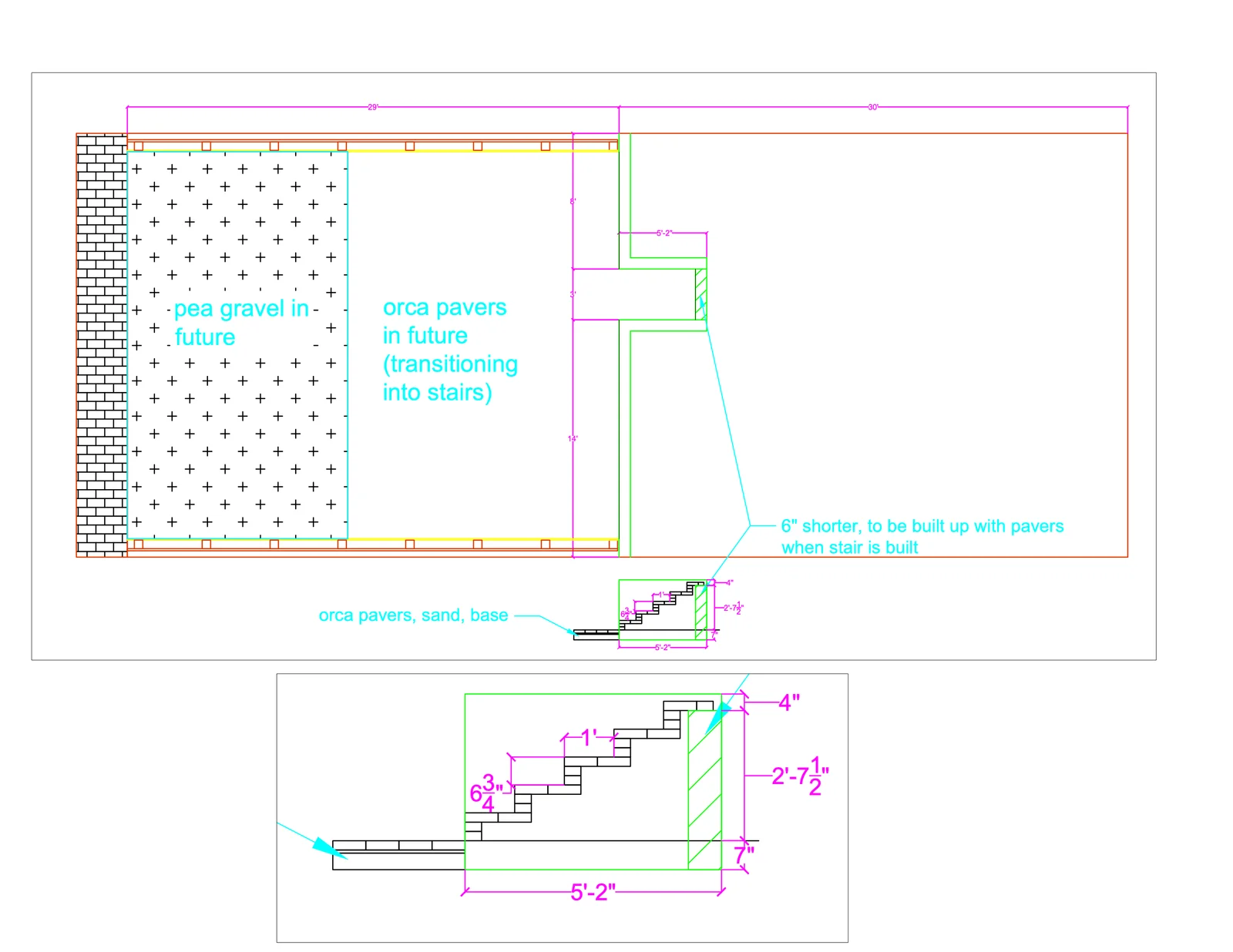
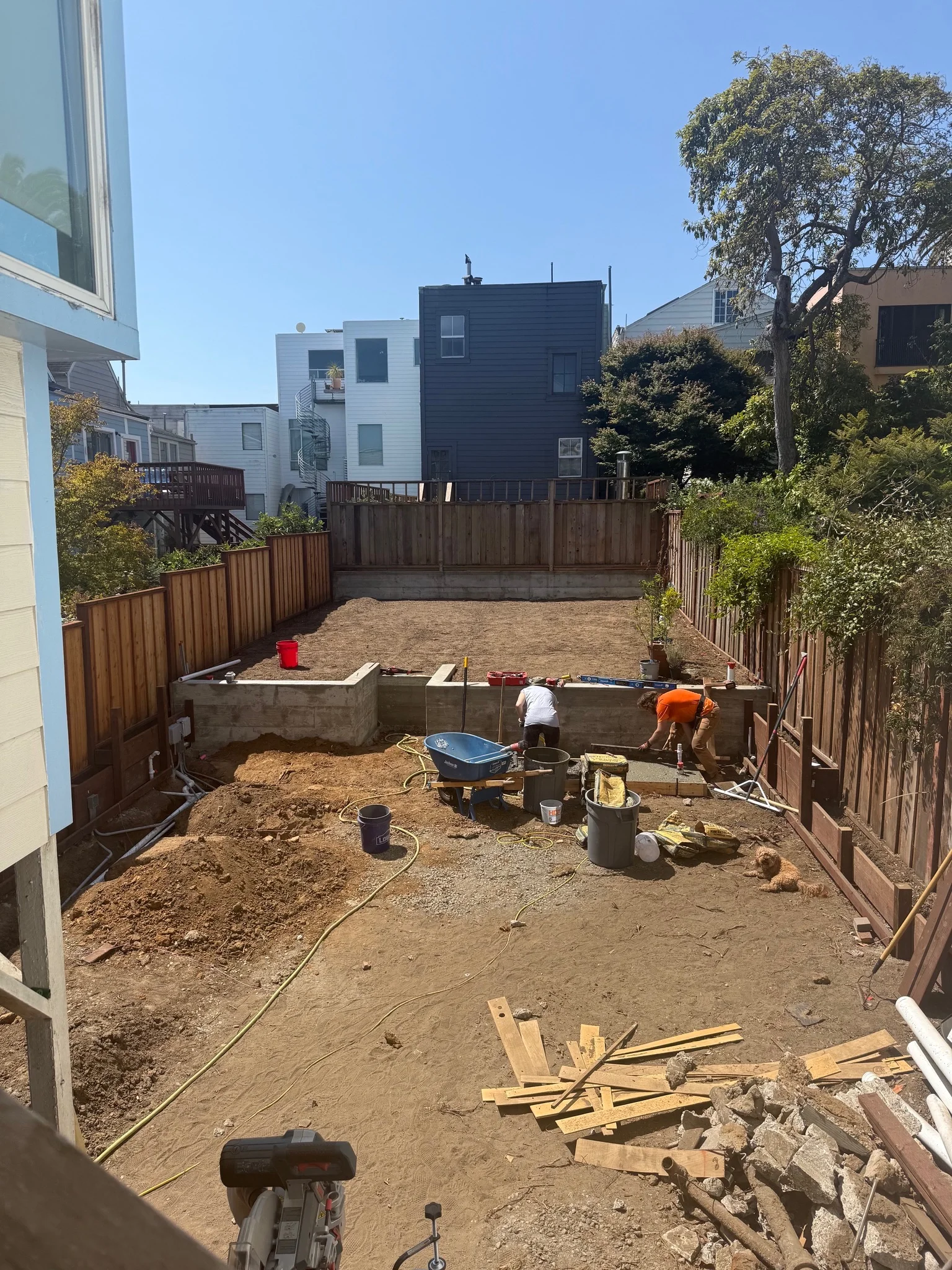
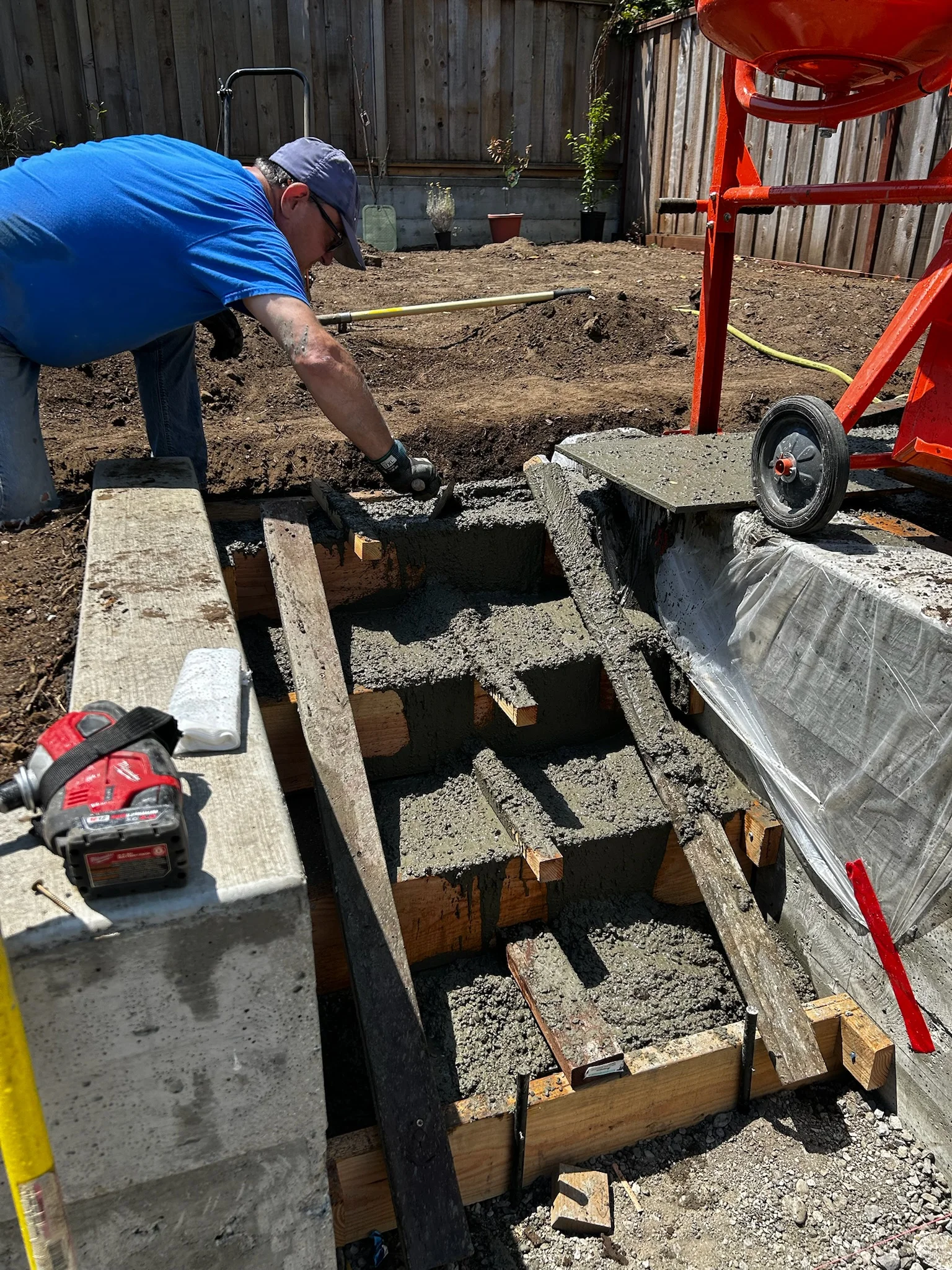
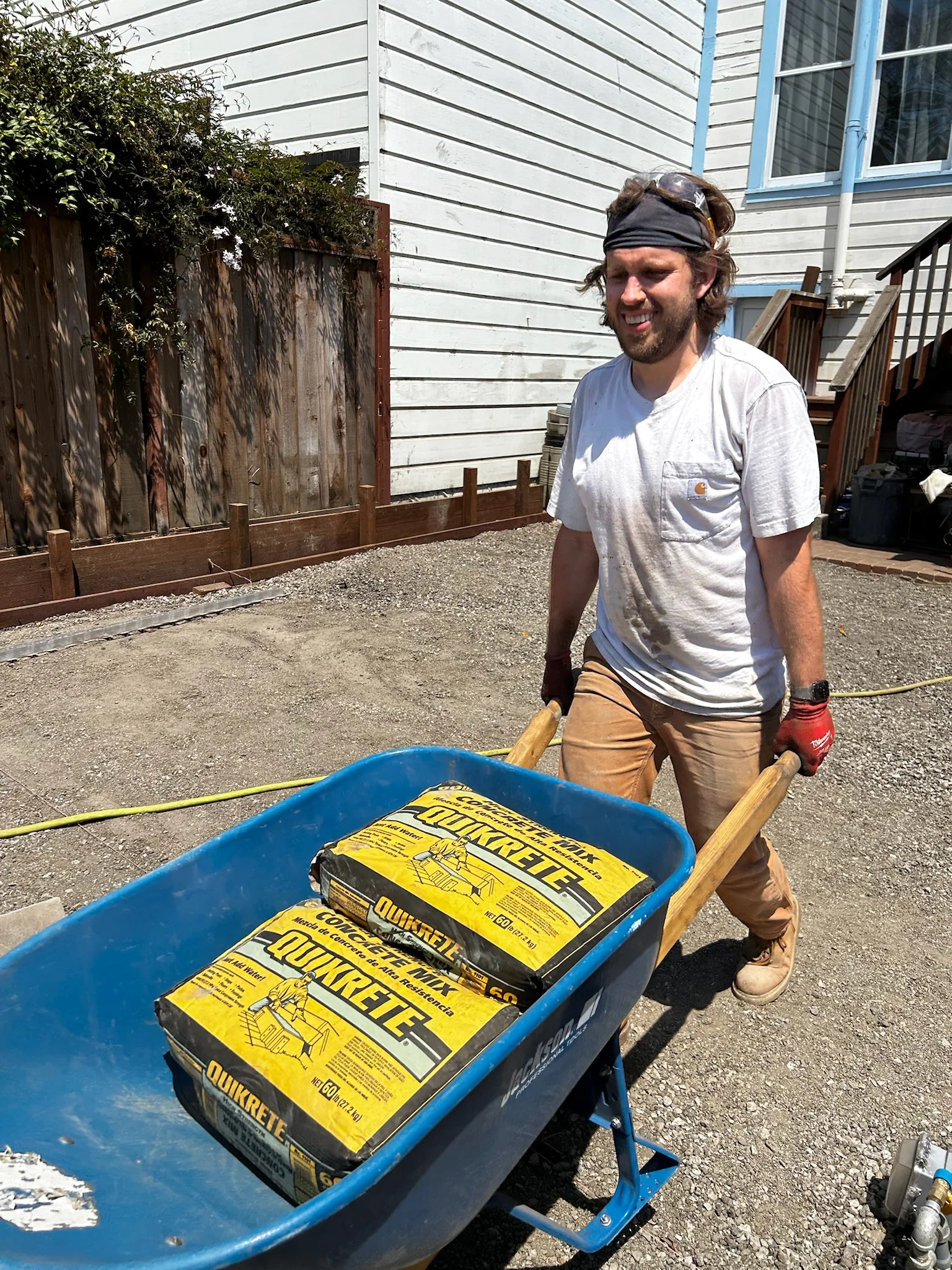
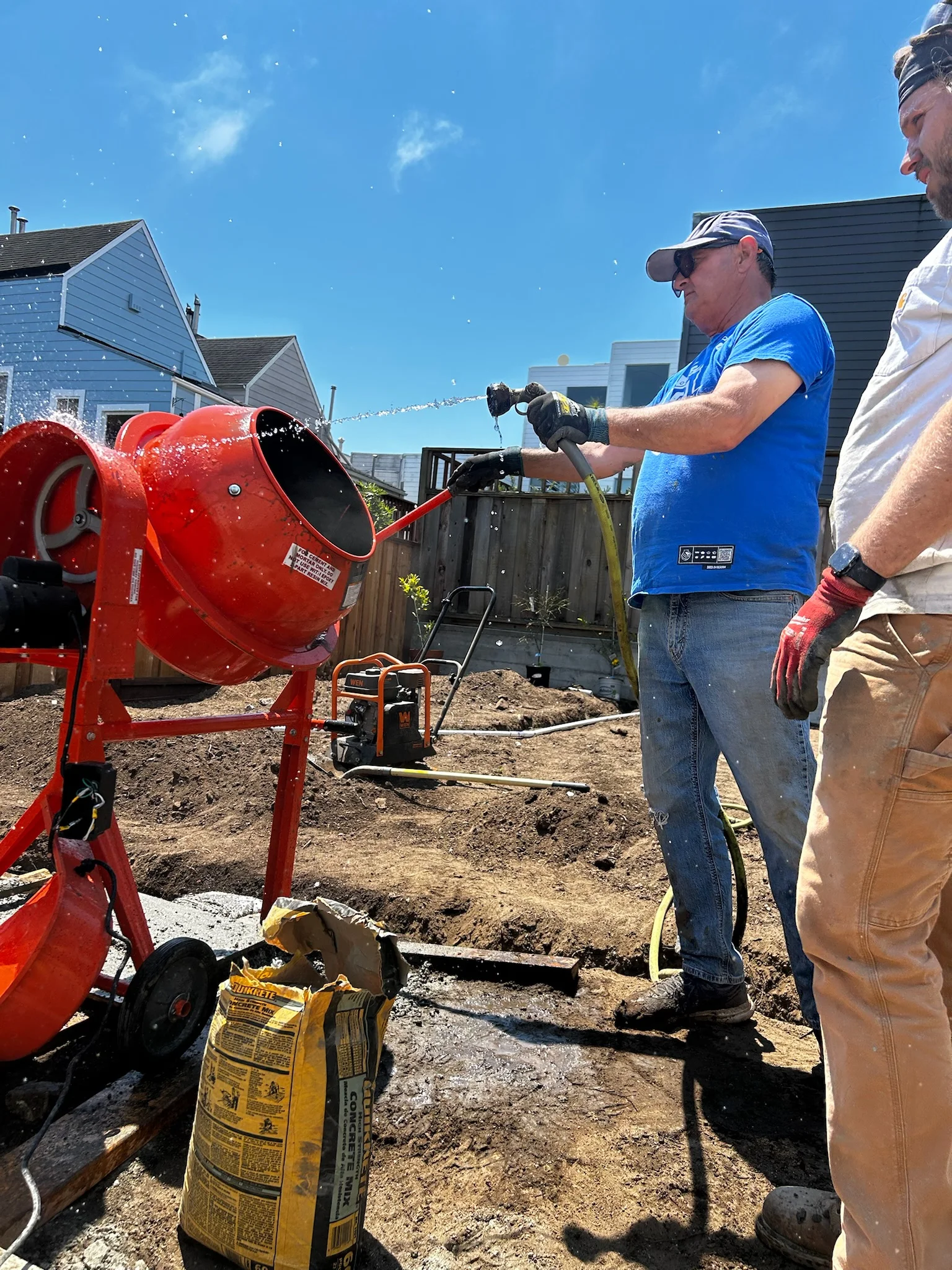
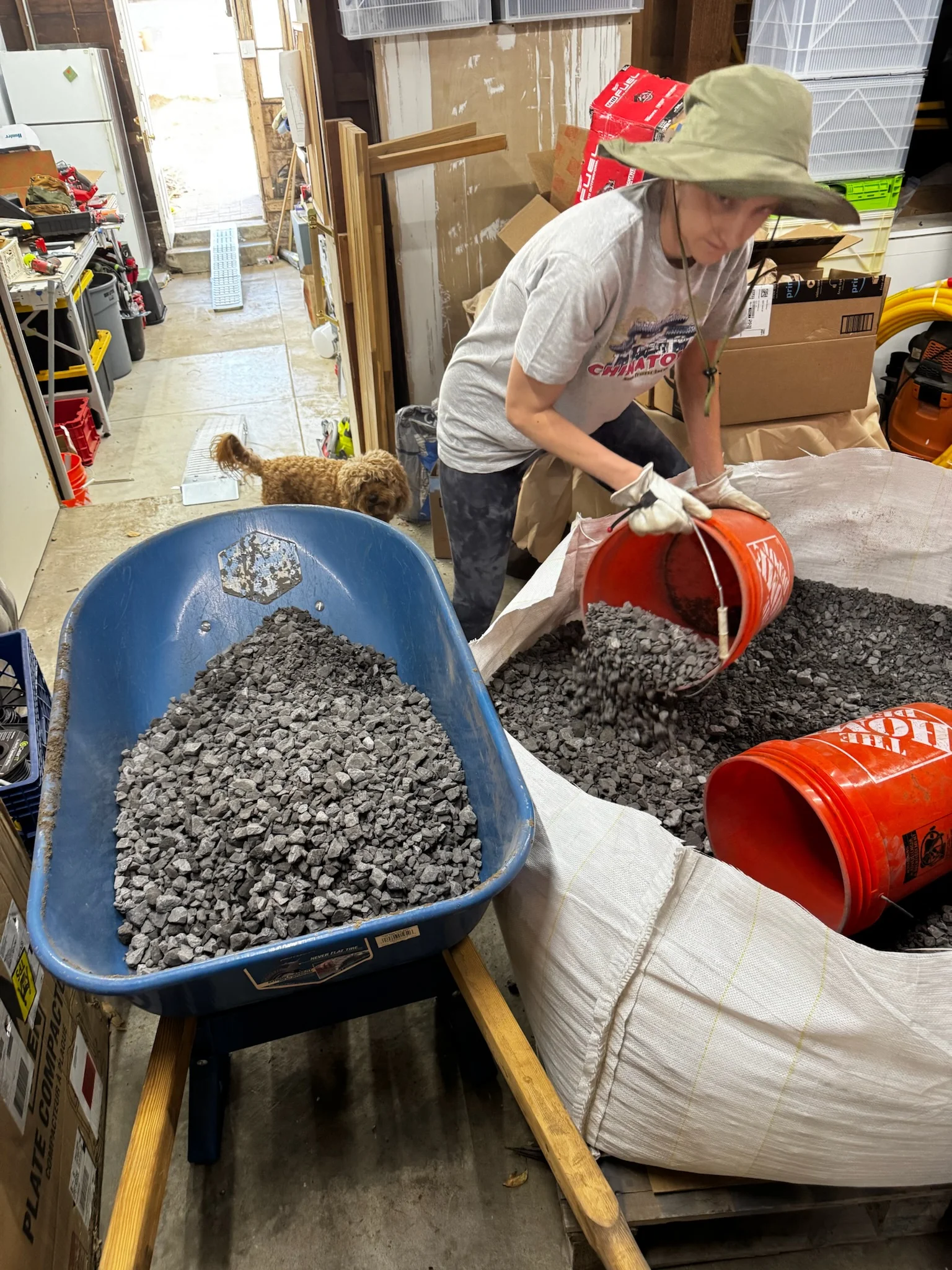
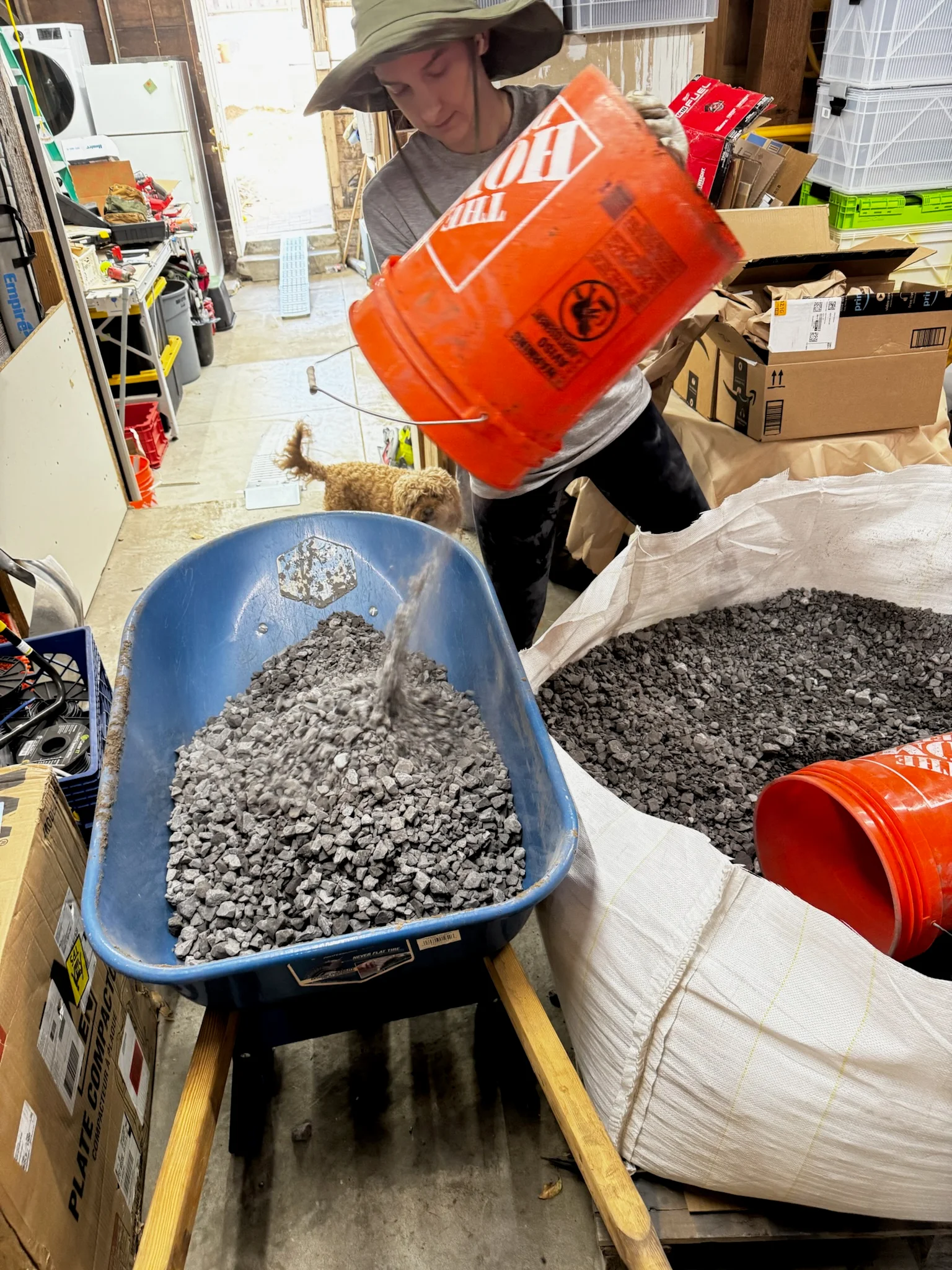
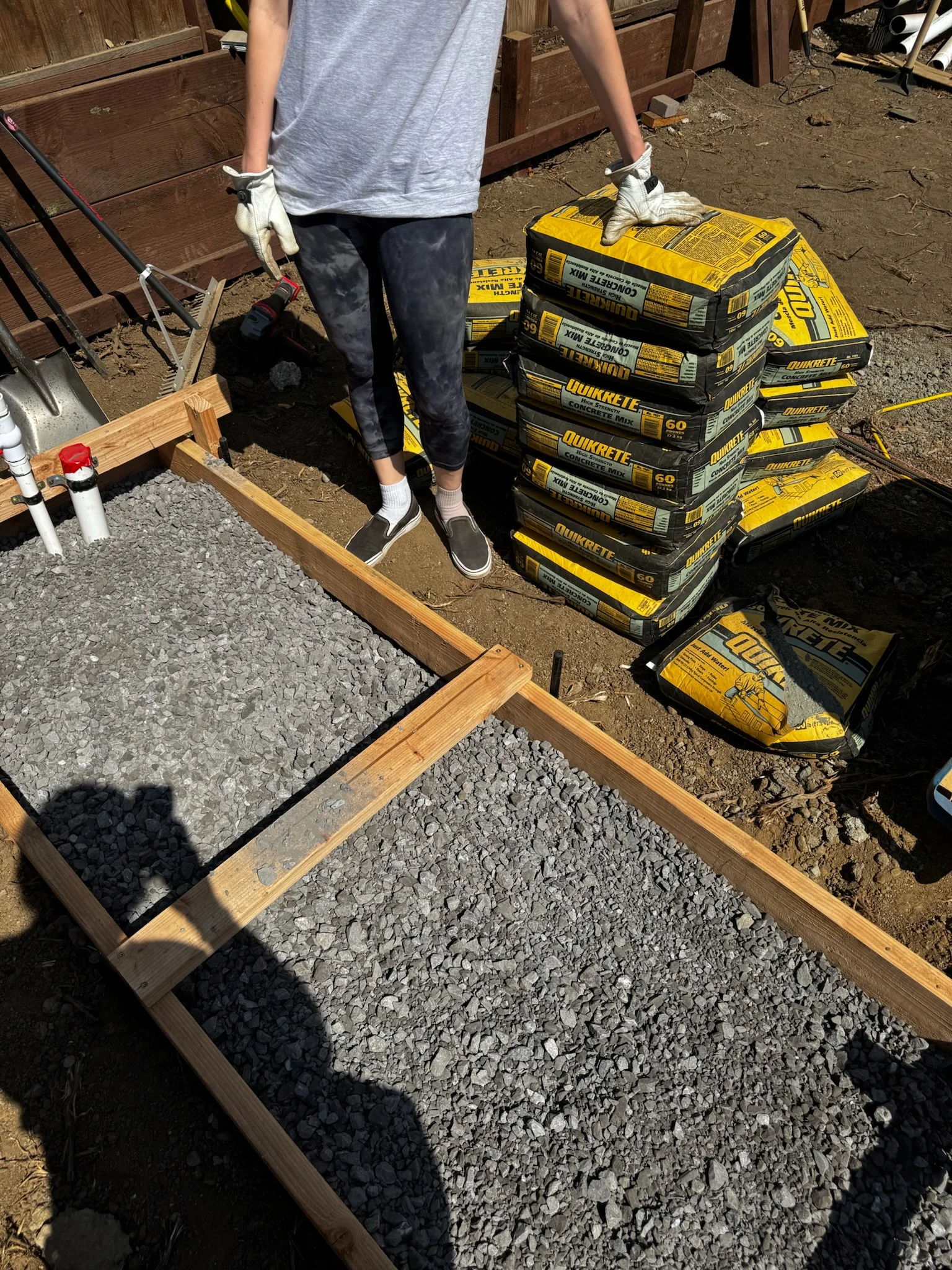
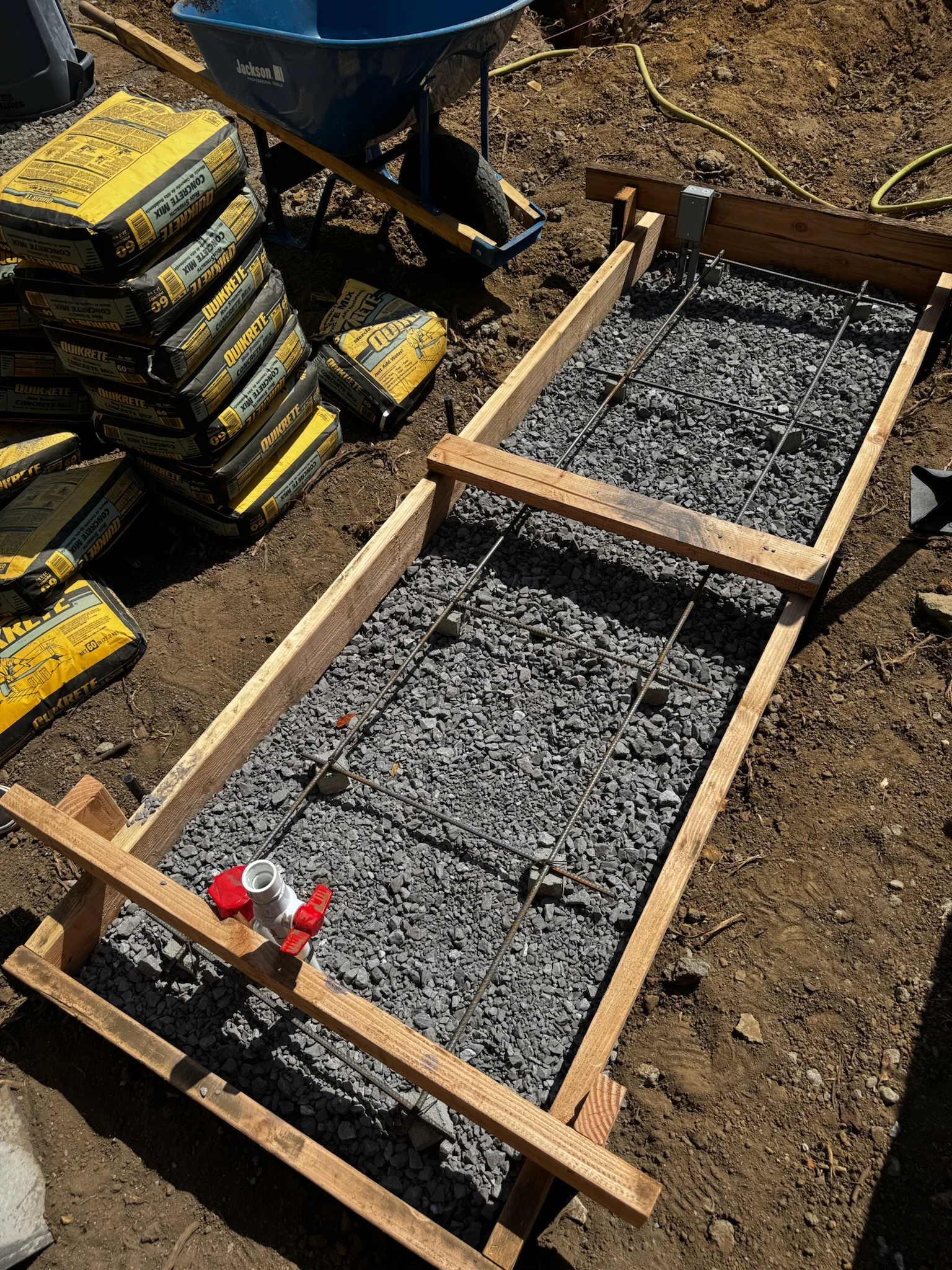
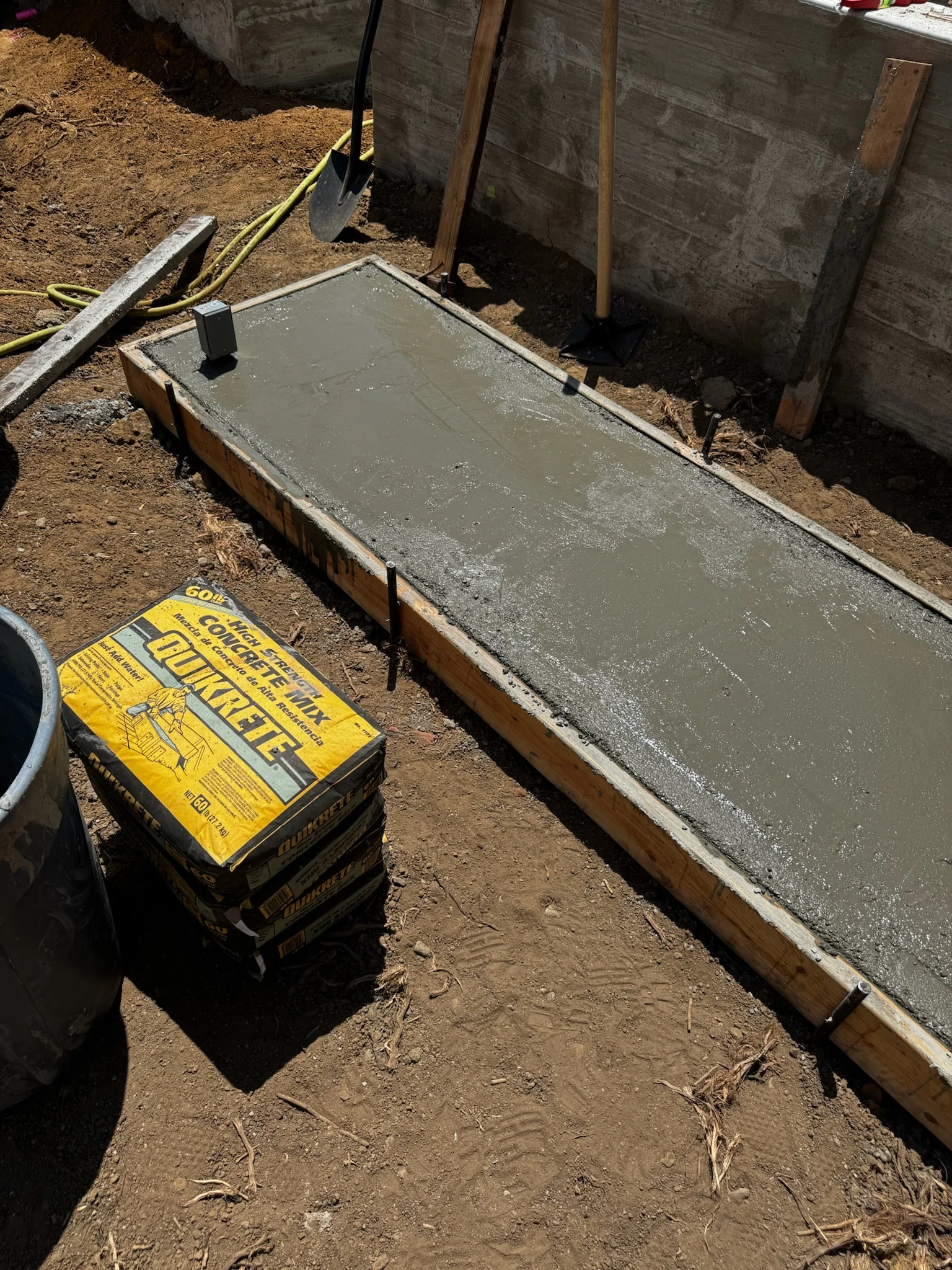
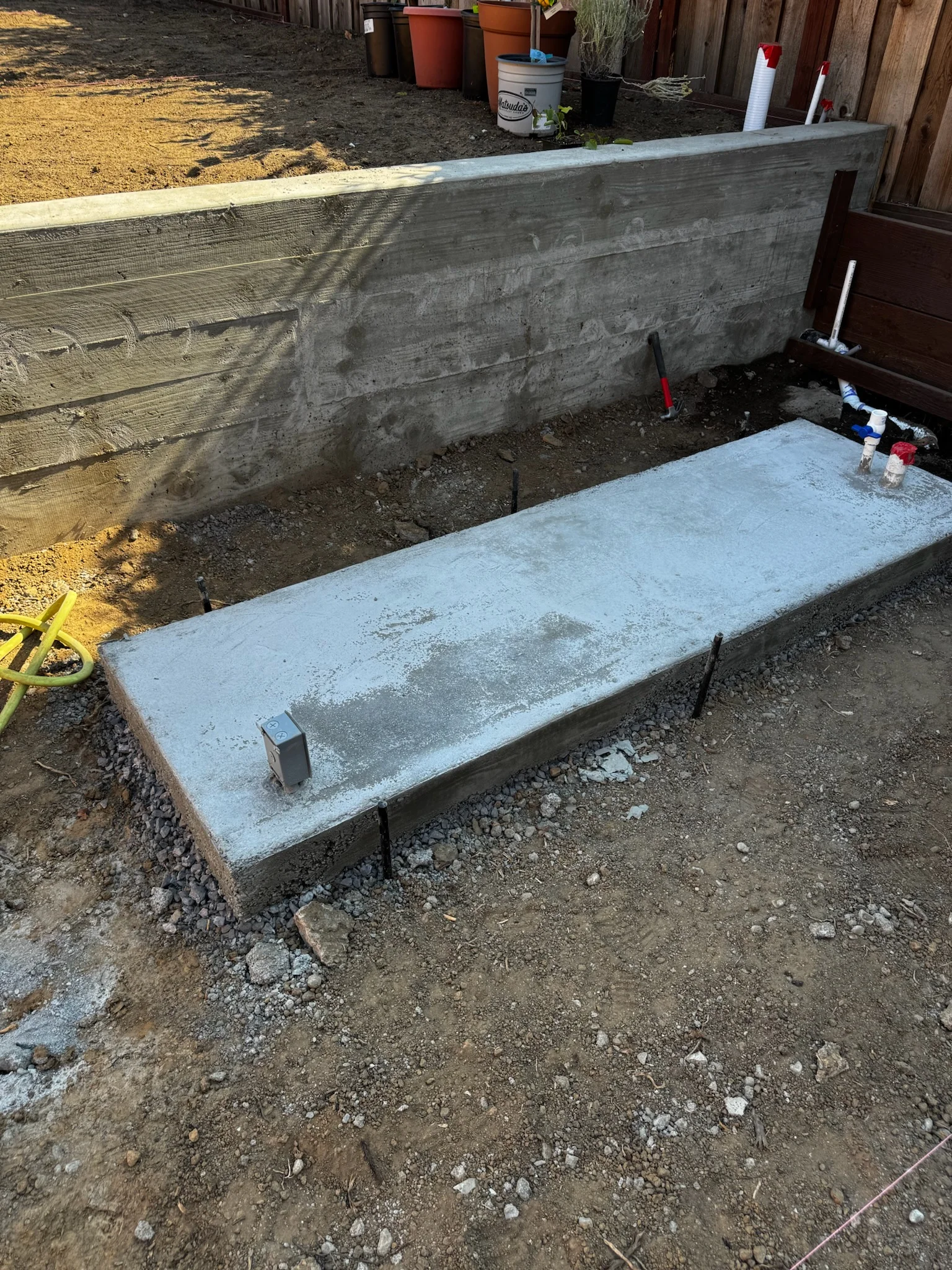
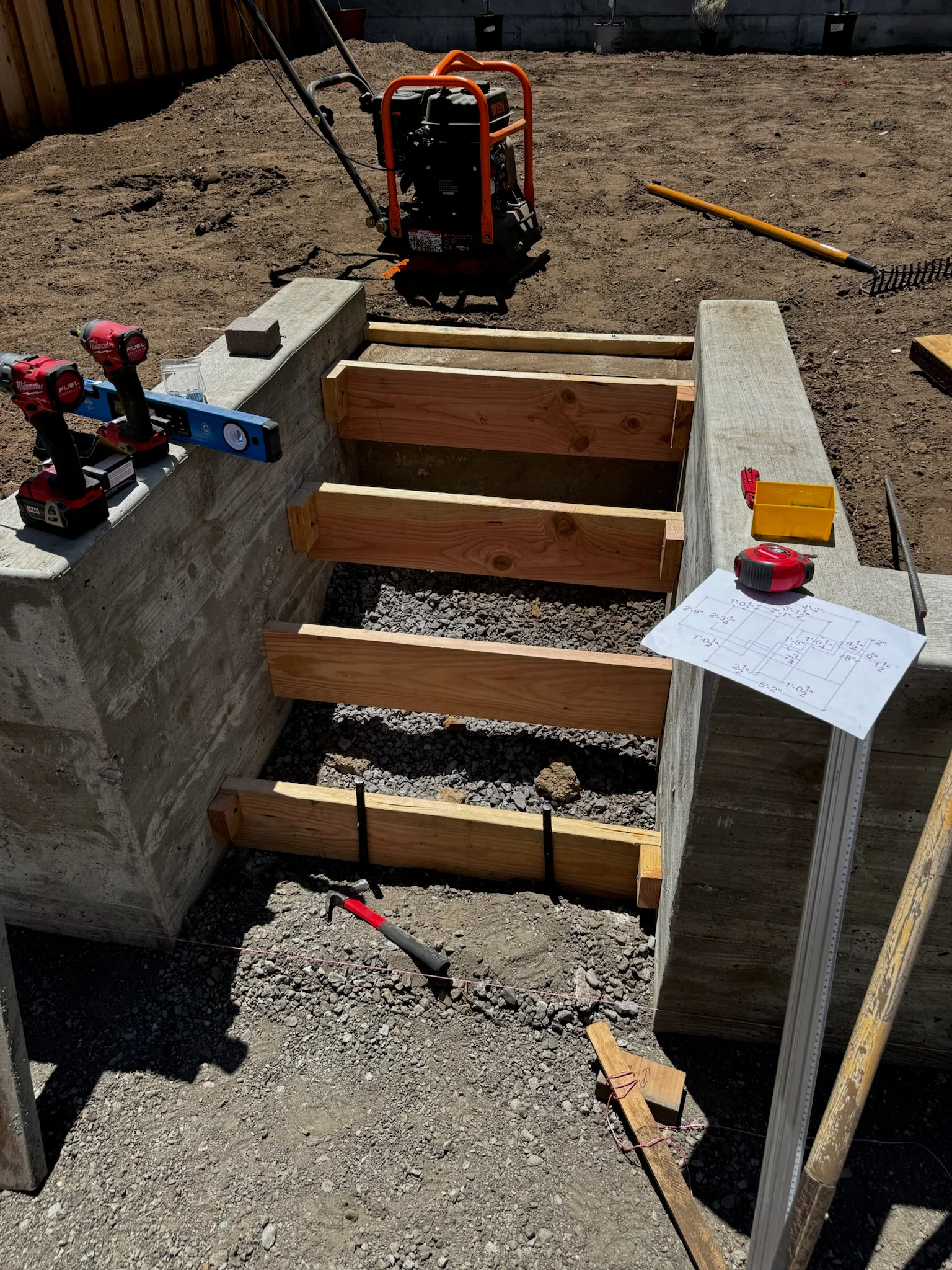
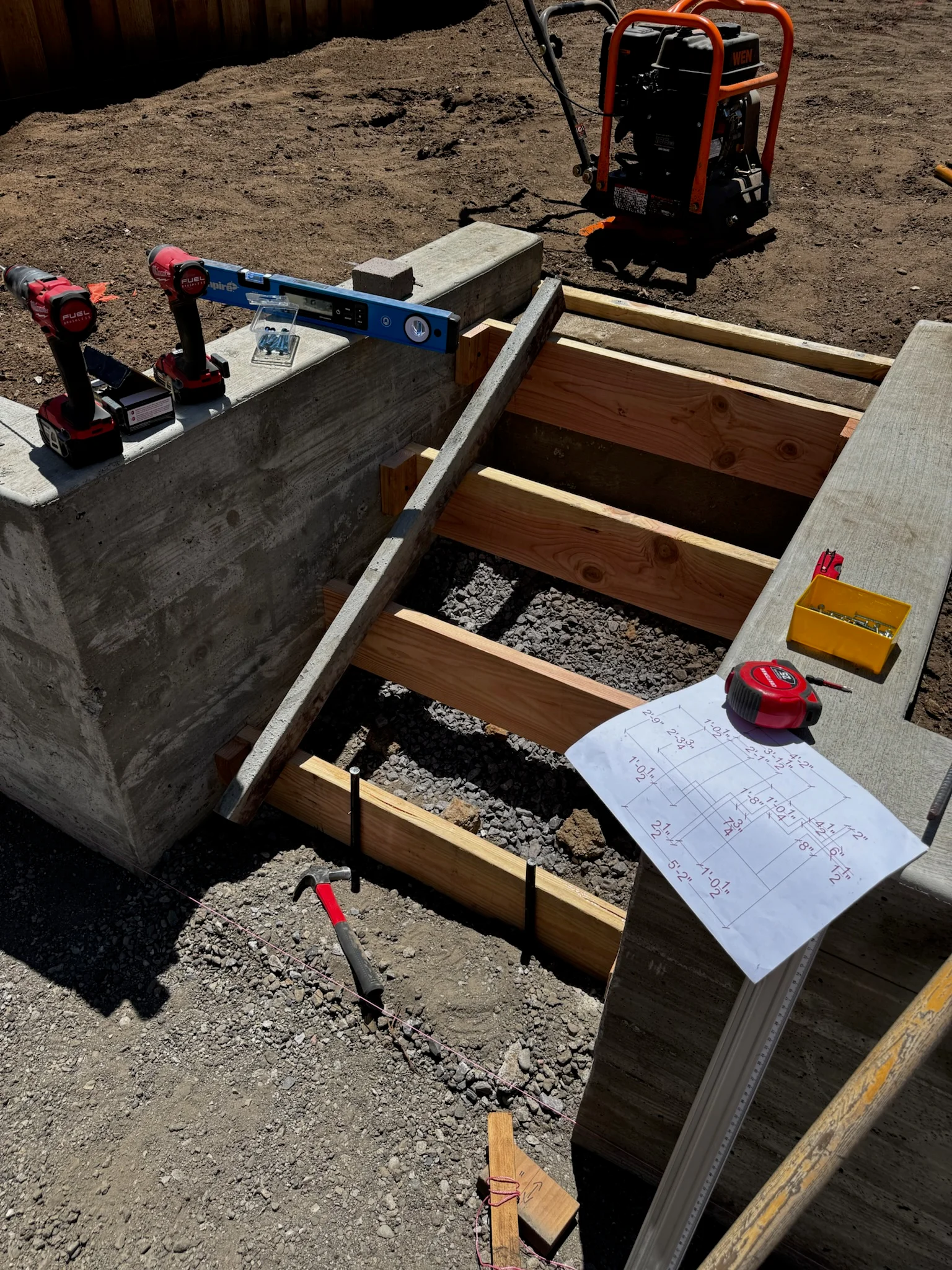
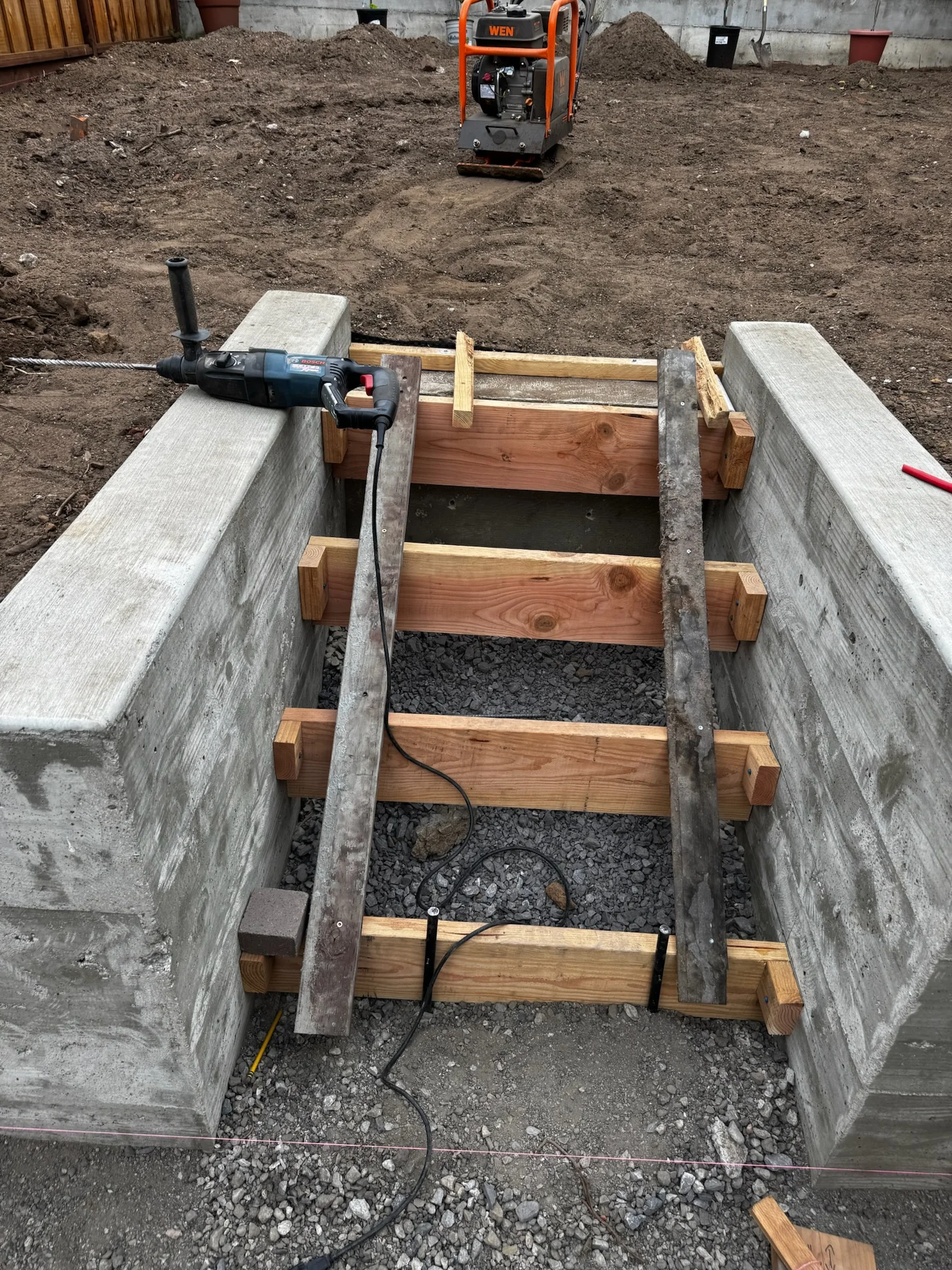
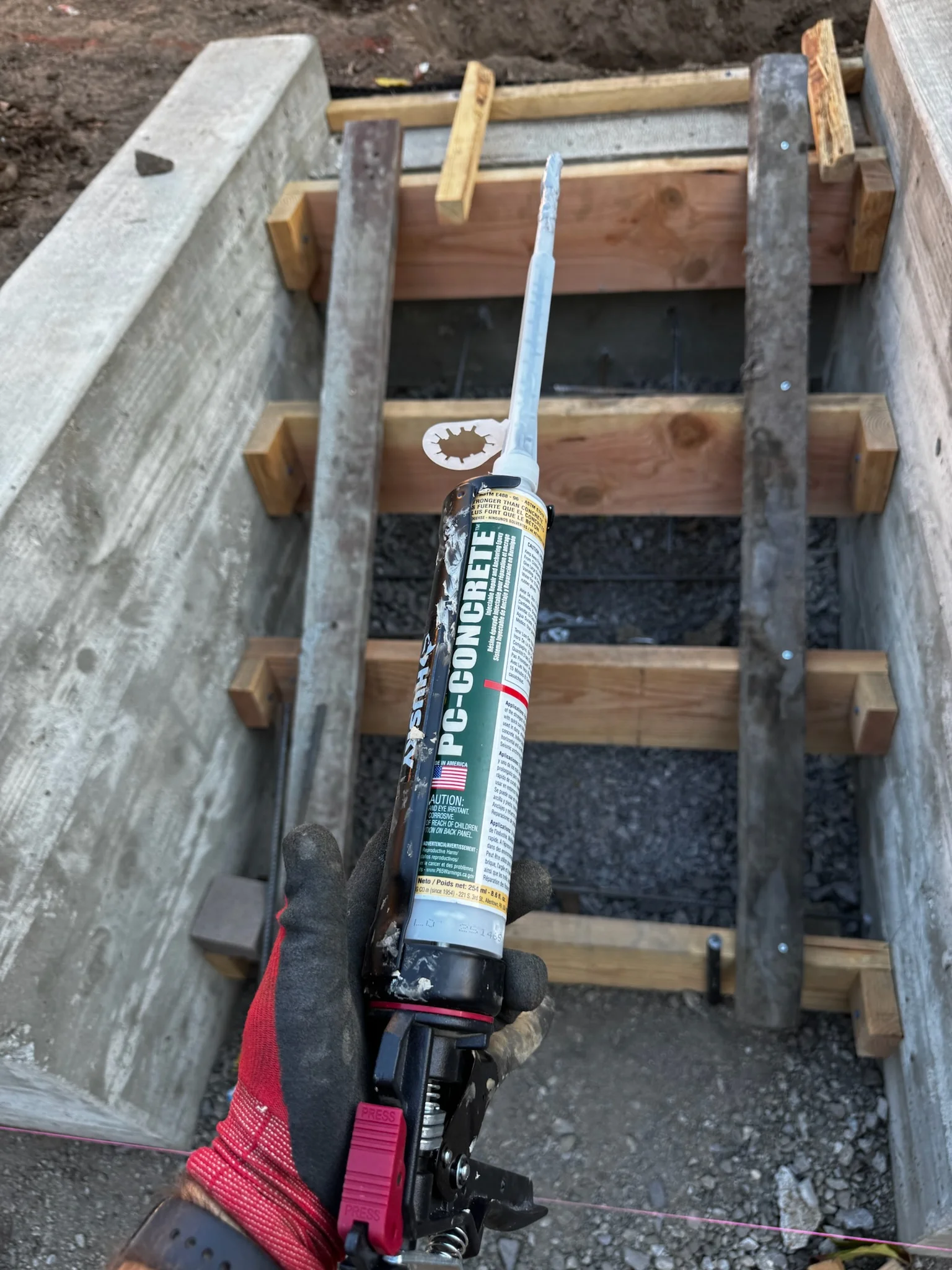
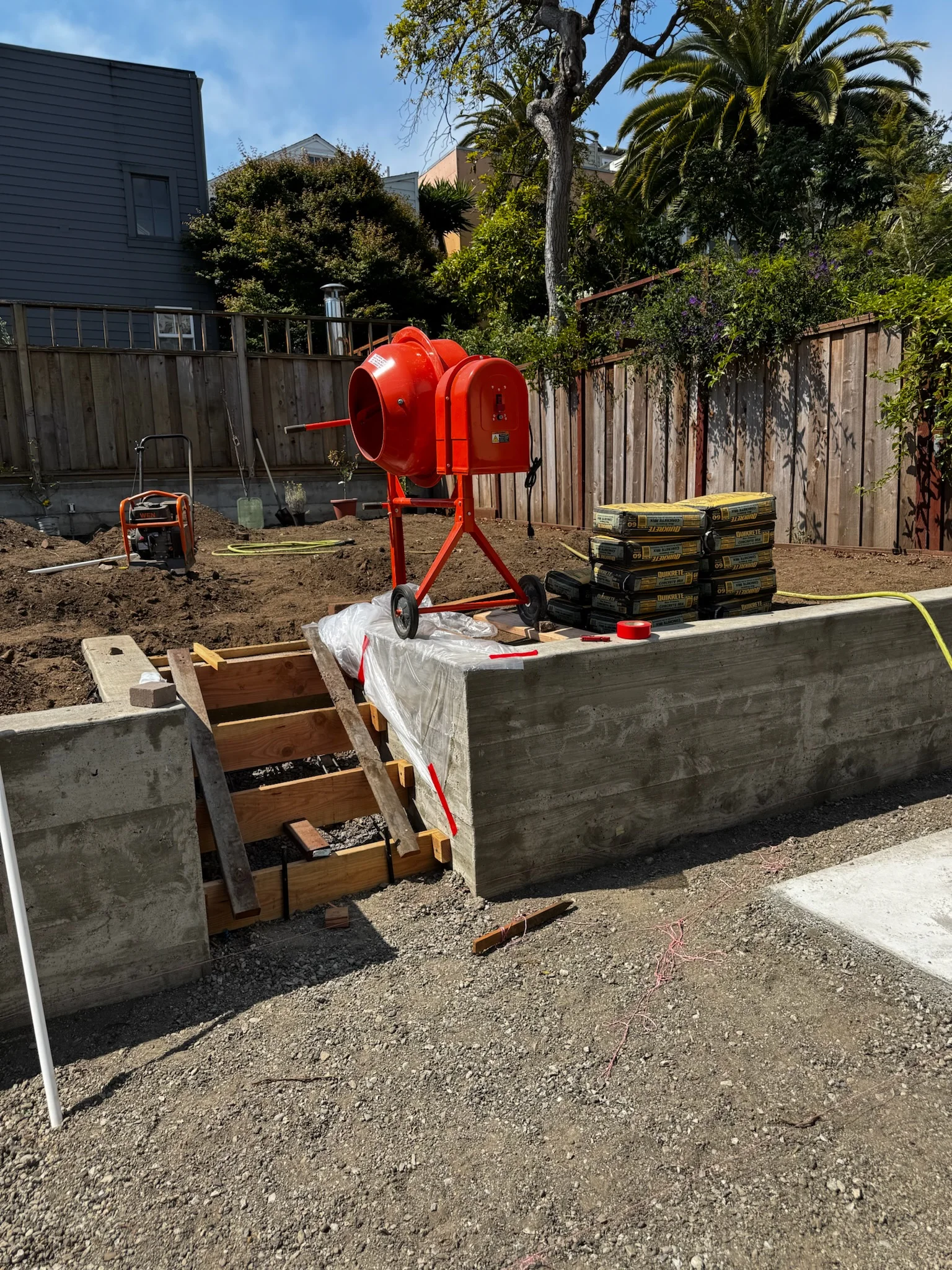
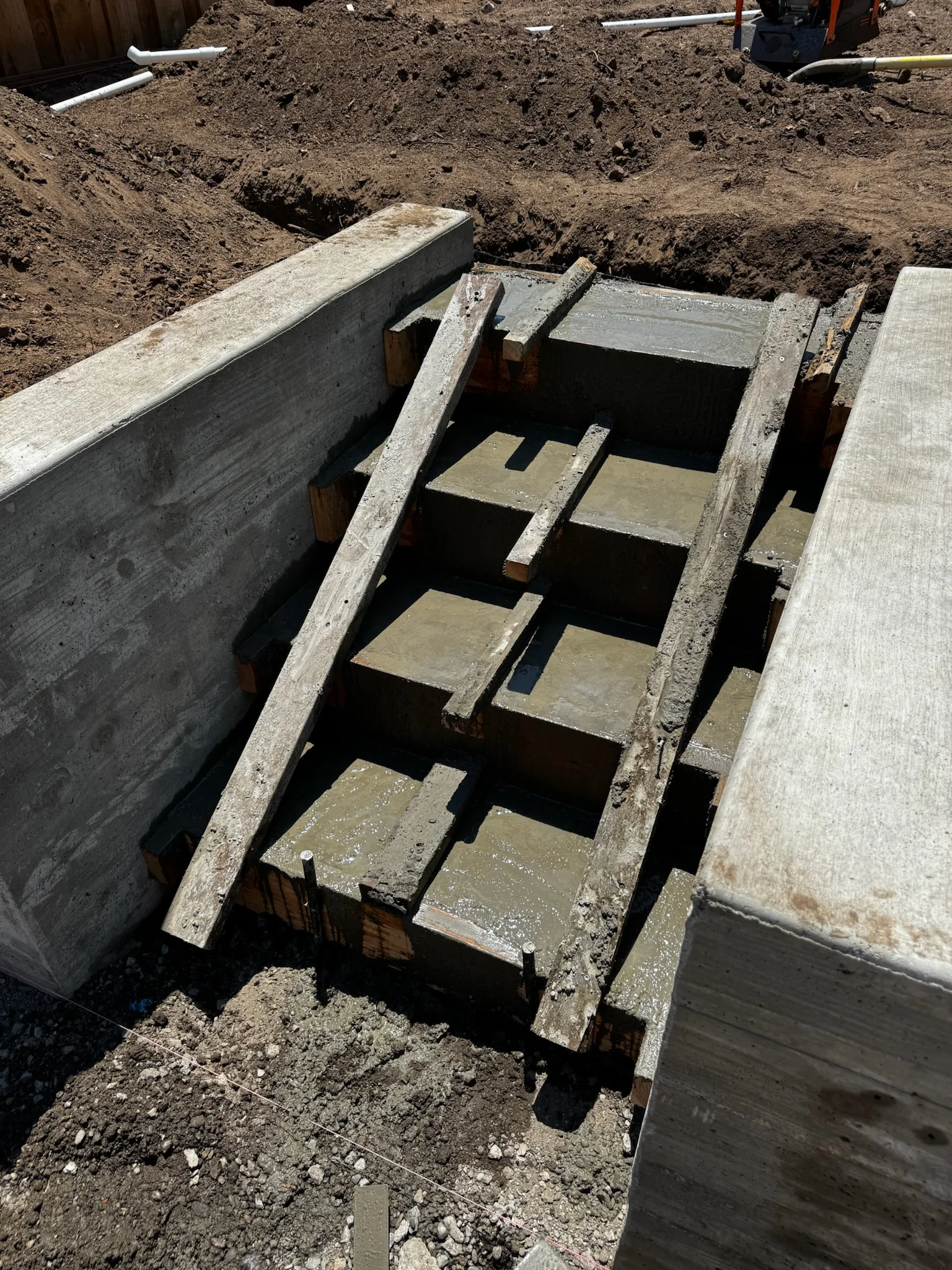
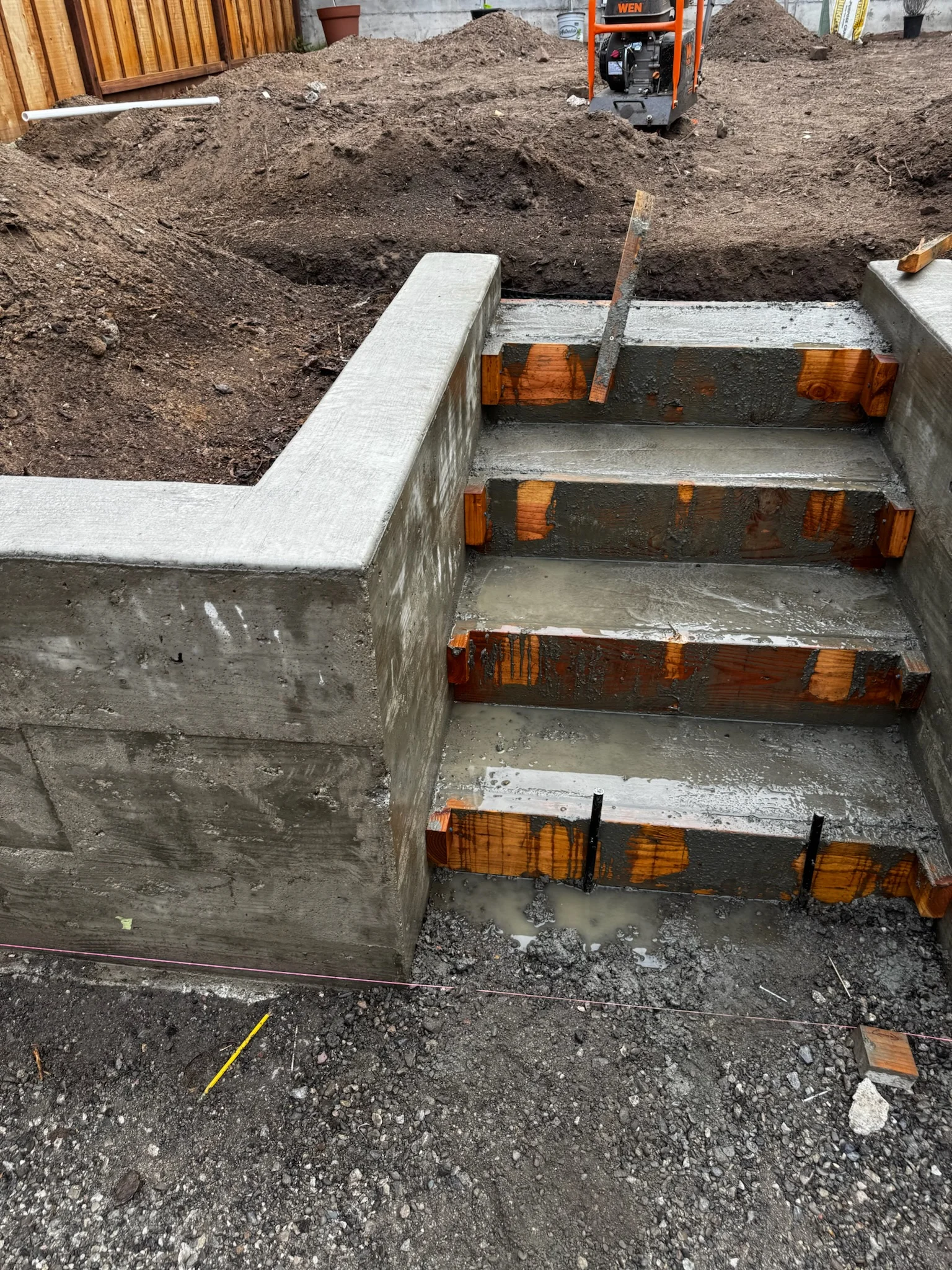
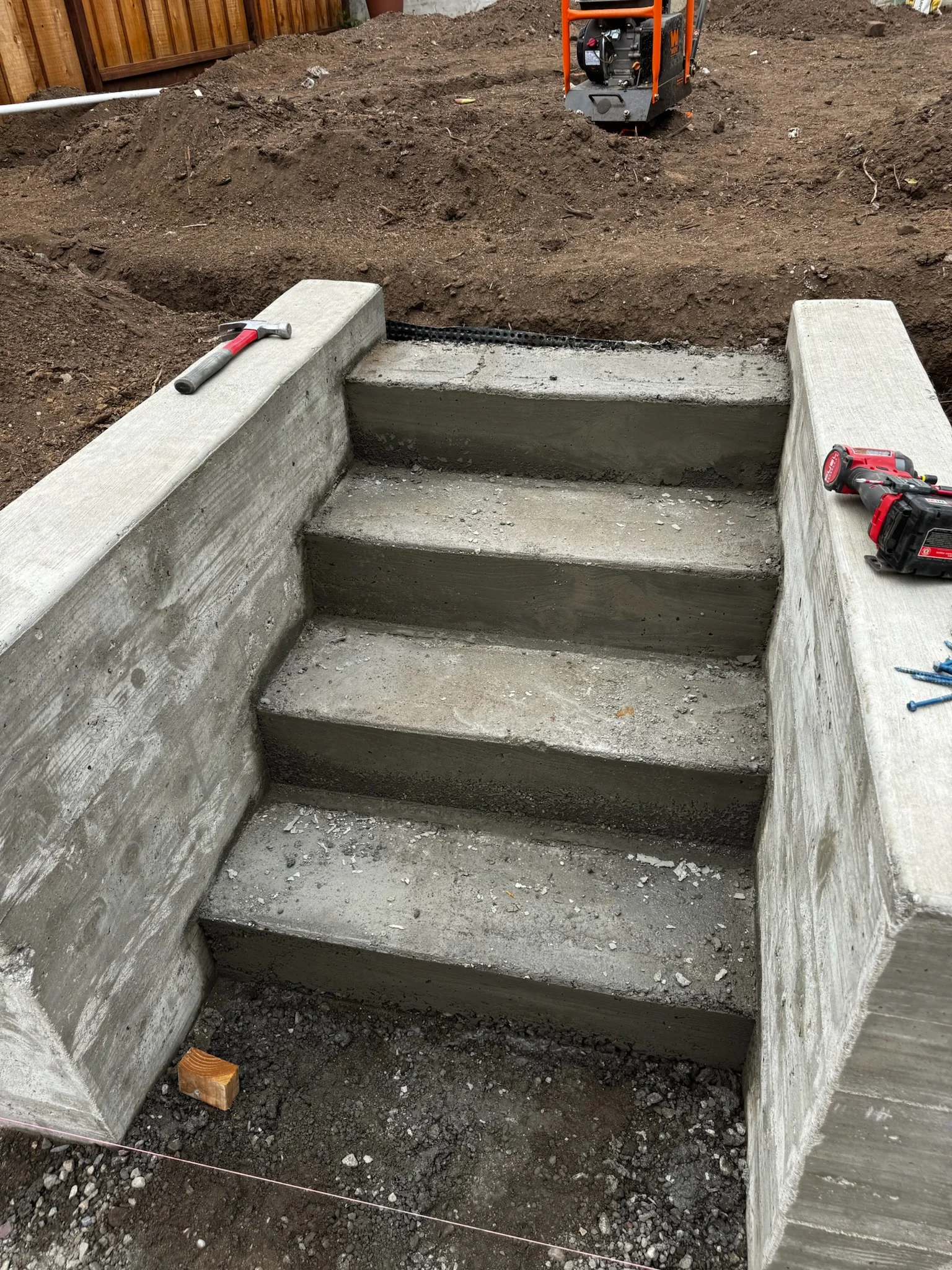
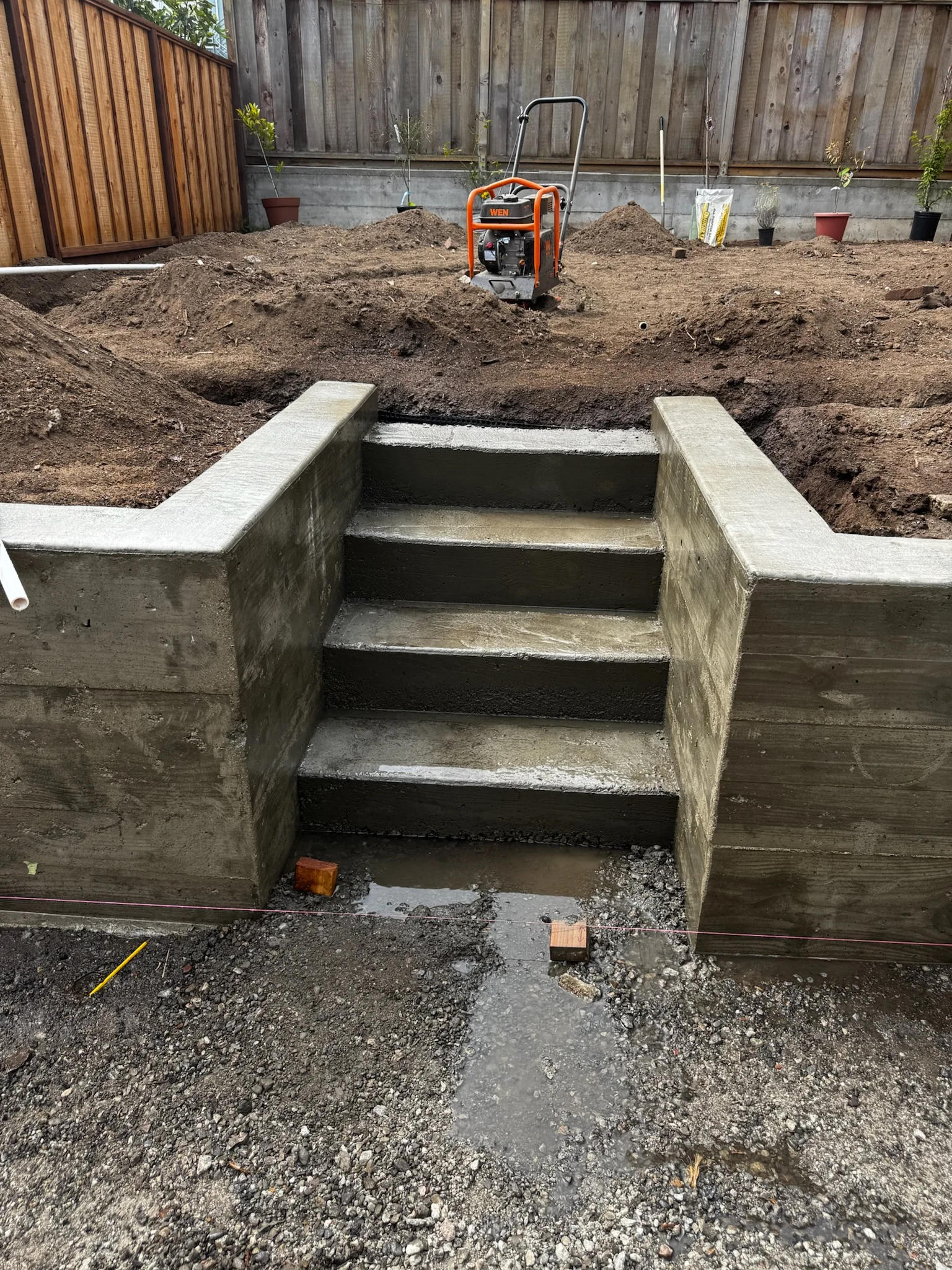
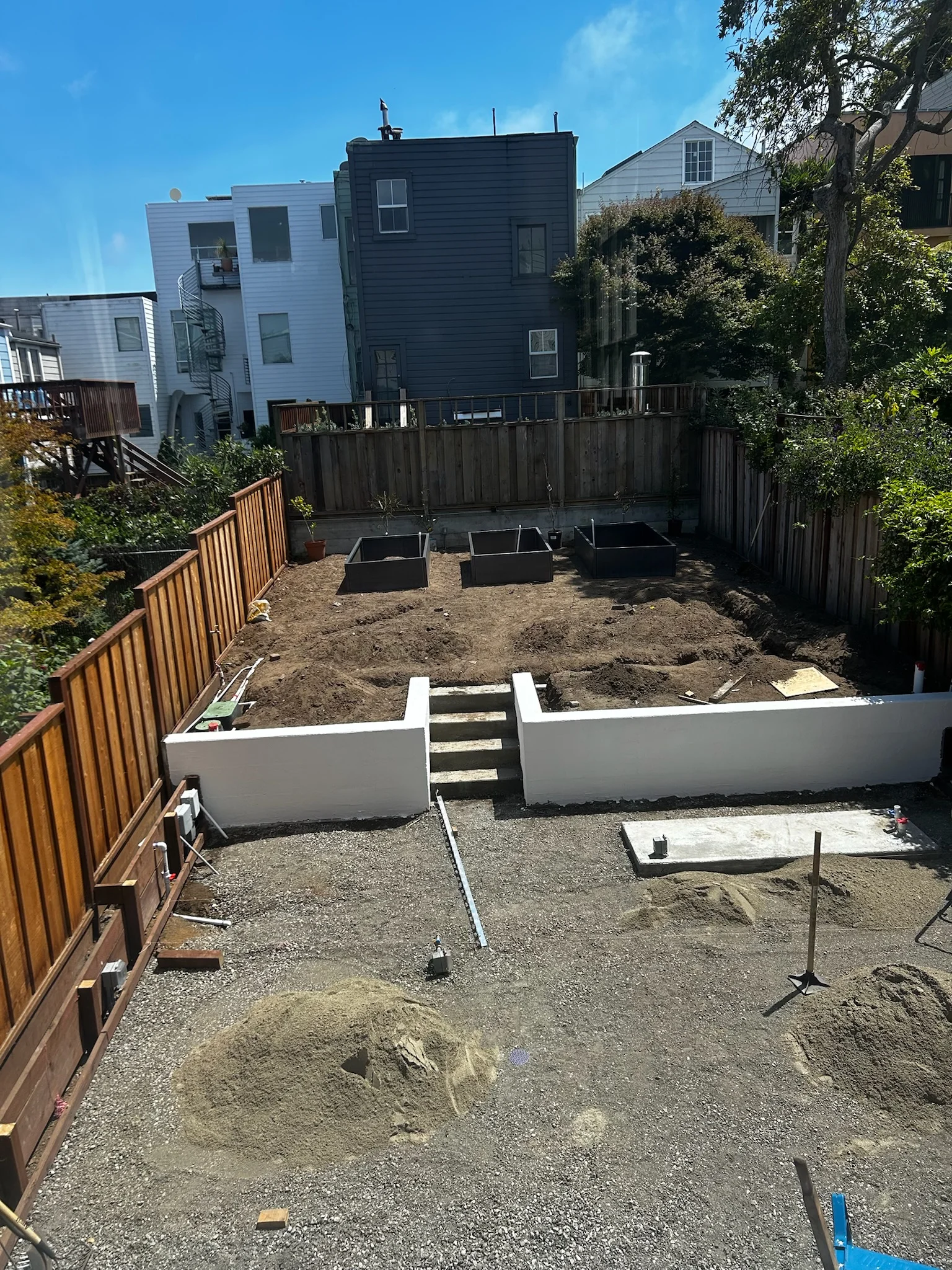
Since it would have been complicated to incorporate in the wall pour, I chose to pour the stairs myself later. I also poured a small pad for the future kitchen island, after running electrical, water, and drain to it.
Wall Plastering & Garden Bed install
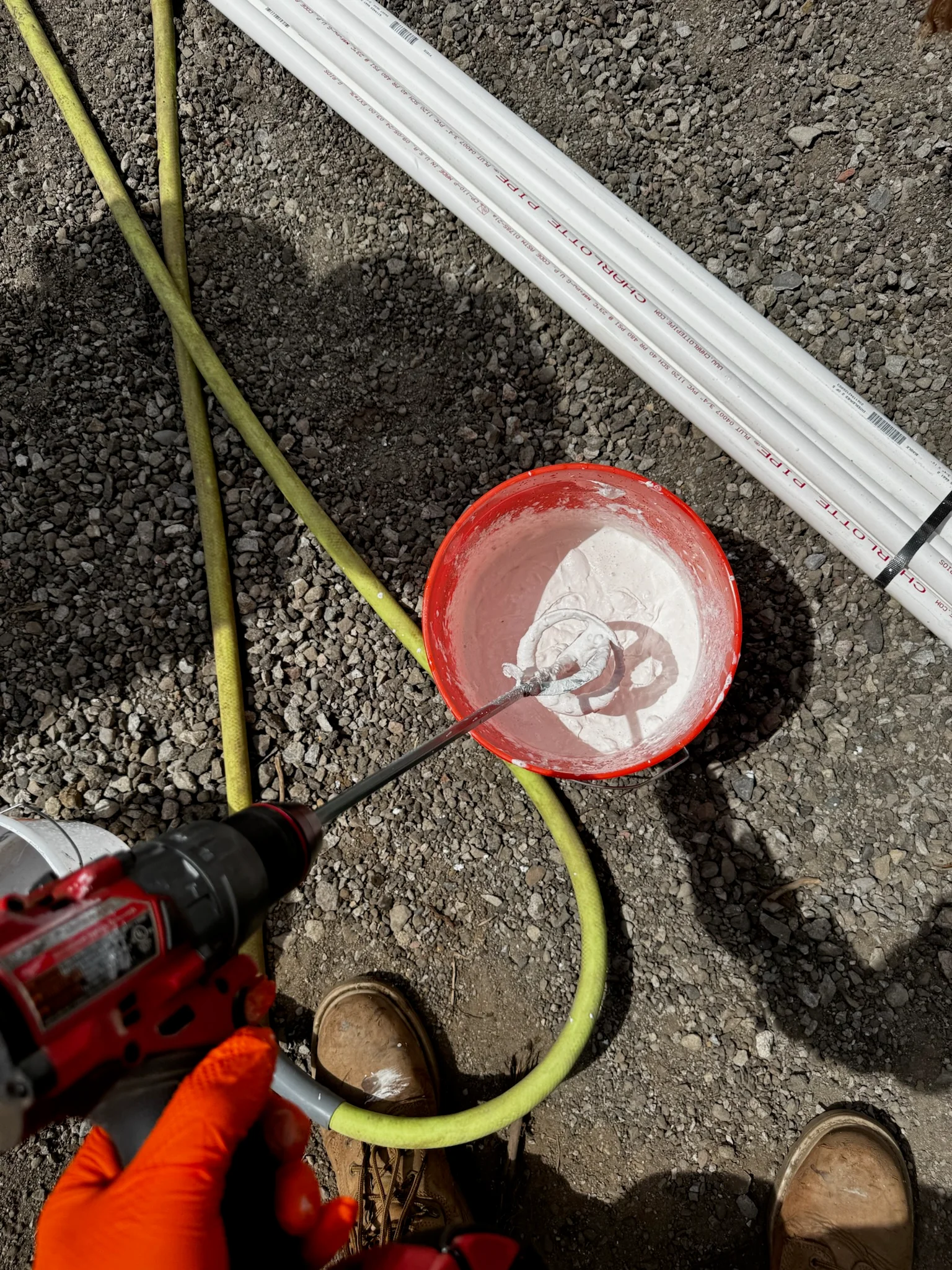
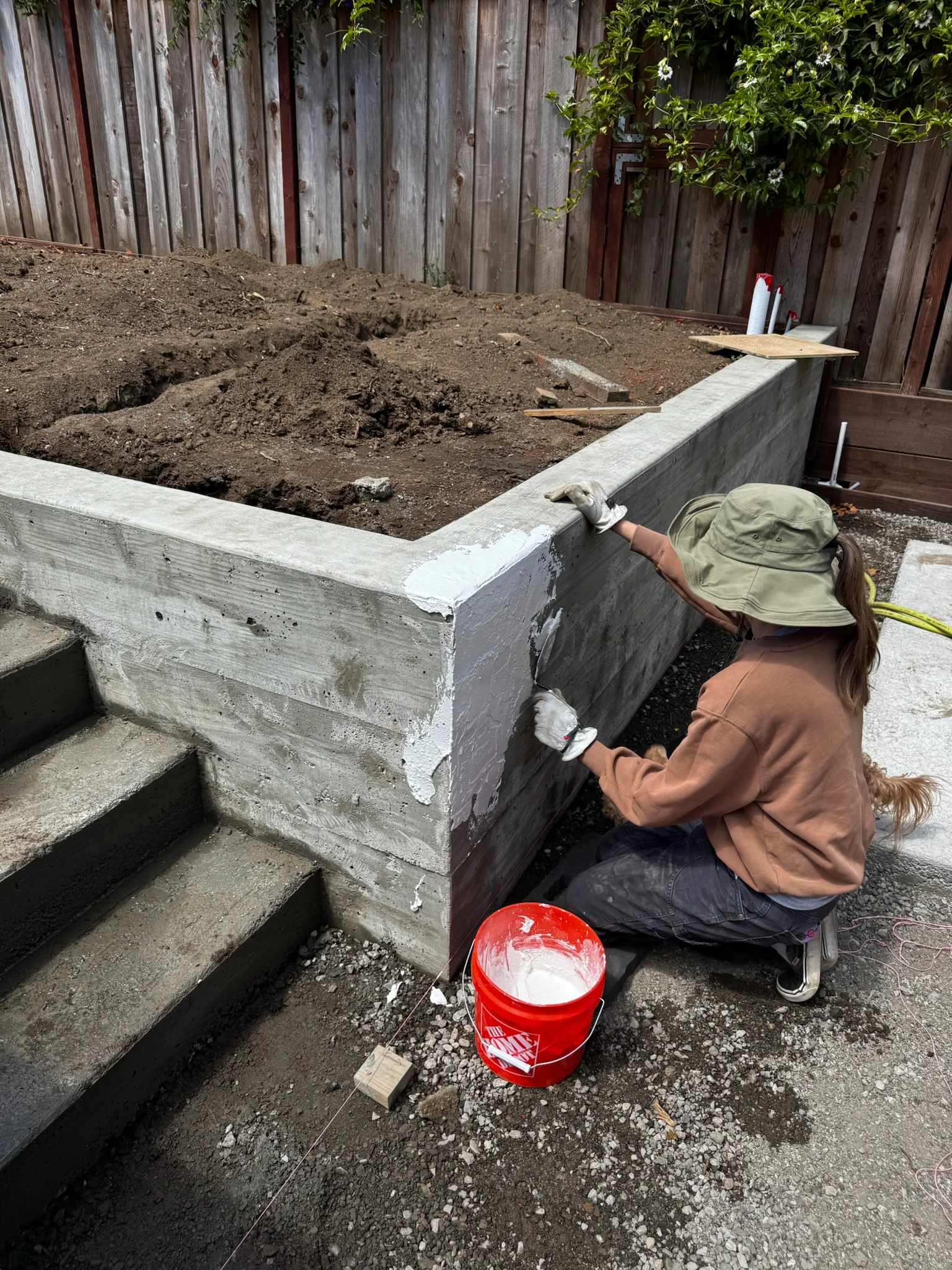
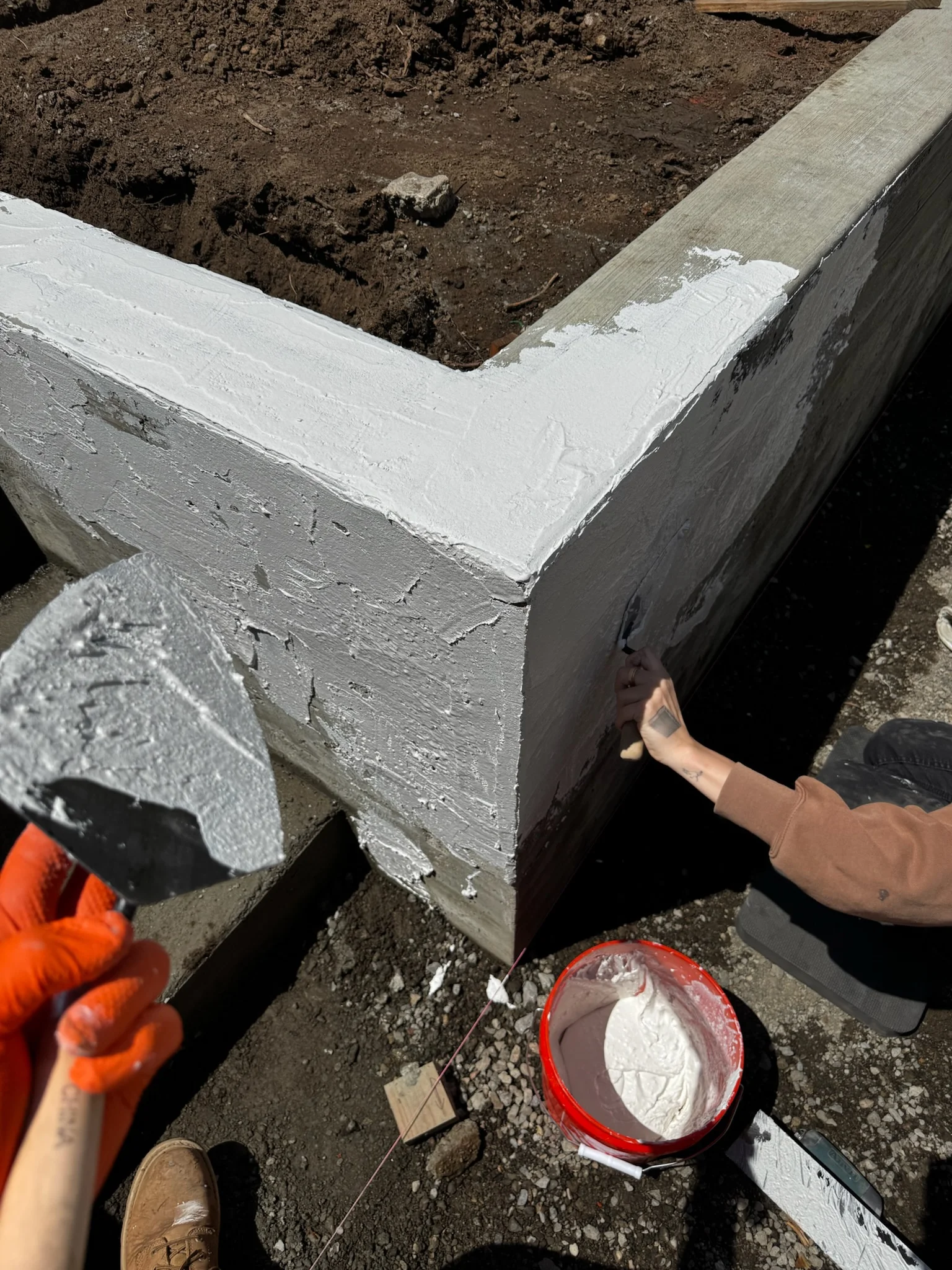
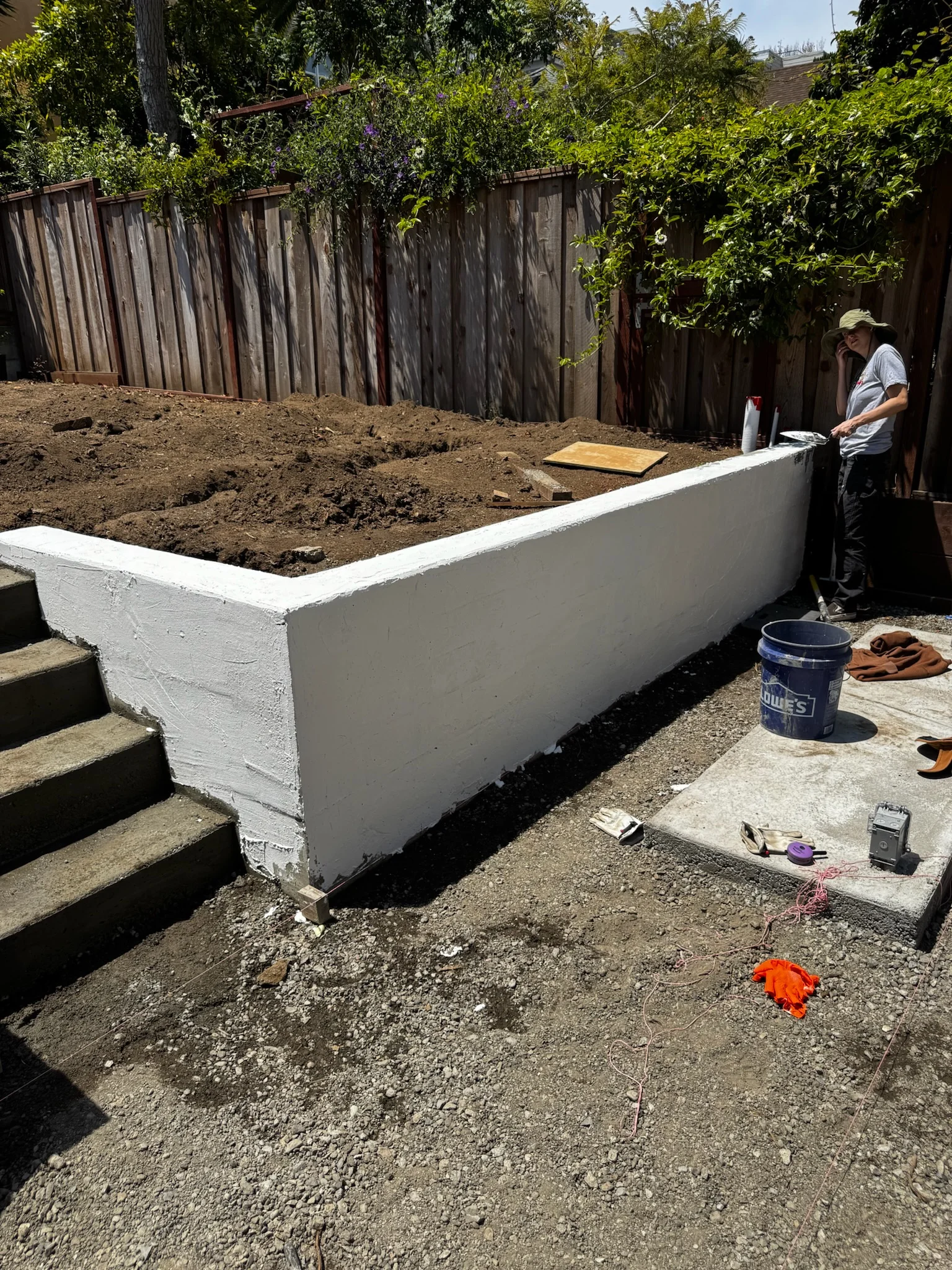
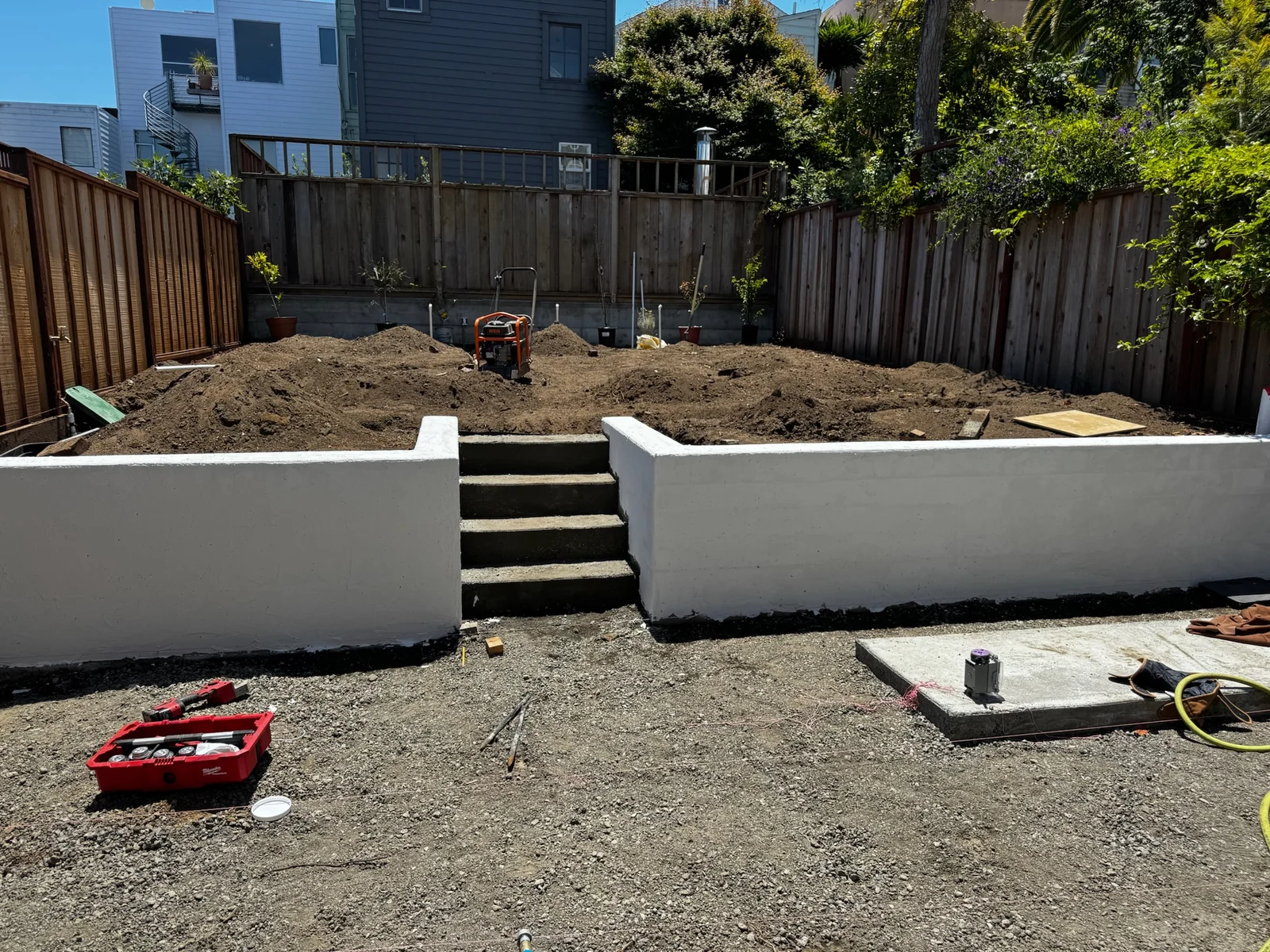
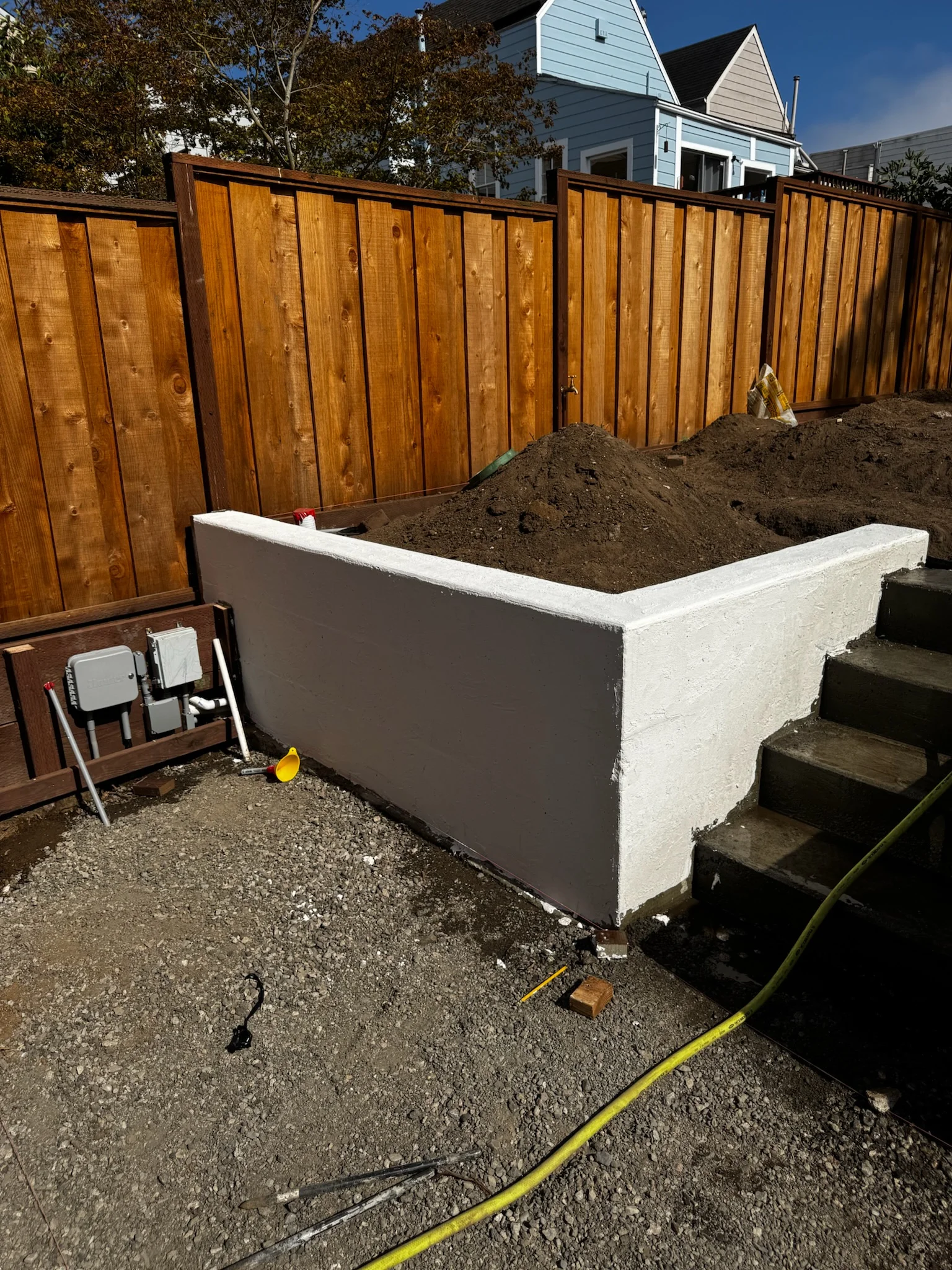
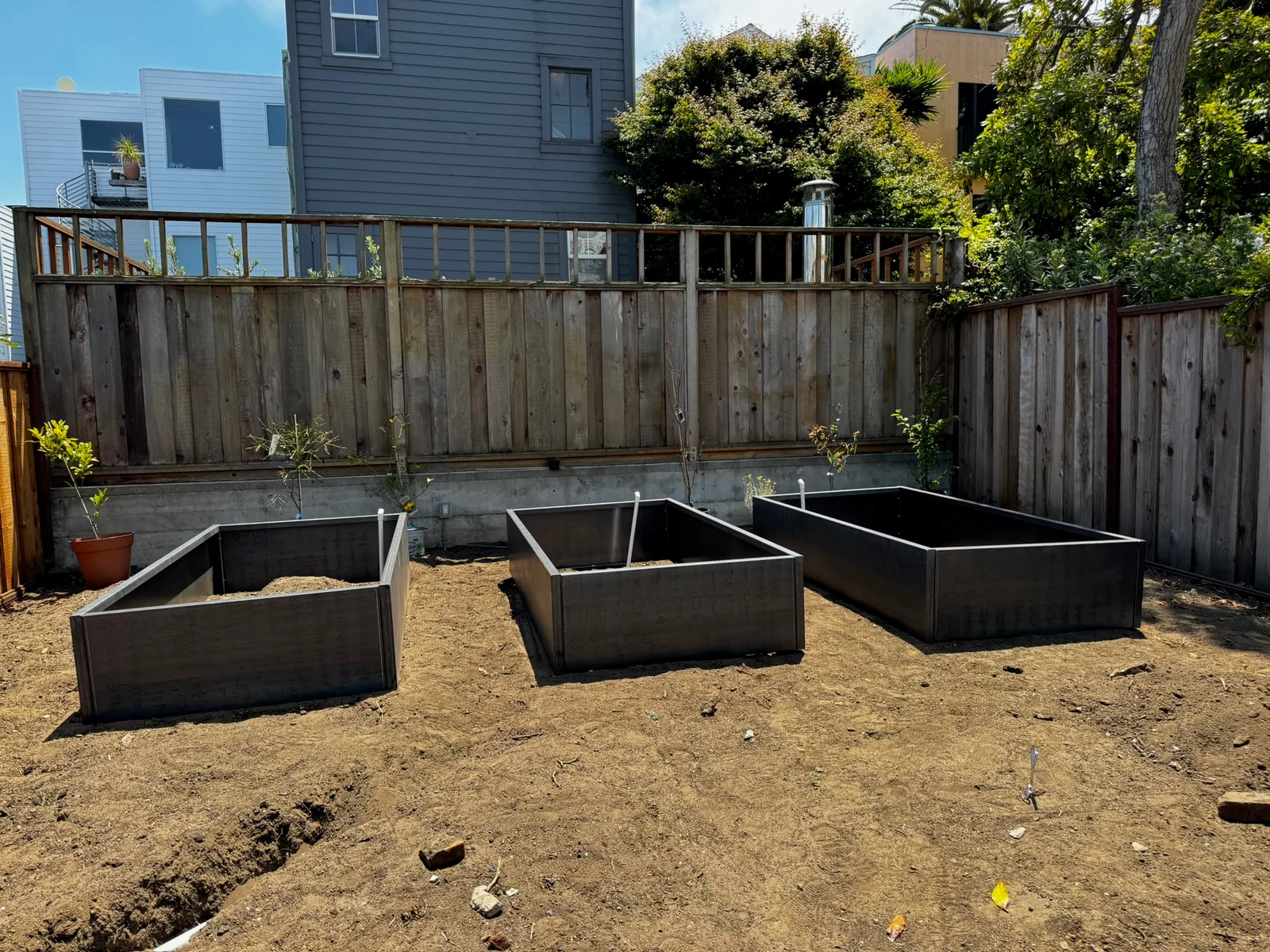
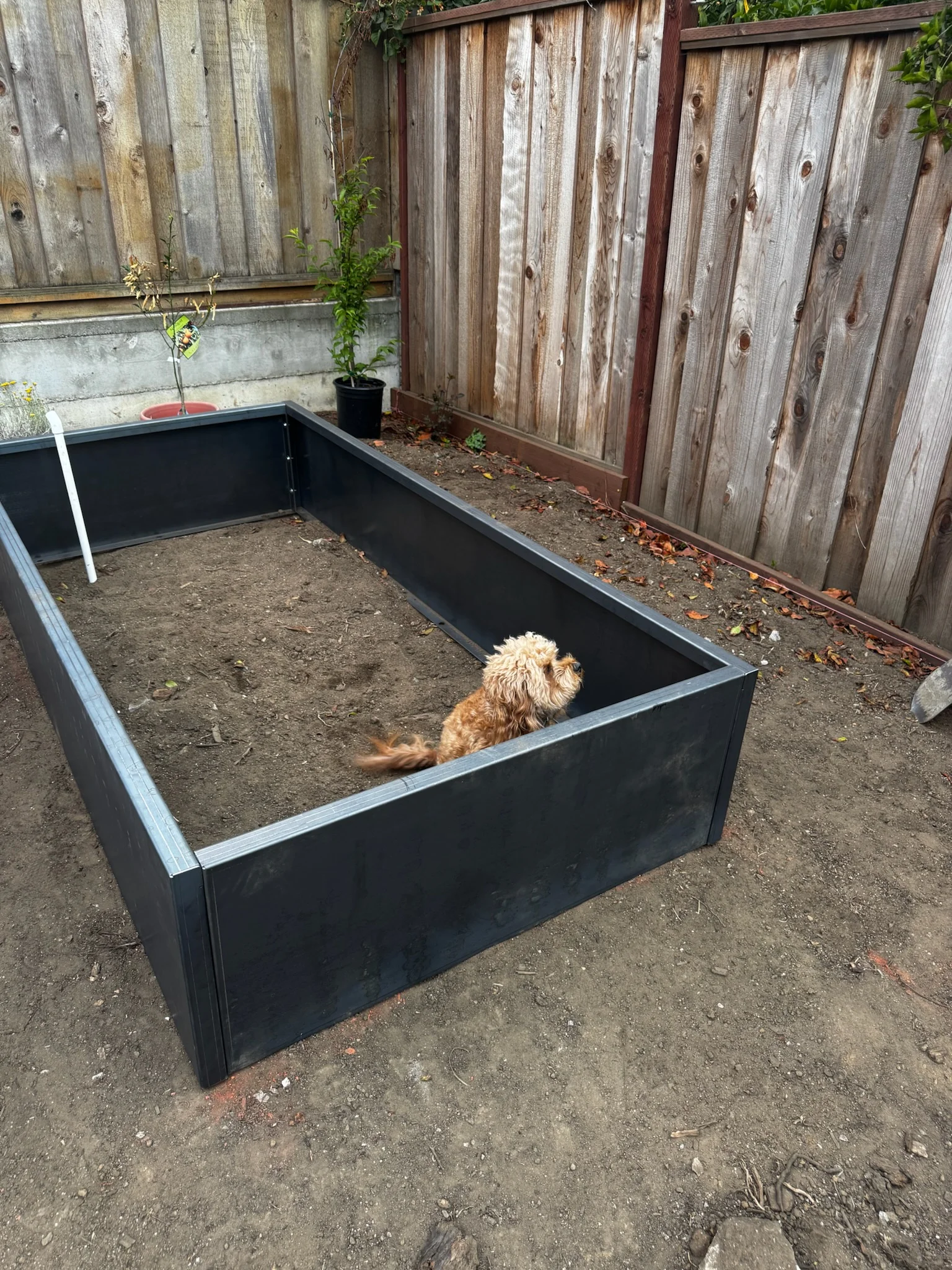
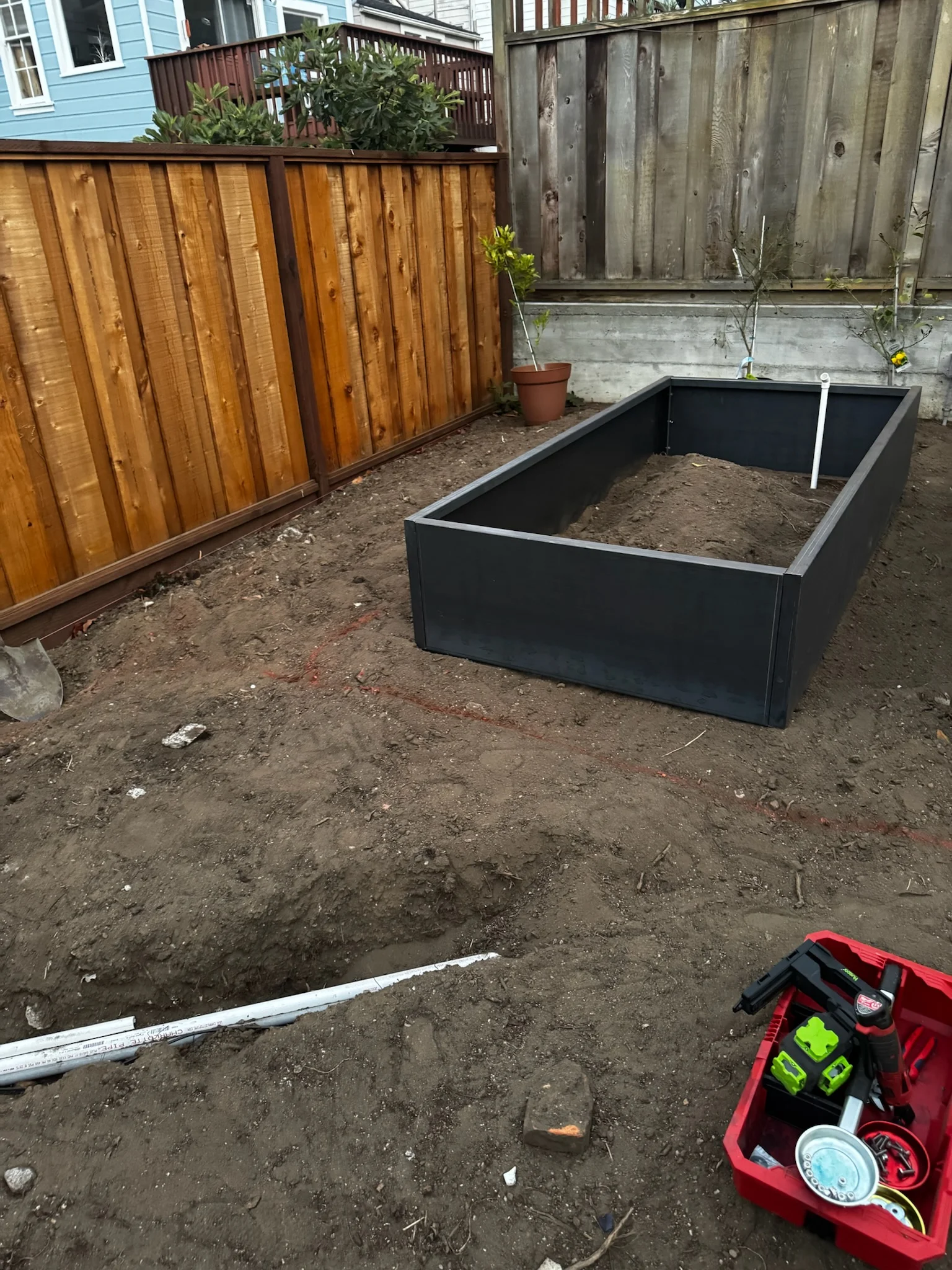
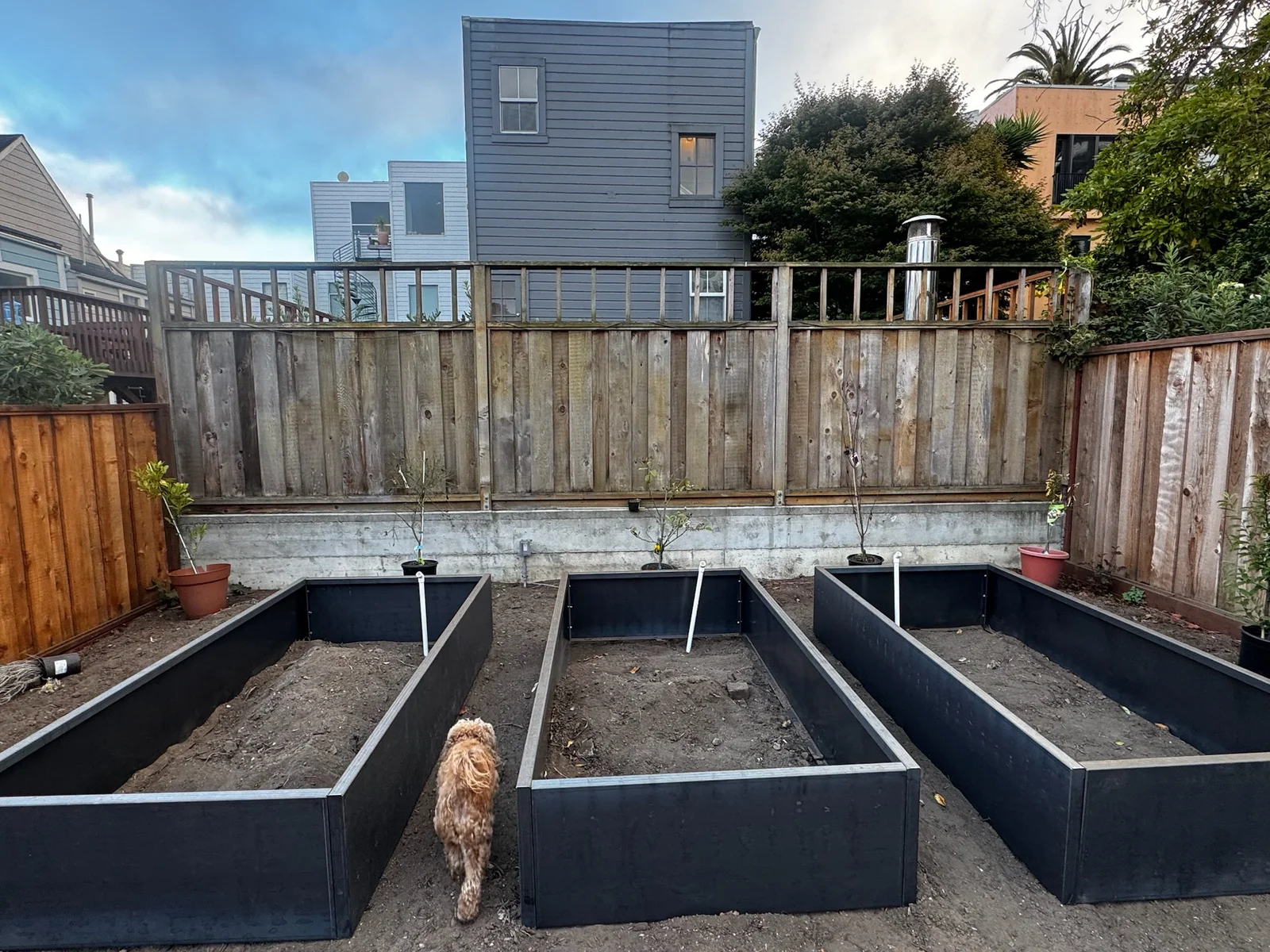
We wanted a smooth stucco like finish on the wall, and ended up with Lime Slurry from Color Atelier. This is almost like a plaster version of the Lime Wash we did in our old bathroom. The planters are made from Corten steel, which develops a rust patina over time that protects it from further corrosion. I ordered these custom made from a local fabricator.
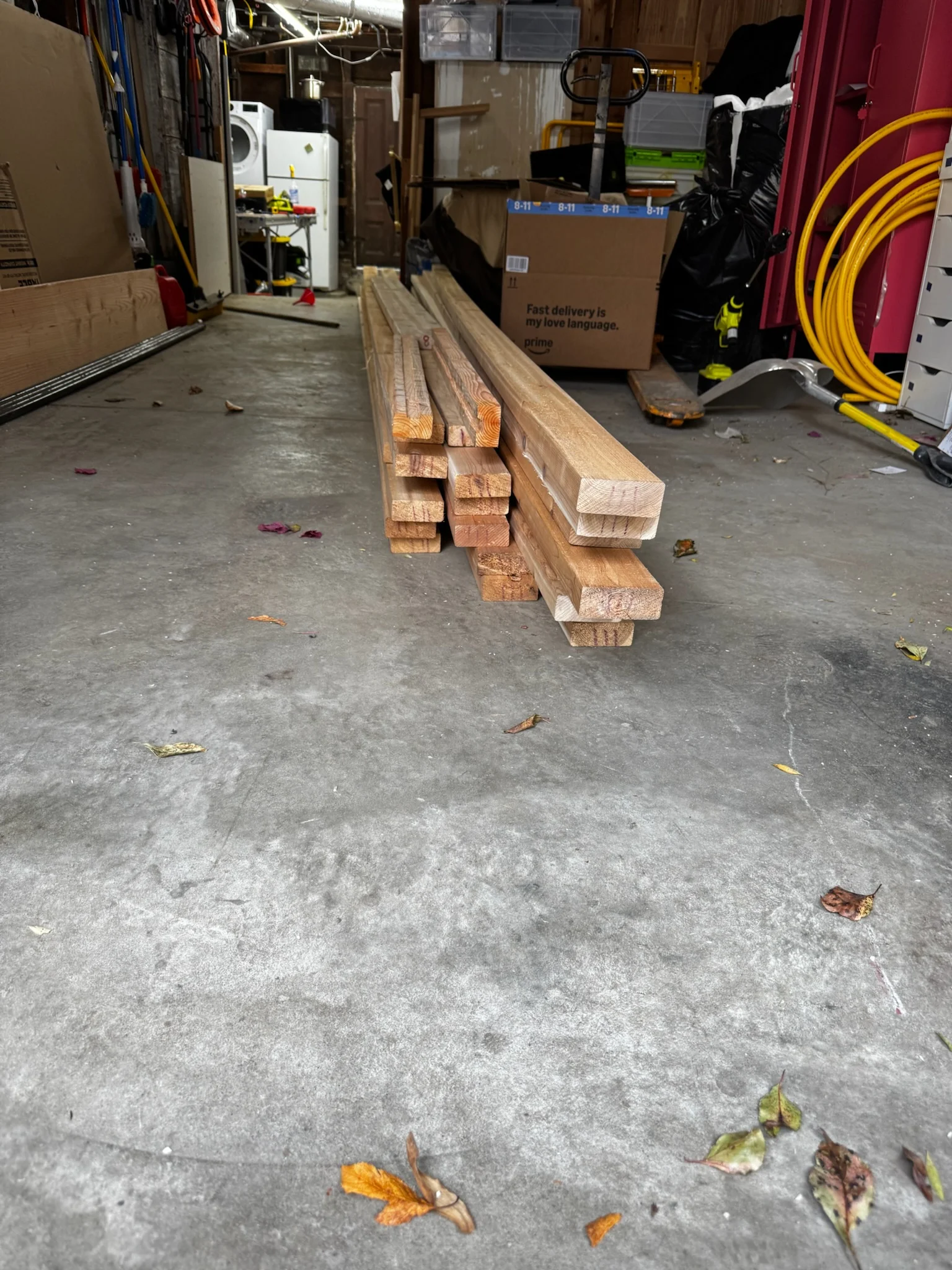
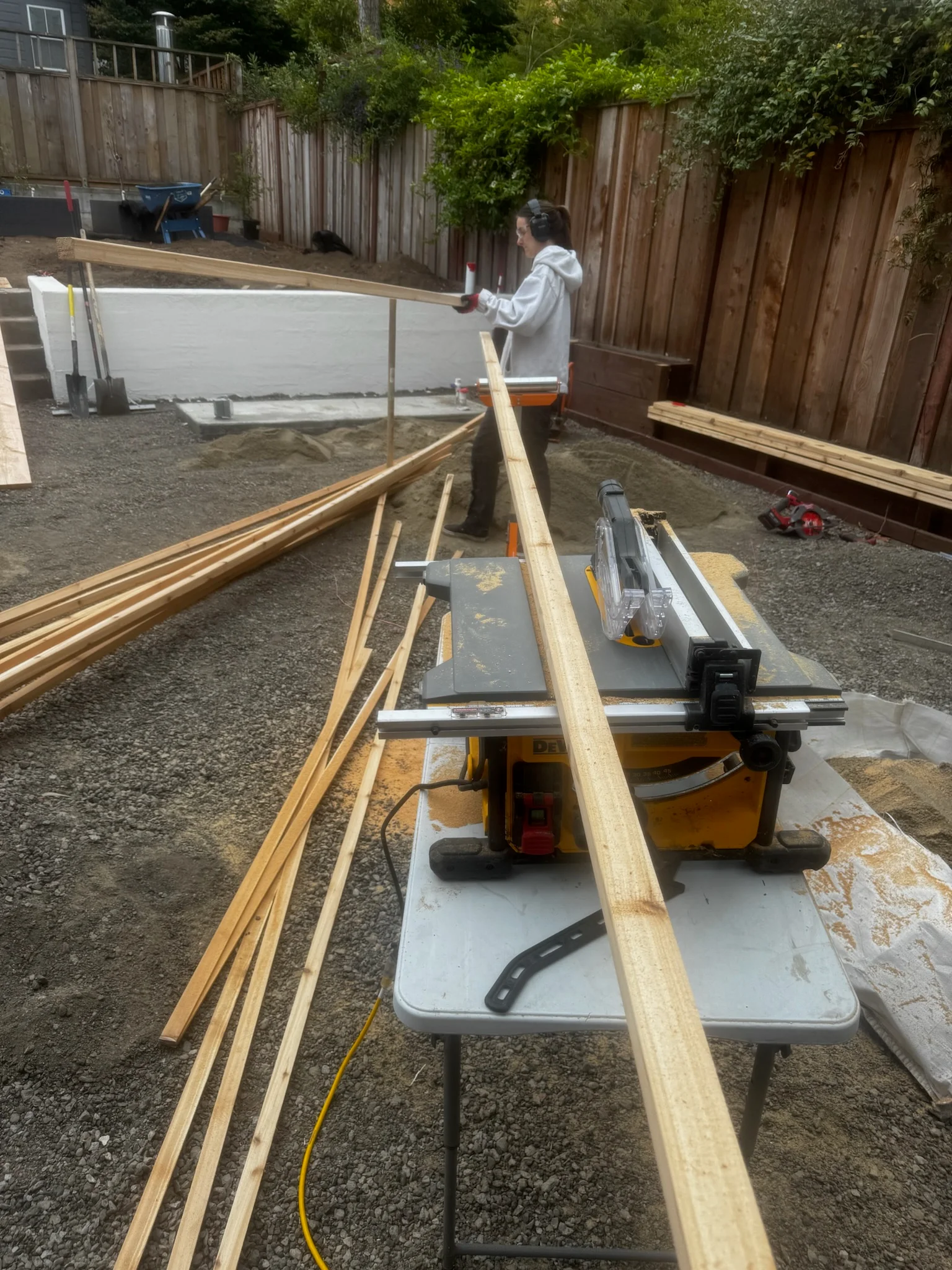
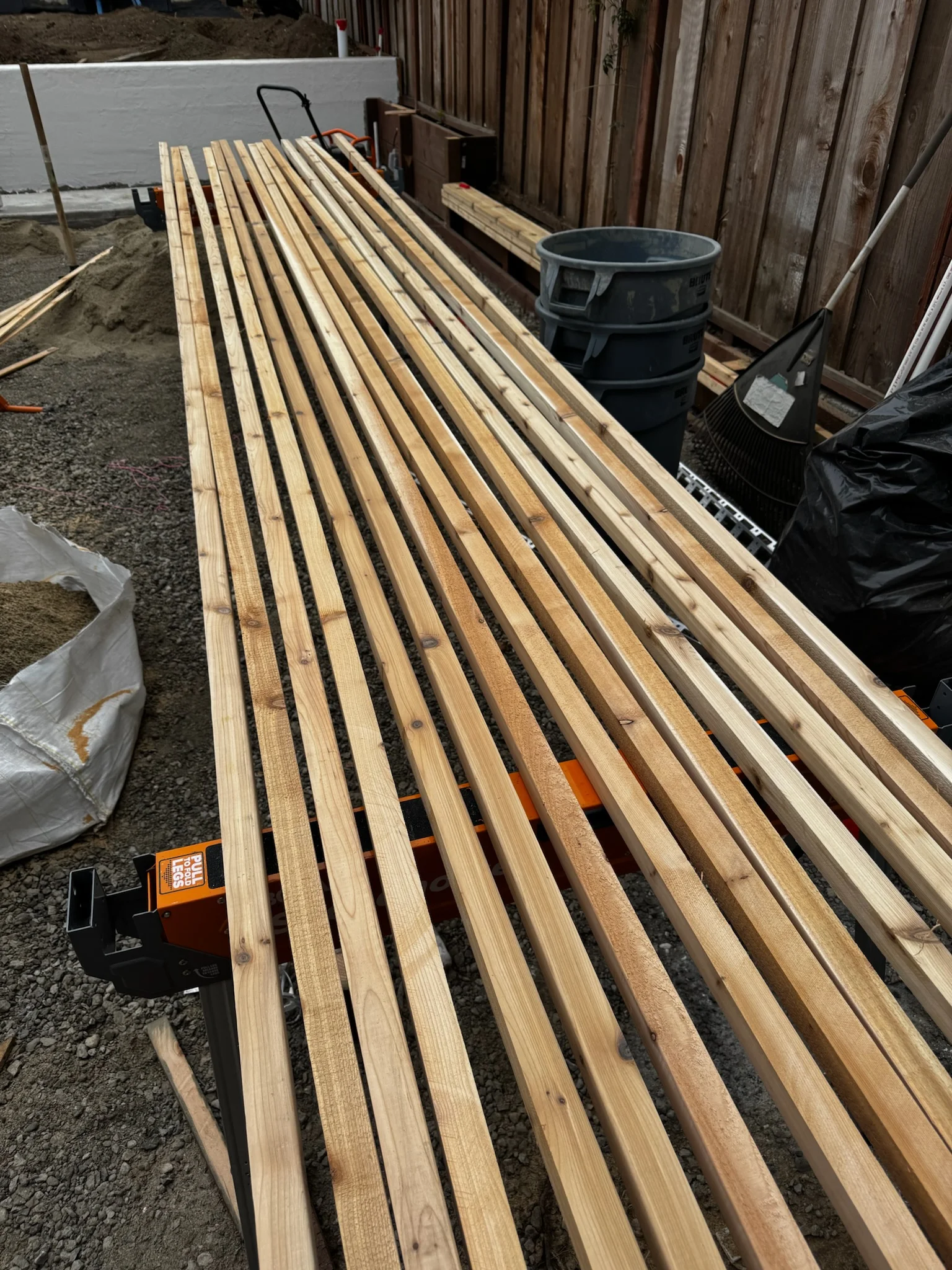
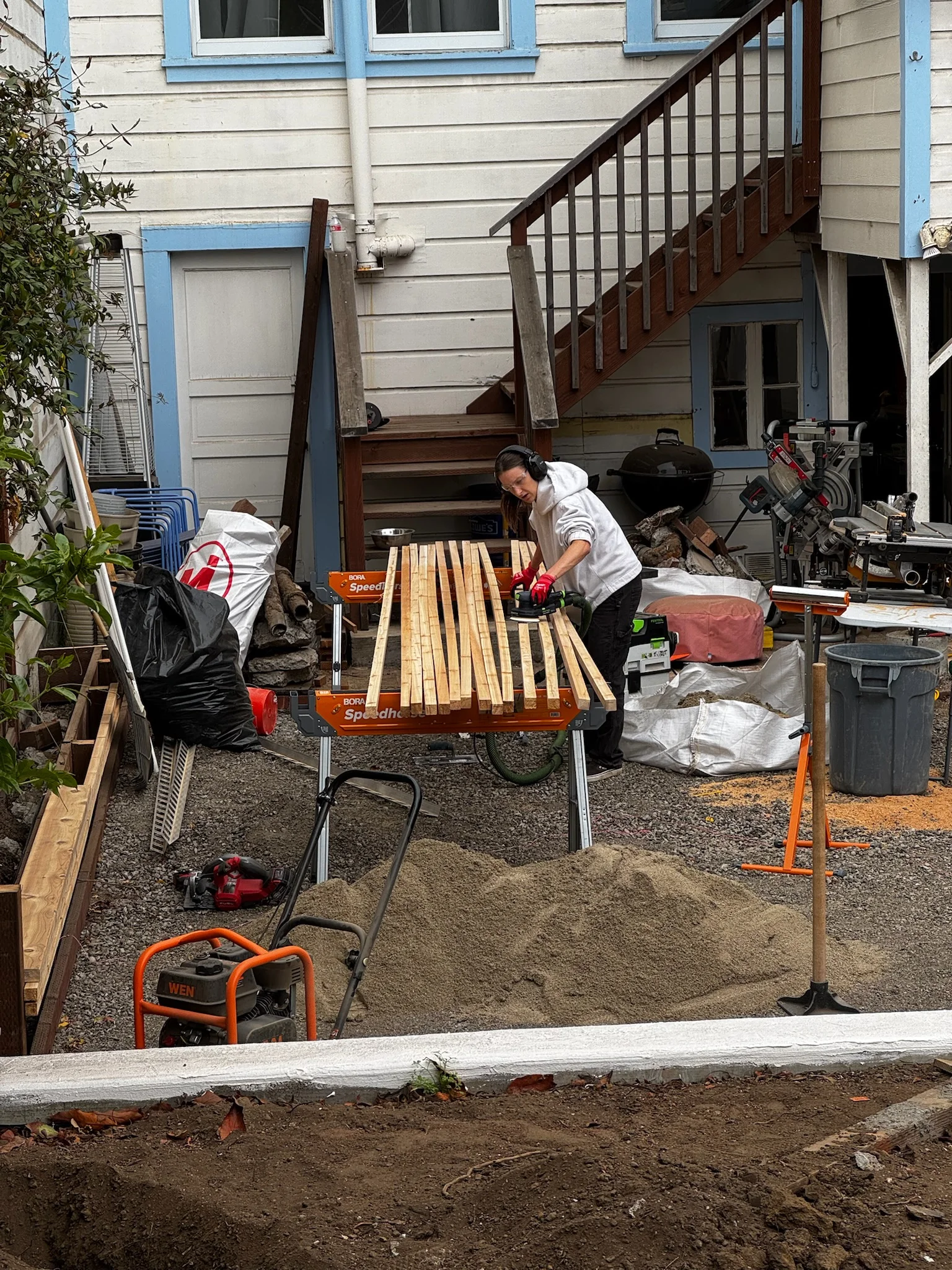
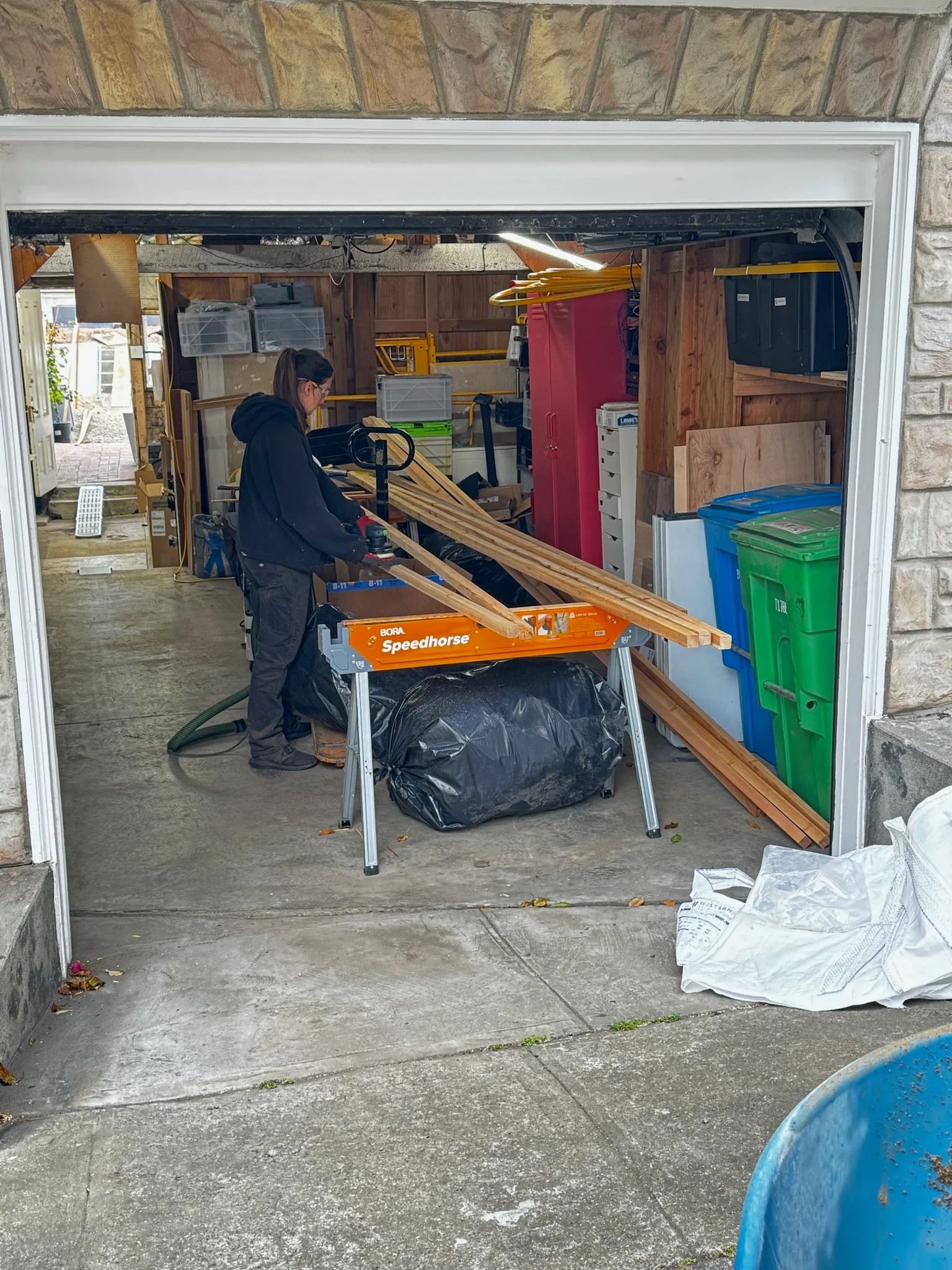
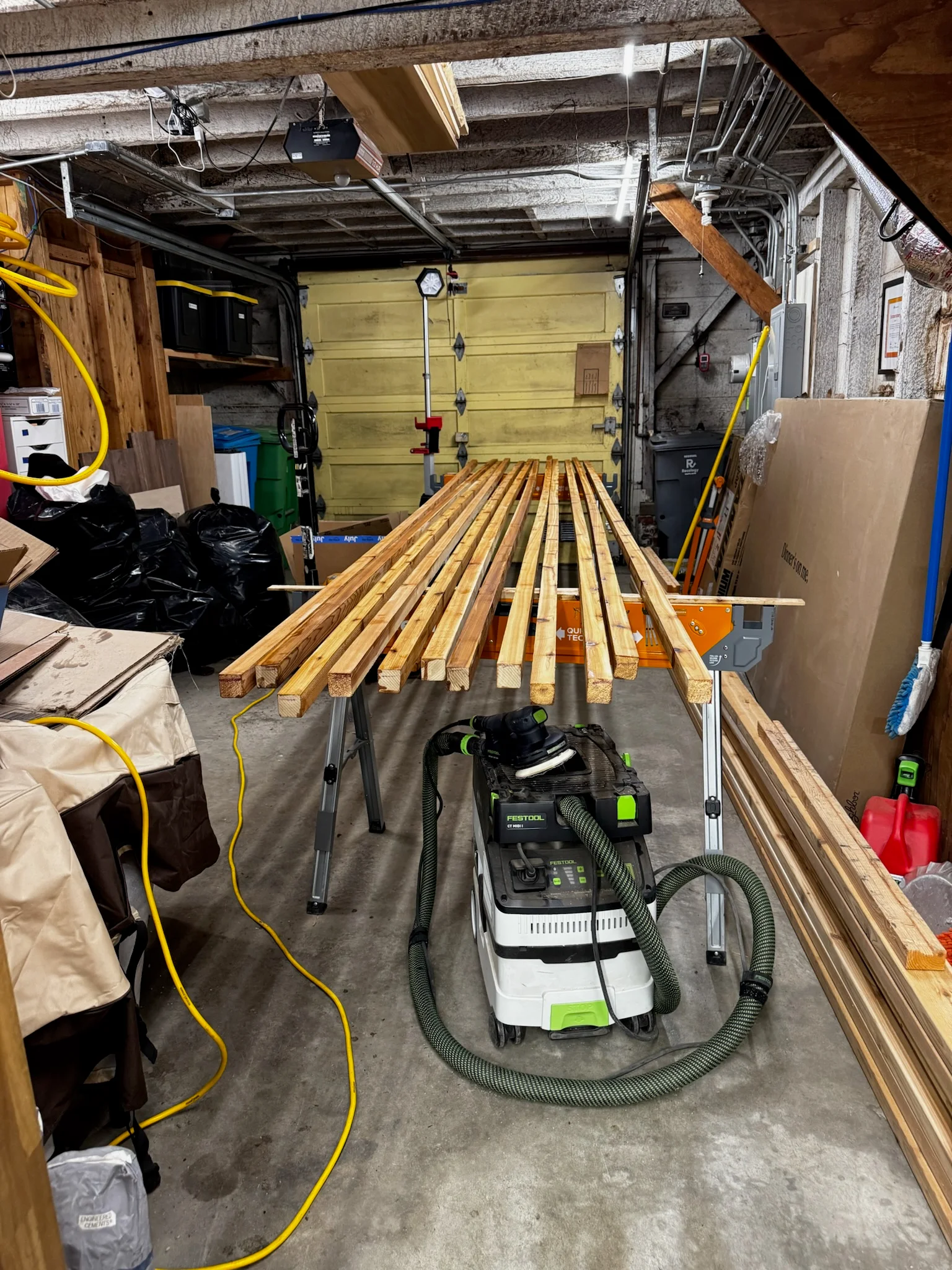
Wood Slats To make the side retaining walls look nice, I ripped cedar boards
down to 1” square slats, stained them with Osmo UV Protection Oil and installed them with 1/2” spacing.
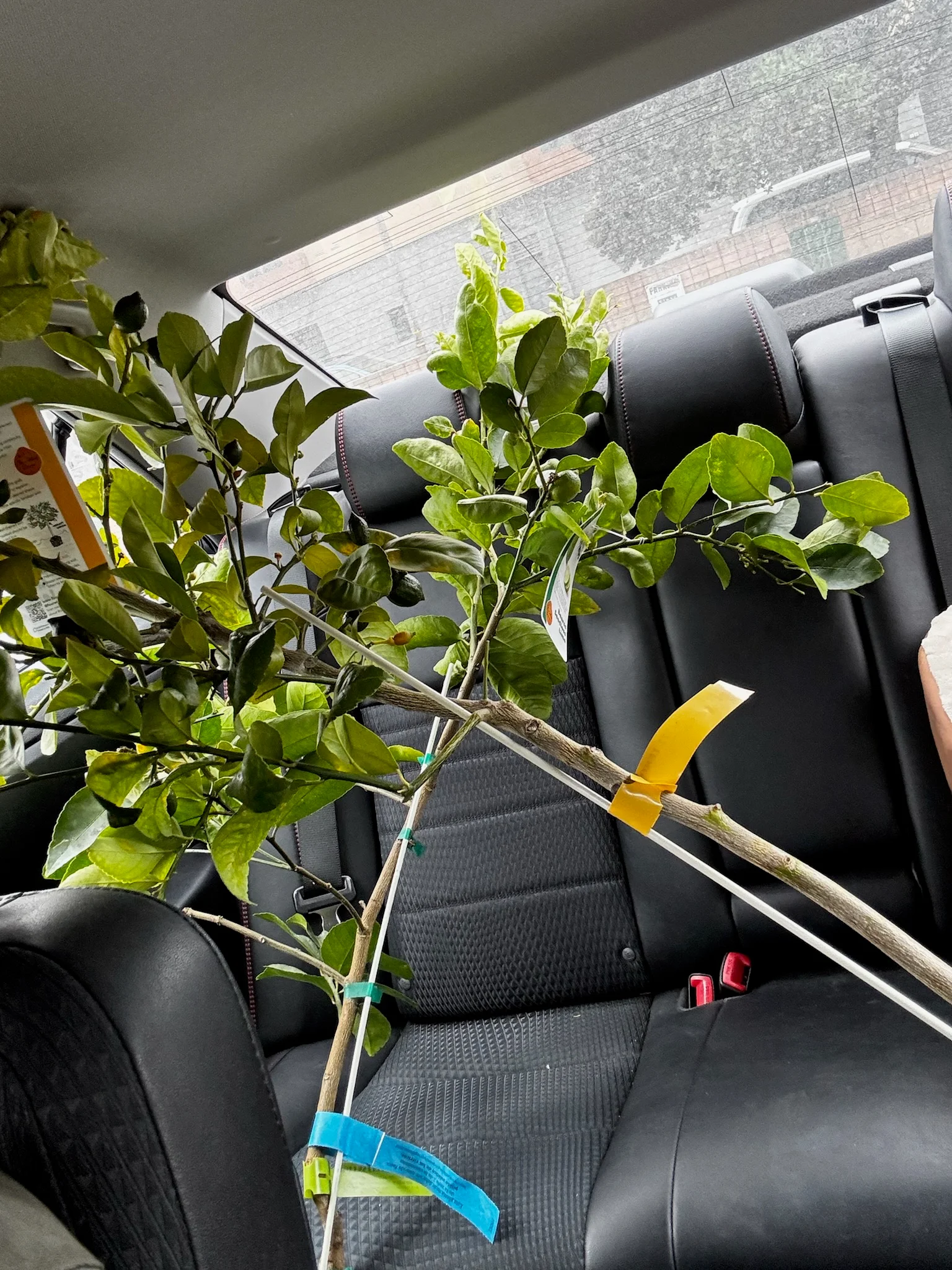
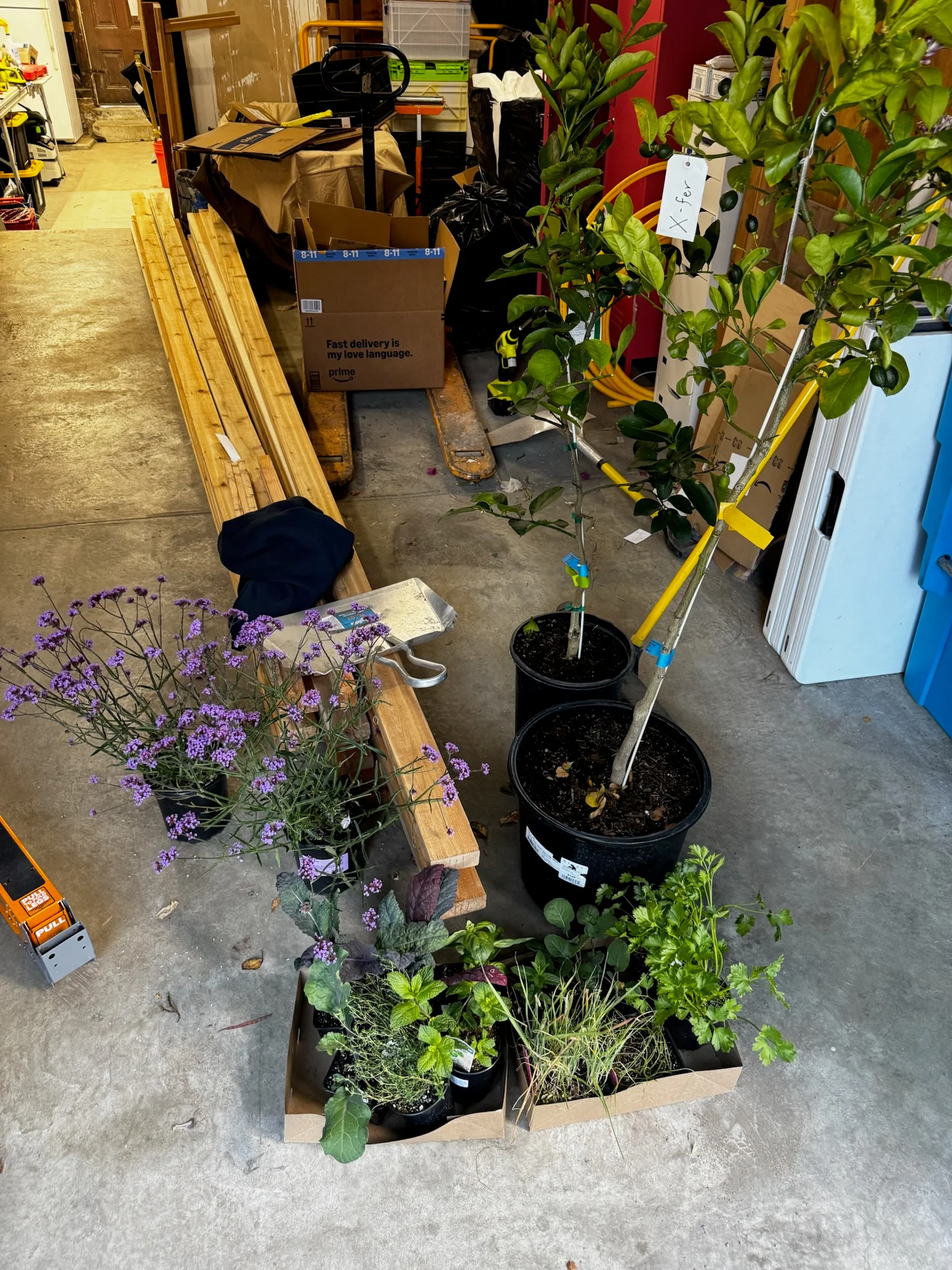
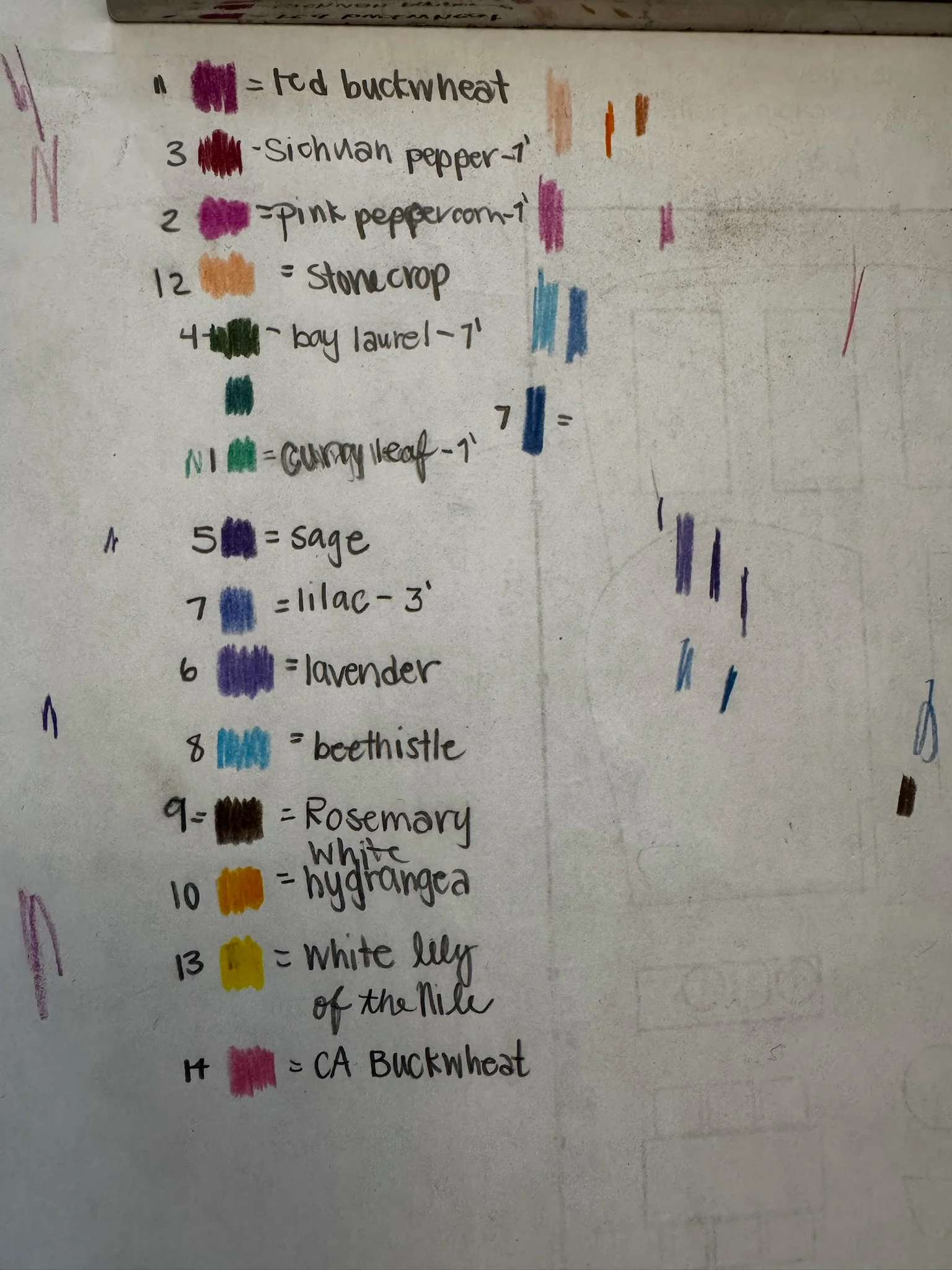
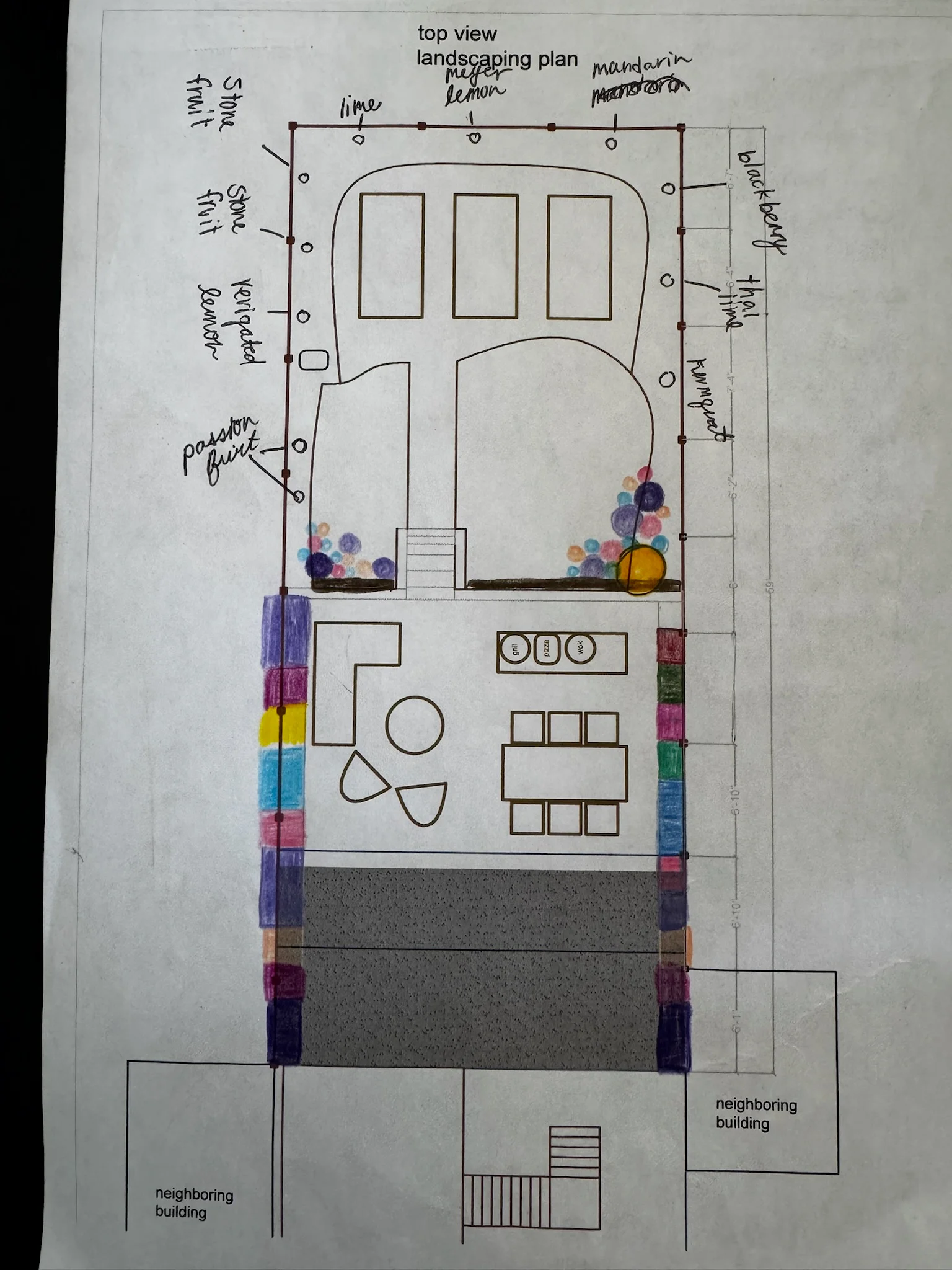
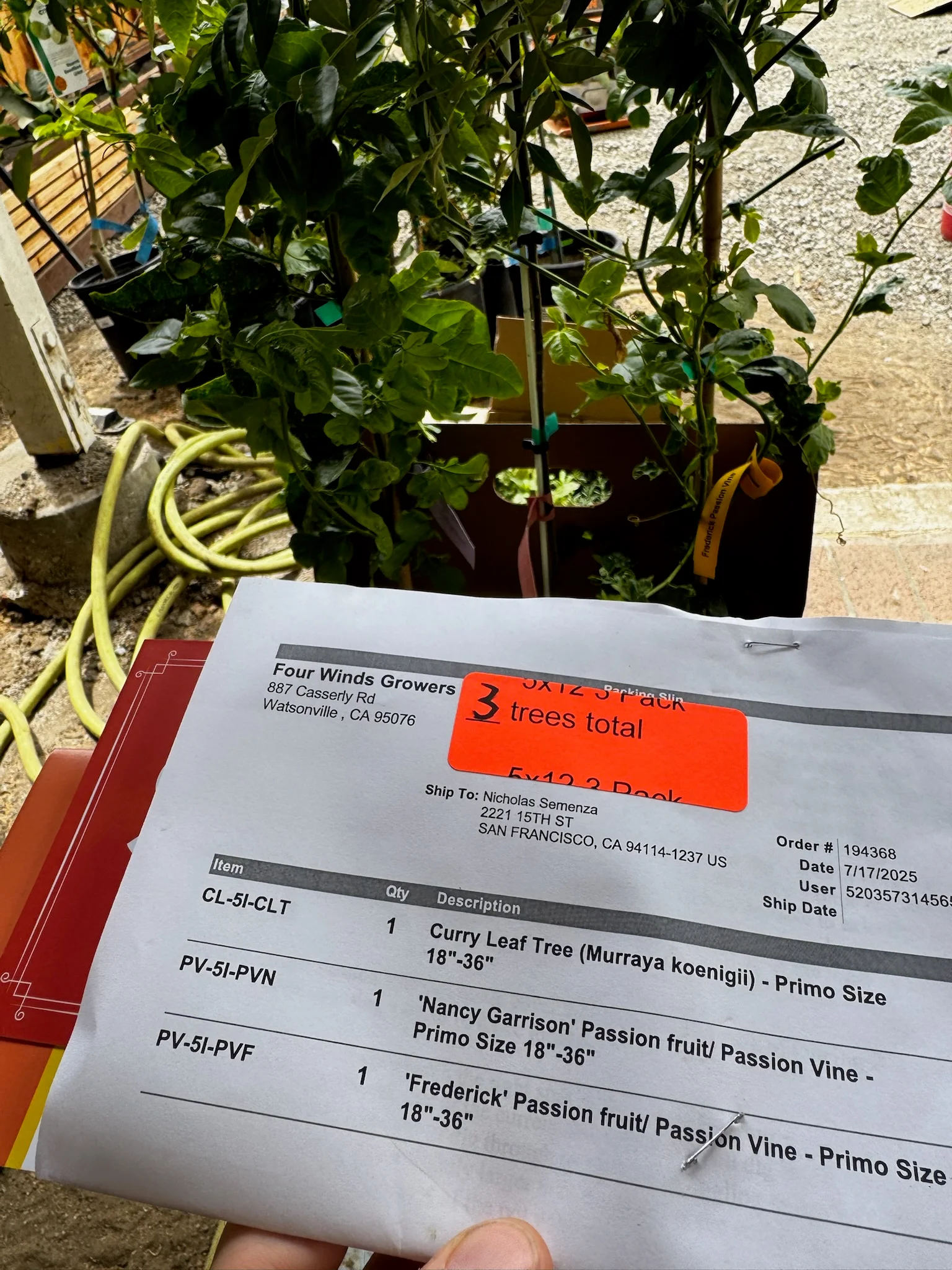
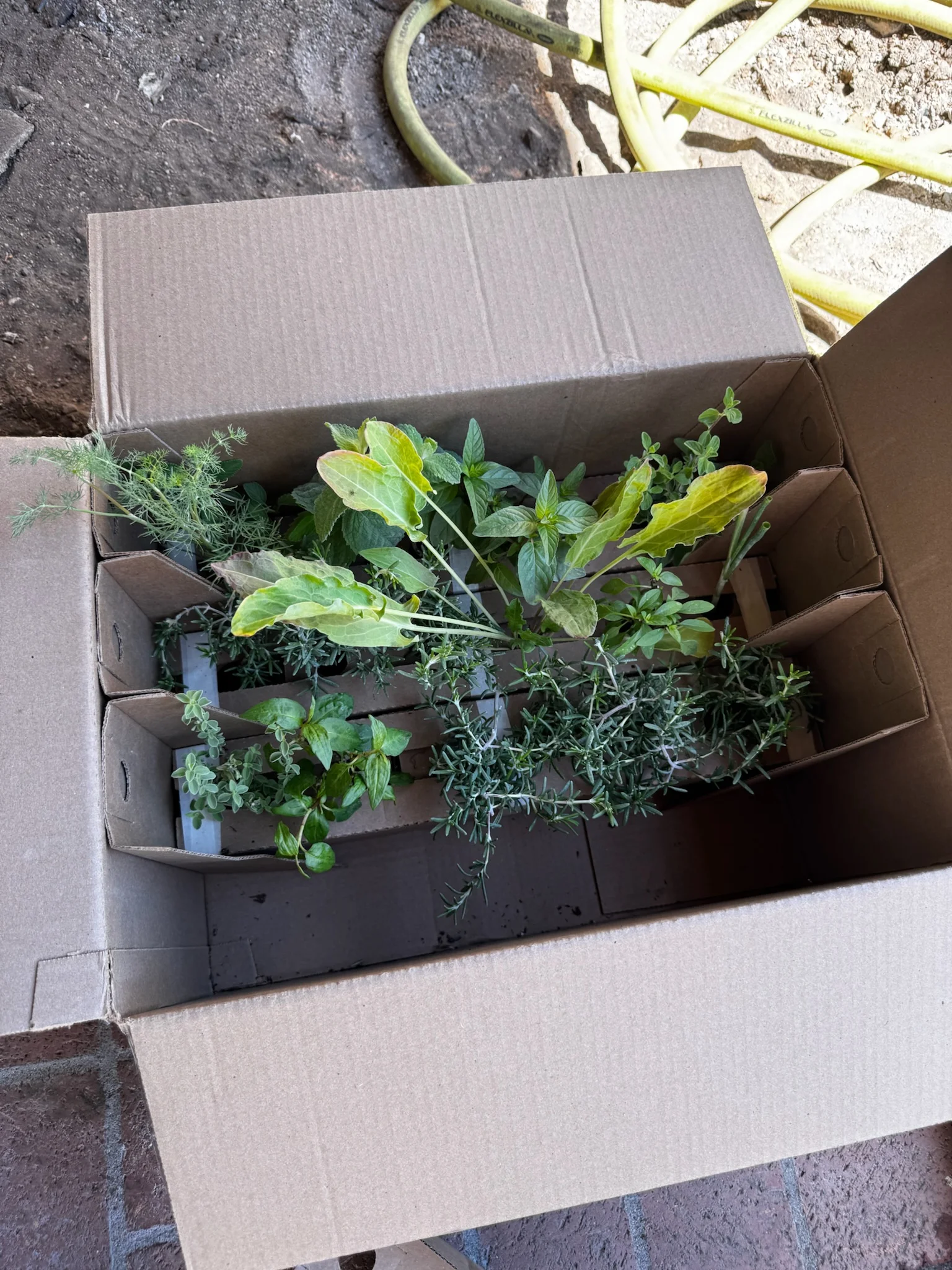
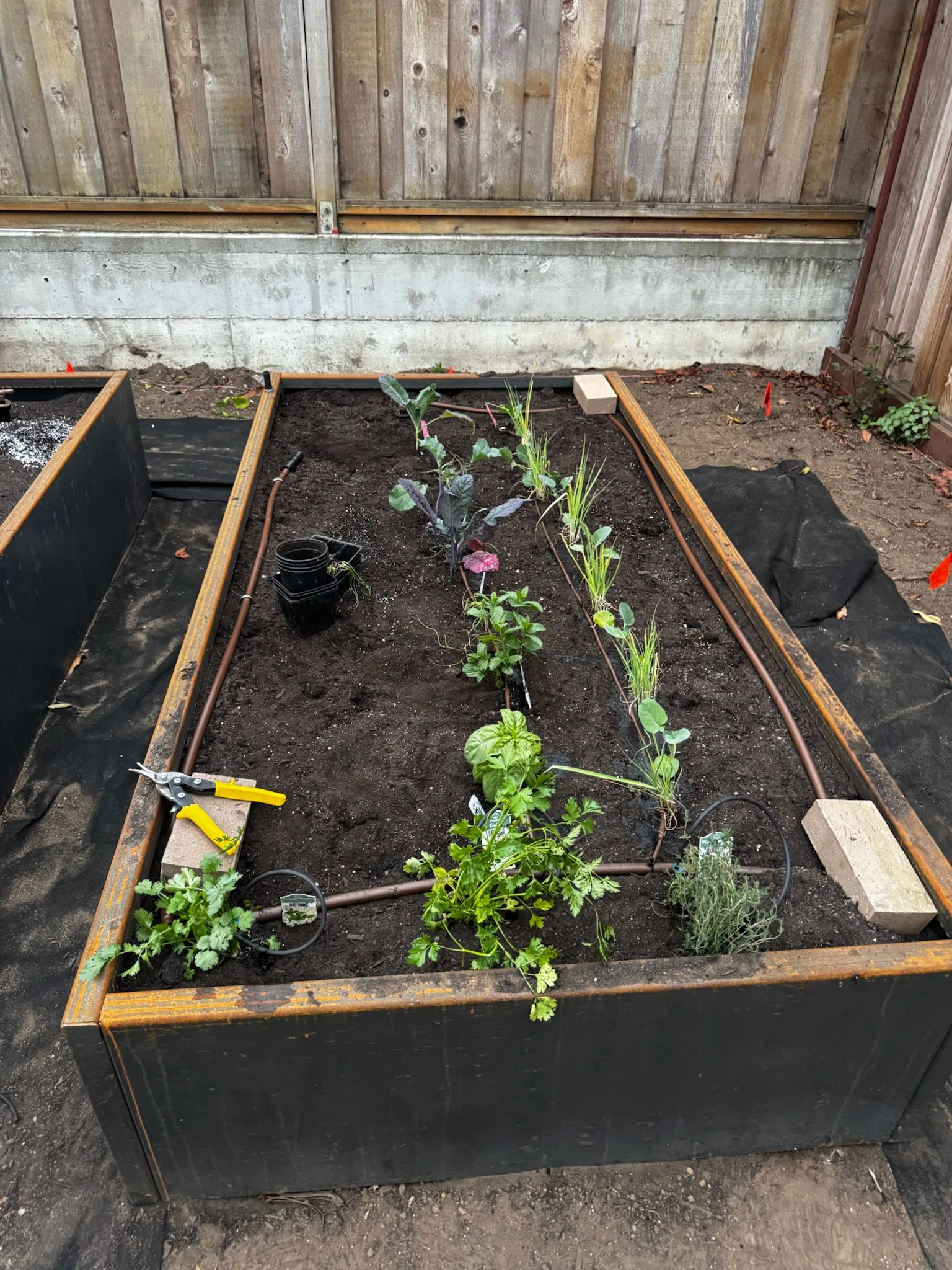
Initial Planting Finally time for some planting! We filled the edges of the
upper area with mostly citrus trees, and native plants and herbs in the lower areas.
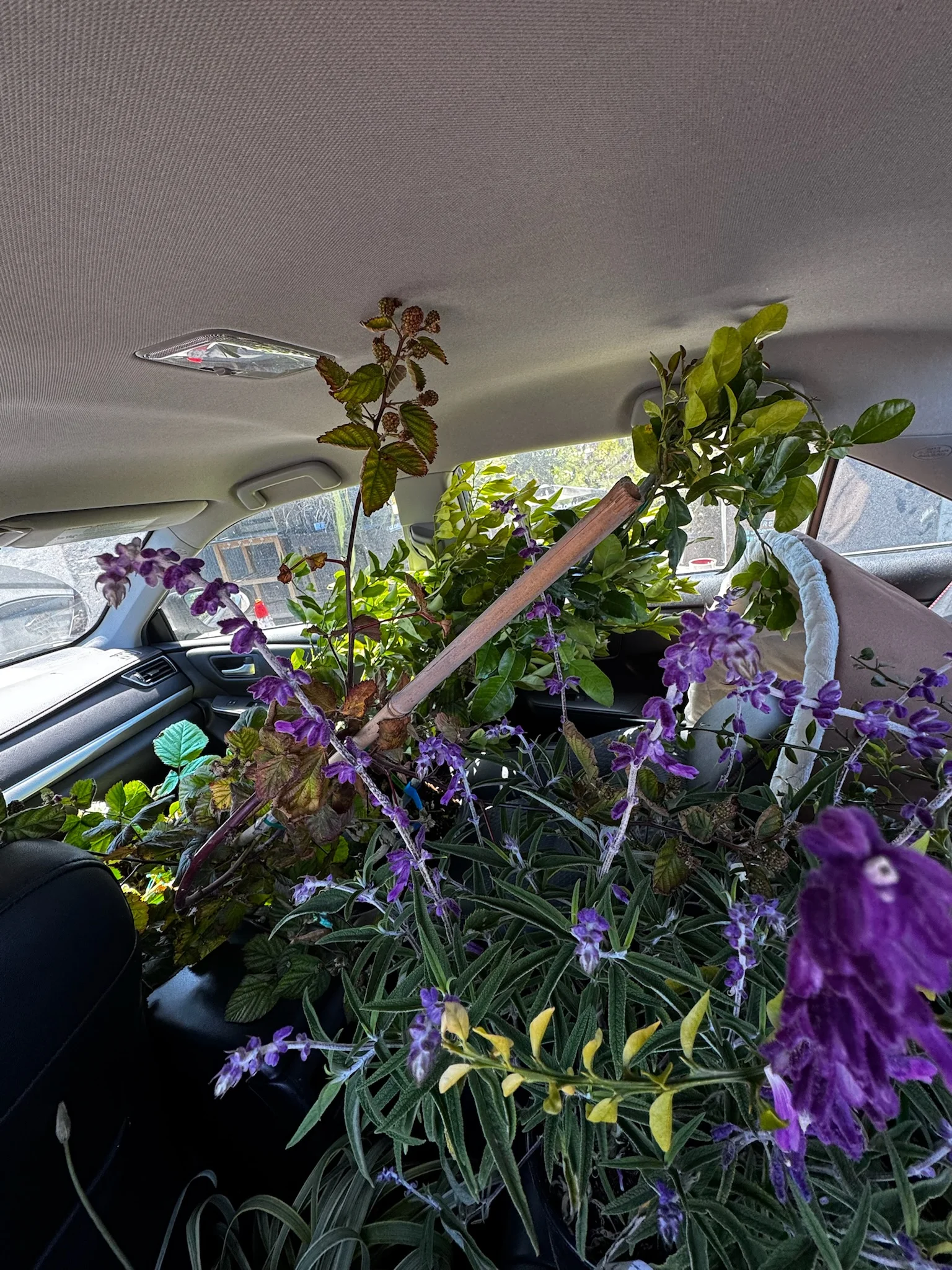
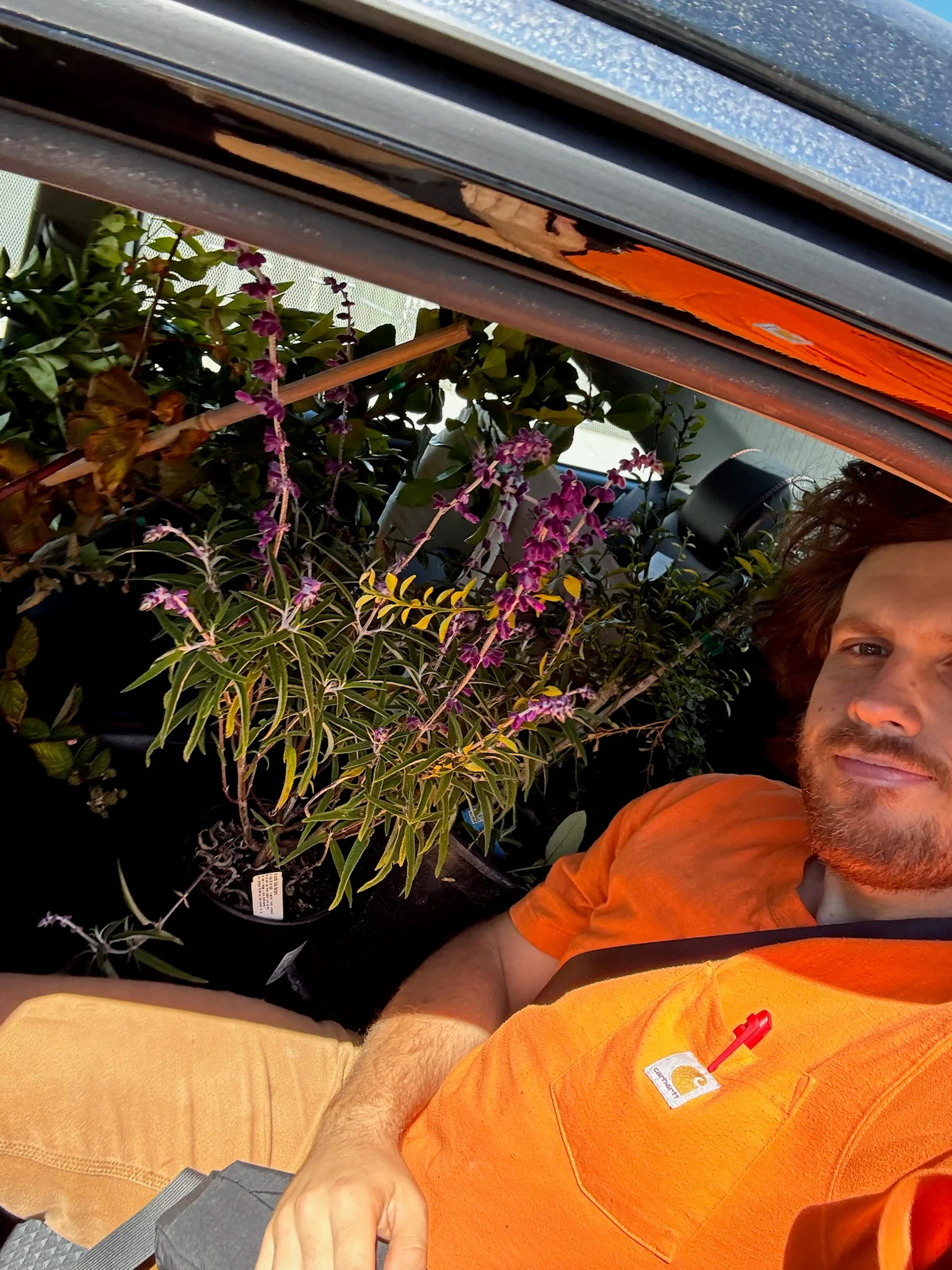
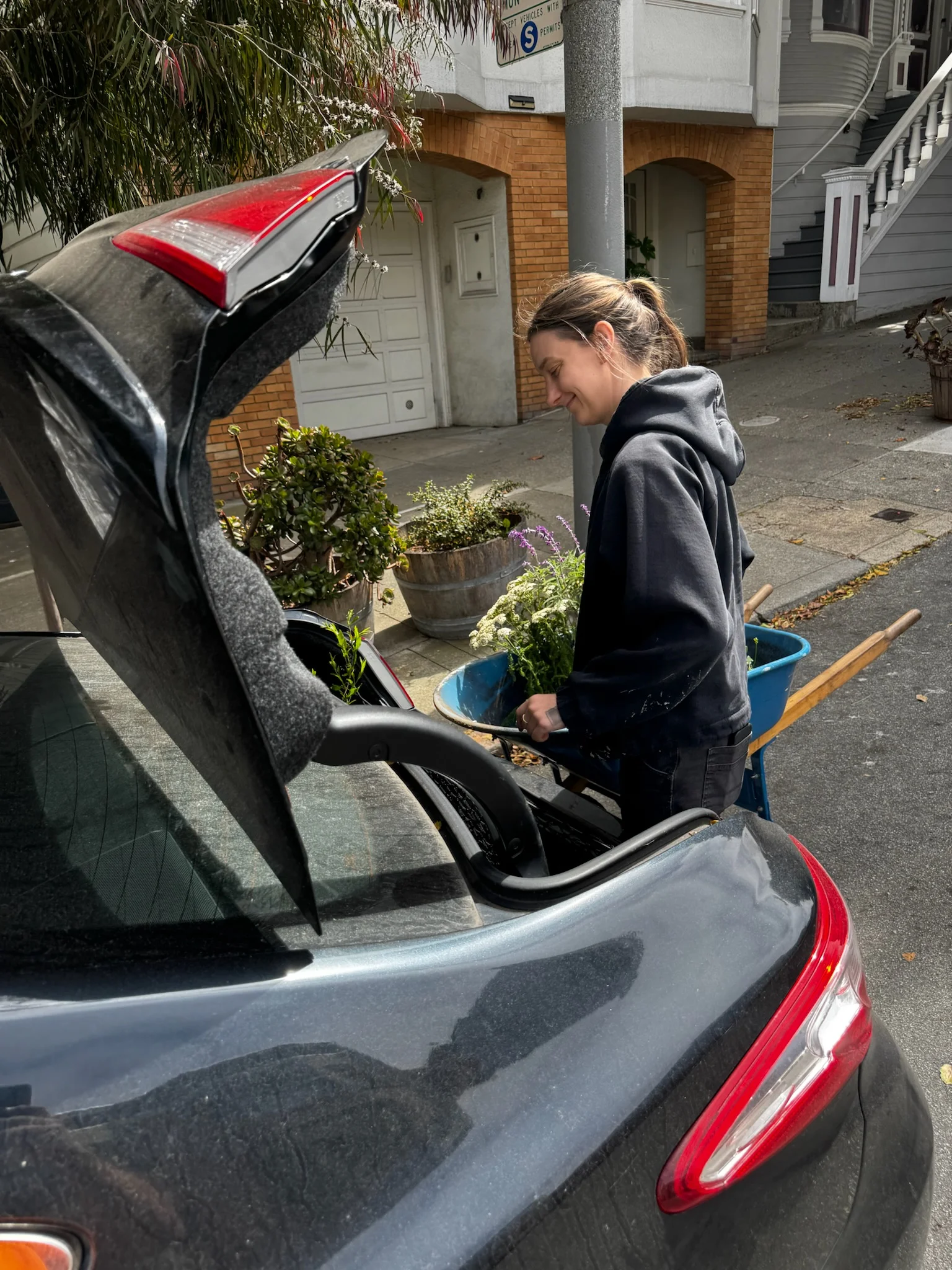
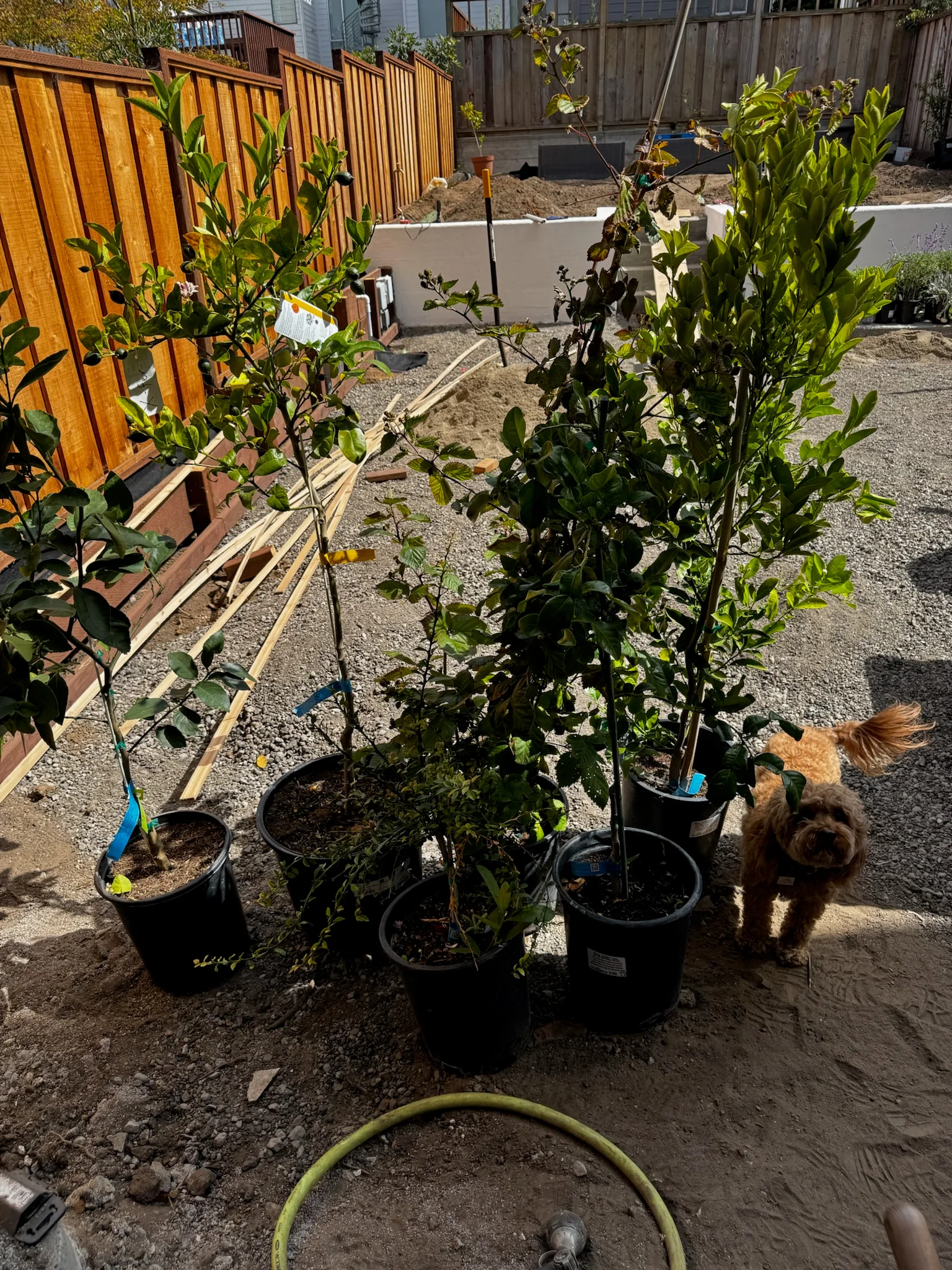
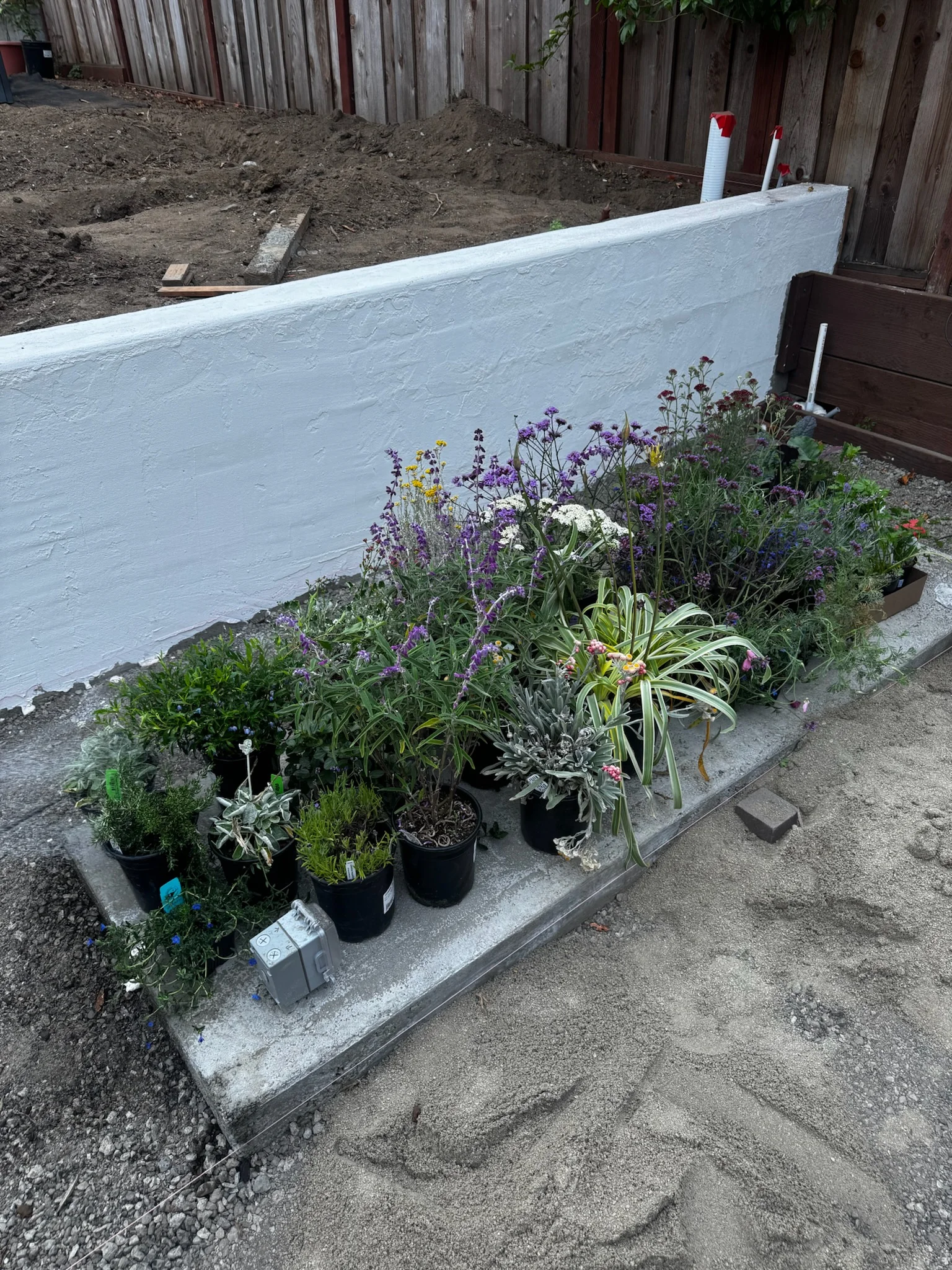
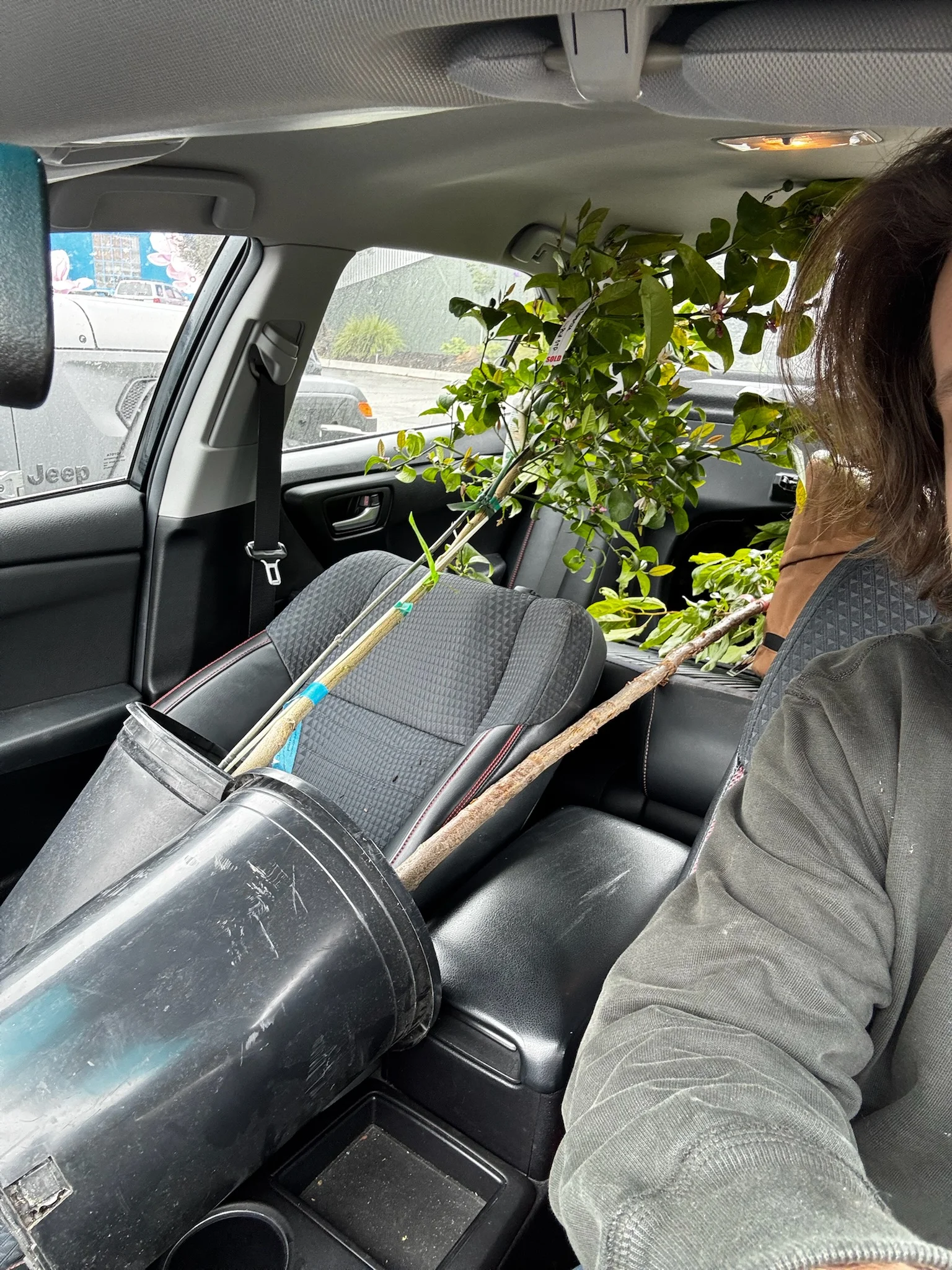
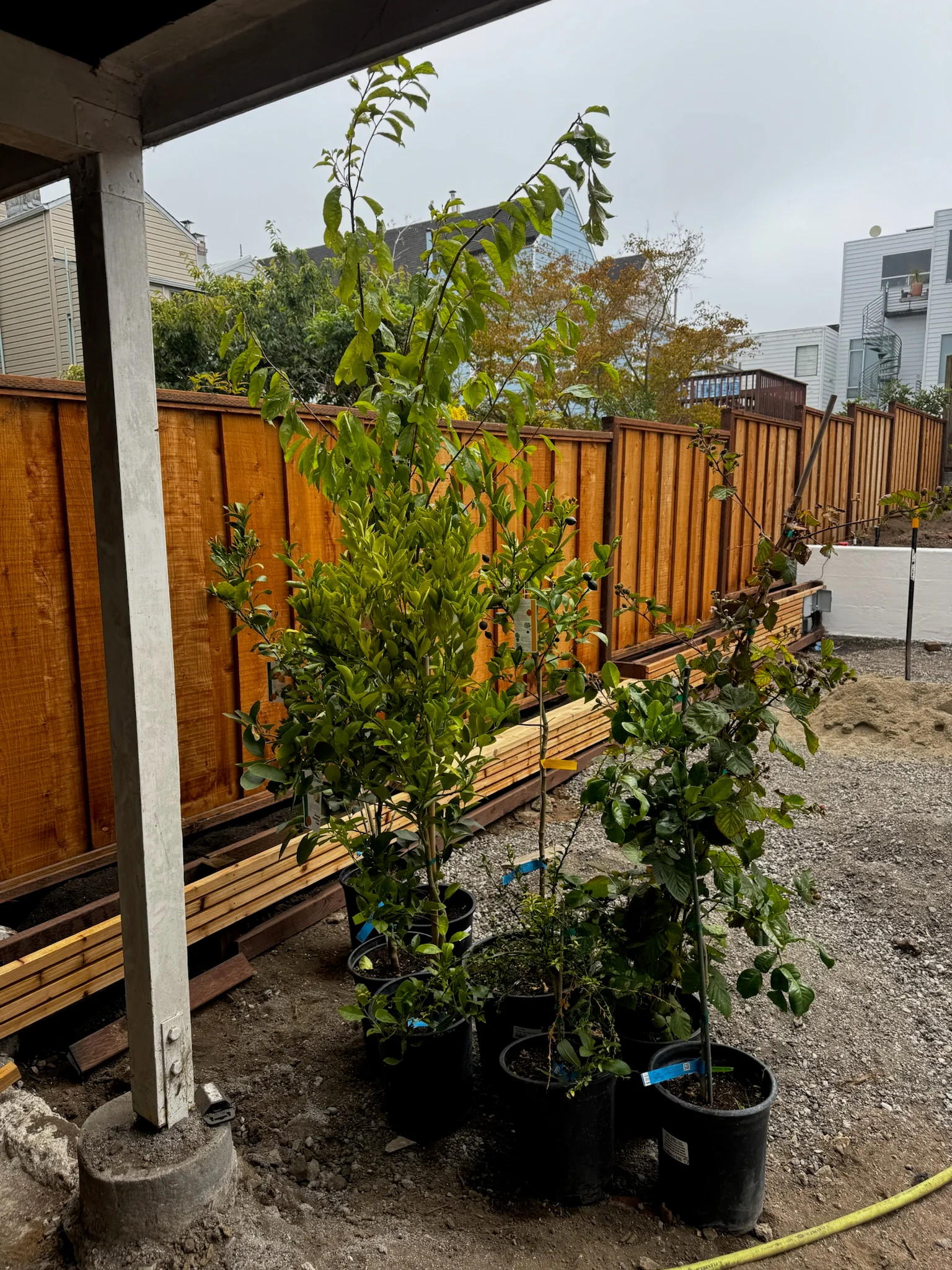
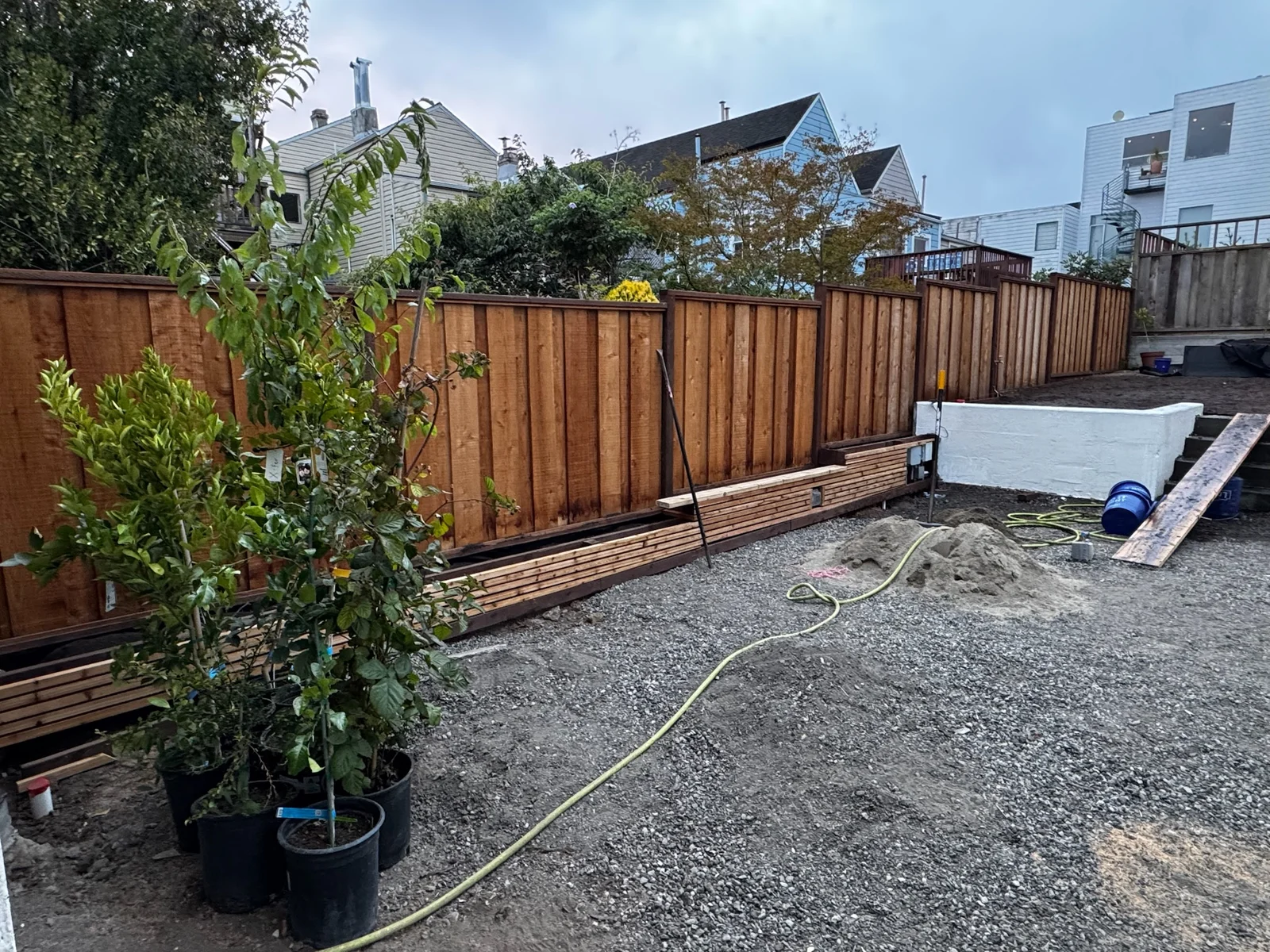
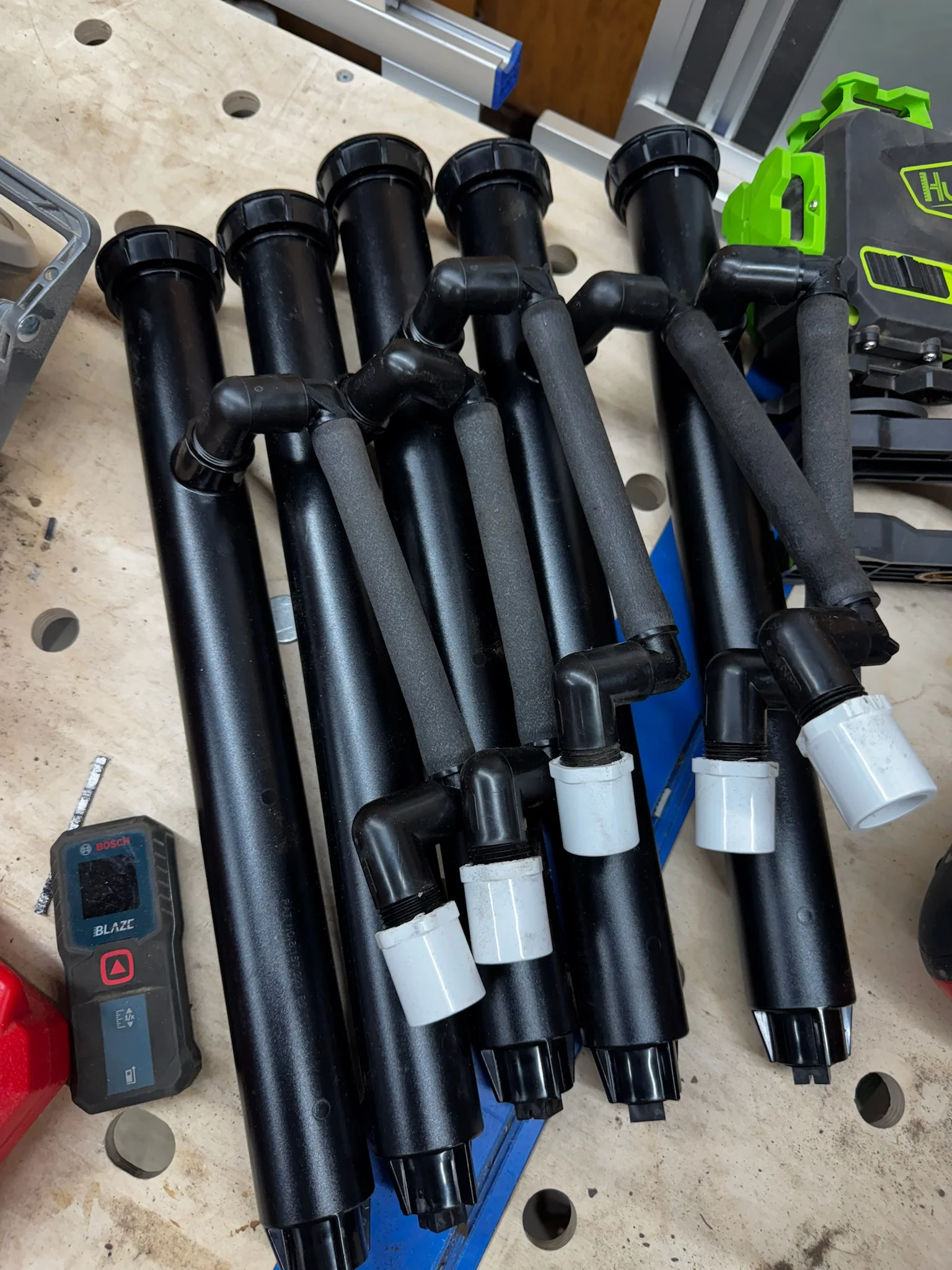
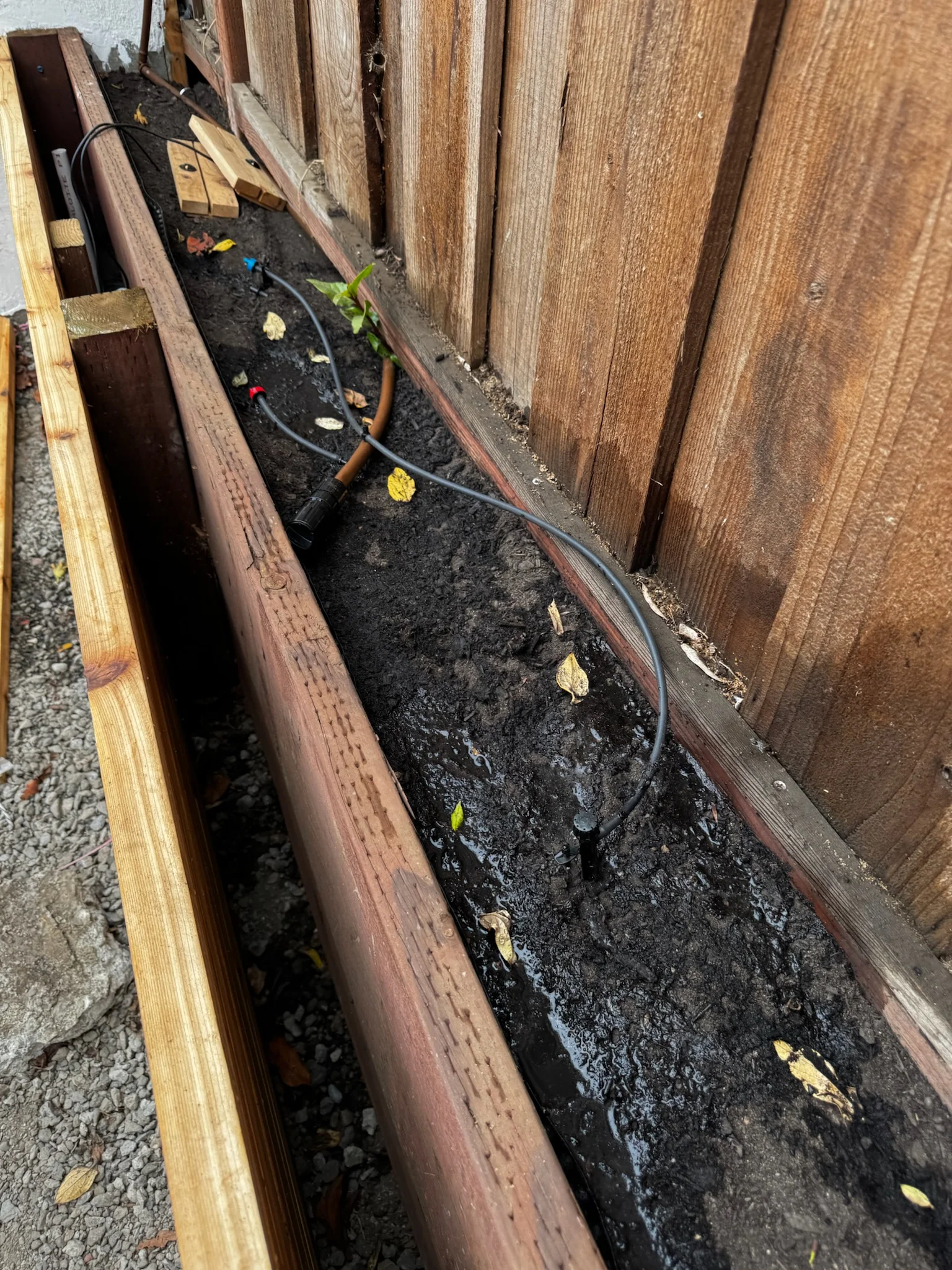
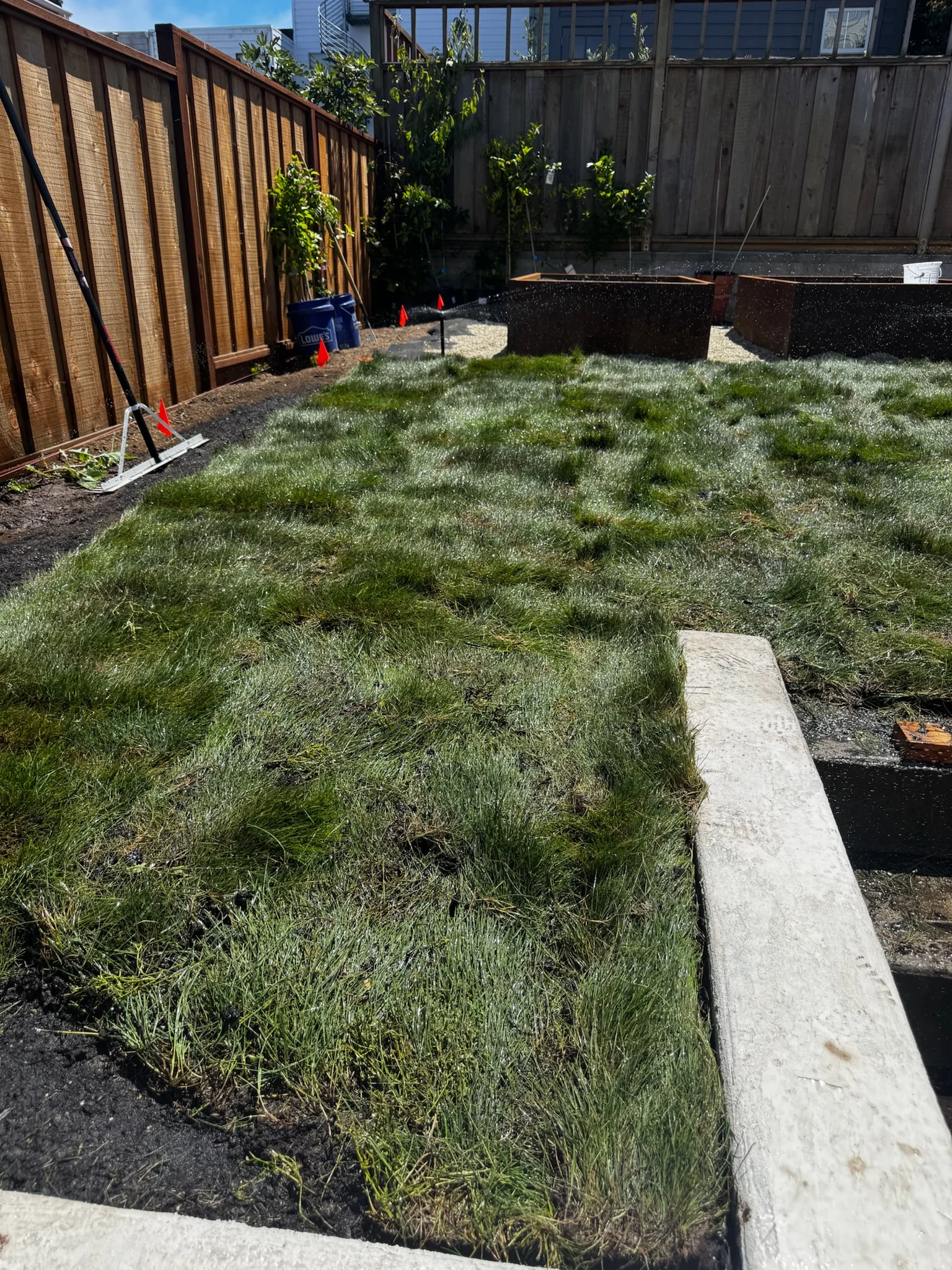
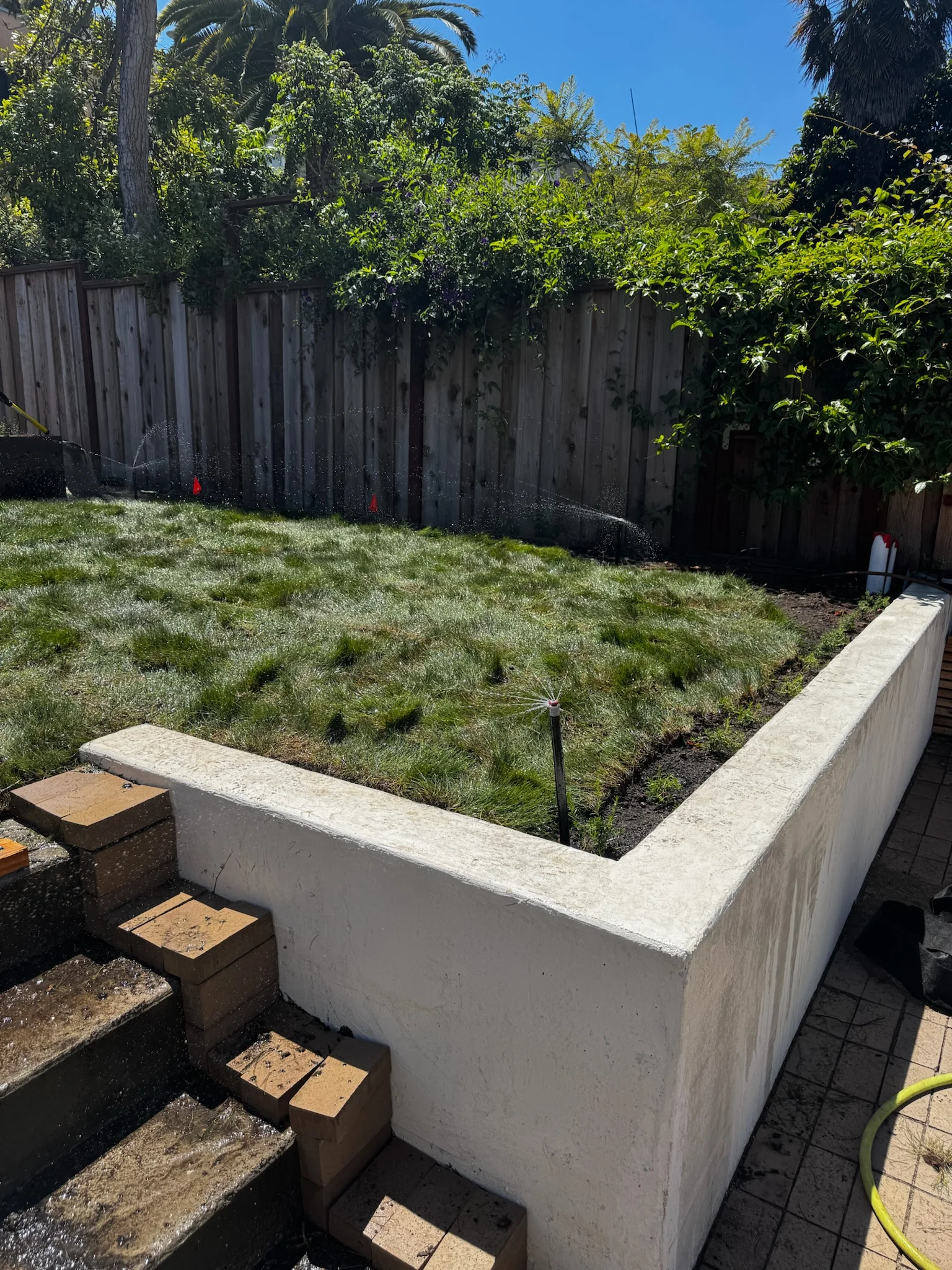
Sprinkler System I installed 6 sprinkler zones: * 3x Steel Garden beds
(drip) * Grass (pop up) * Native planter peds (drip emitters) * Fruit trees (drip rings)
This allows each to have their individual watering needs adjusted, or in the case of garden beds, turned off during the winter. The controller connects to the internet and skips watering if there’s rain, which is nice.
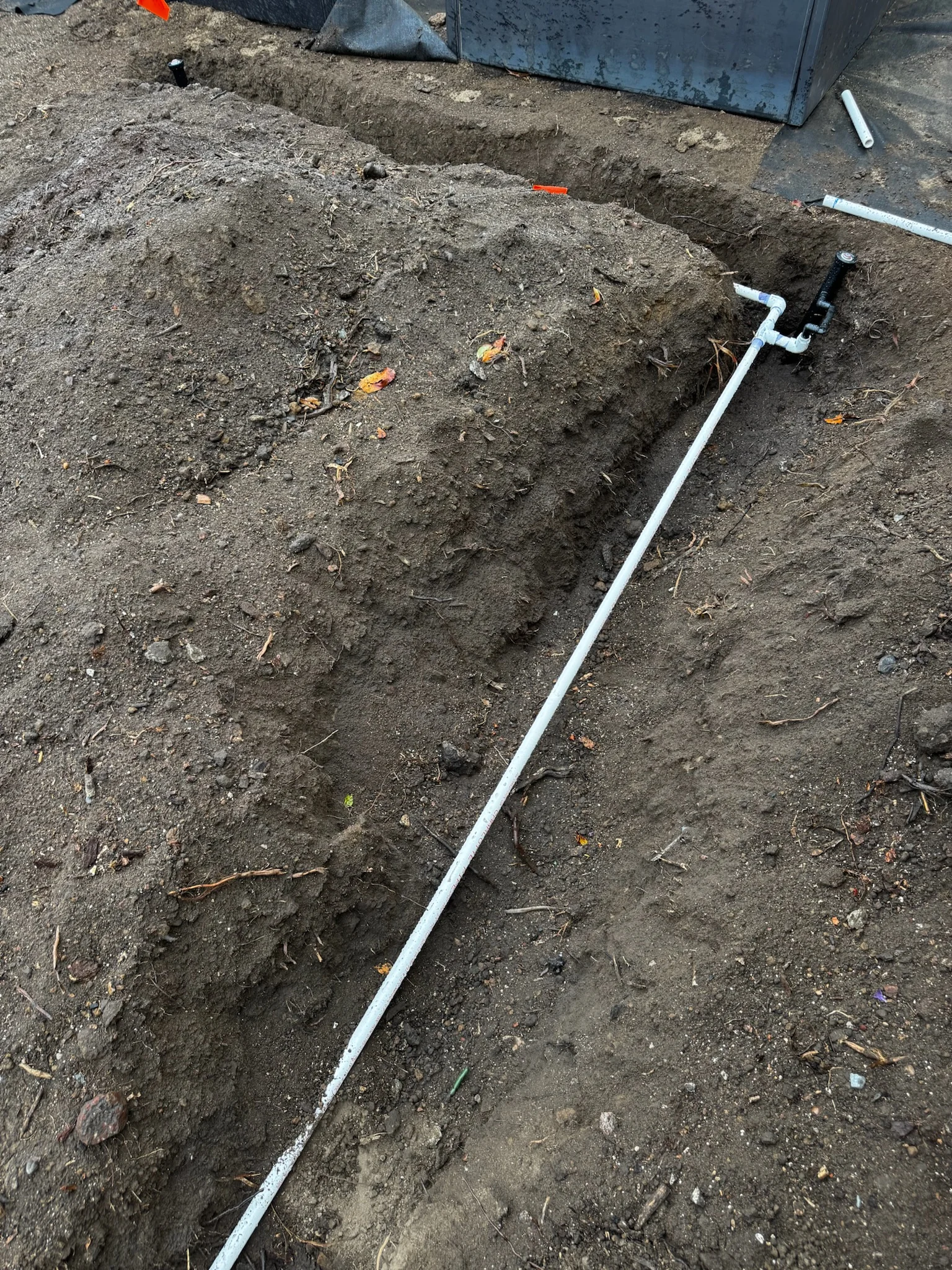
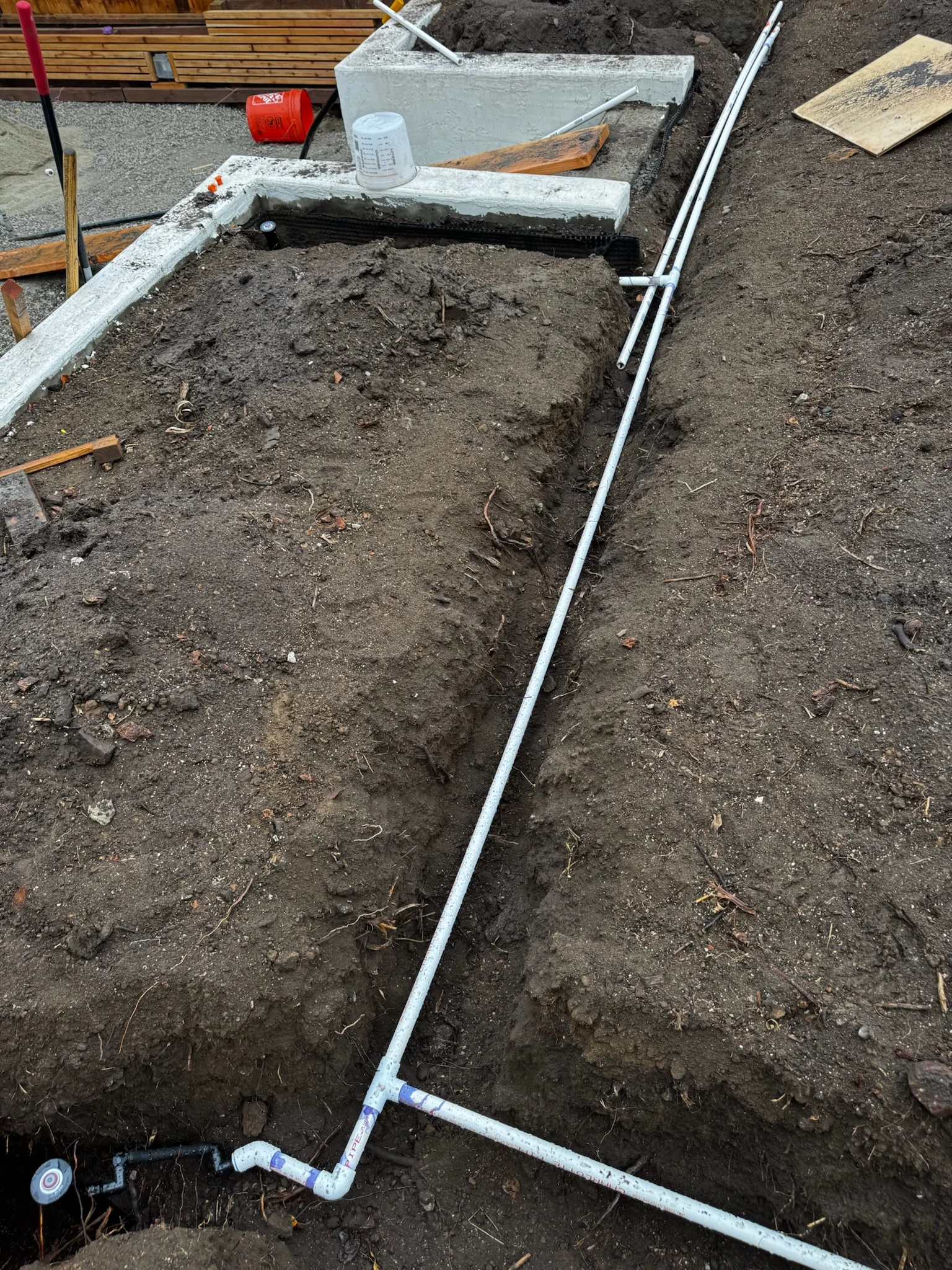
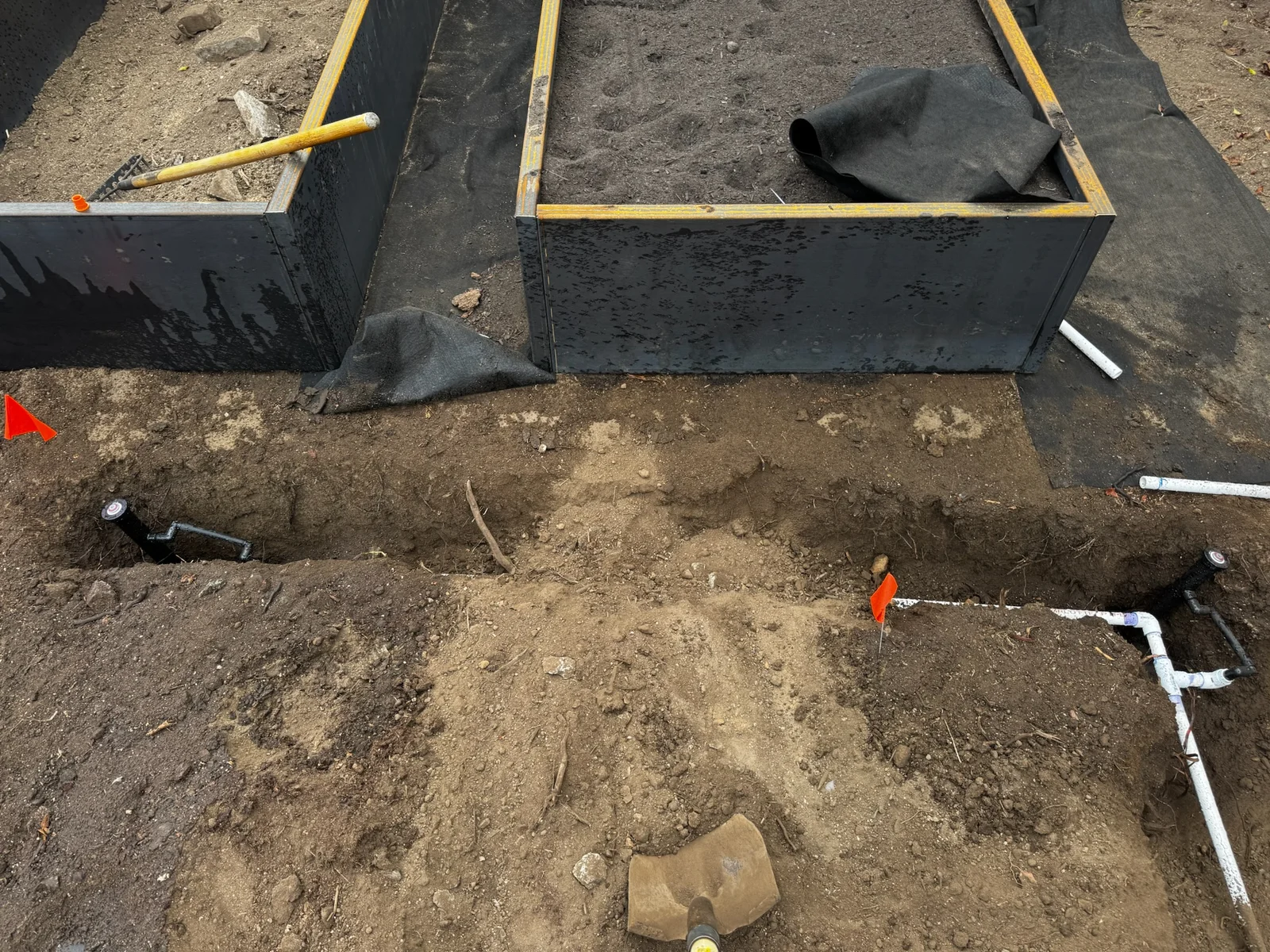
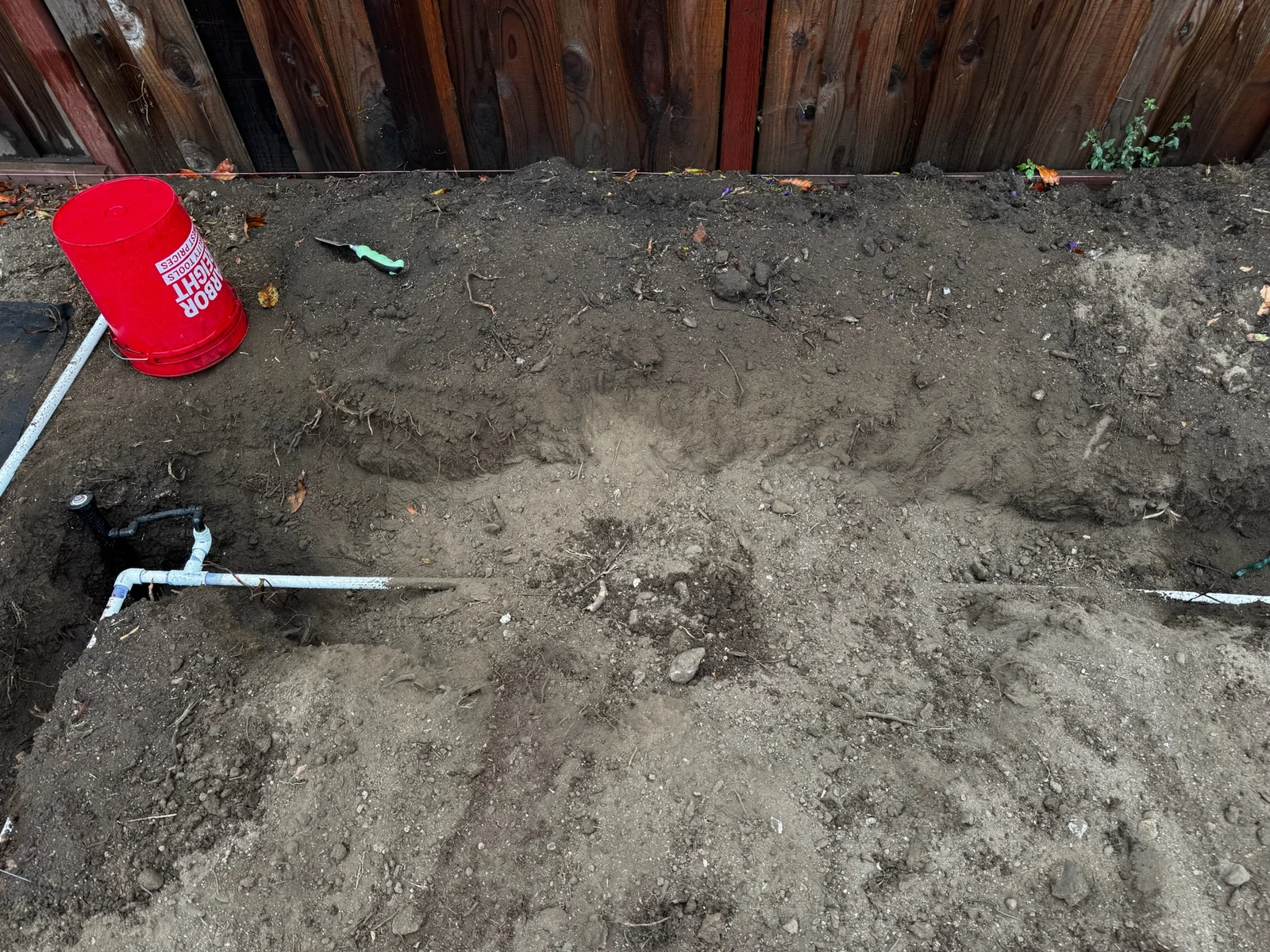
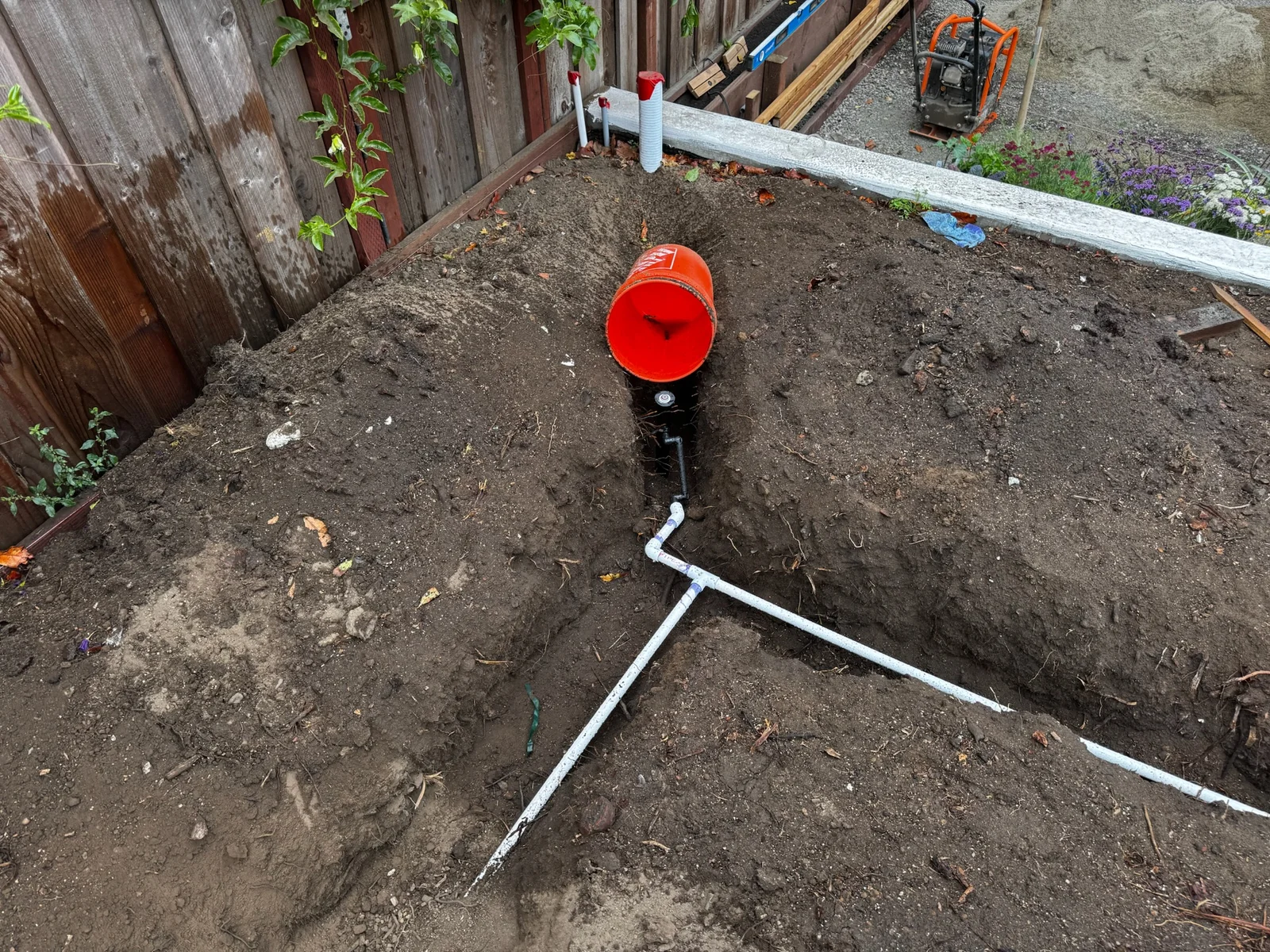
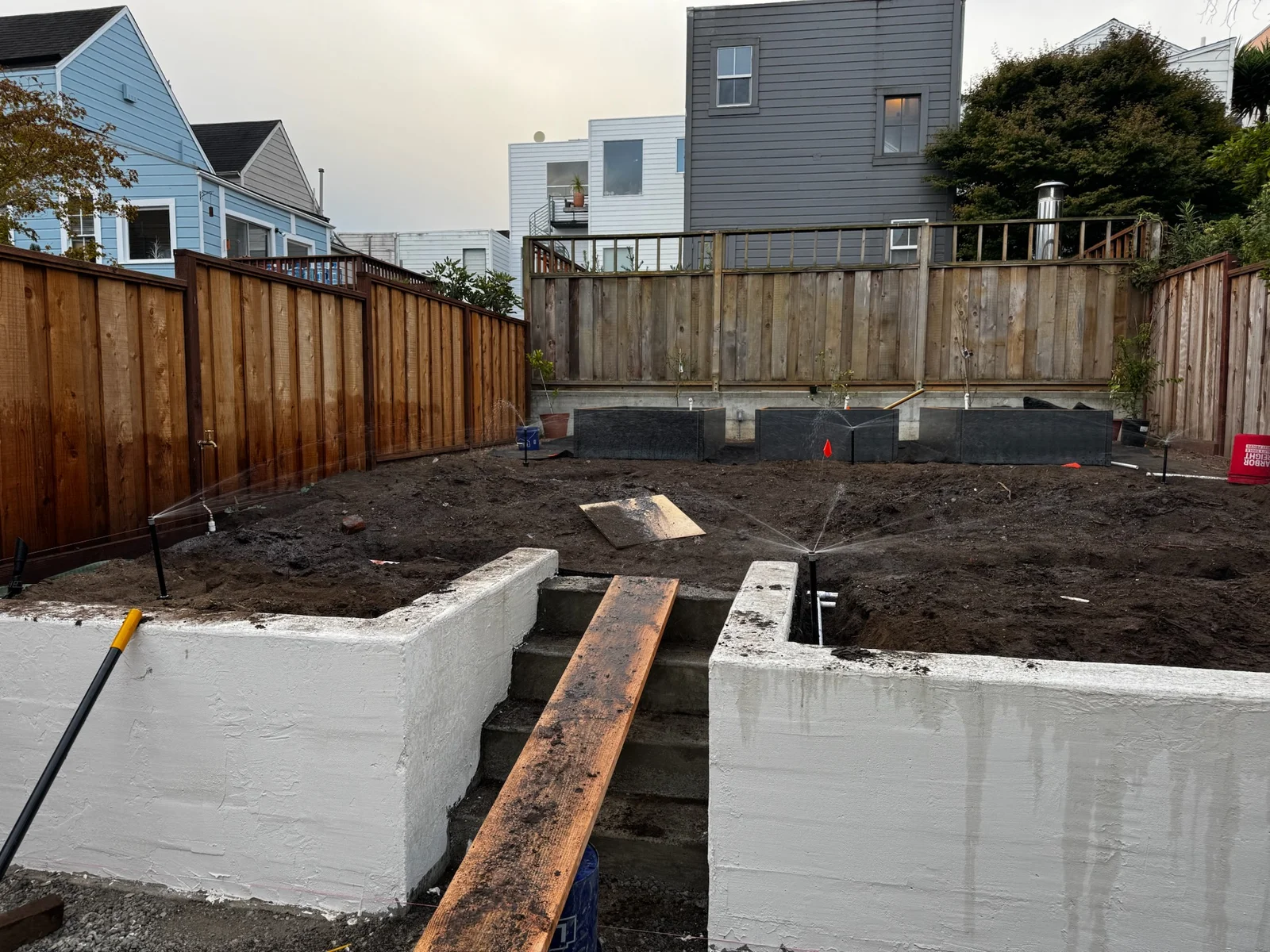
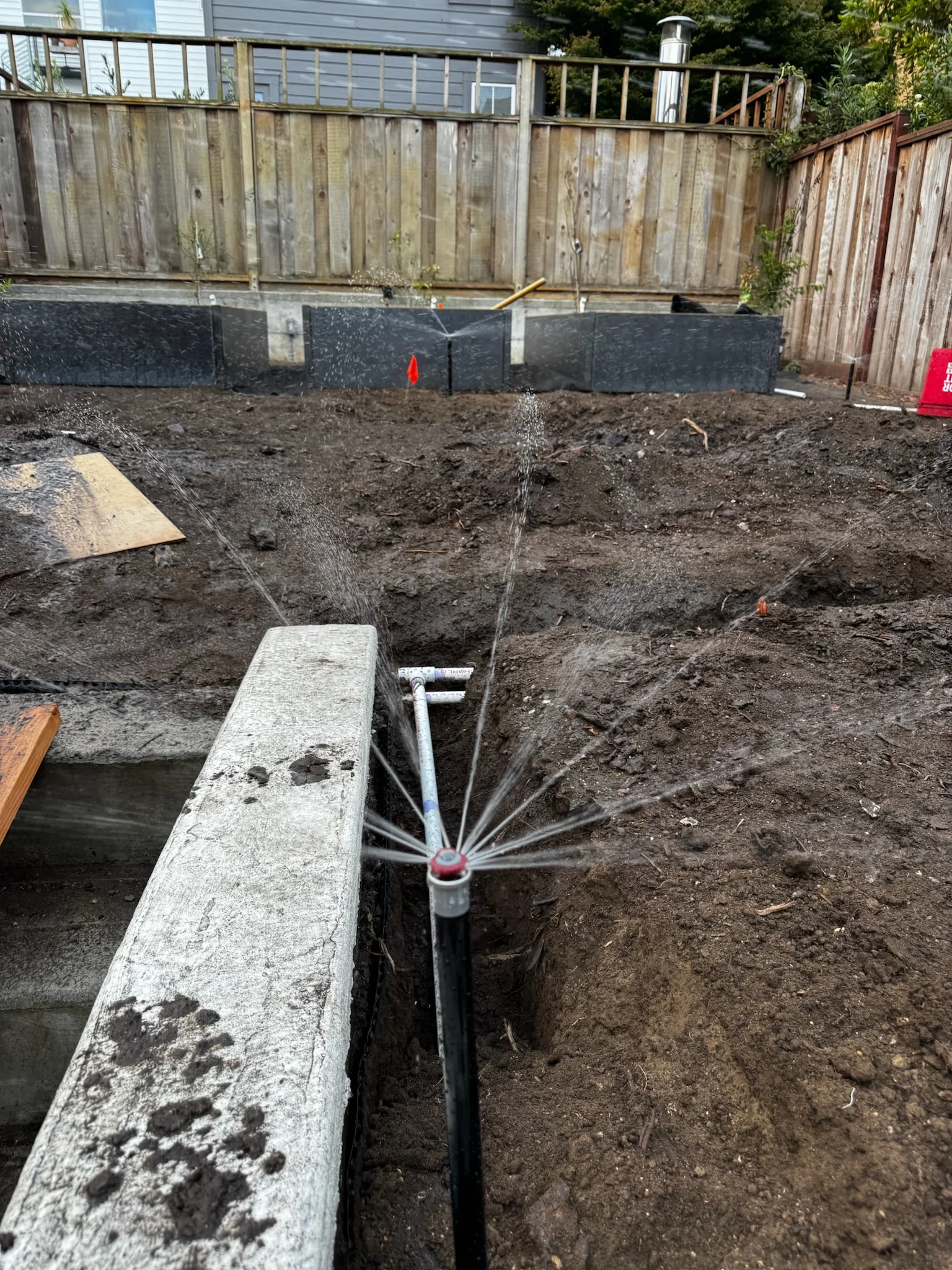
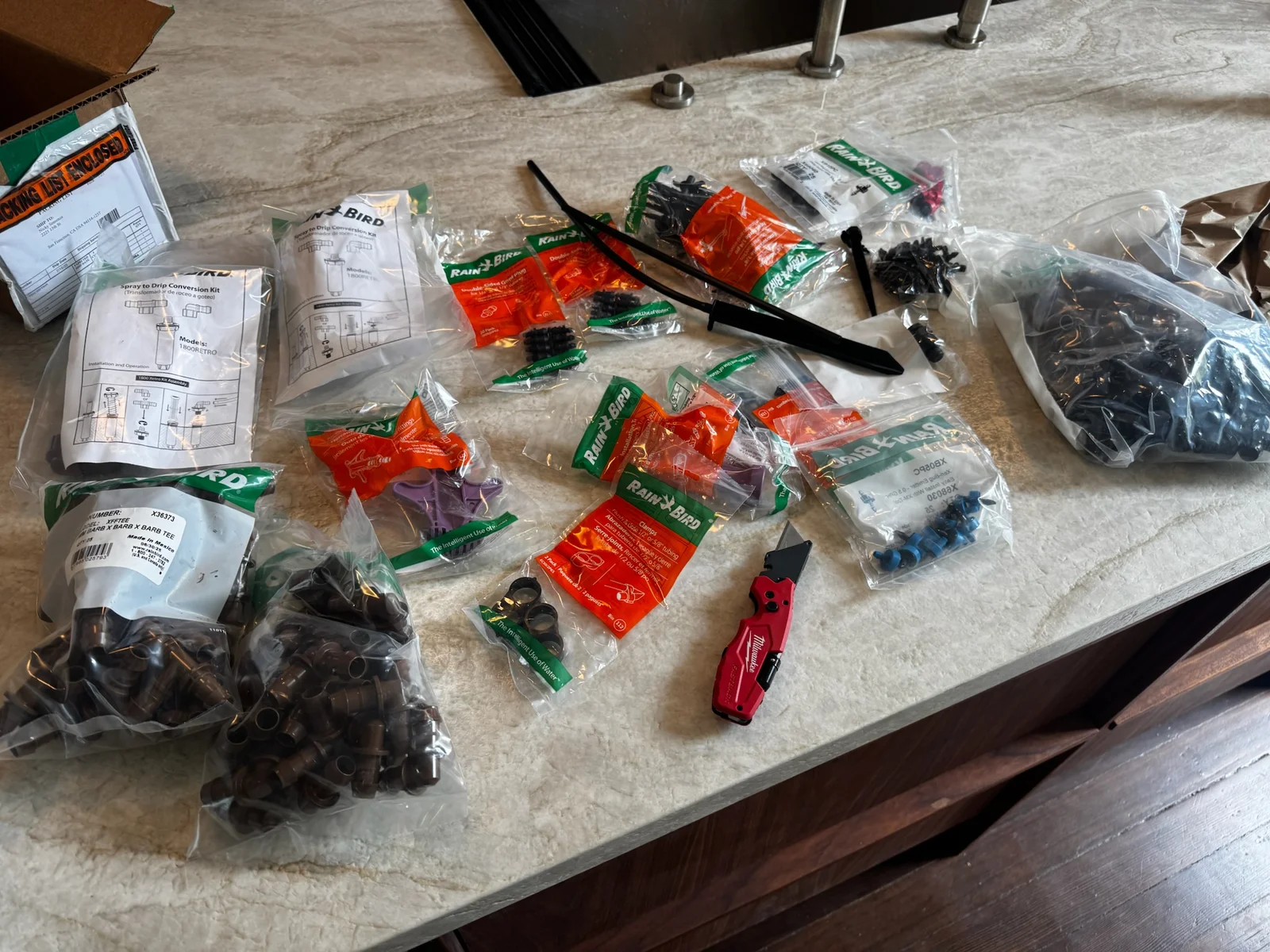
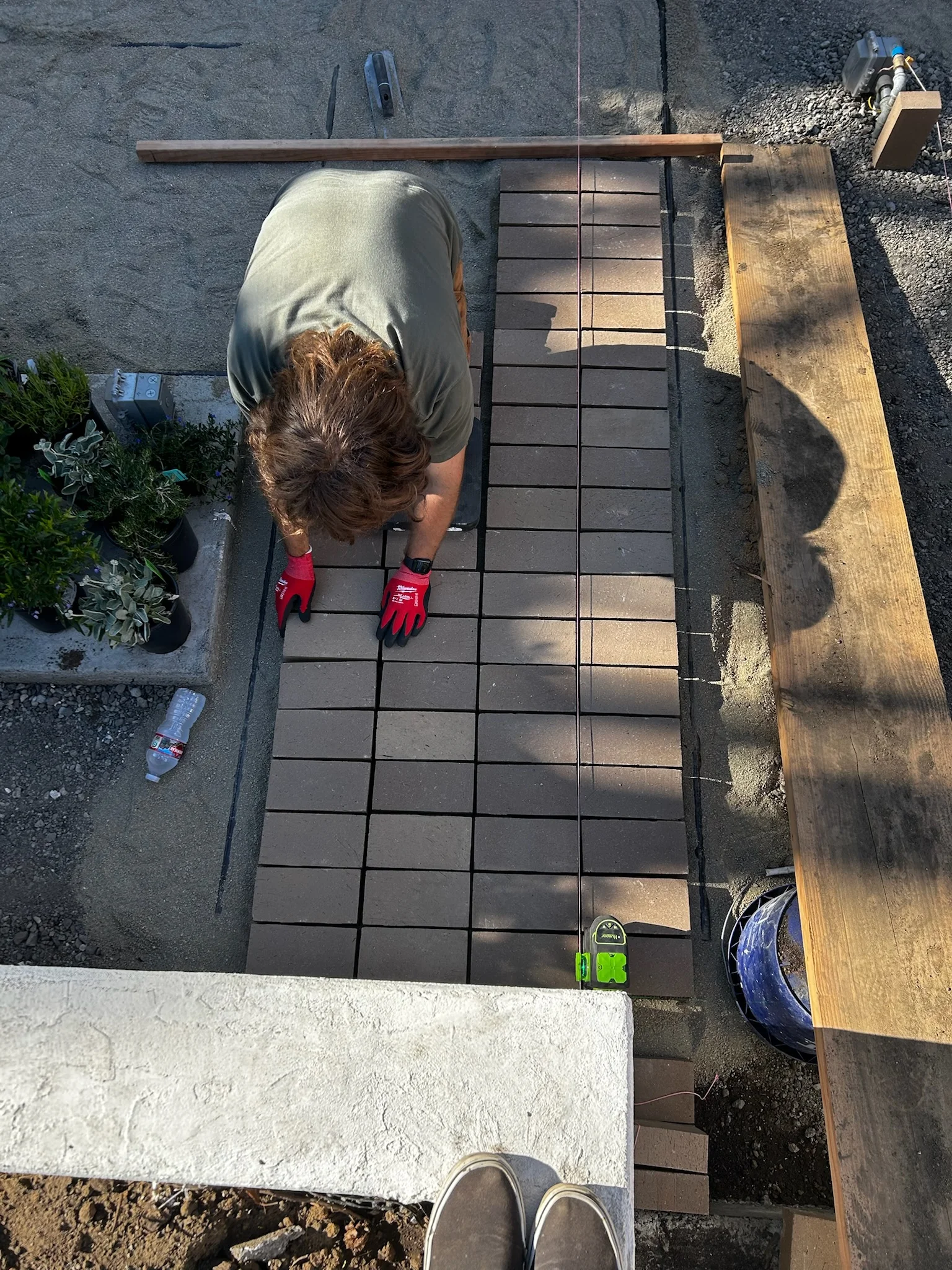
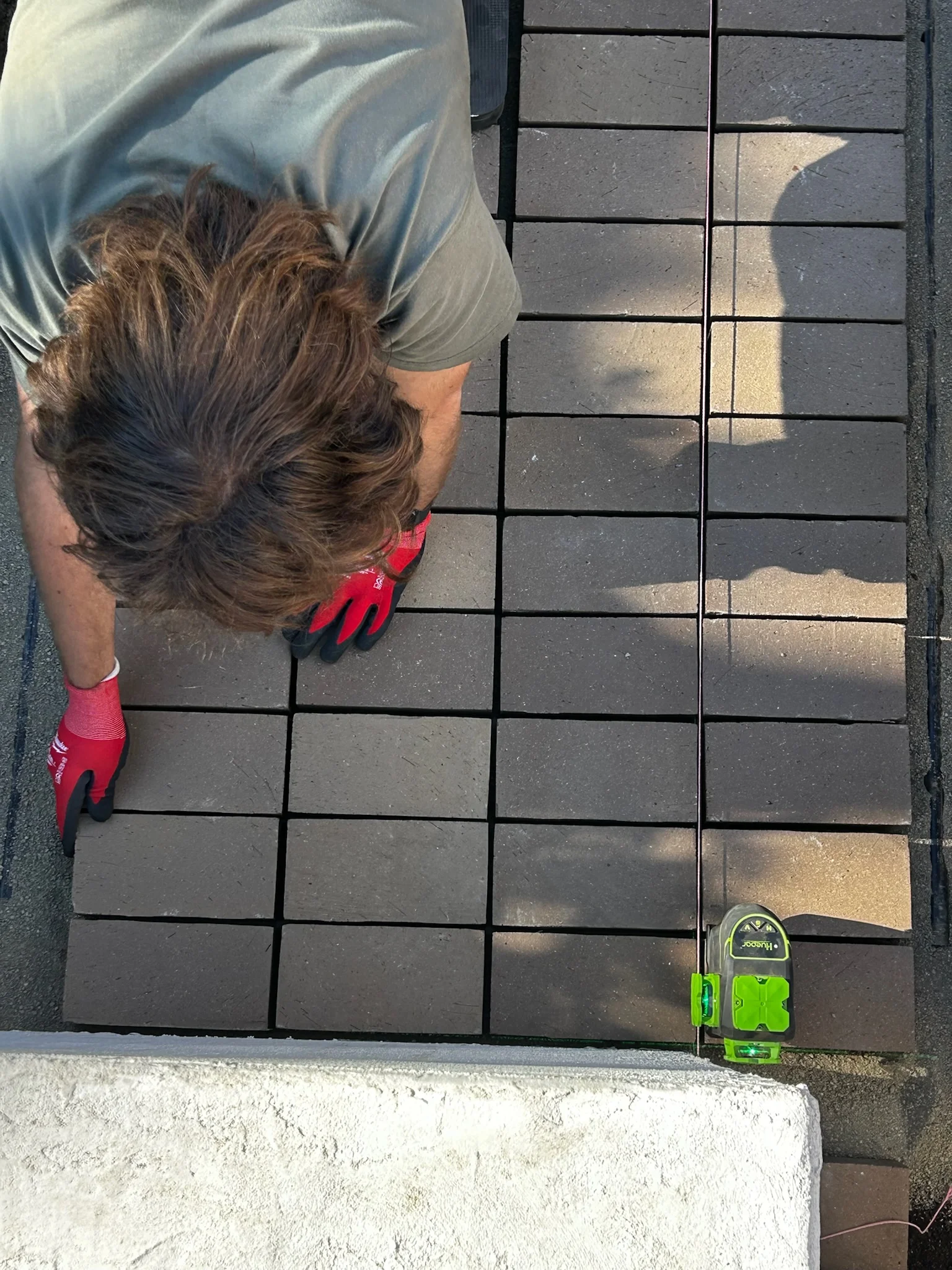
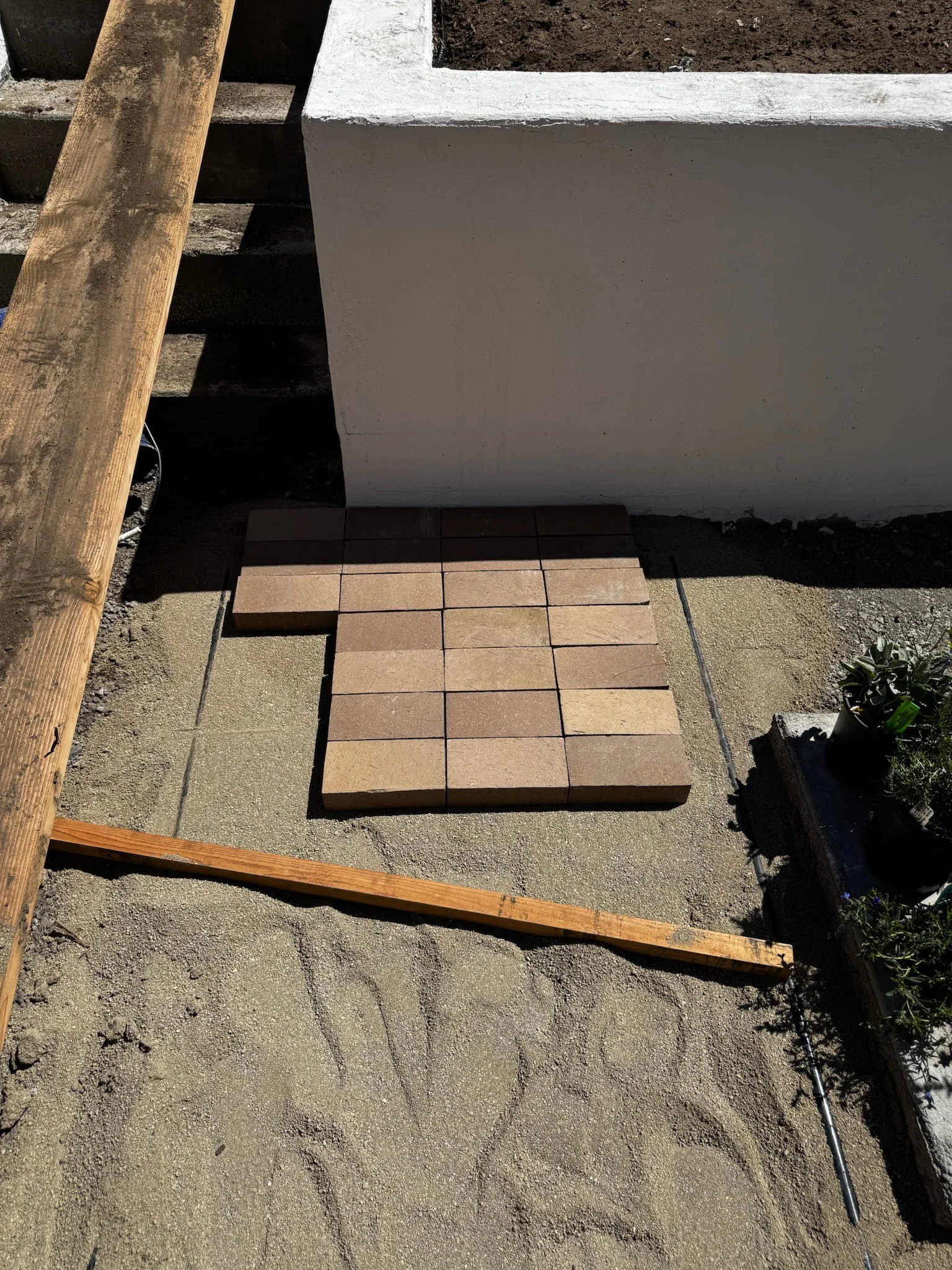
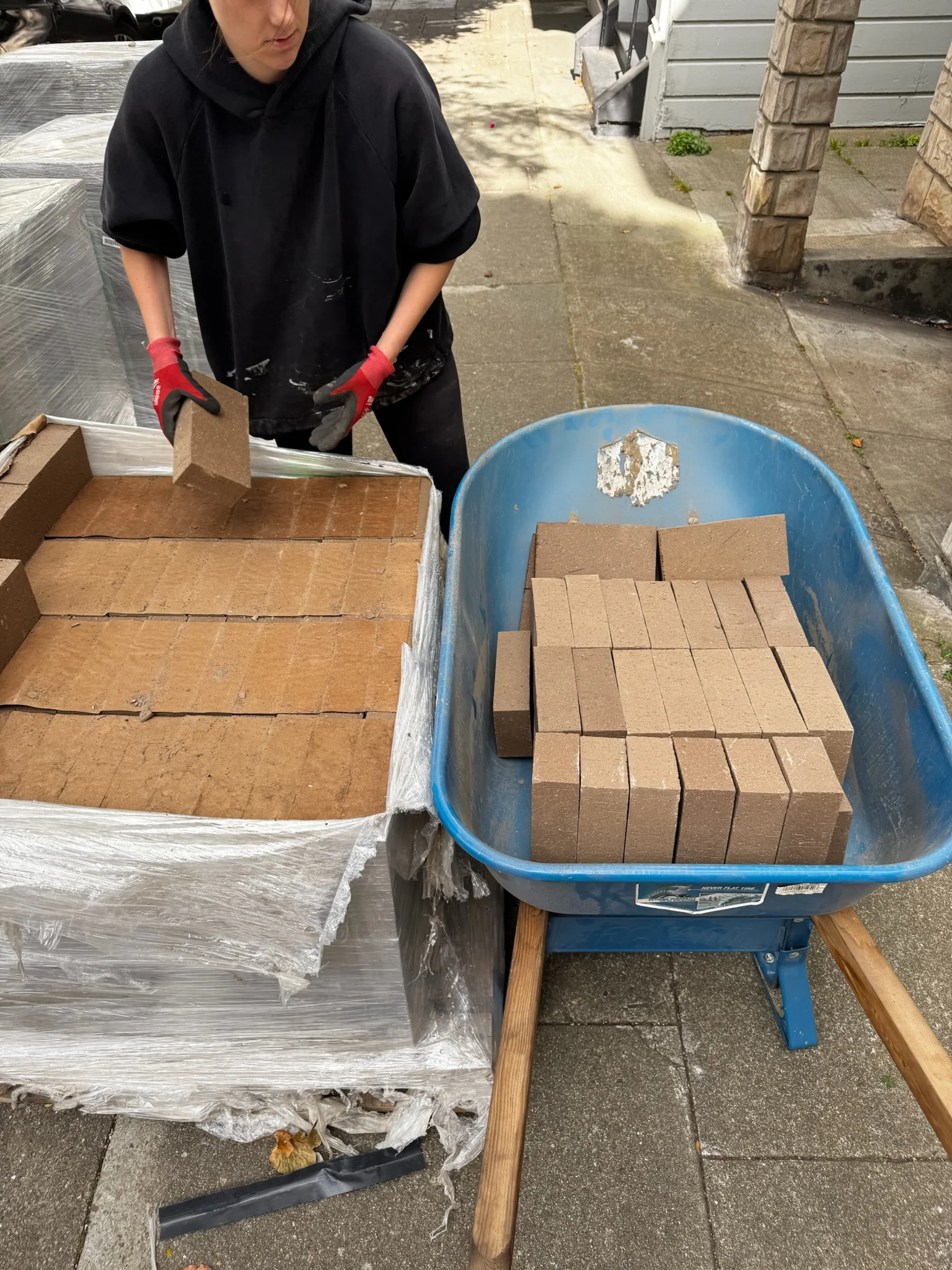
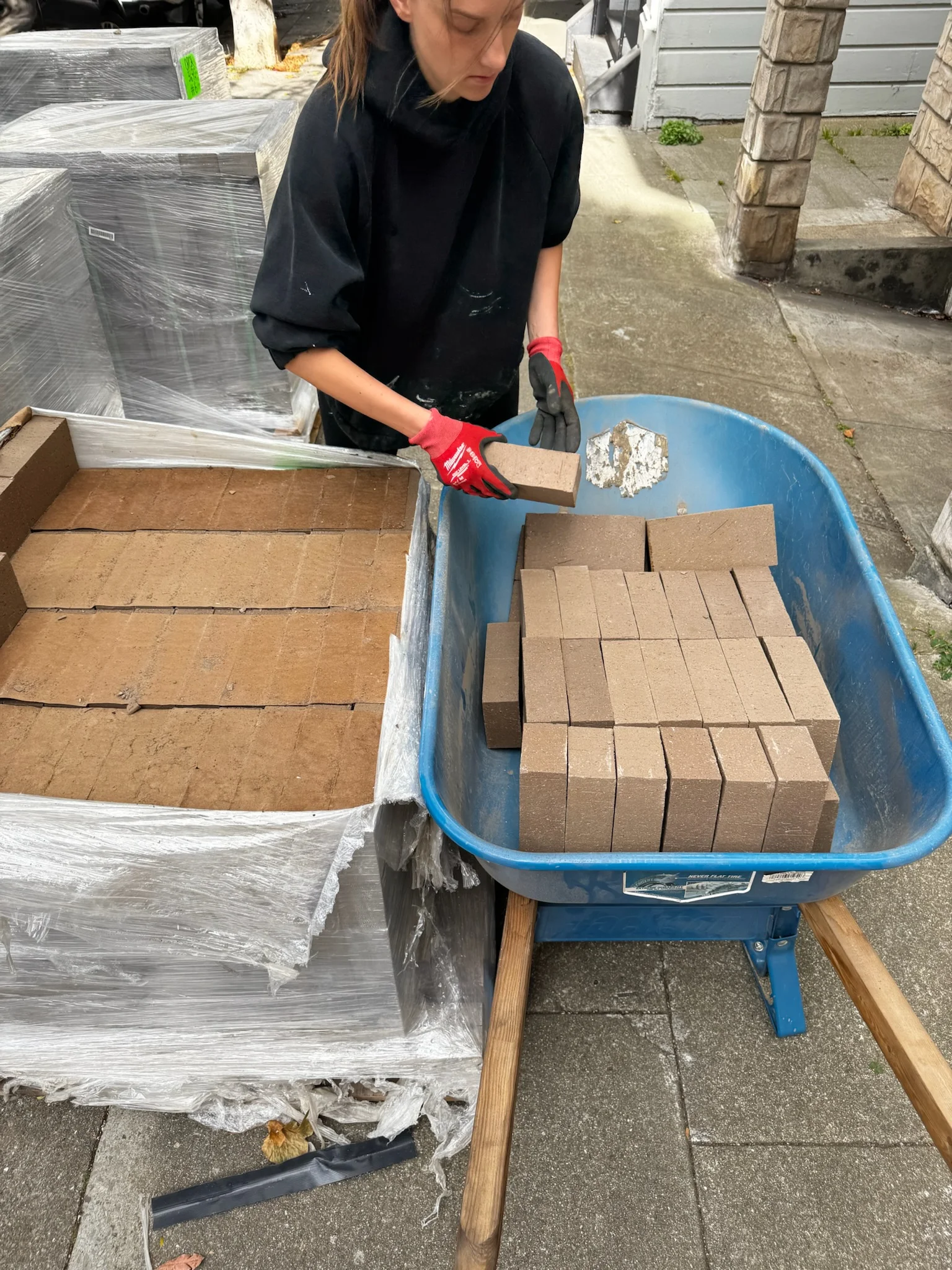
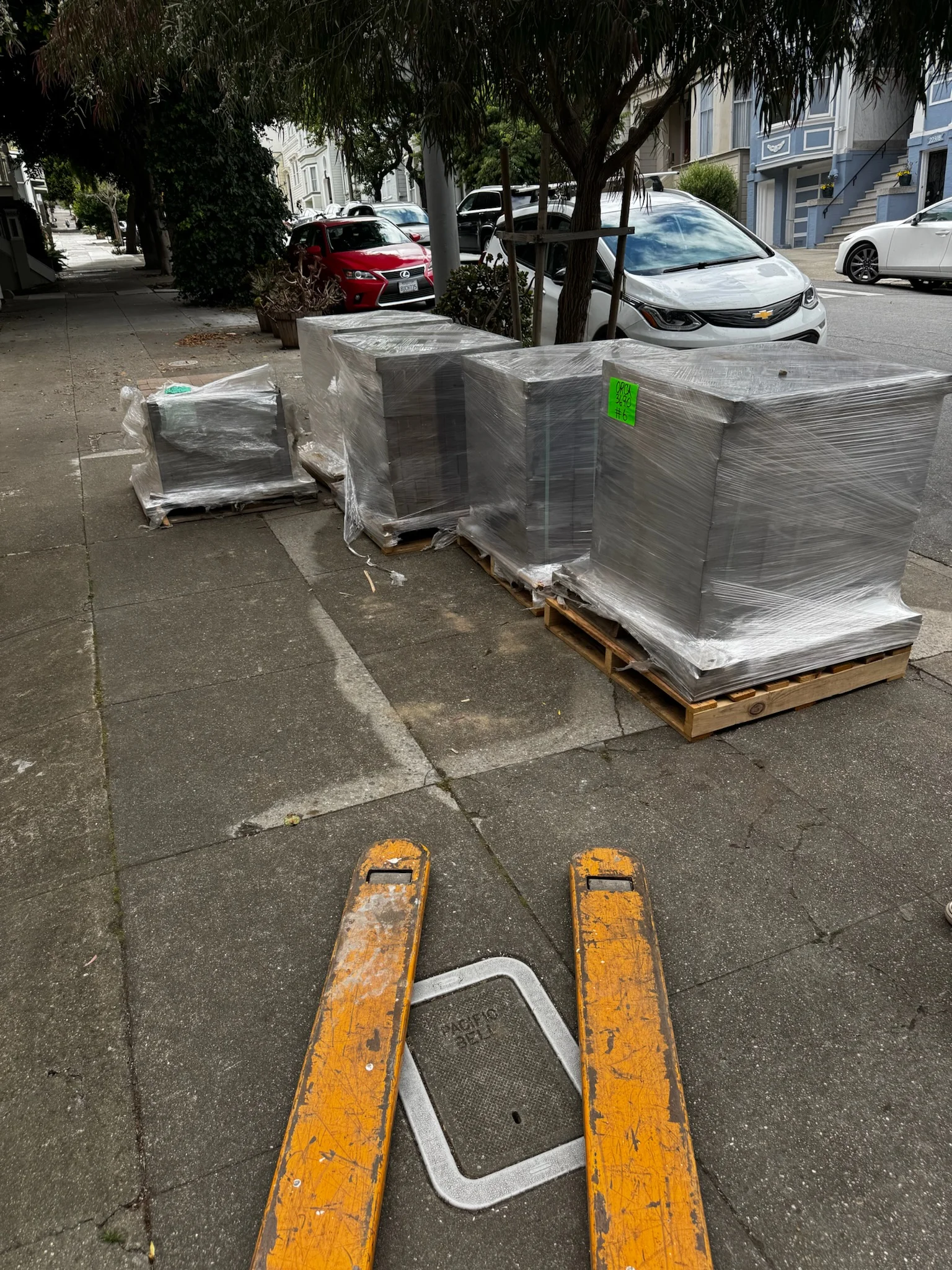
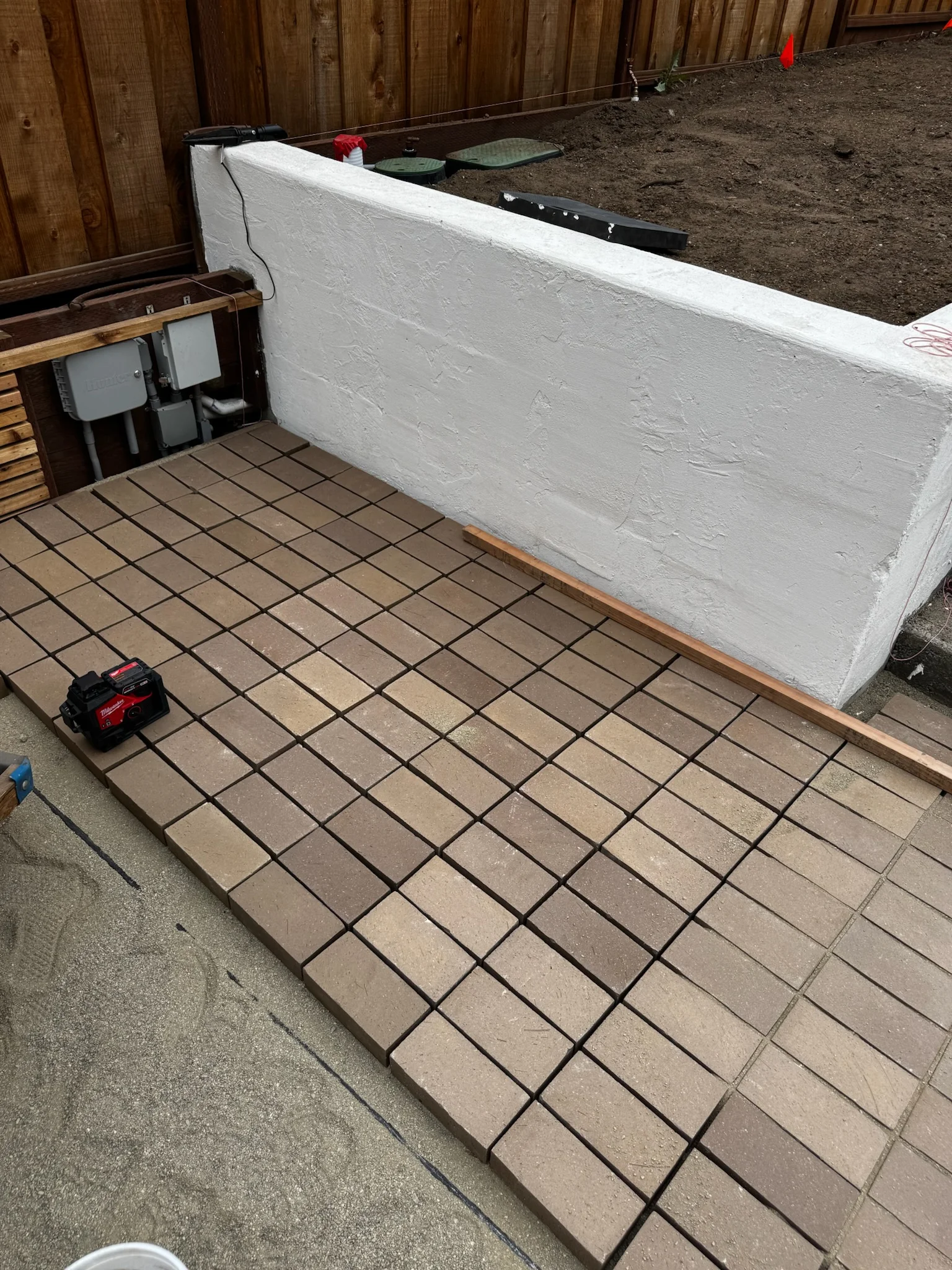
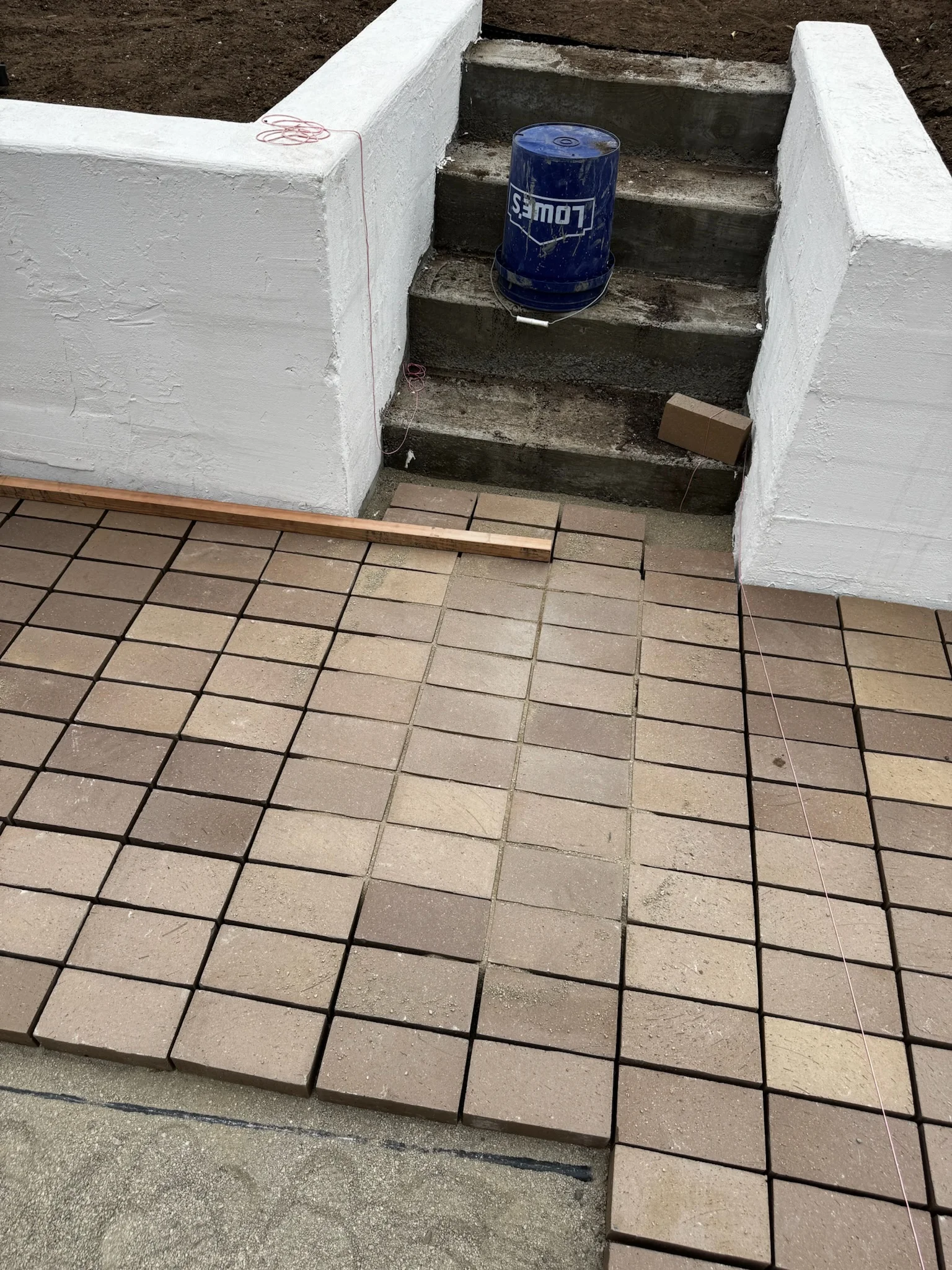
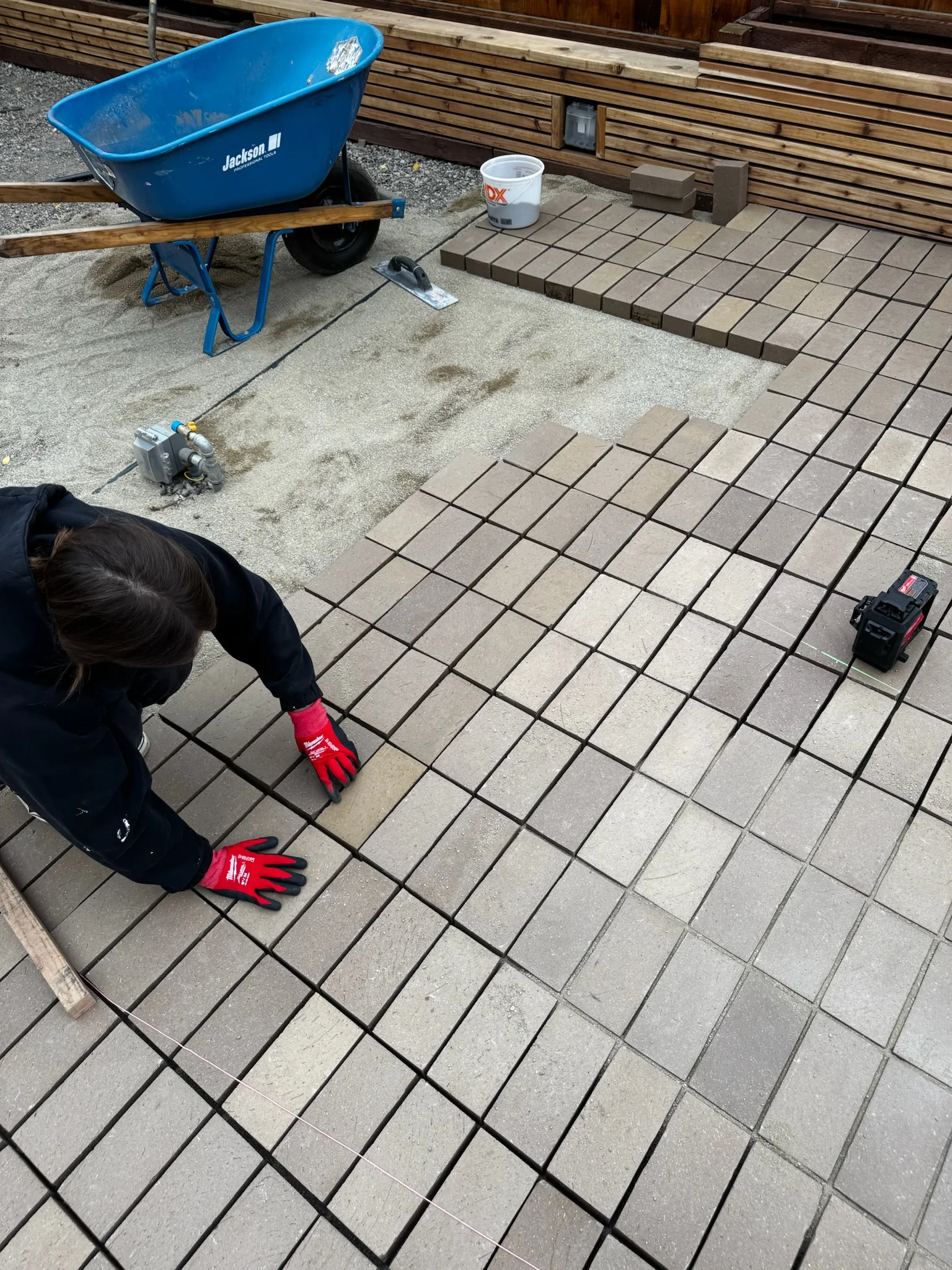
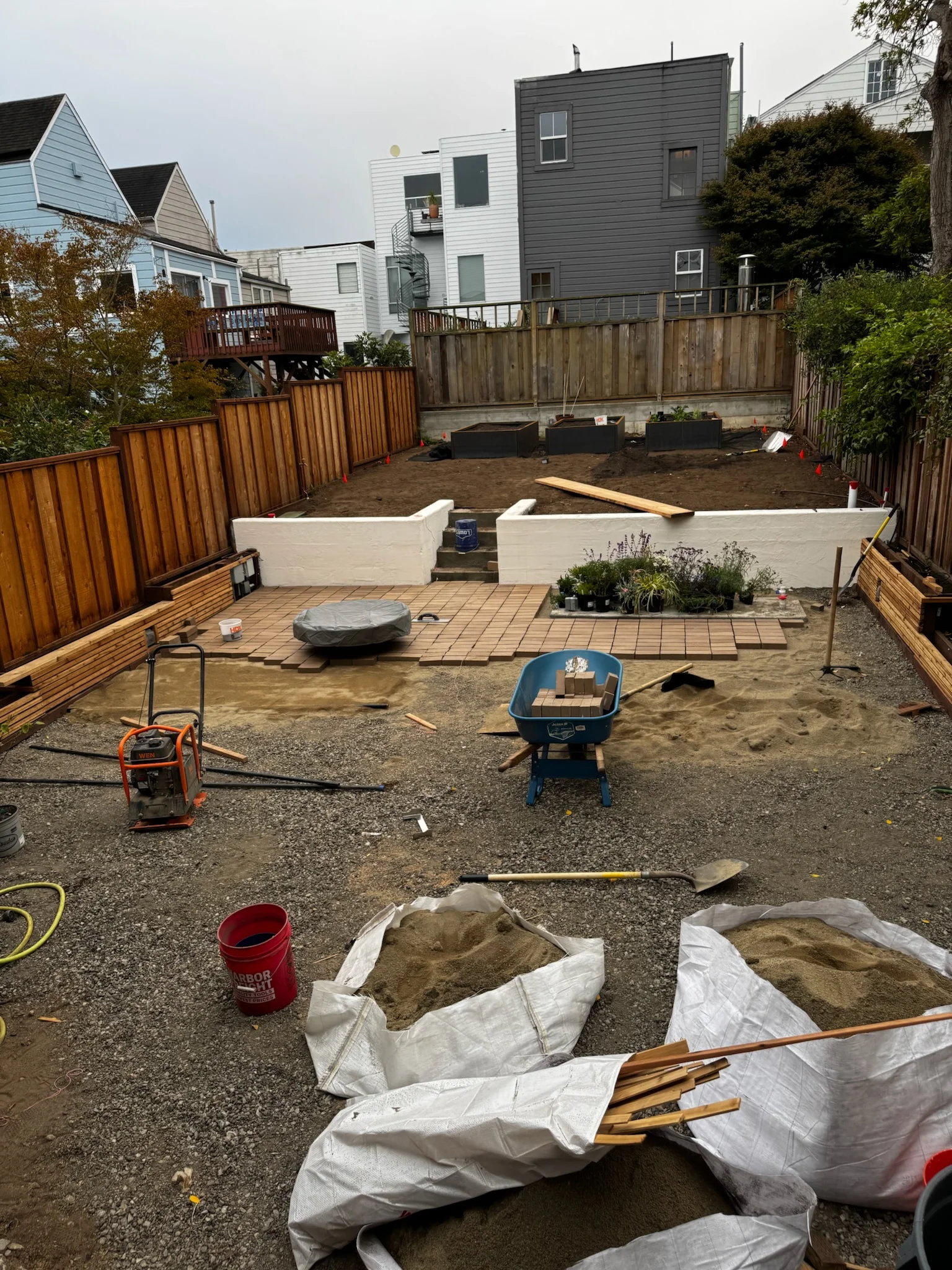
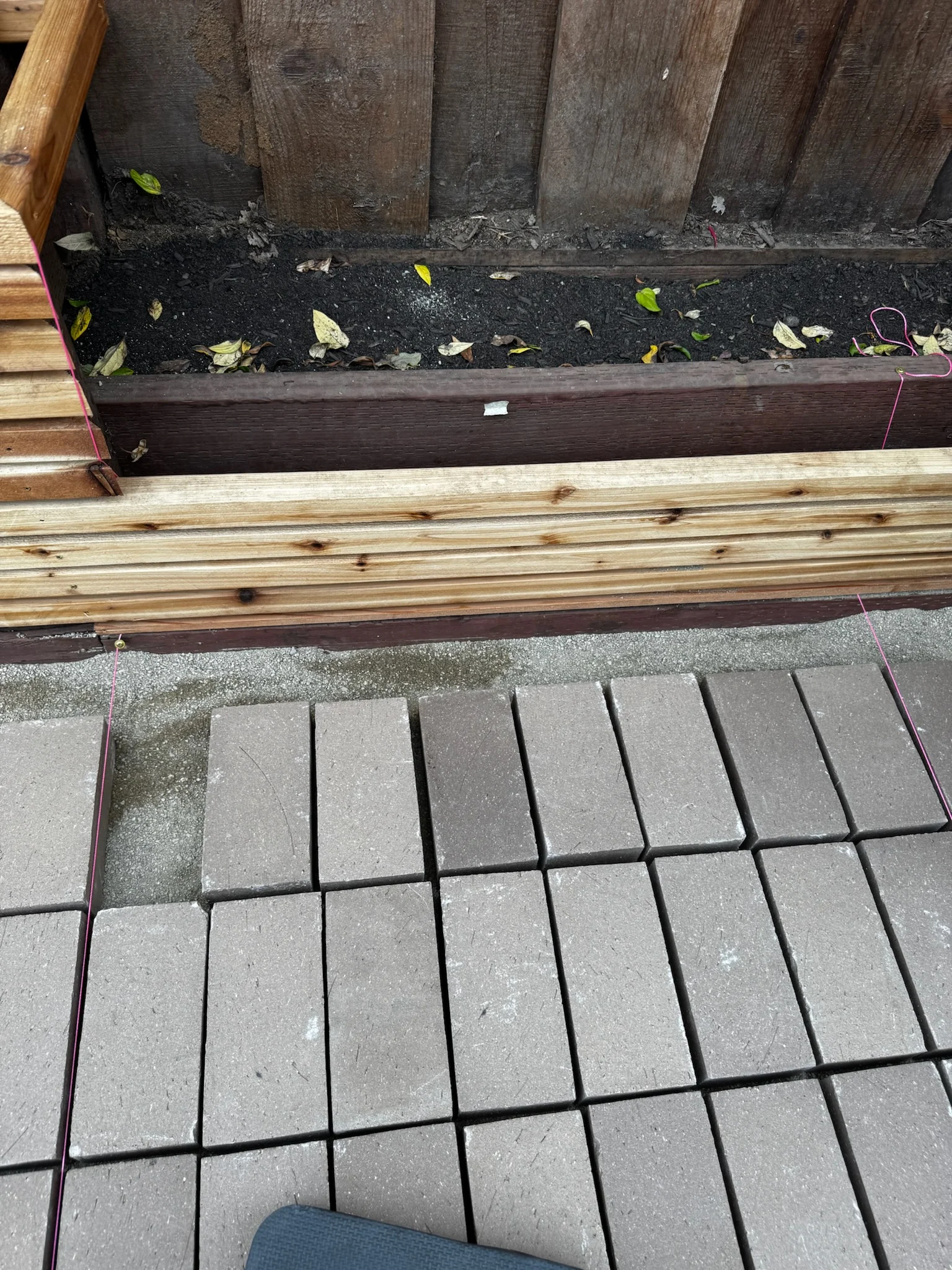
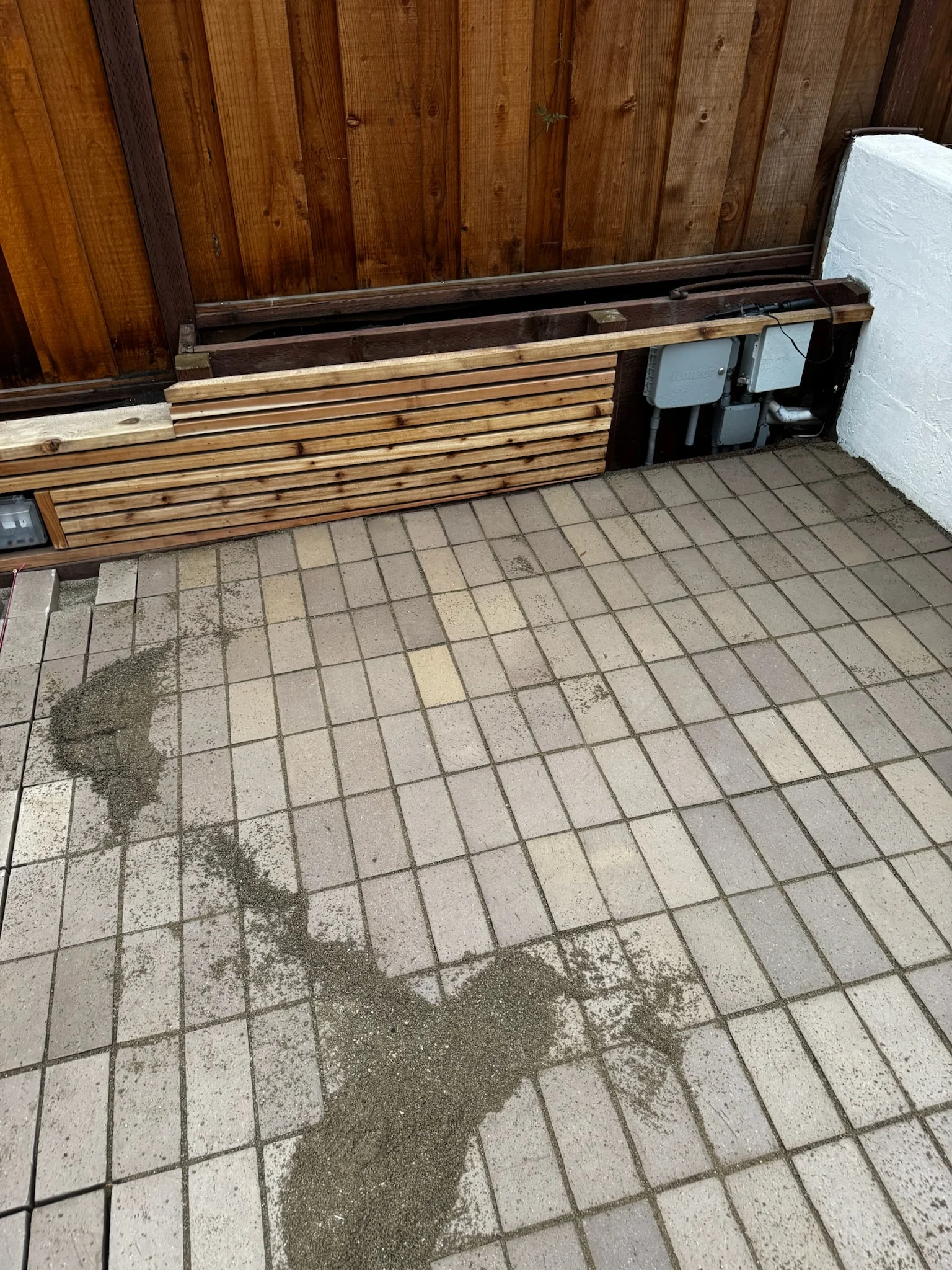
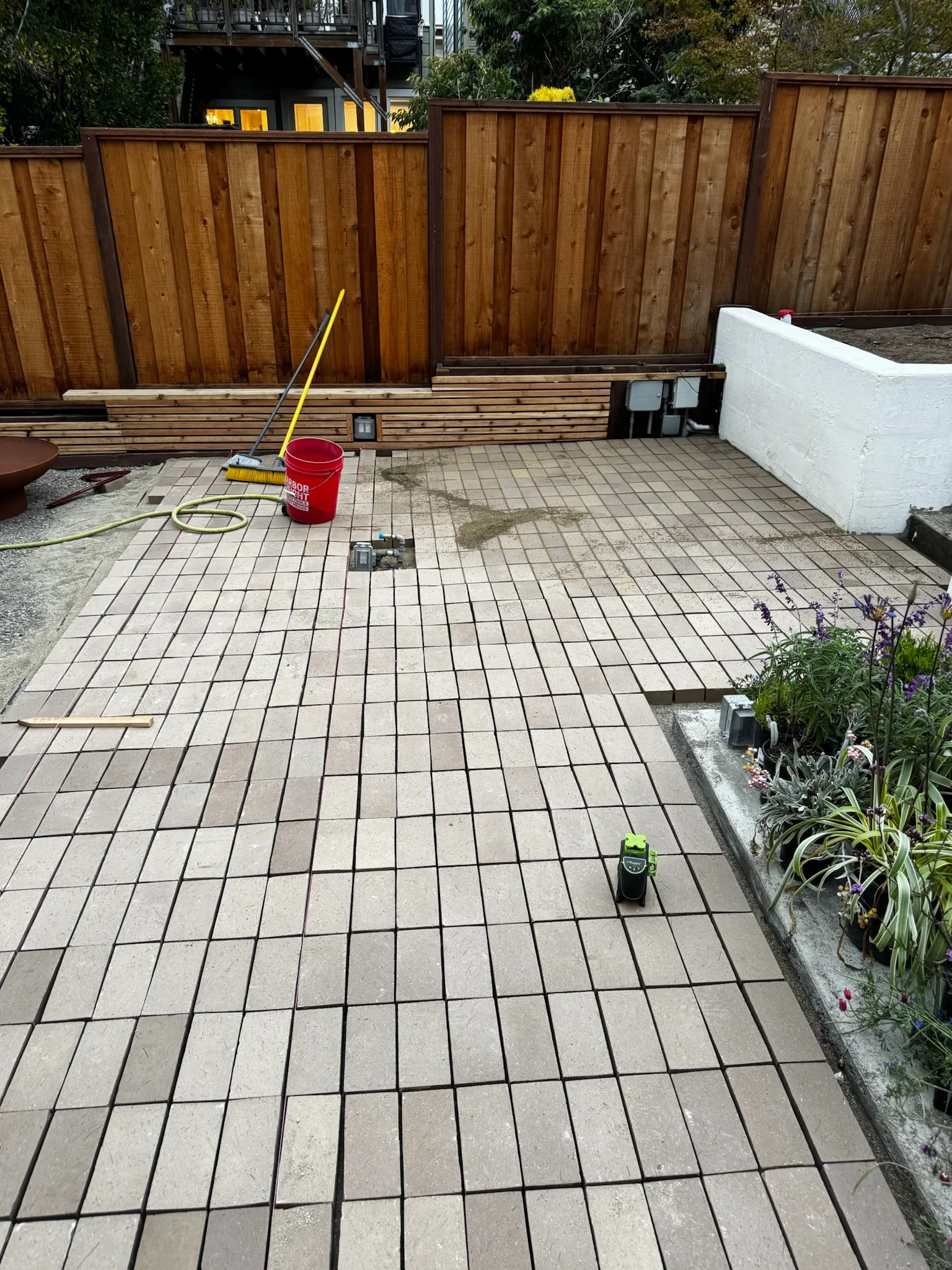
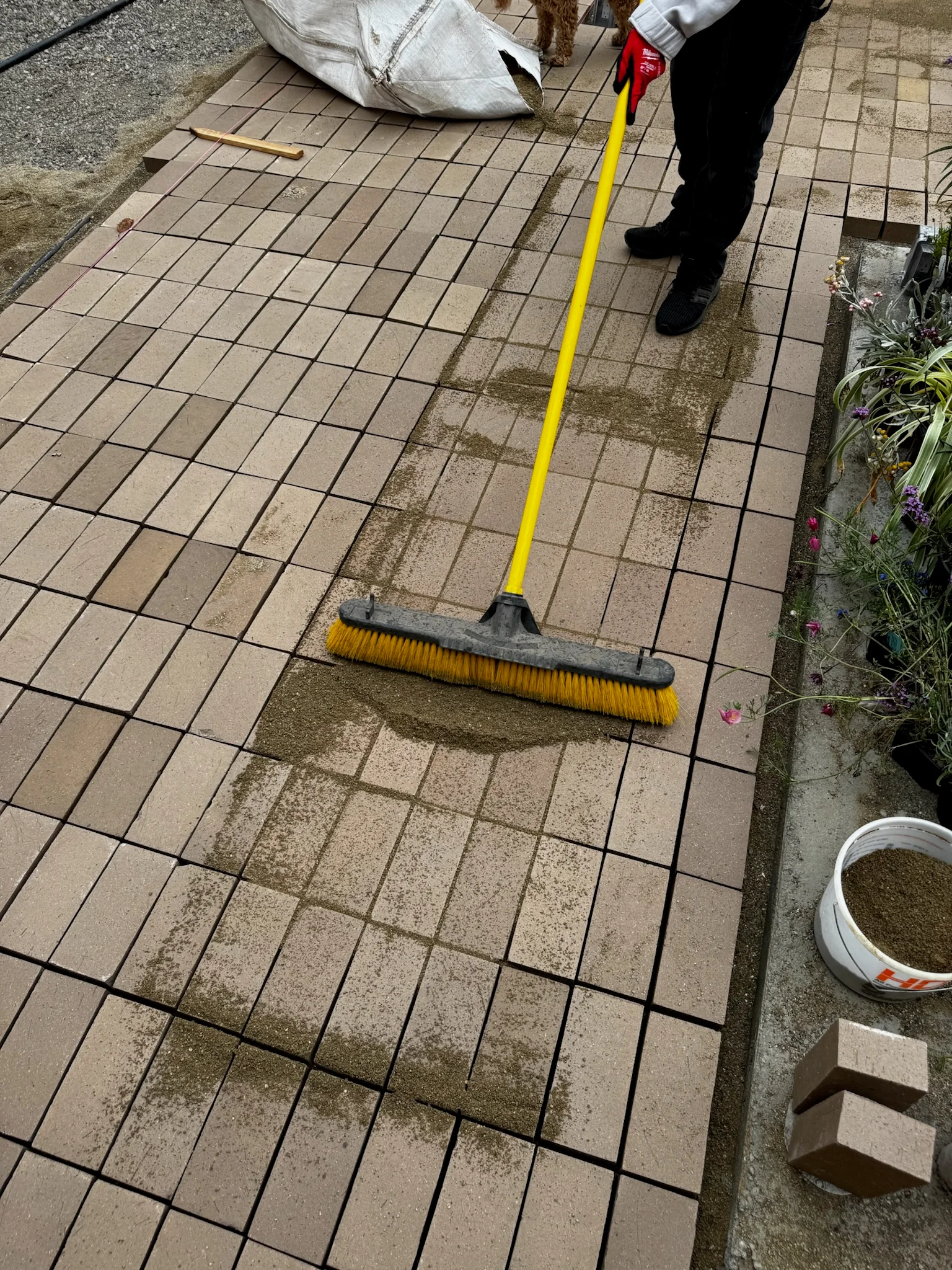
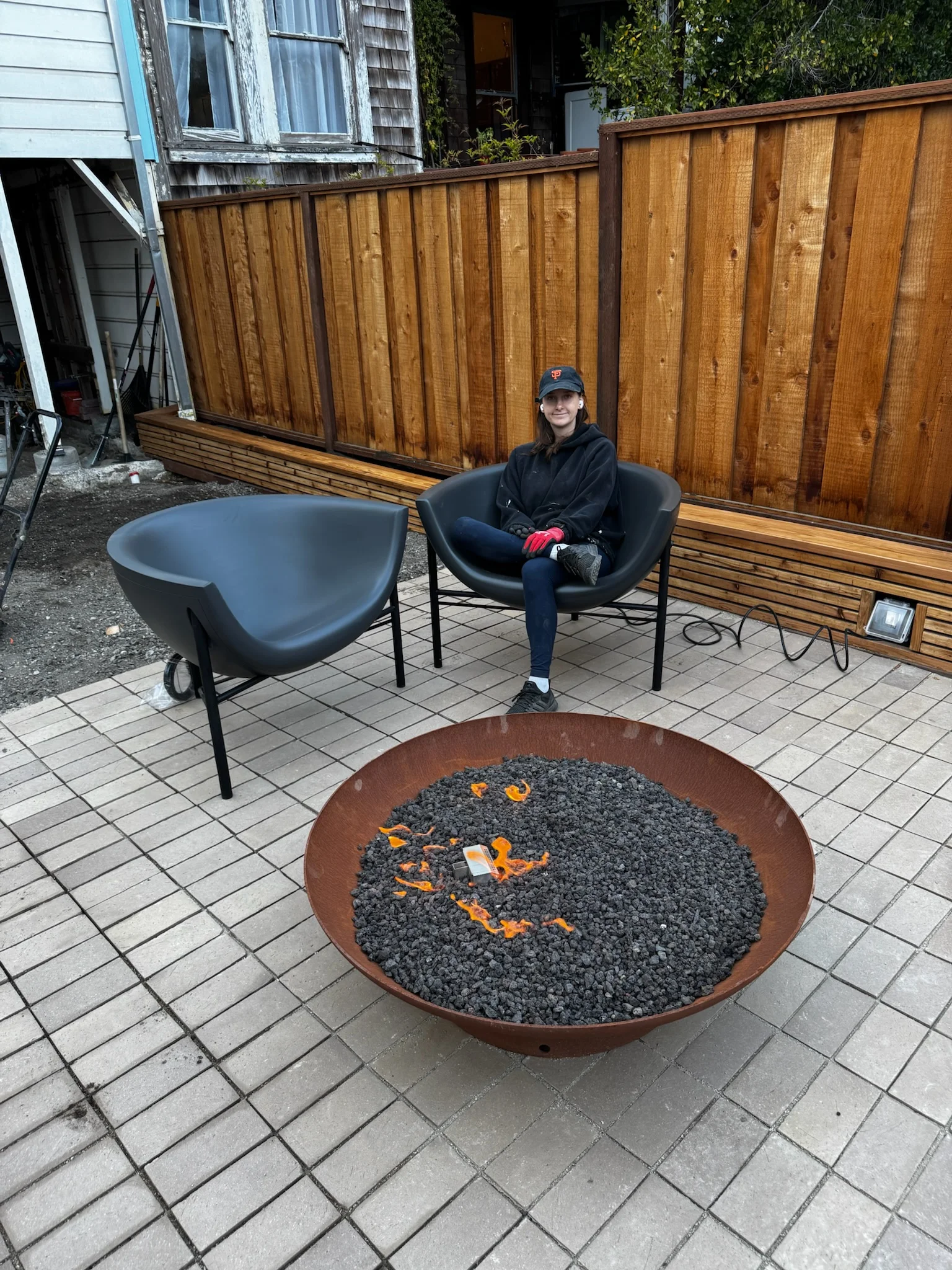
Paver Bricks The pavers are from
ORCA and they are installed in a permeable manner - instead of polymeric sand or grout, standard sand is swept along them to fill the gaps. This allows water to drain between them, instead of running off to the end of the pavers.
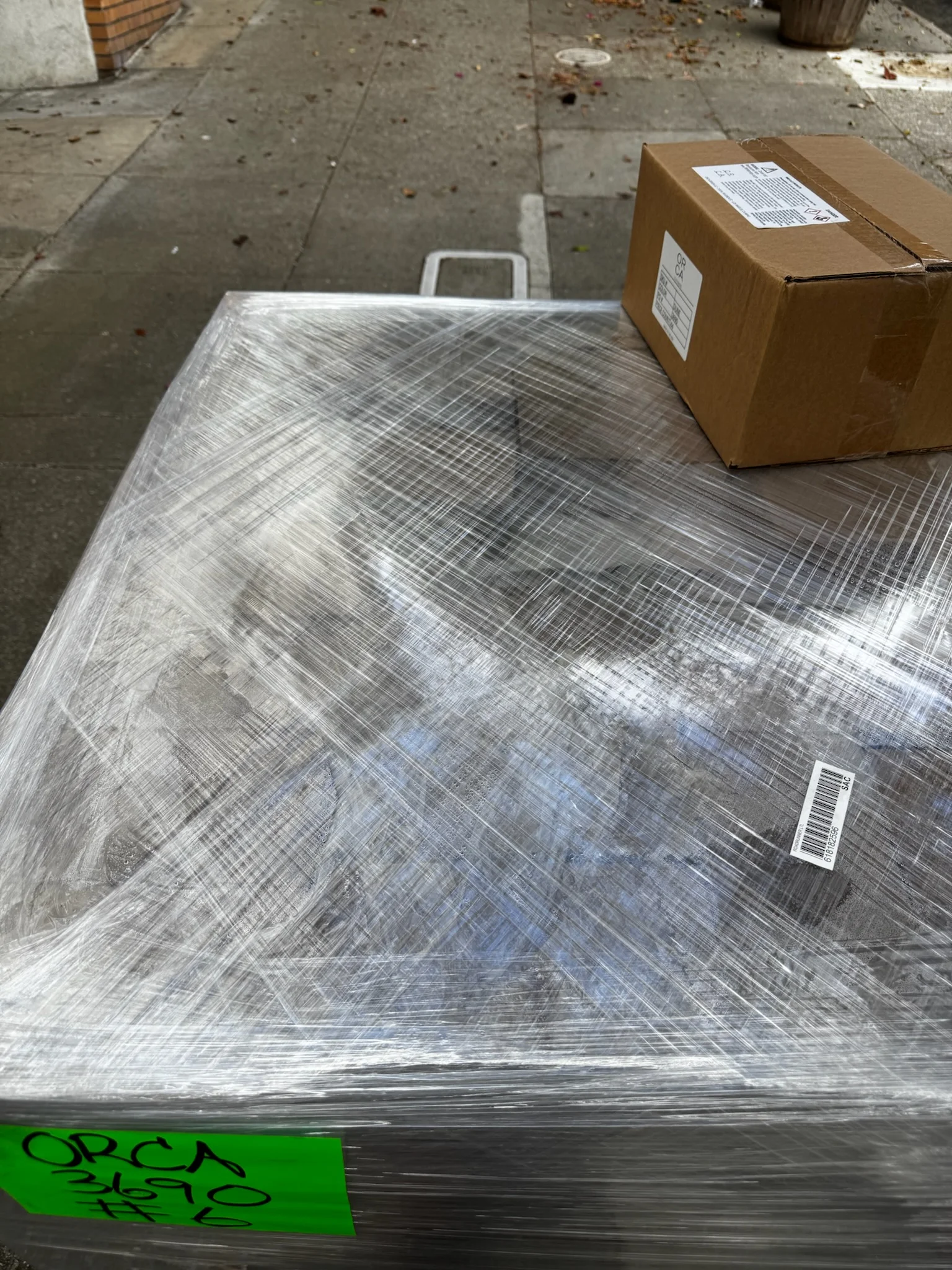
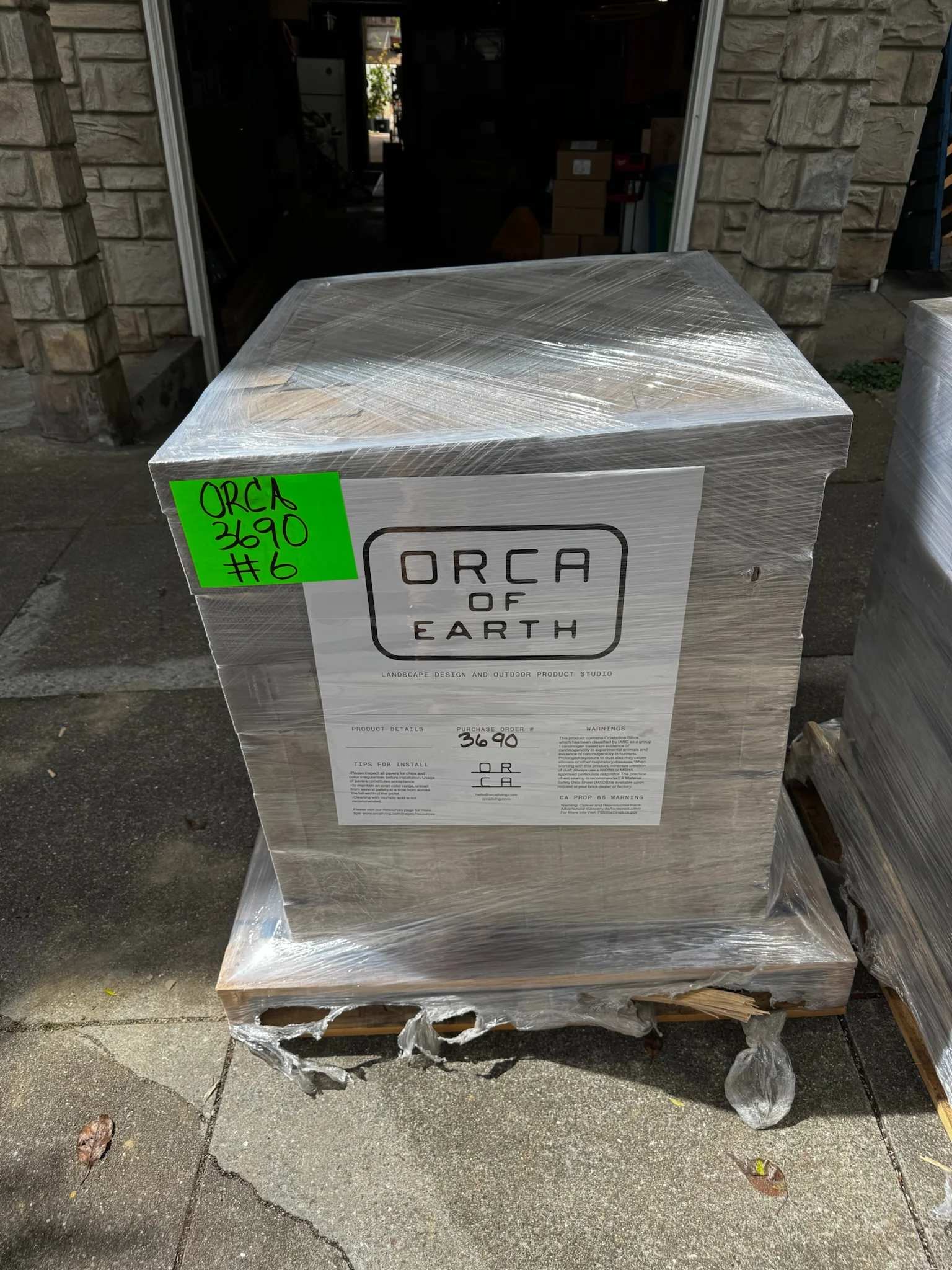
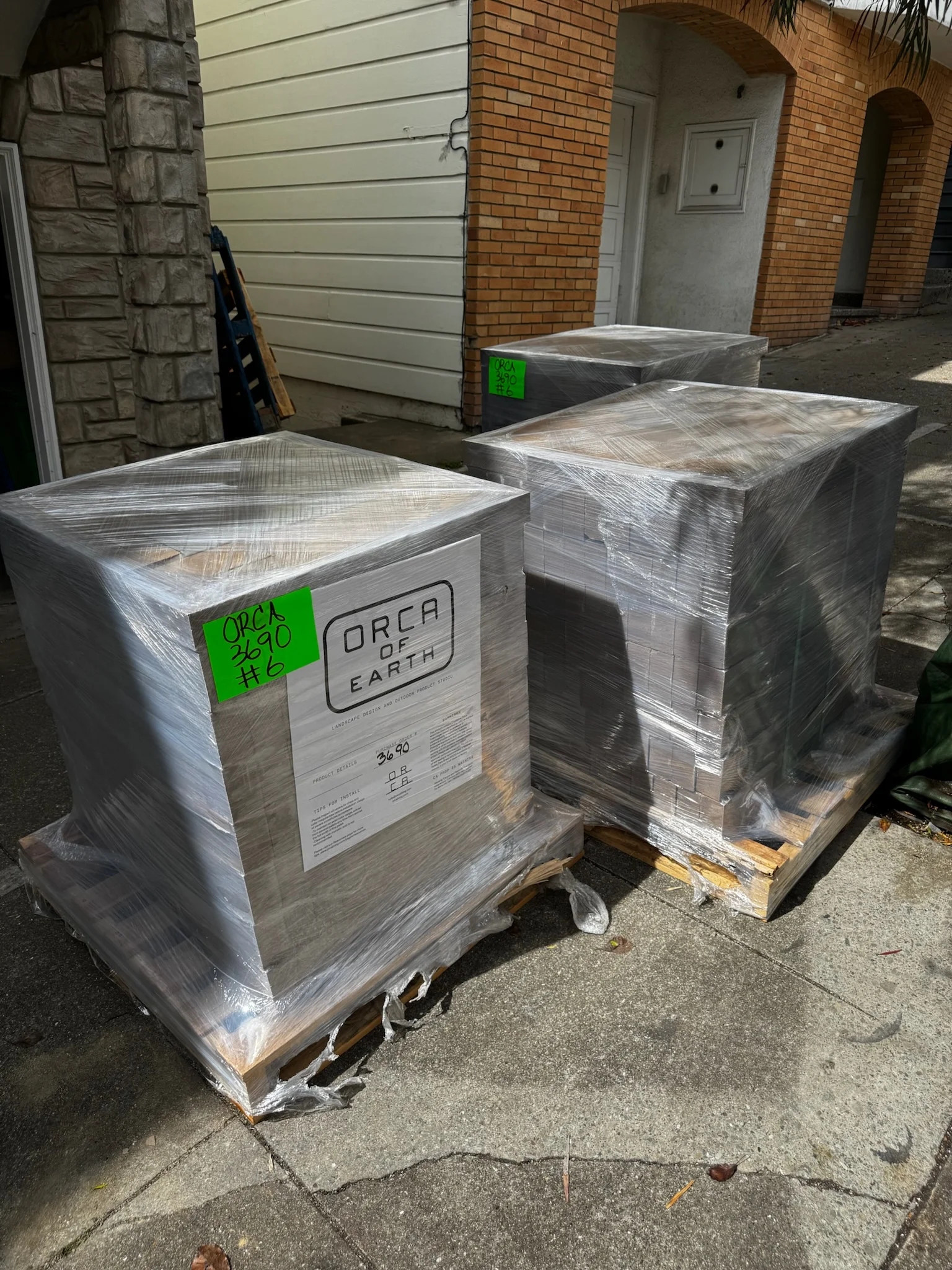
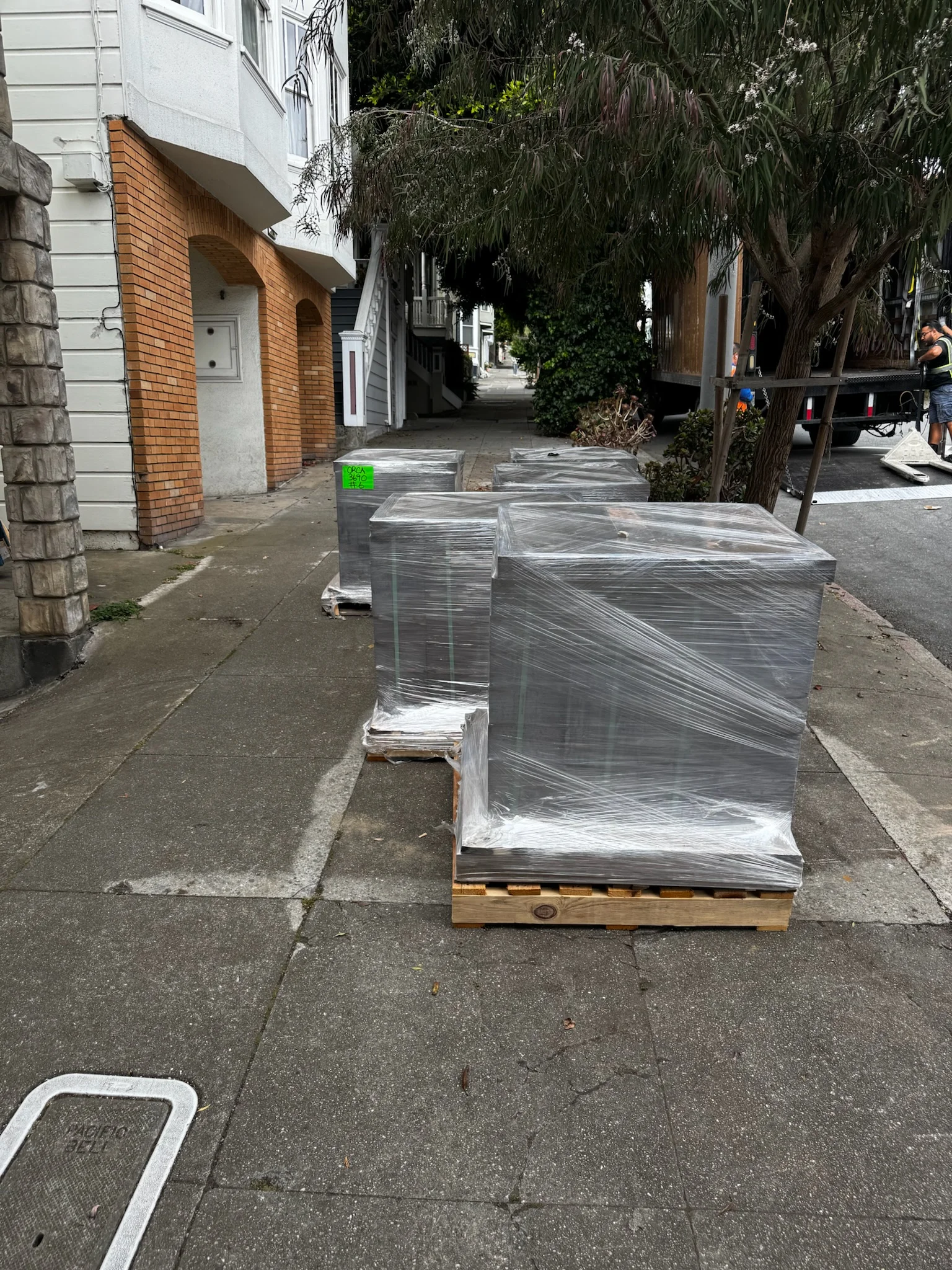
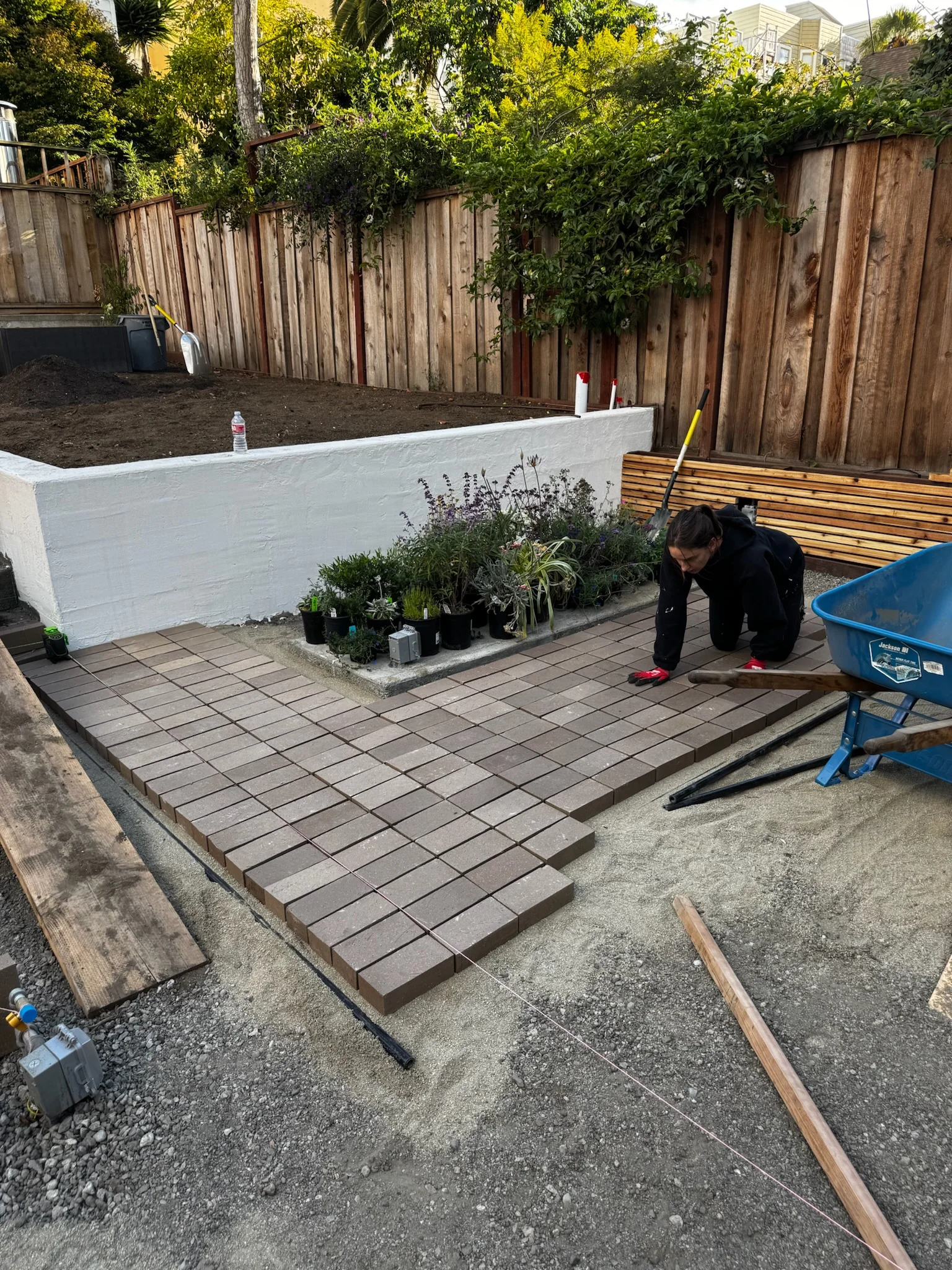
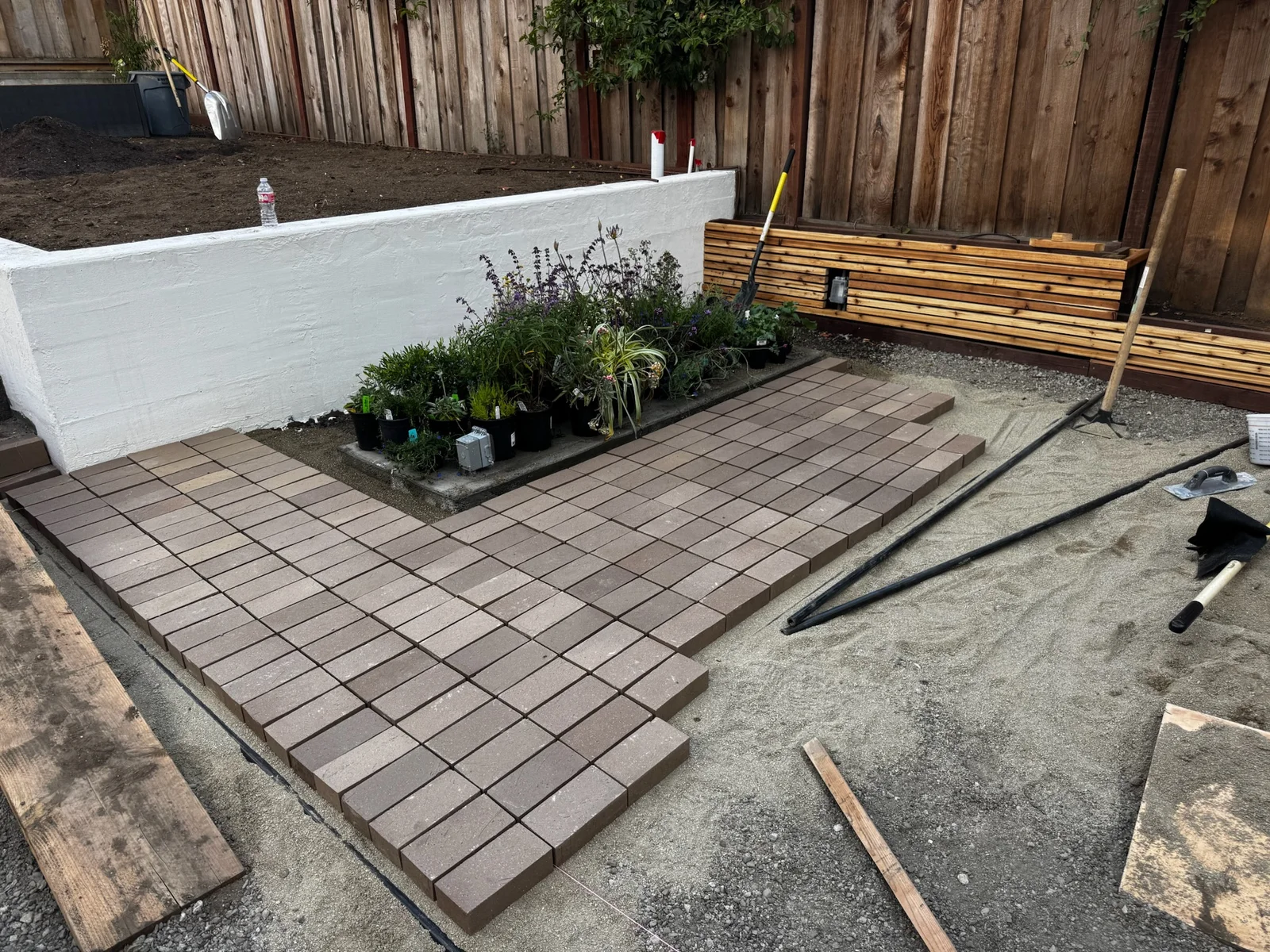
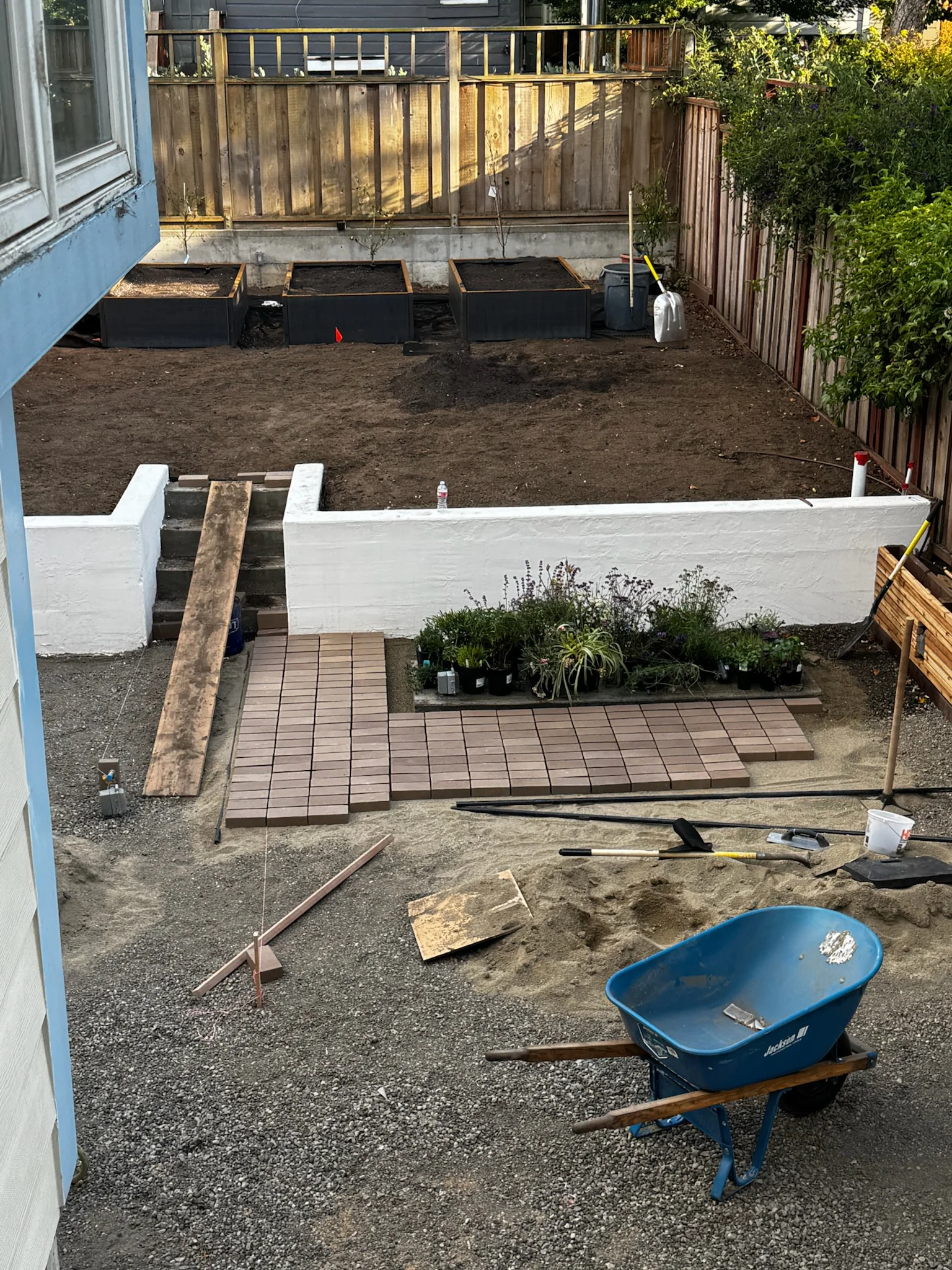
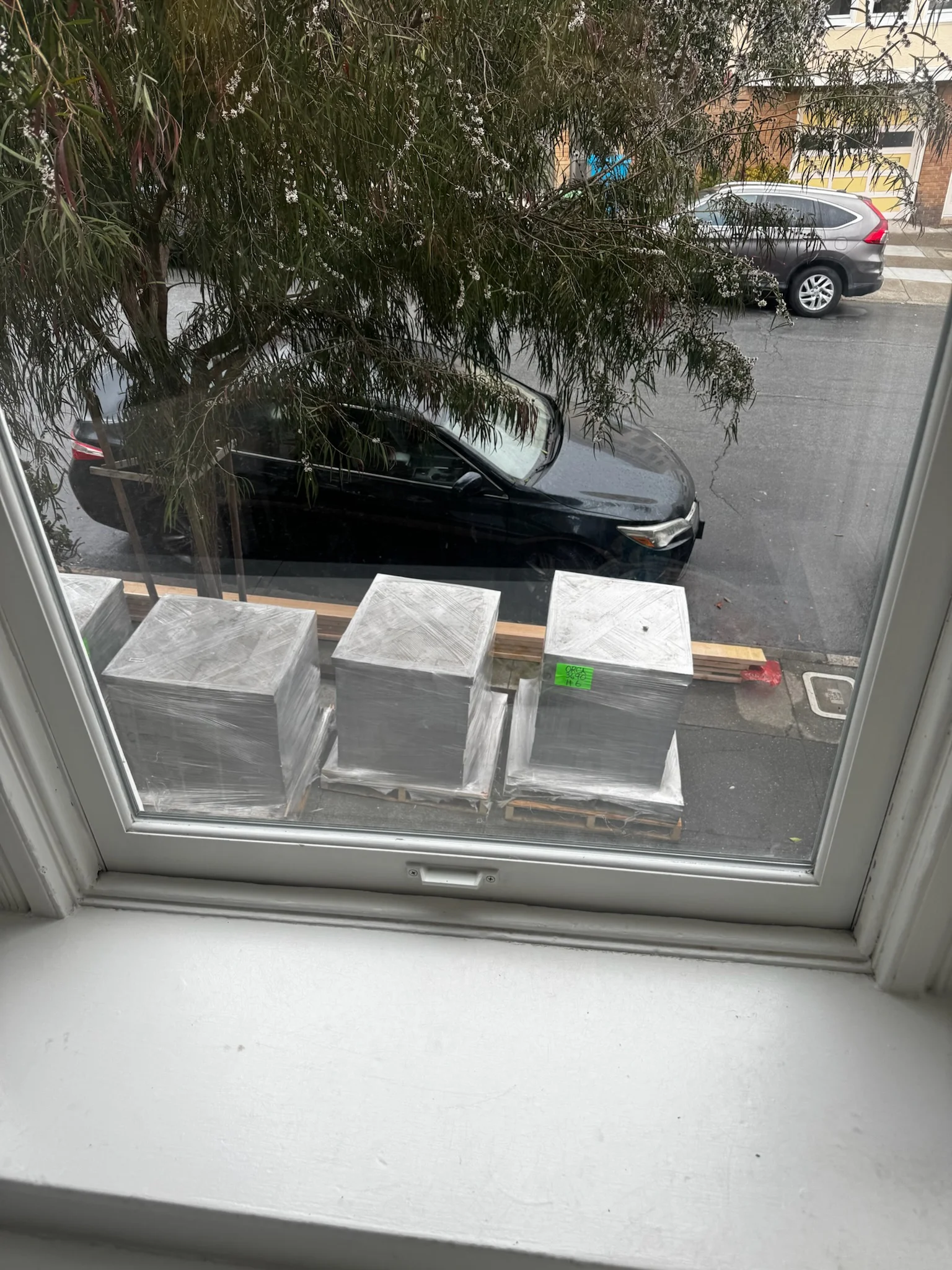
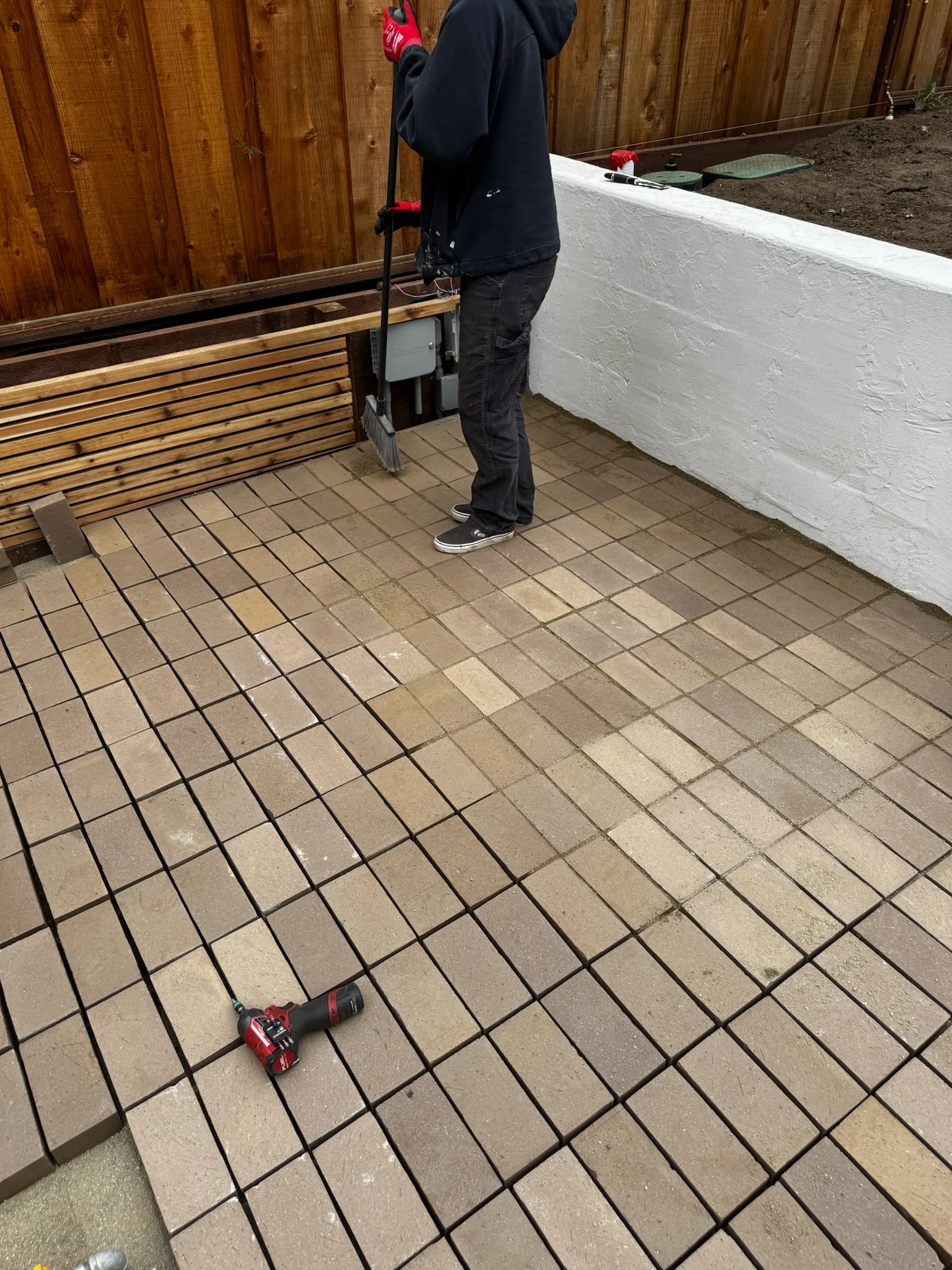
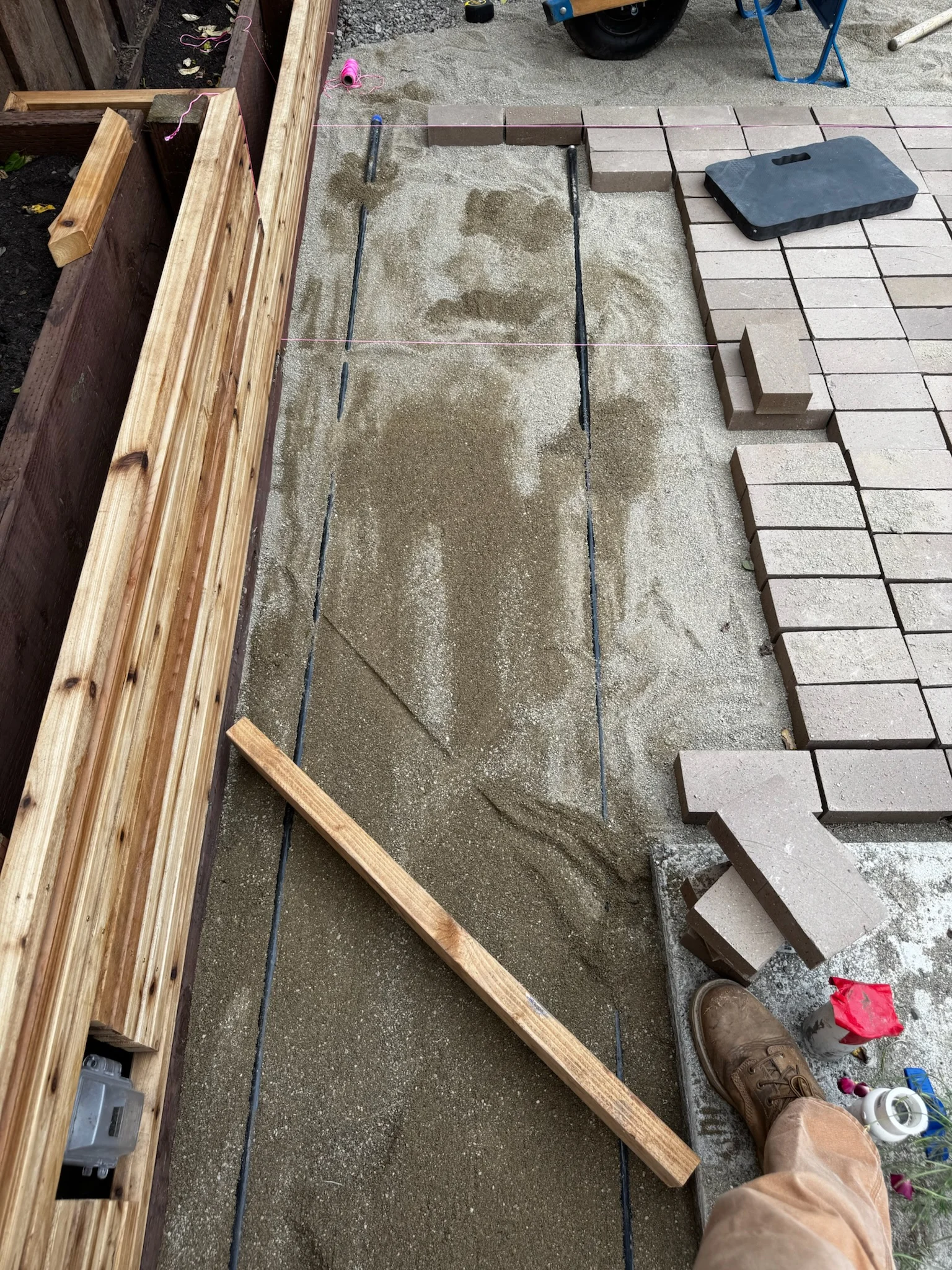
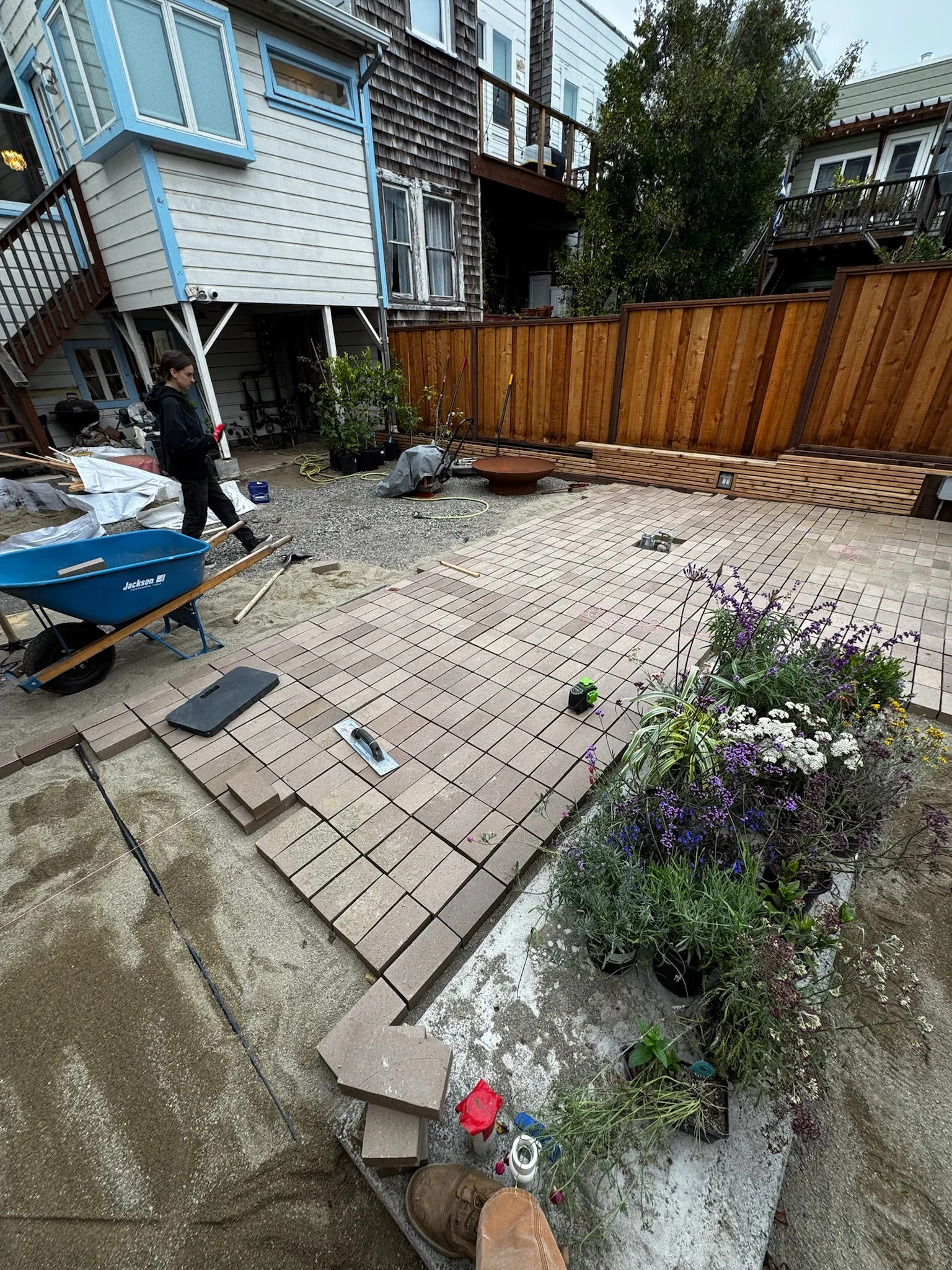
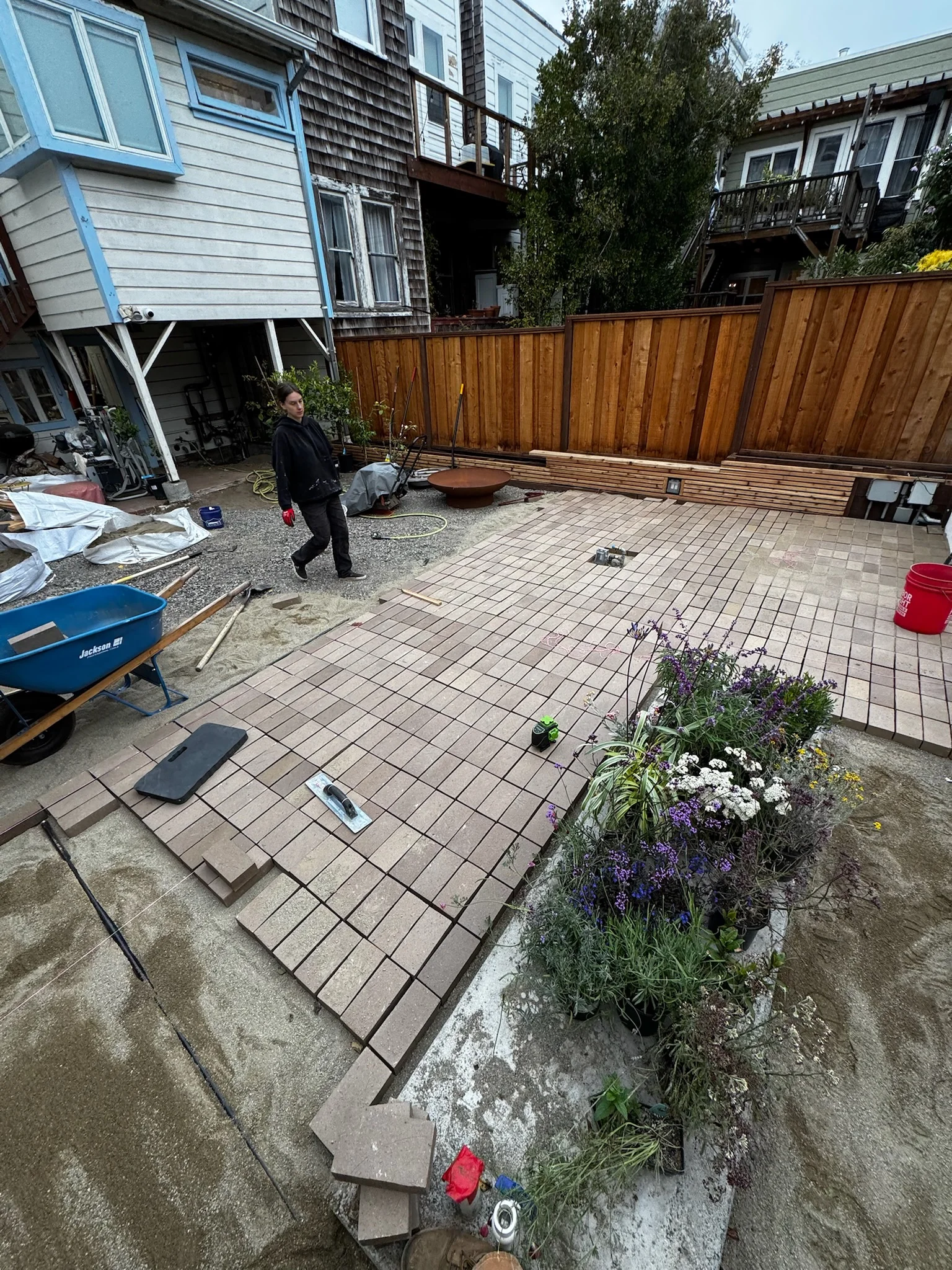
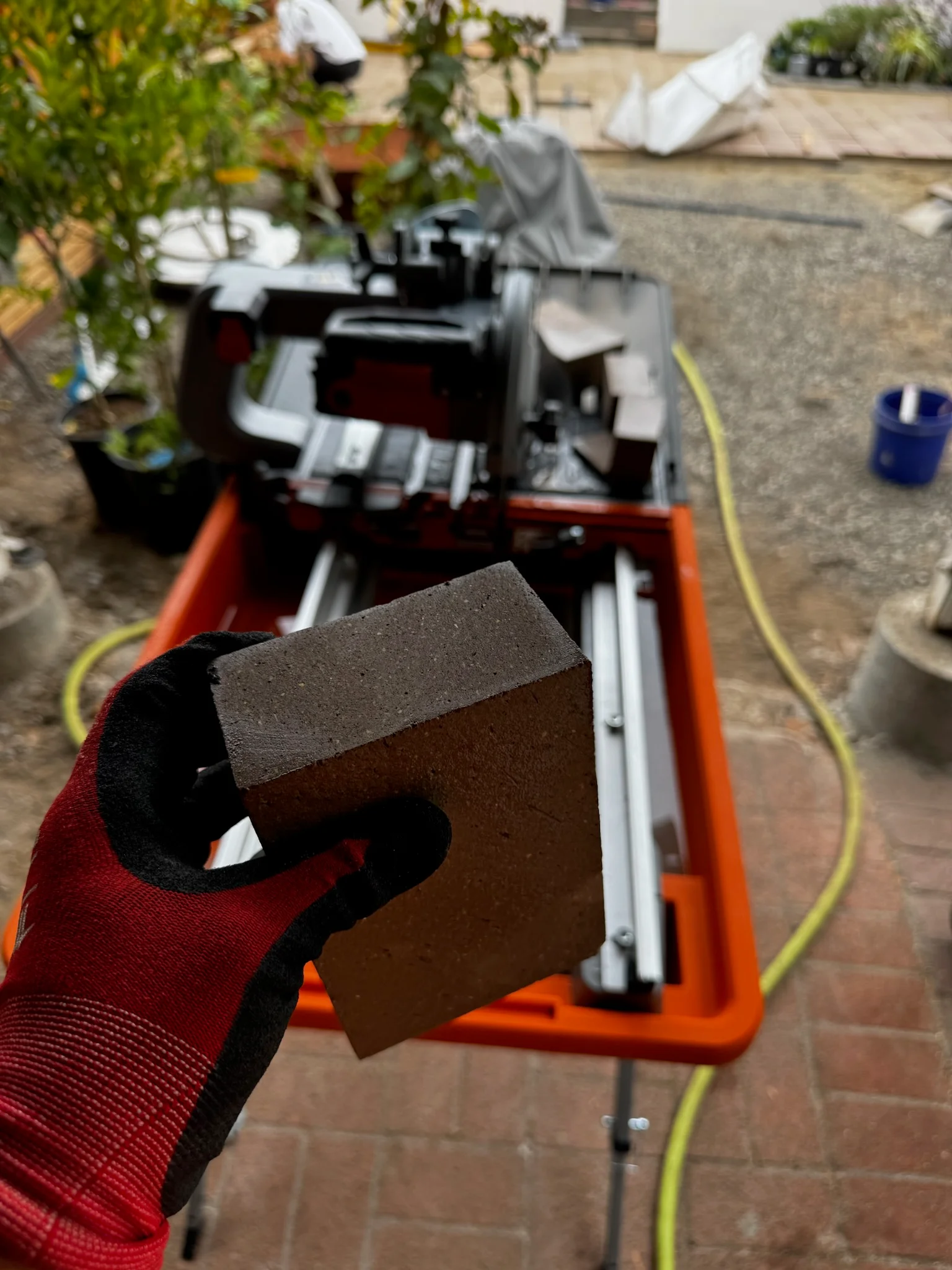
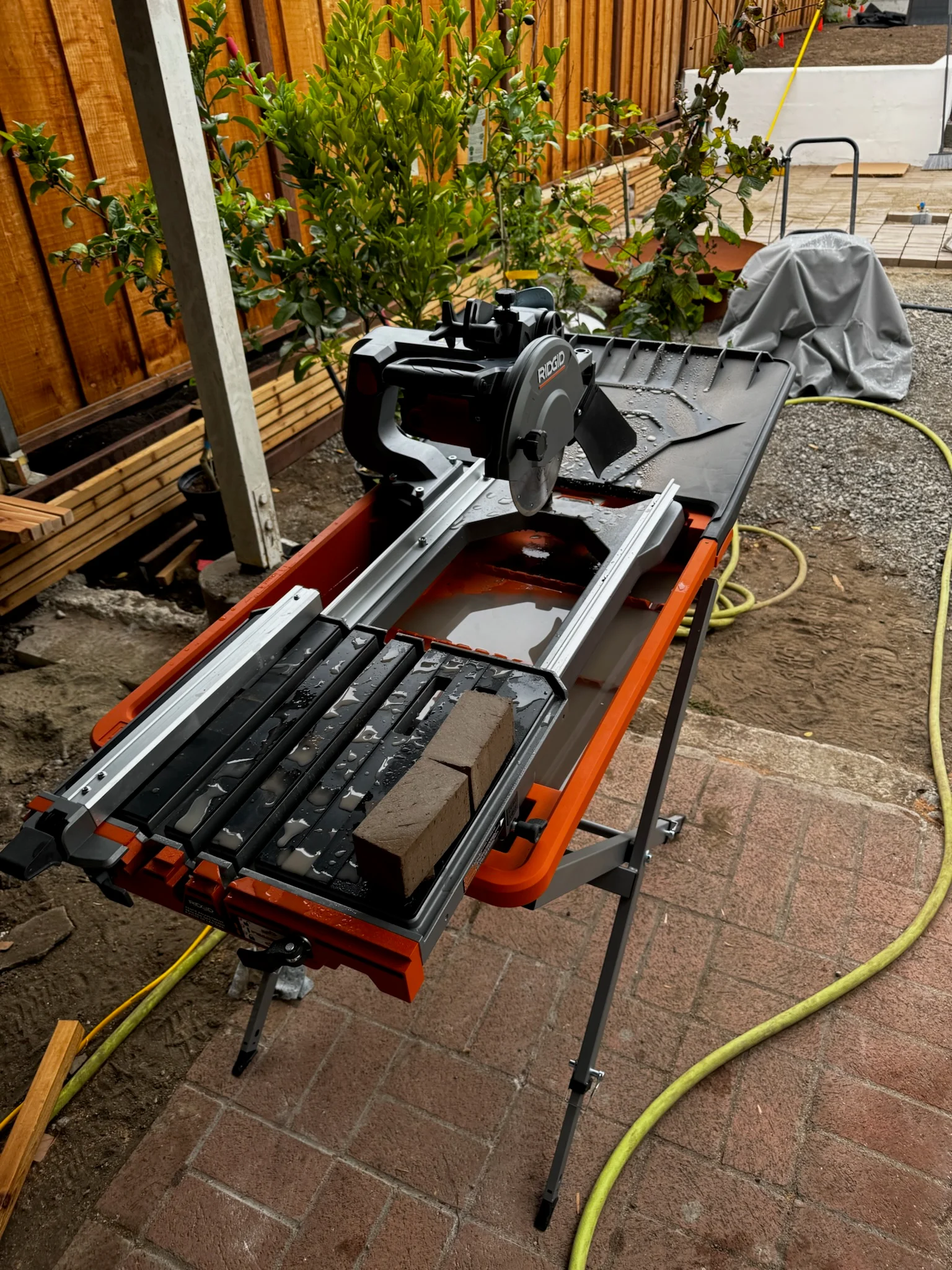
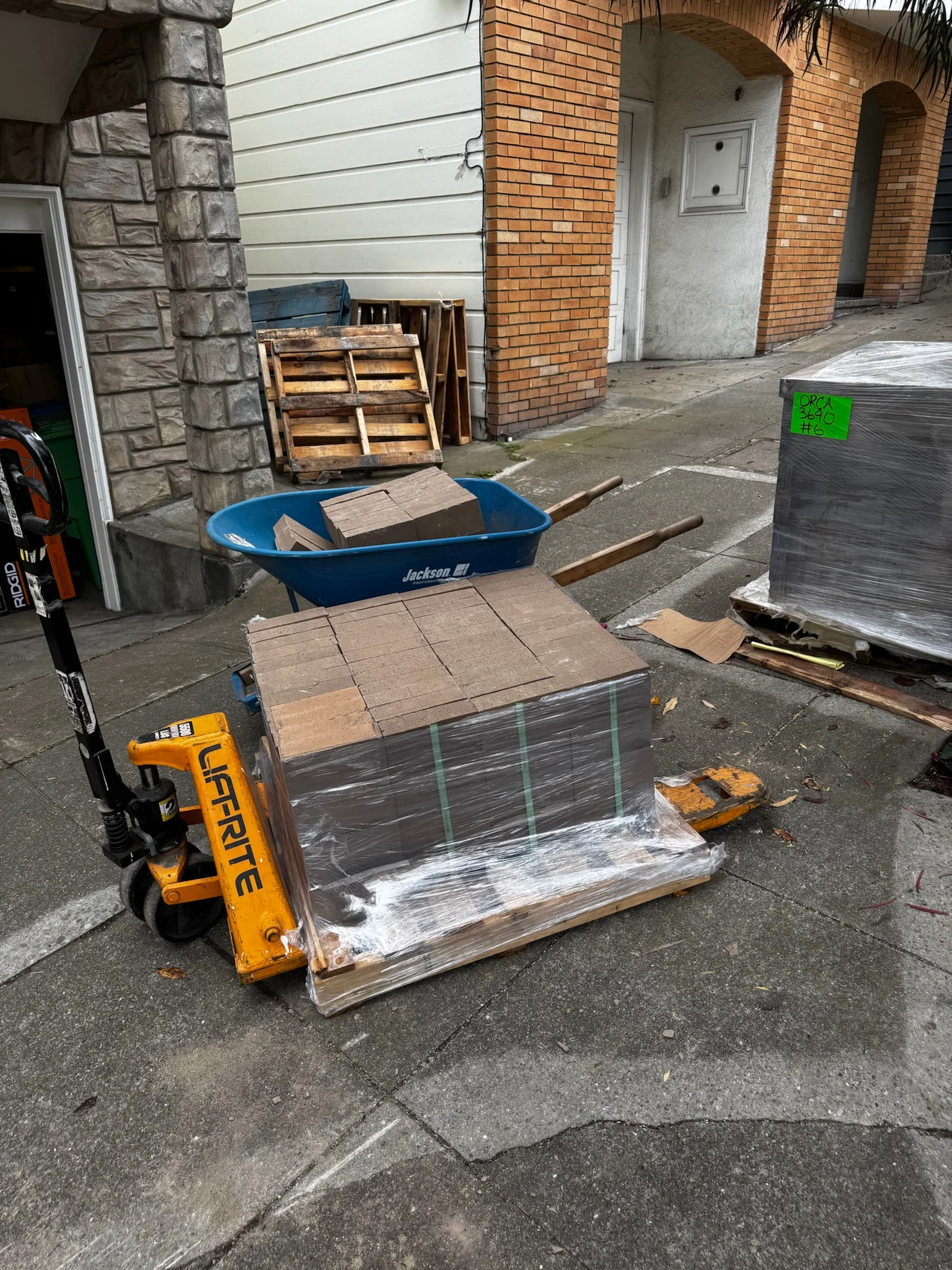
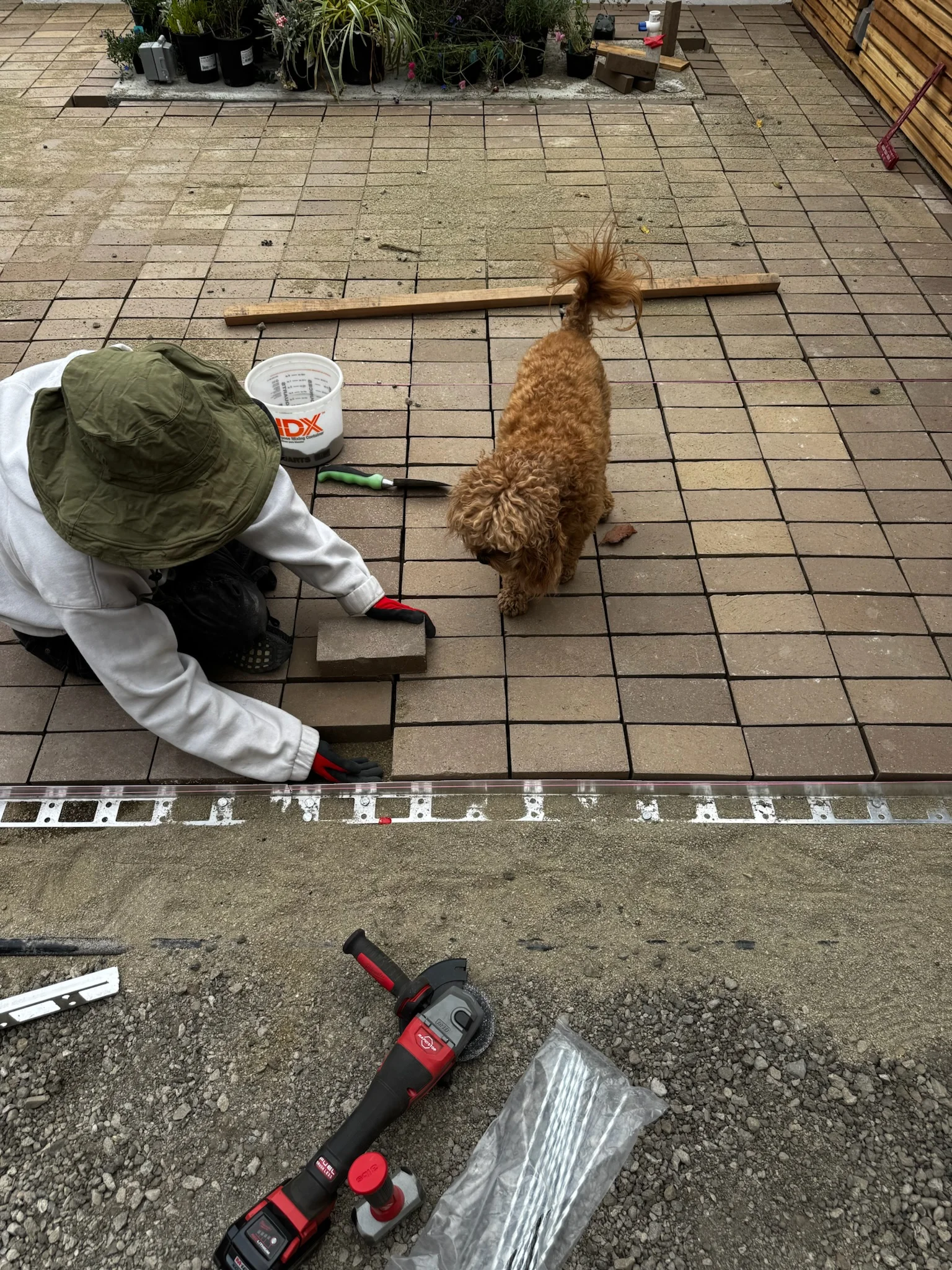
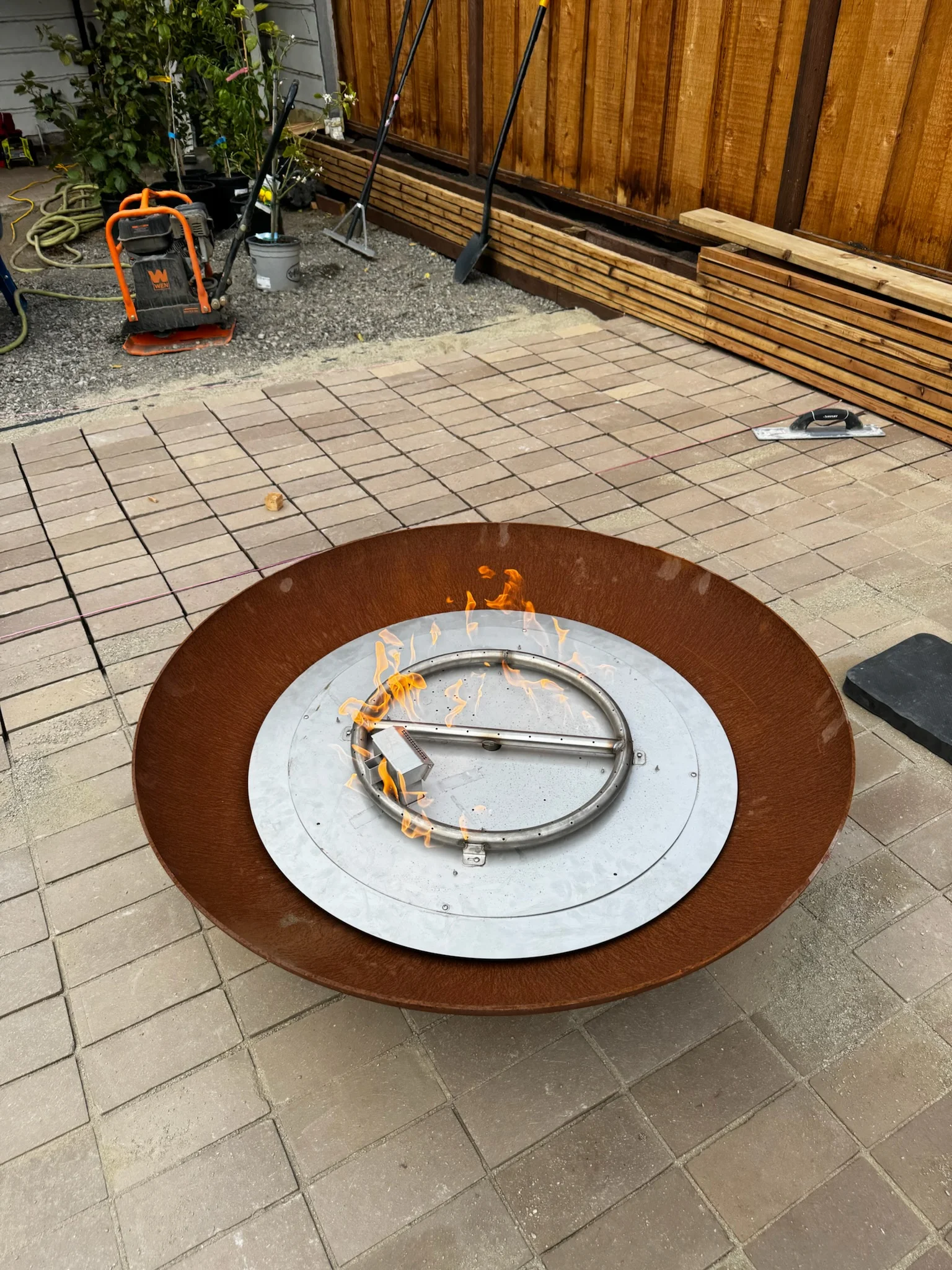
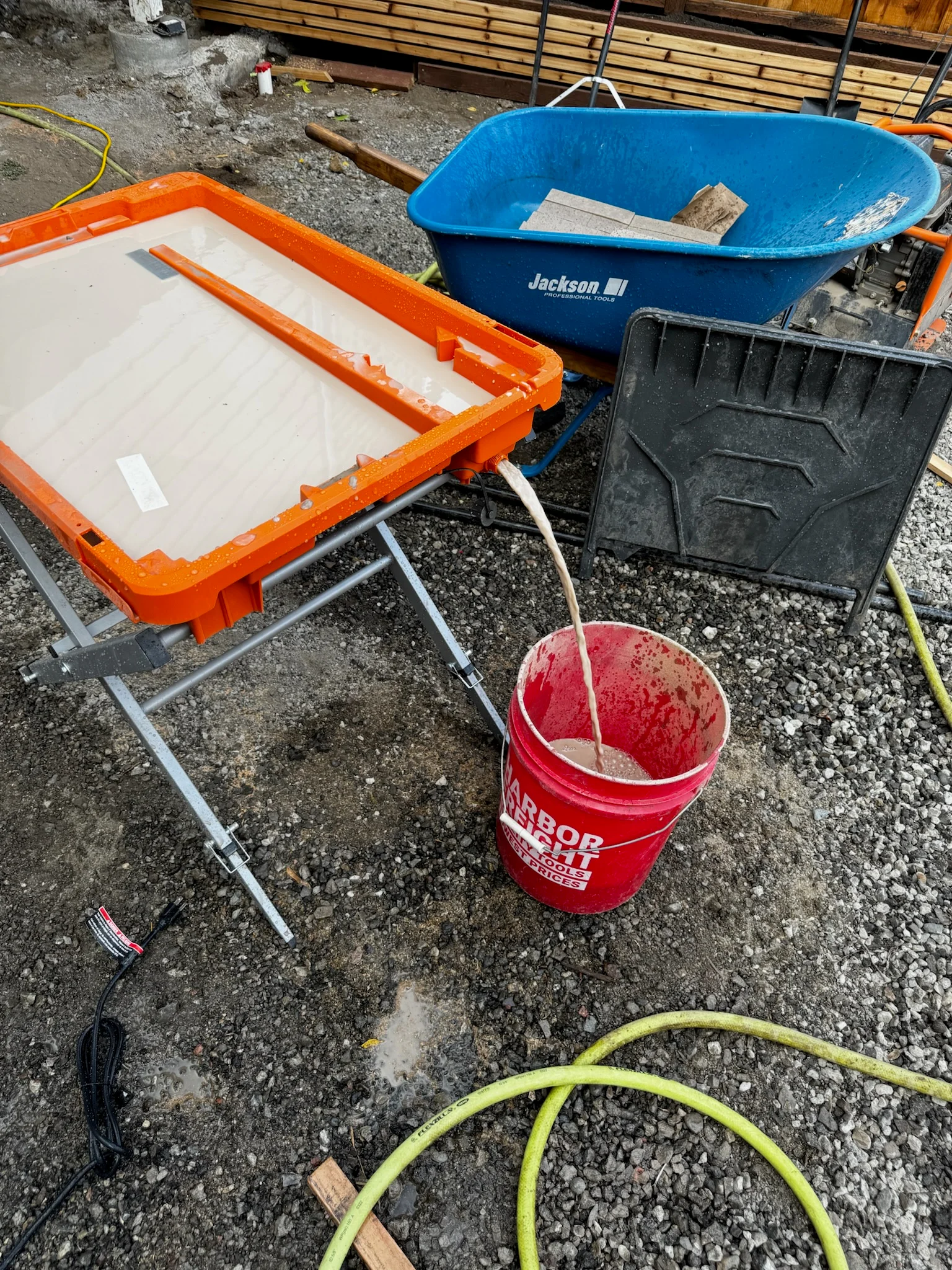
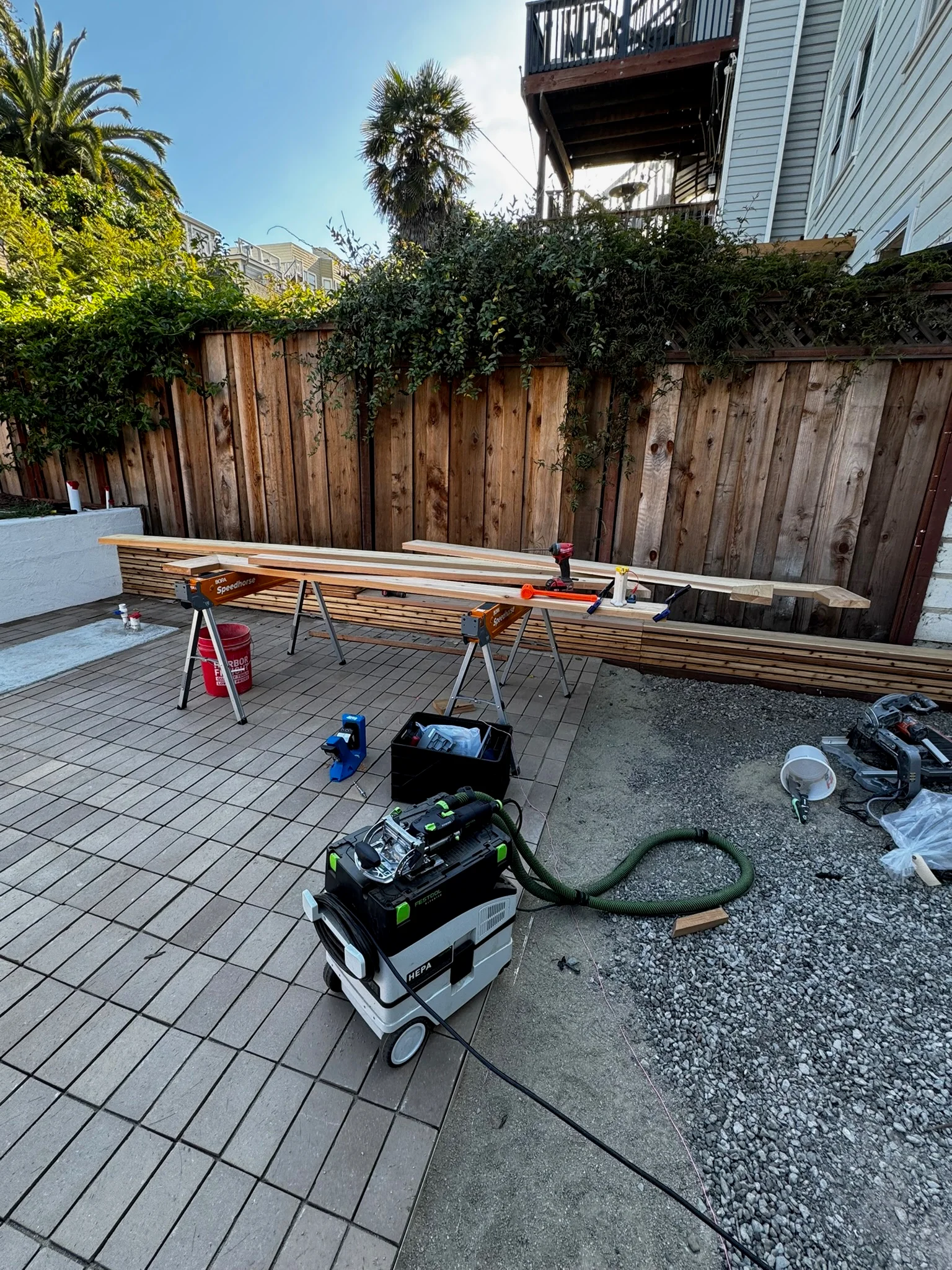
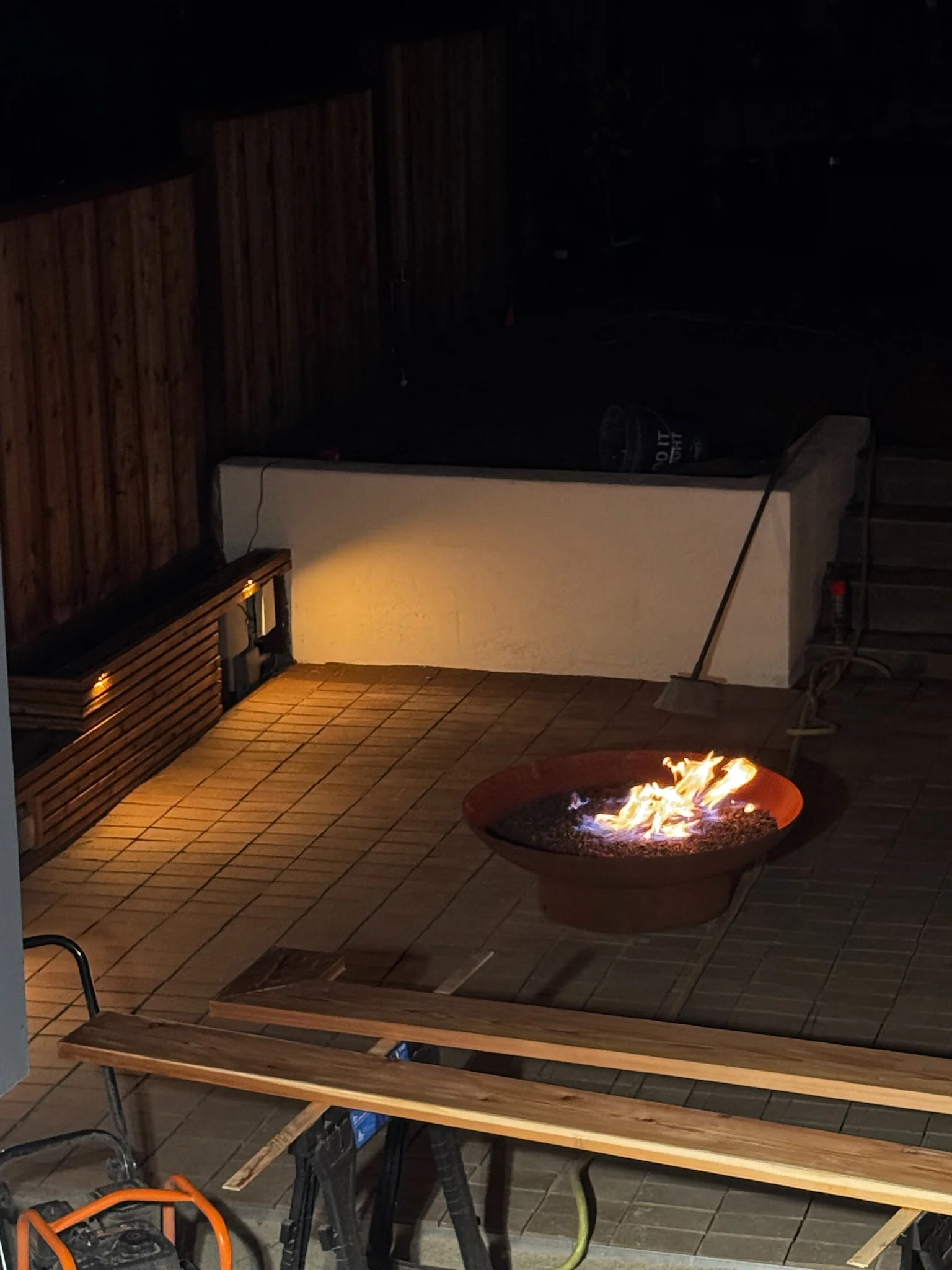
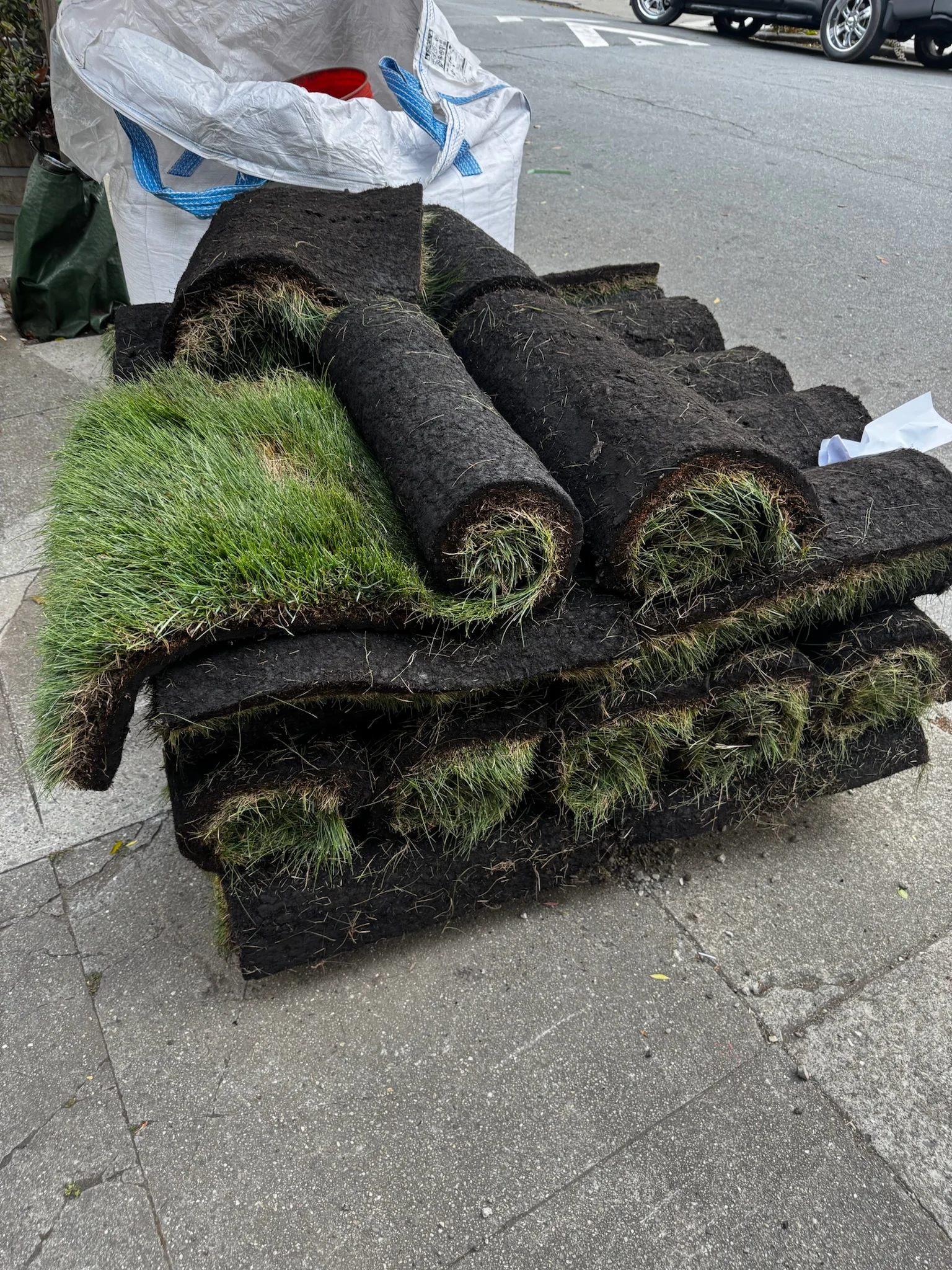
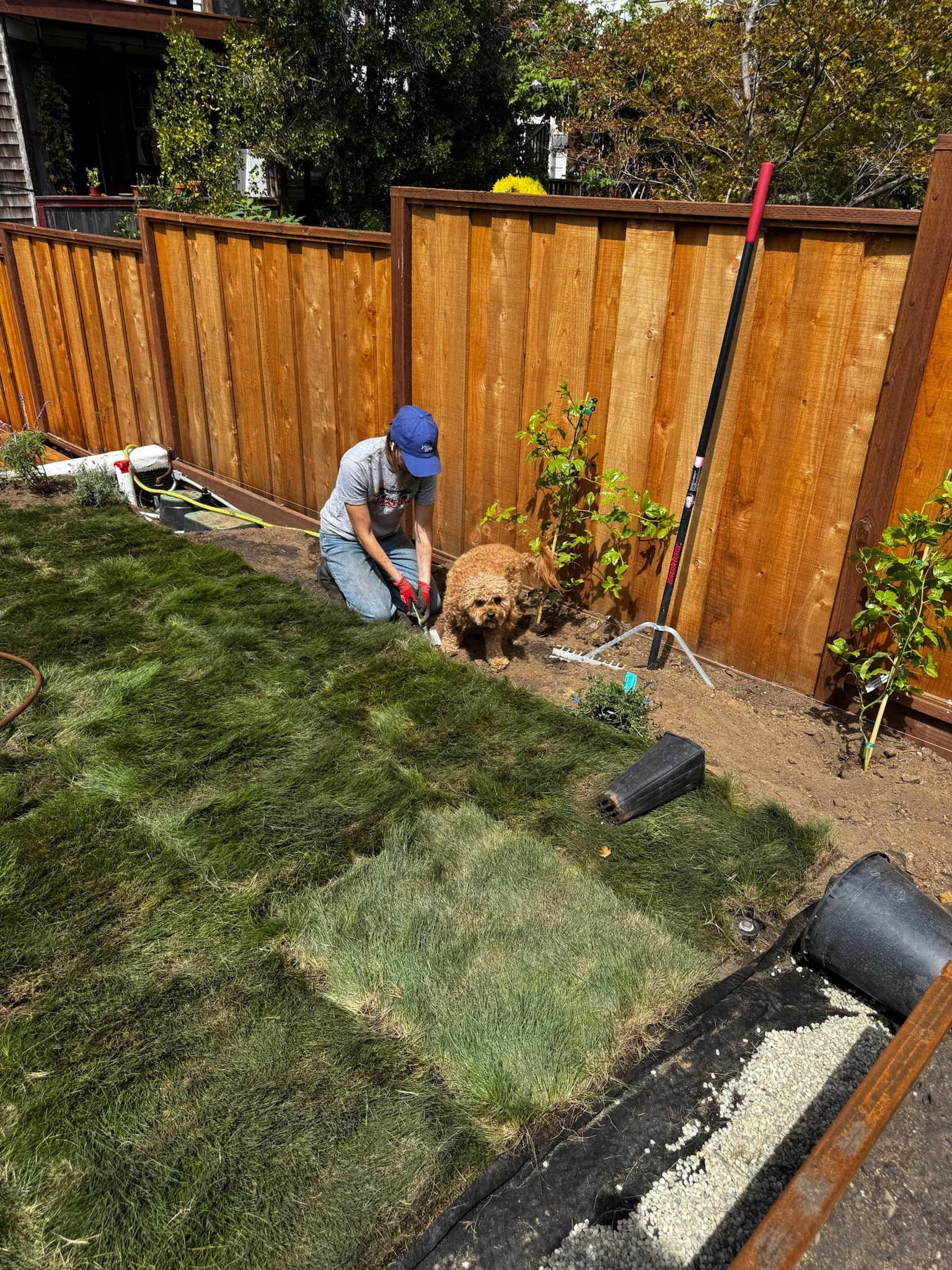
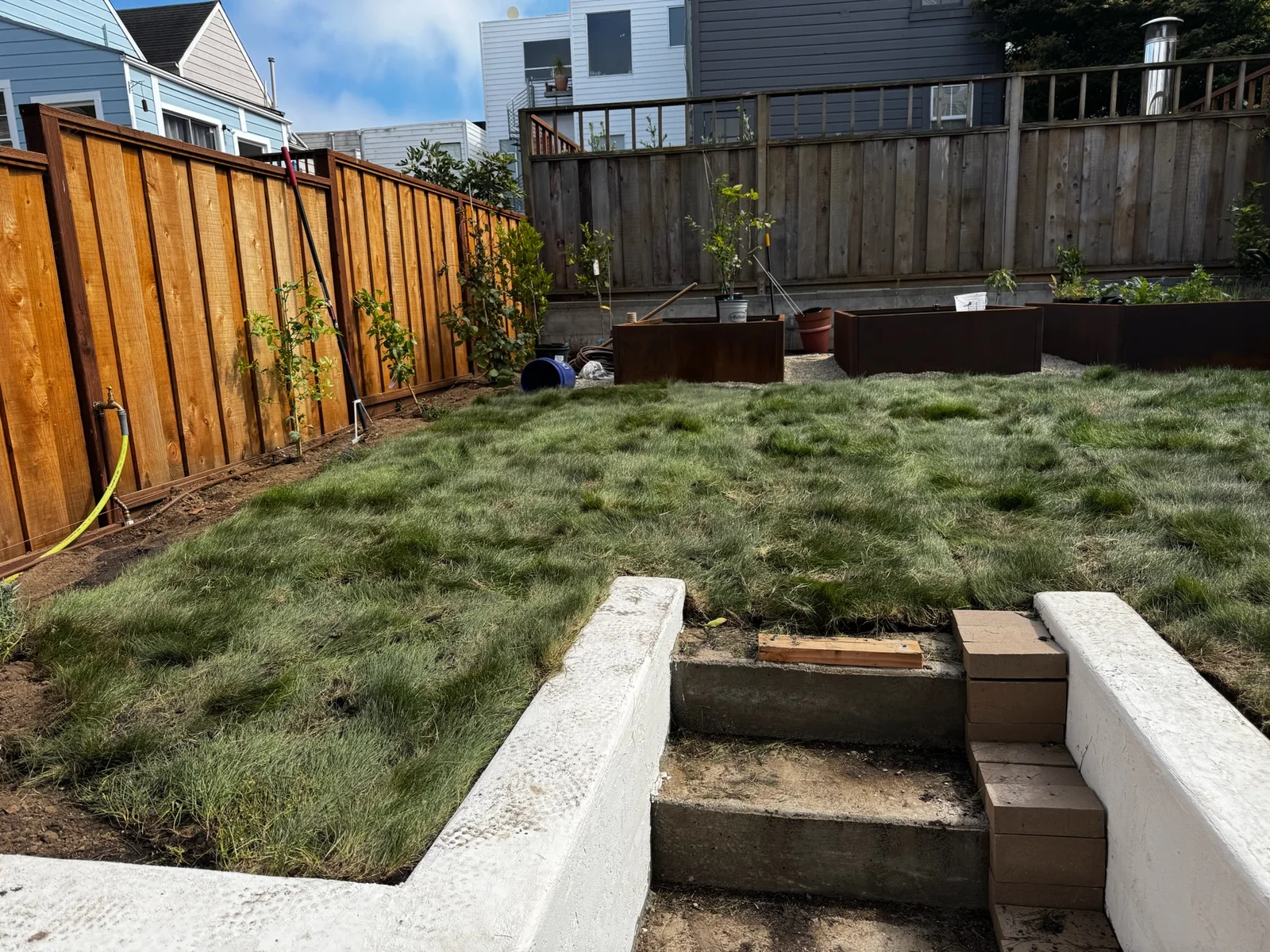
Sod install The sod is [Native Mow Free from Delta
Bluegrass](https://www.deltabluegrass.com/sod-products/california-native-sod/) which is a blend of 3 fescues. It grows really long and flops over for a nice look, and requires much less water than a traditional lawn.
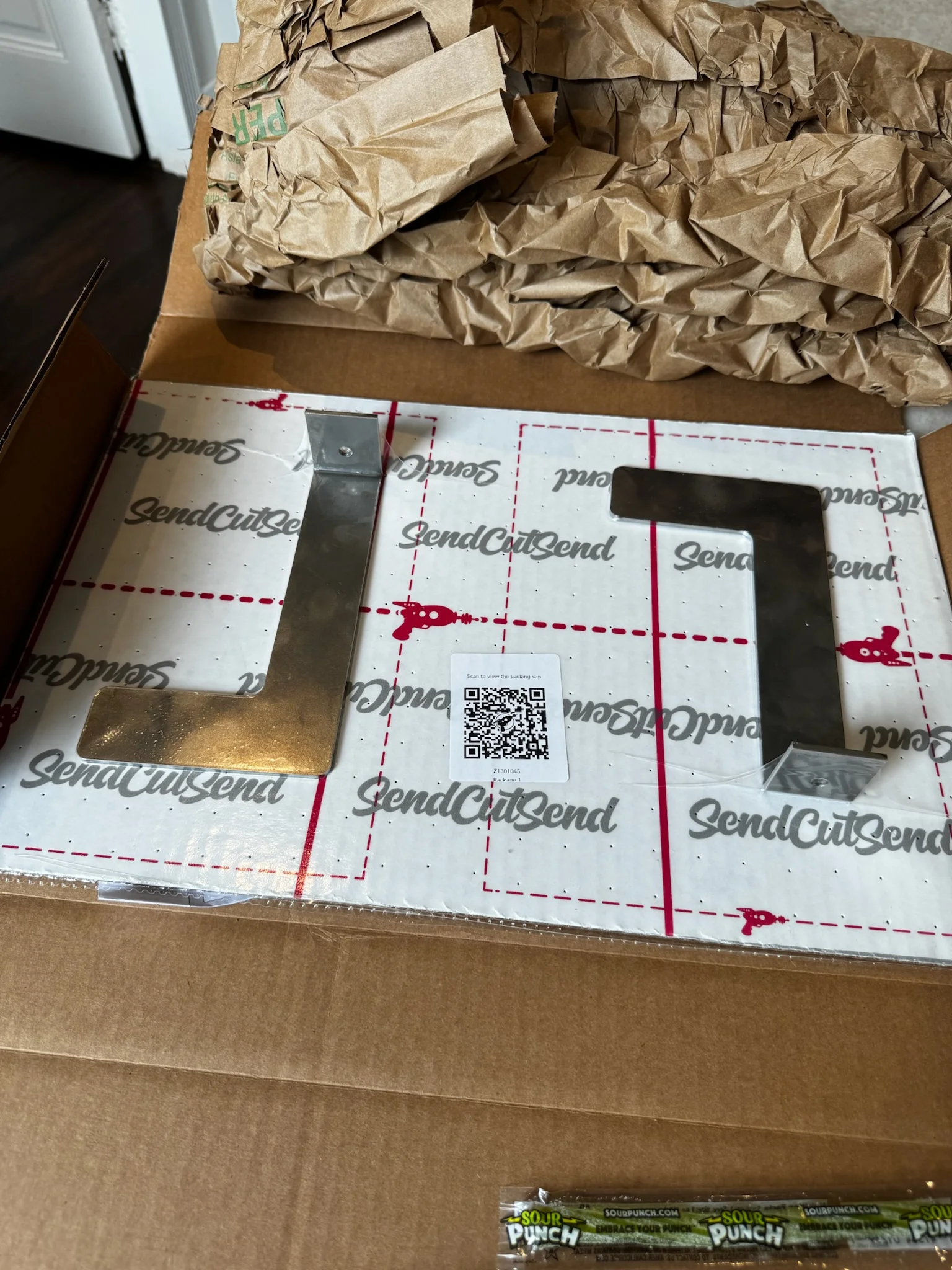
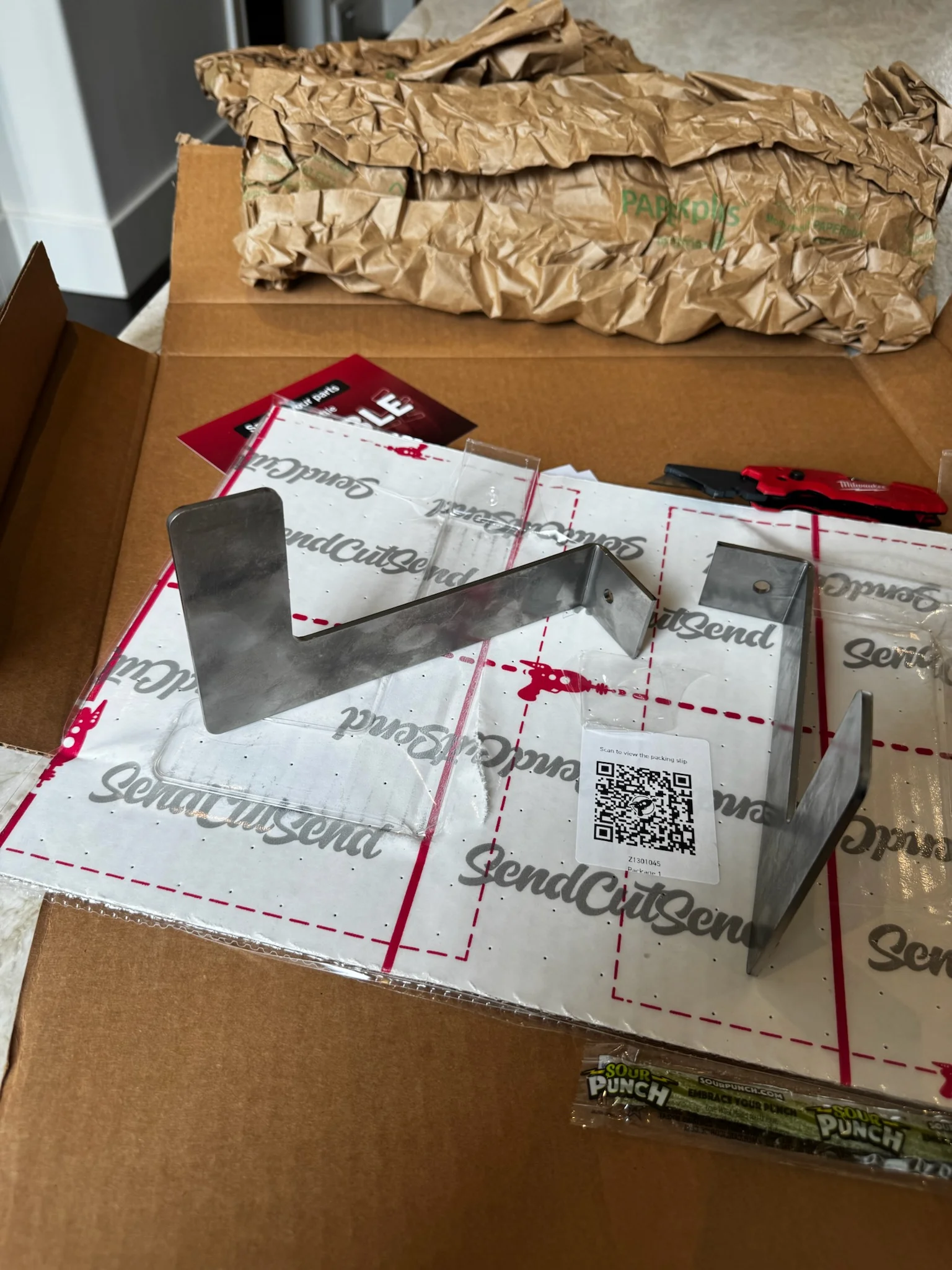
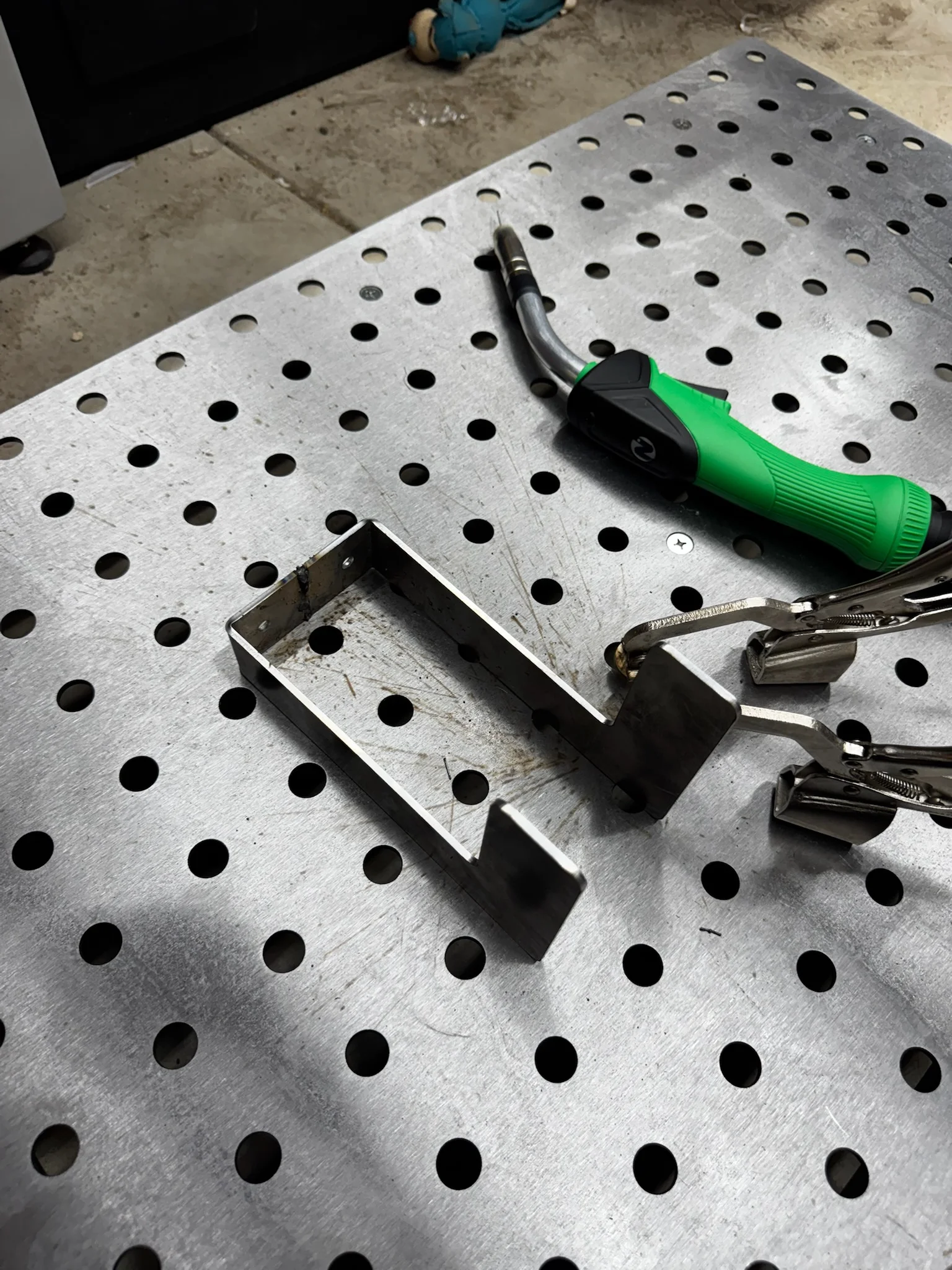
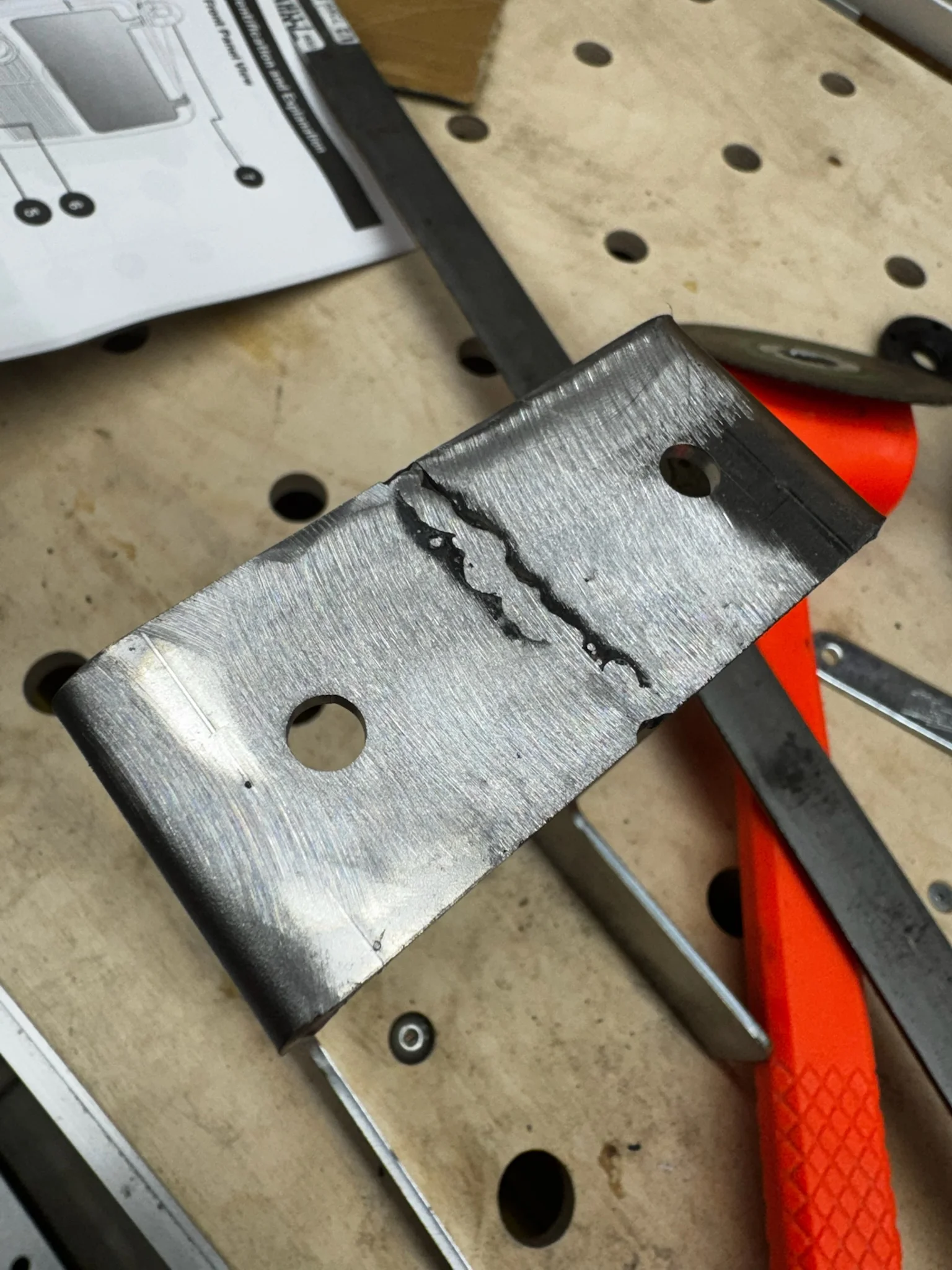
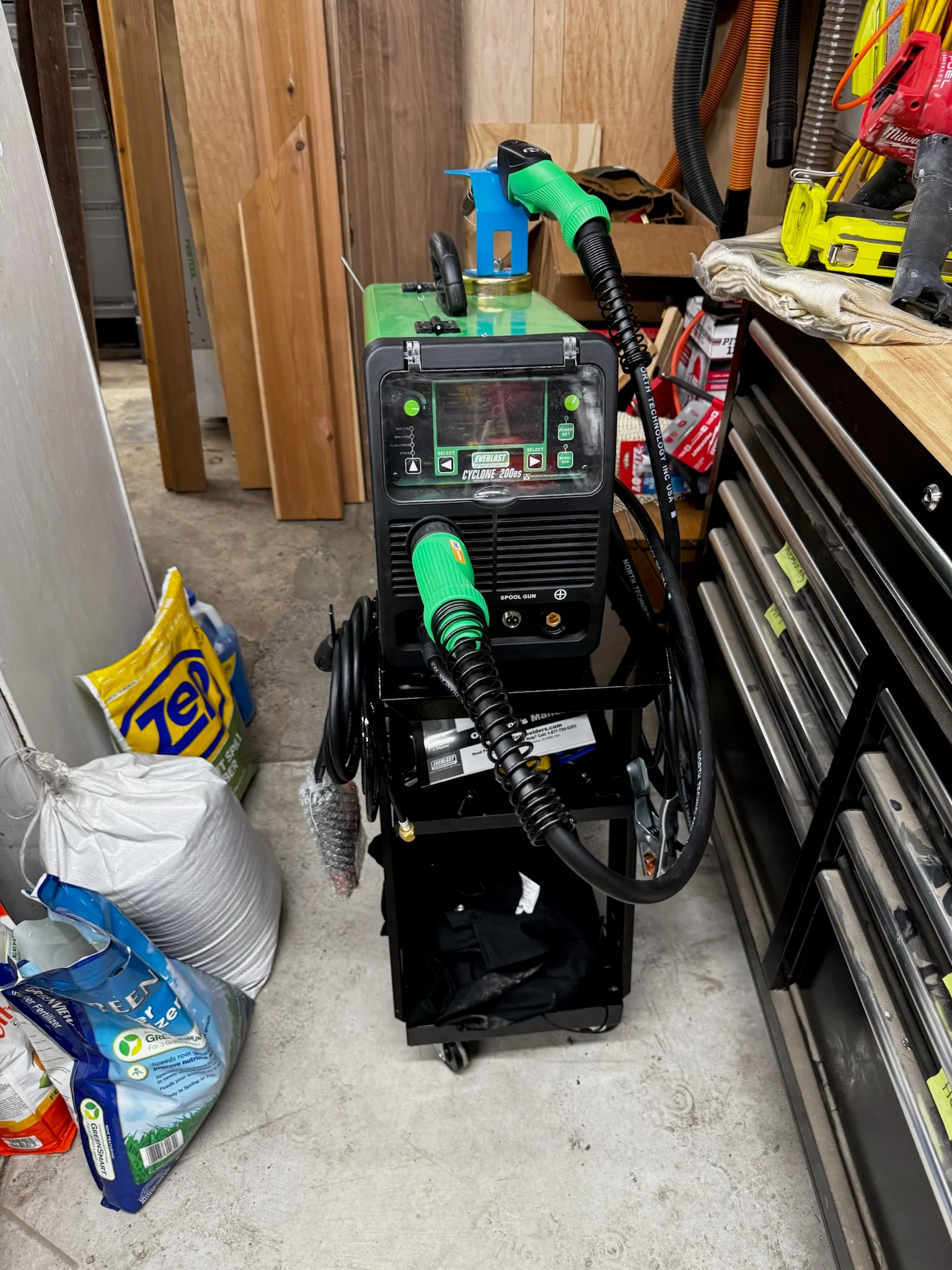
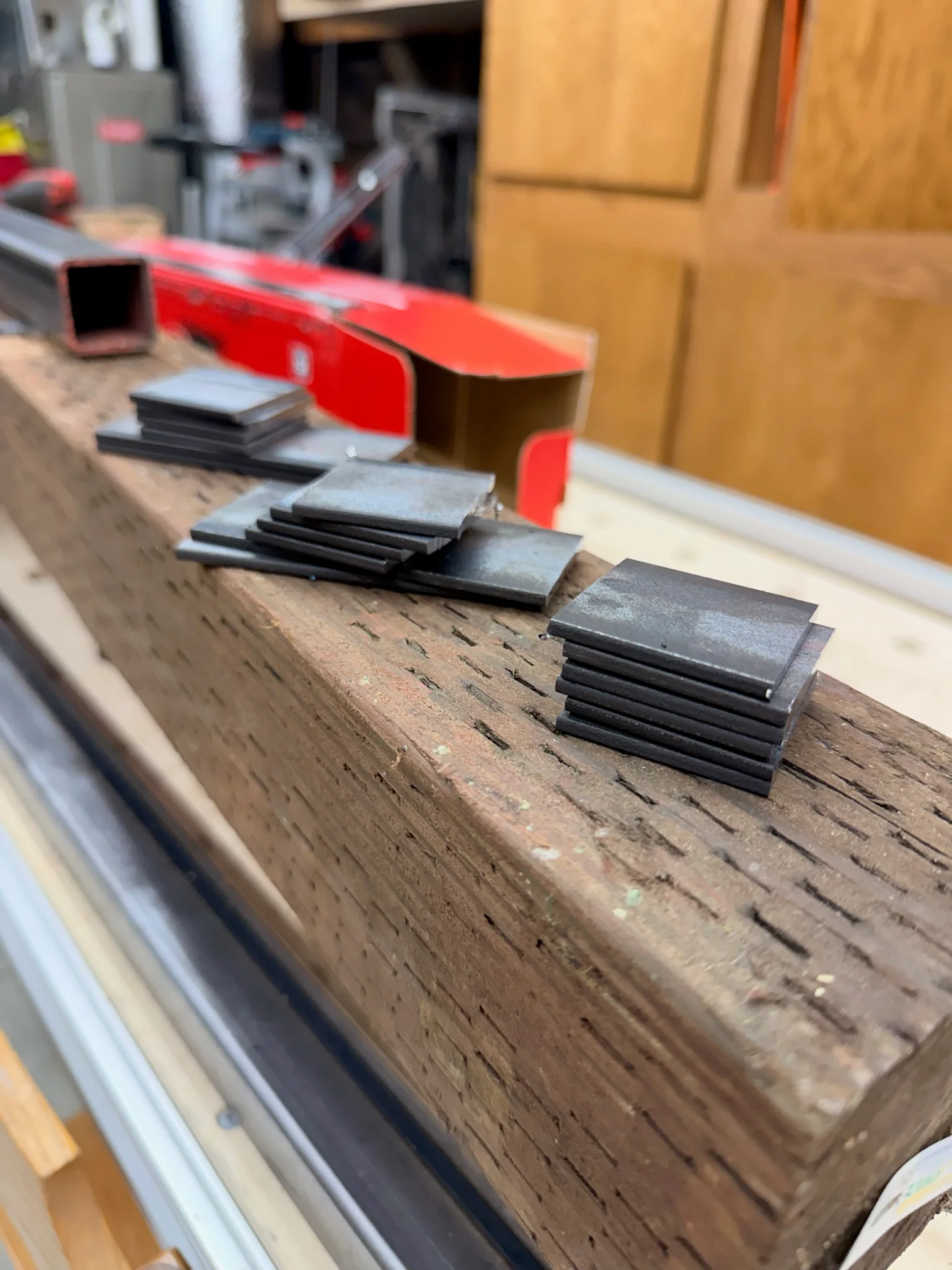
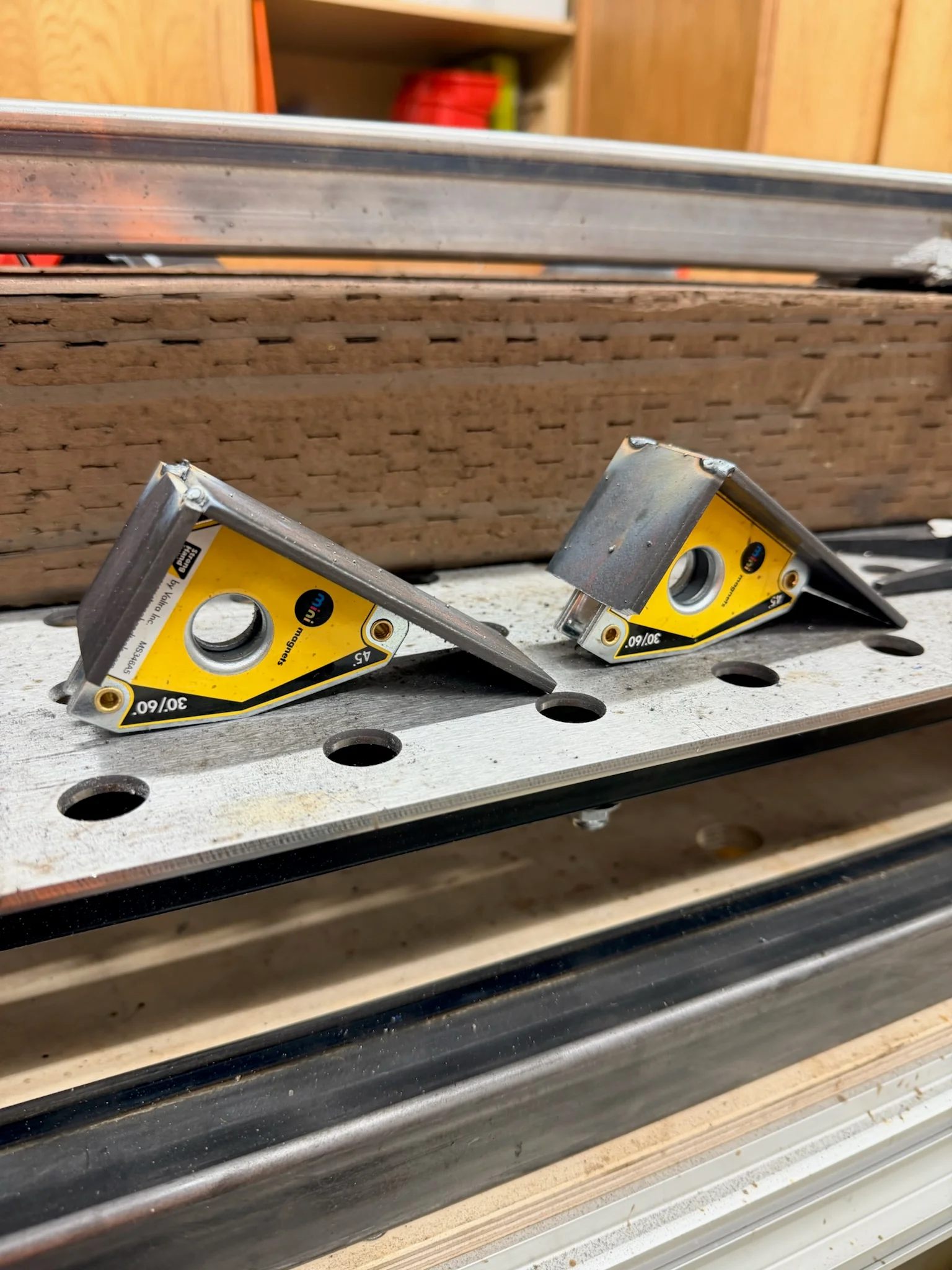
Custom hardware Fabrication I bought a welder to make 2 different pieces of
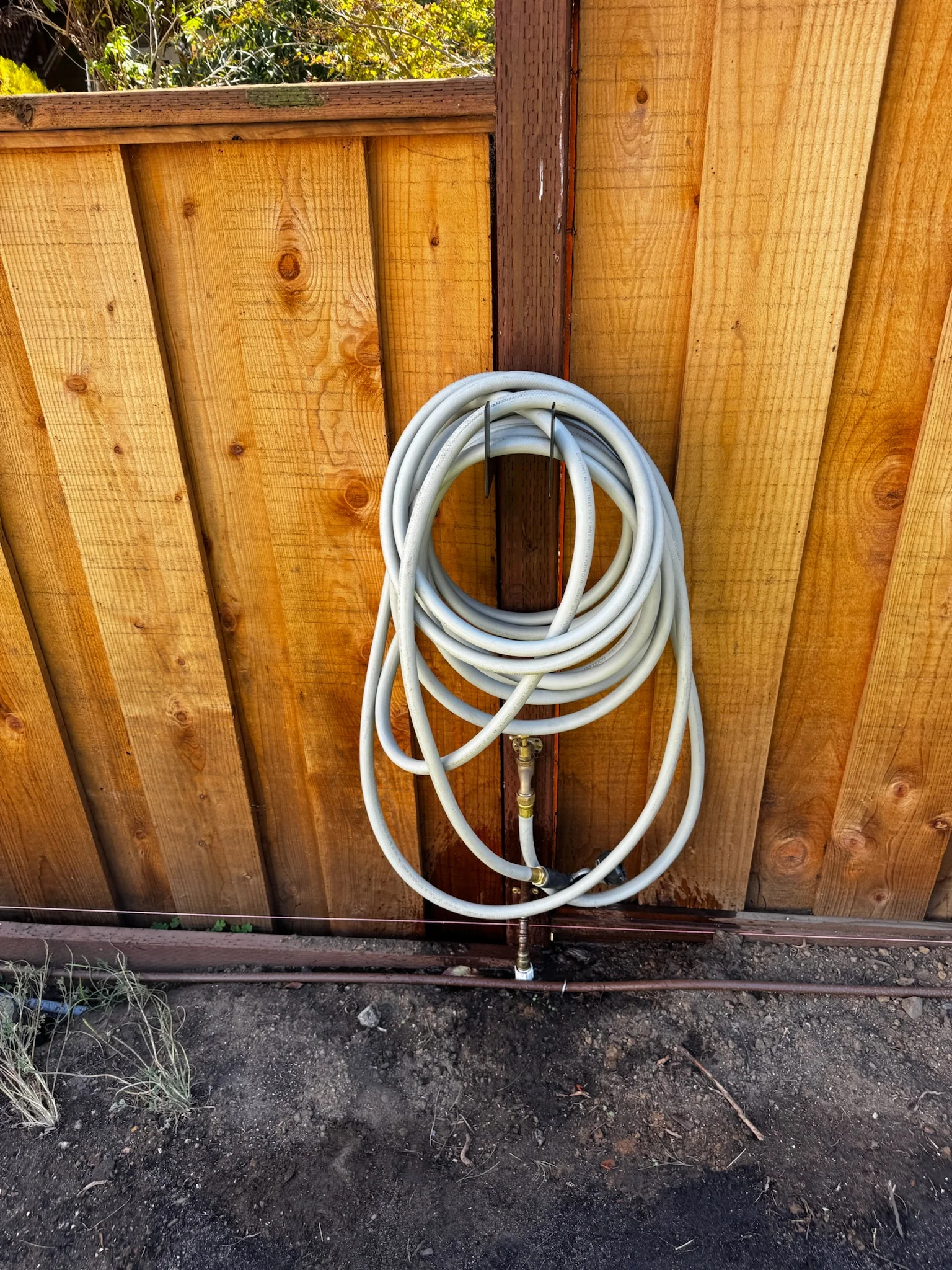
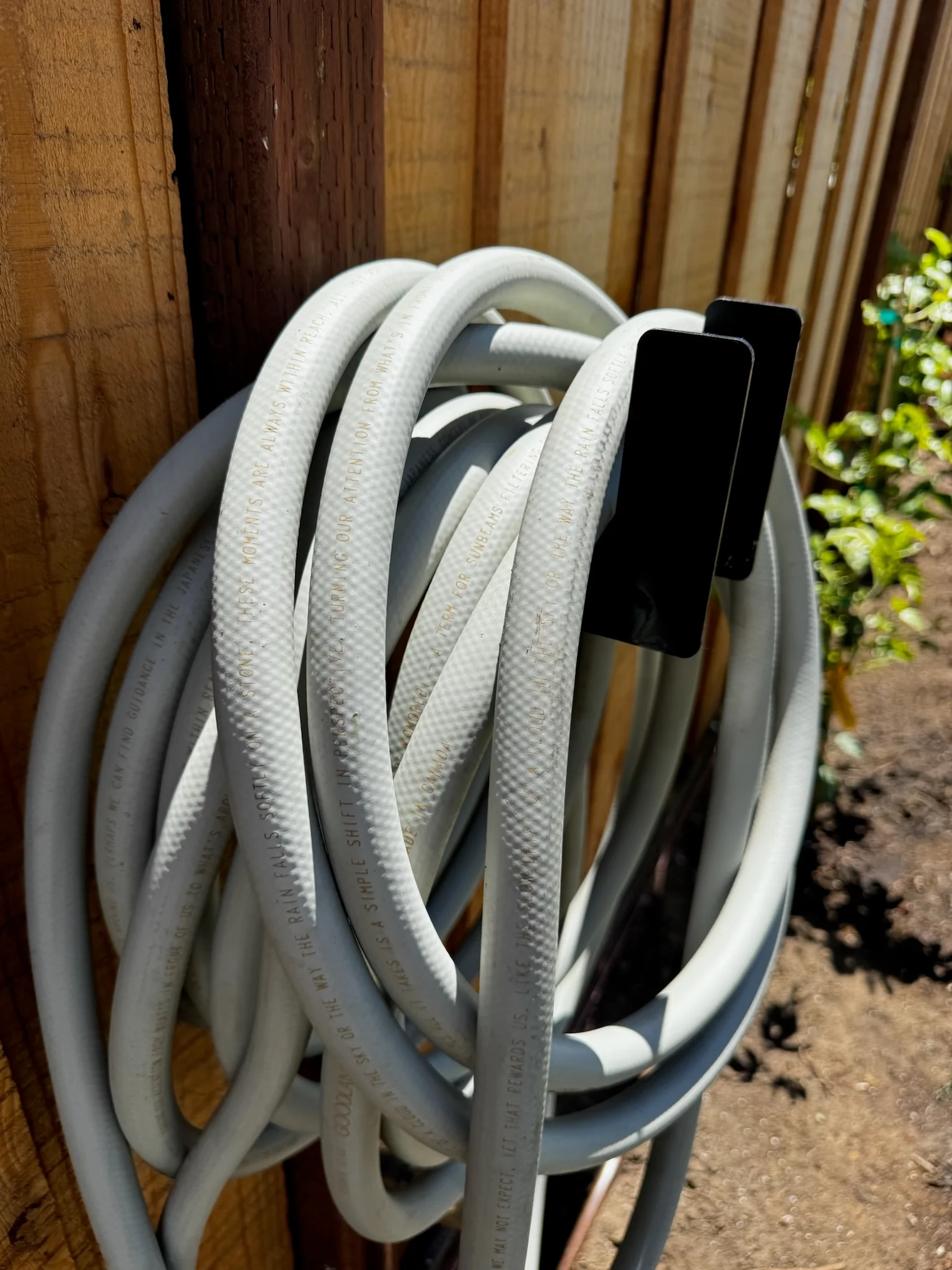
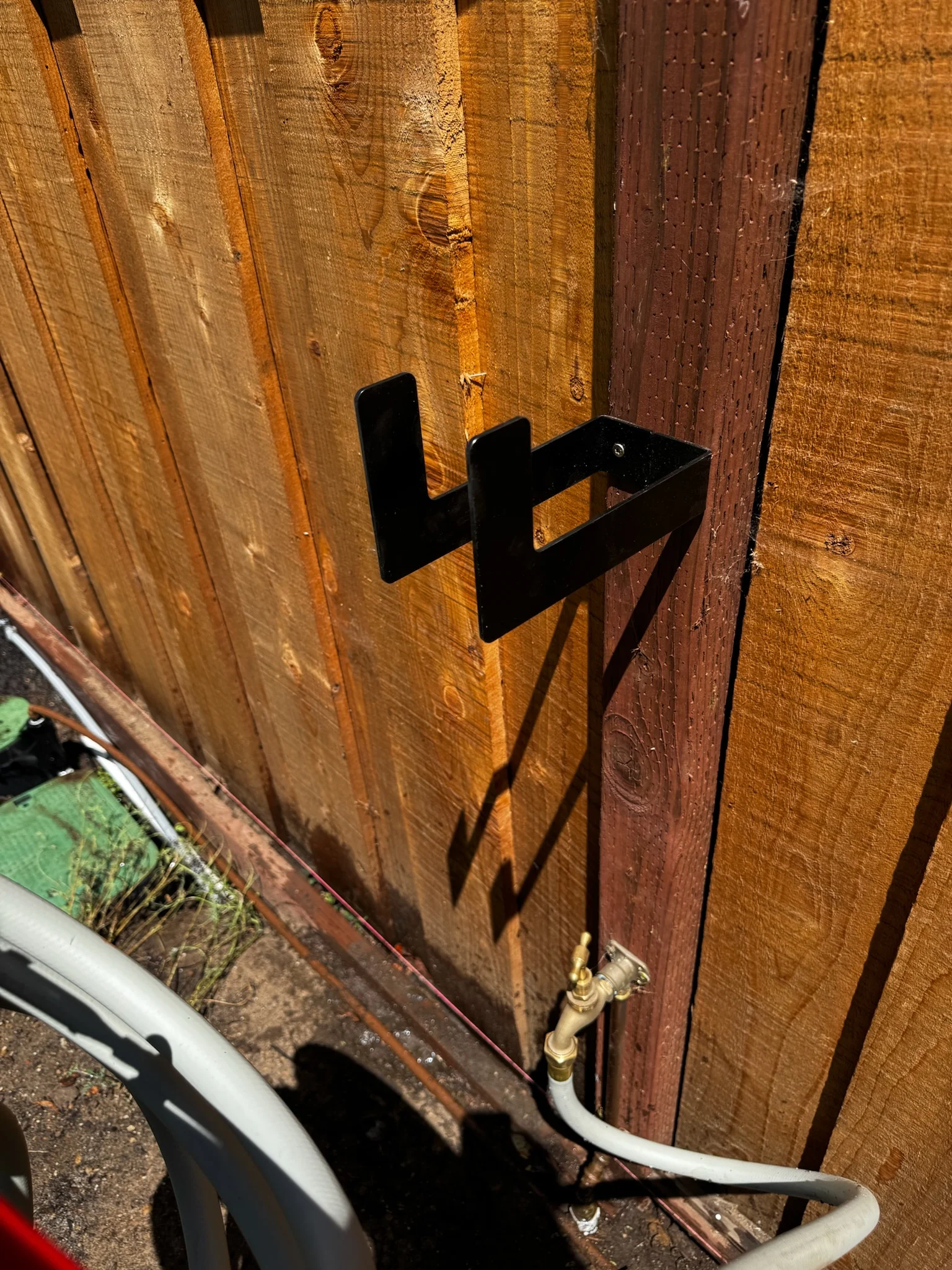
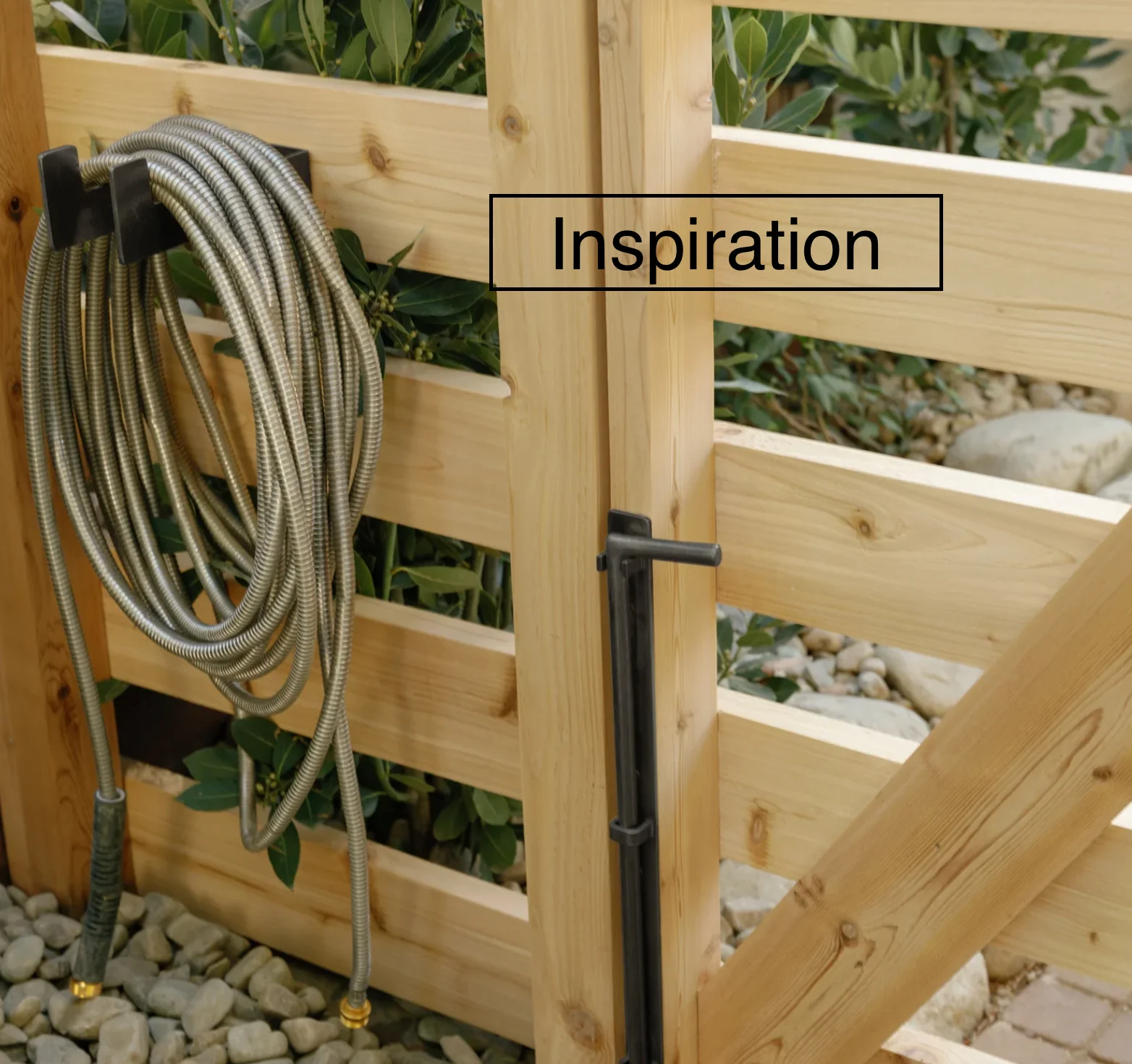
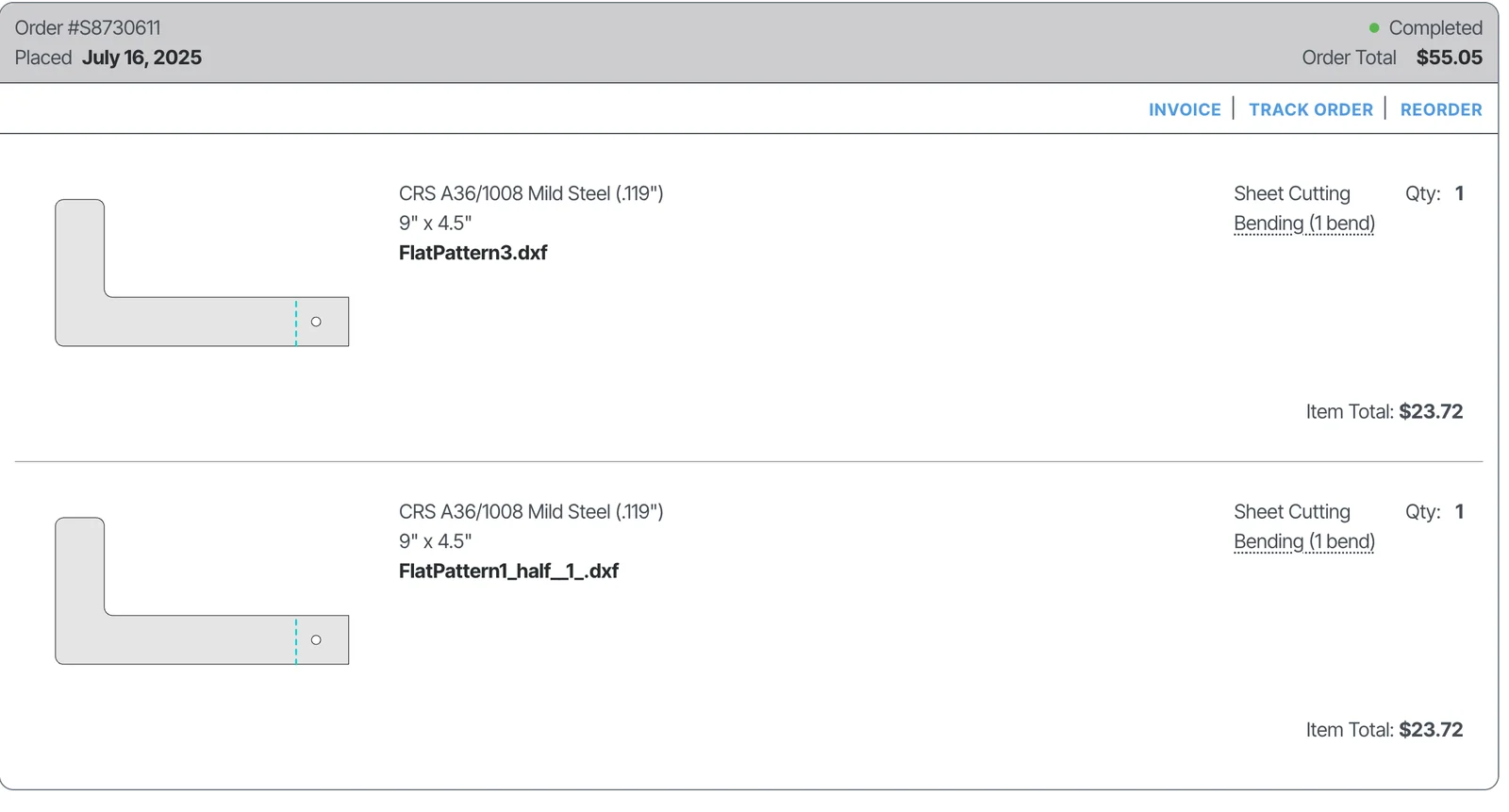
custom hardware for the yard. #### Hose hook The inspiration here was a $250 hose hook, and I felt like that was a bit much and I could beat the price. Not counting the welder I make a CAD model, sent that over to SendCutSend for $60
Bistro Lighting
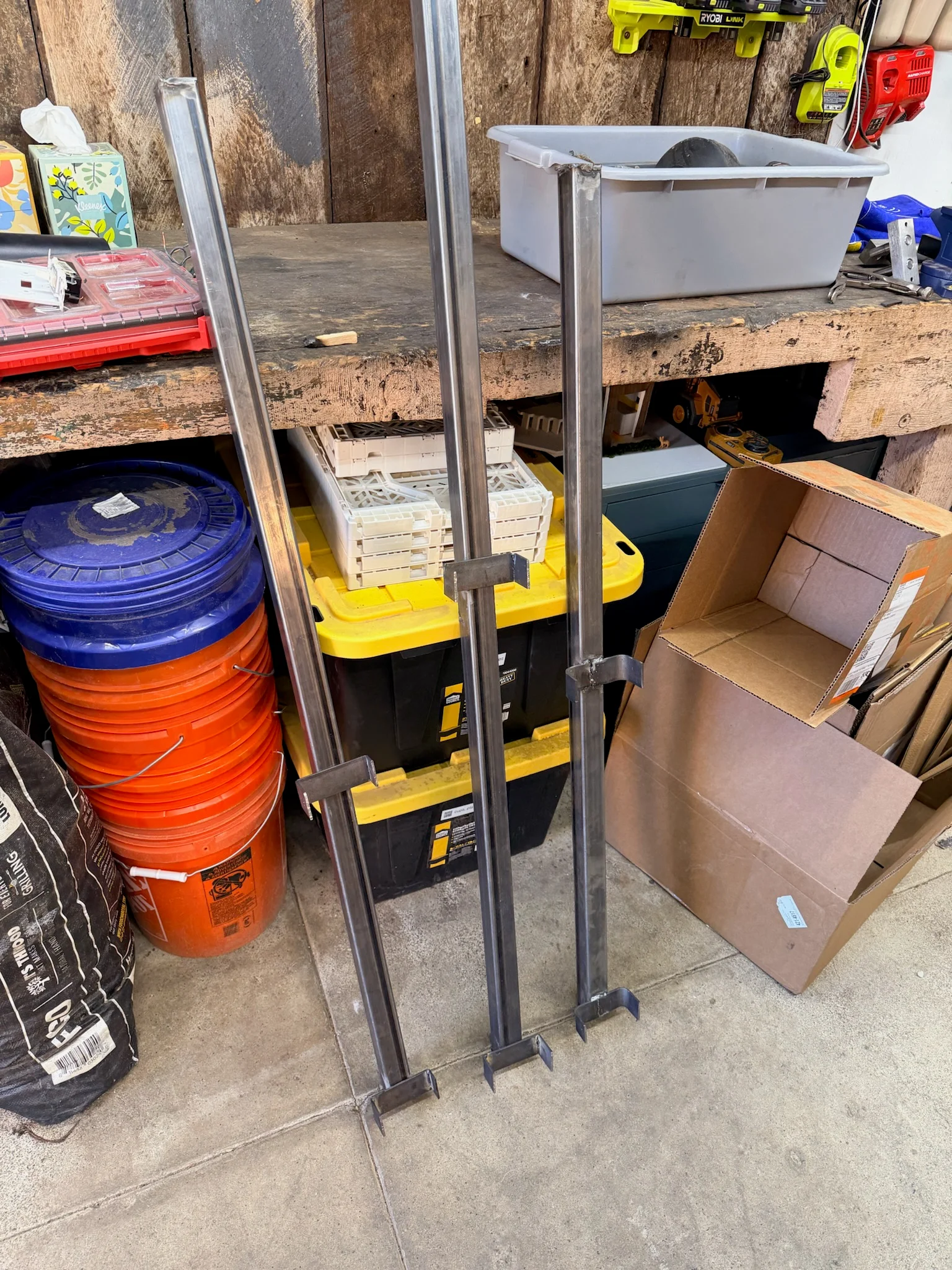
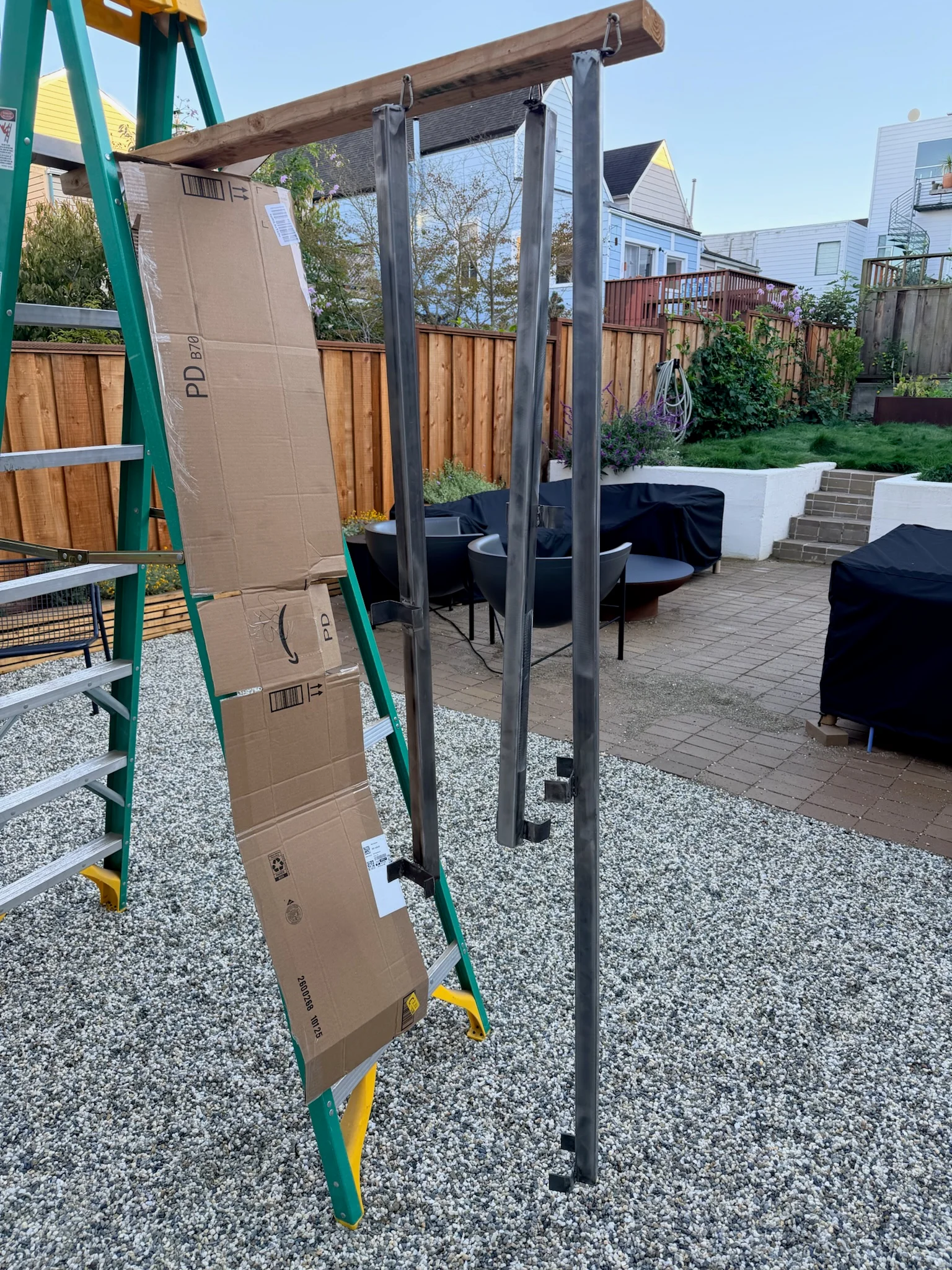
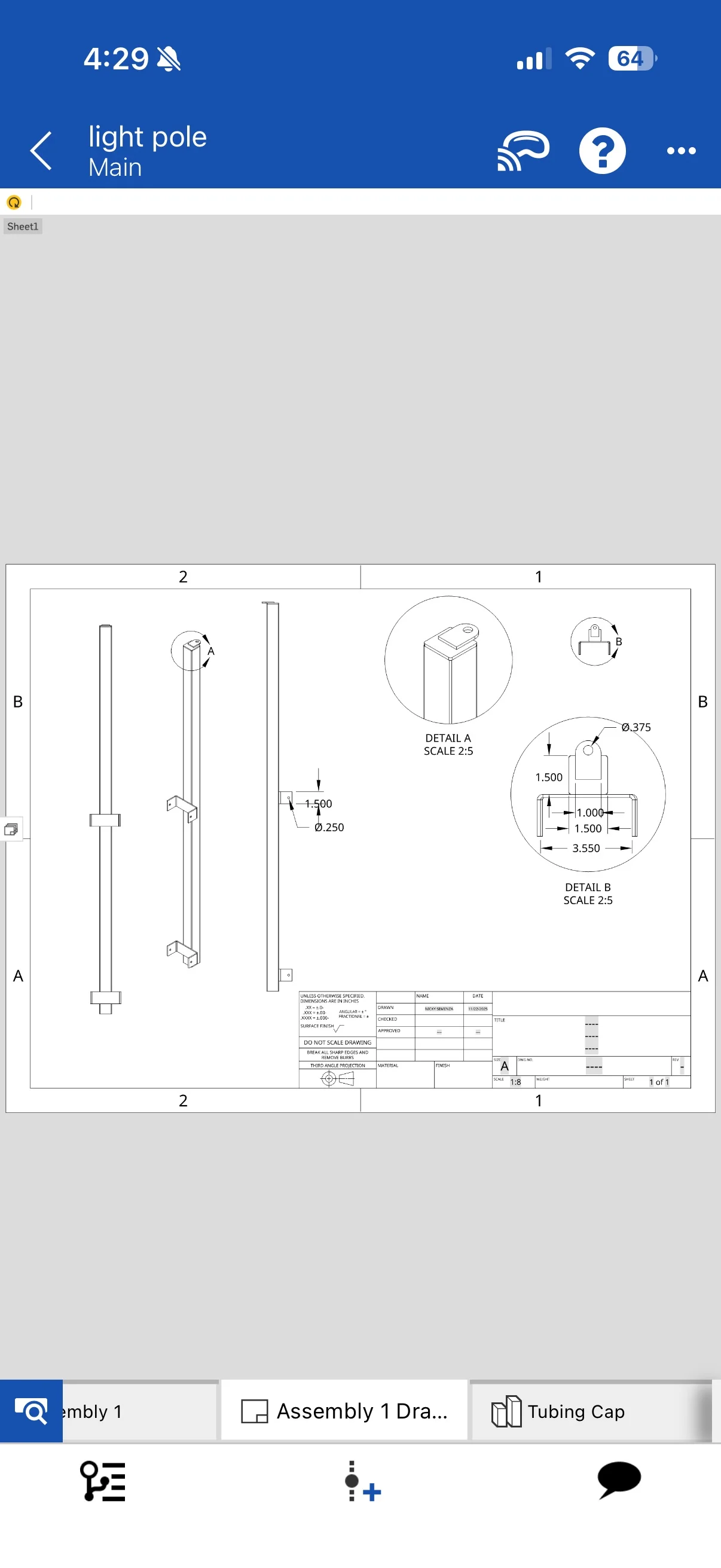
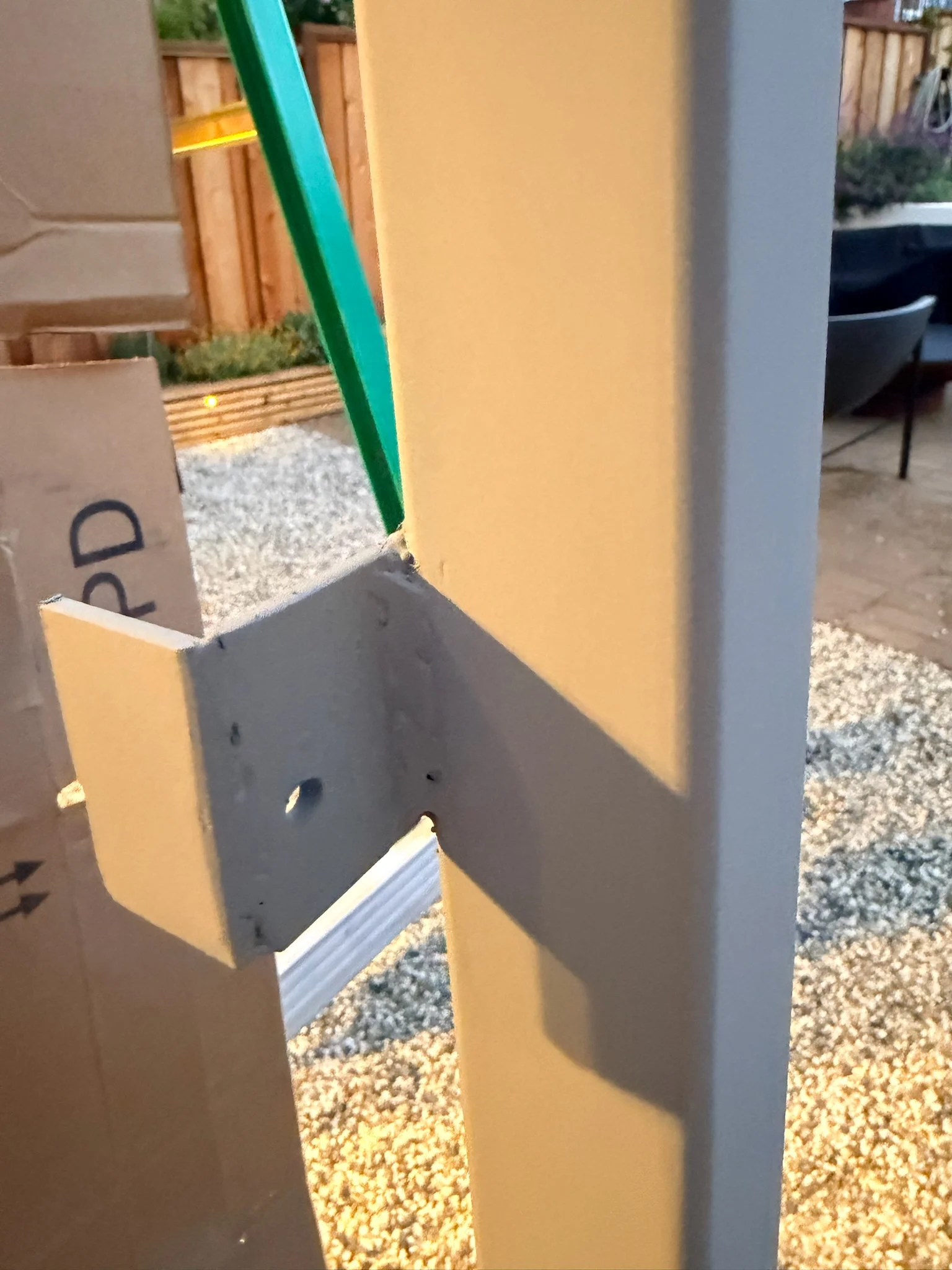
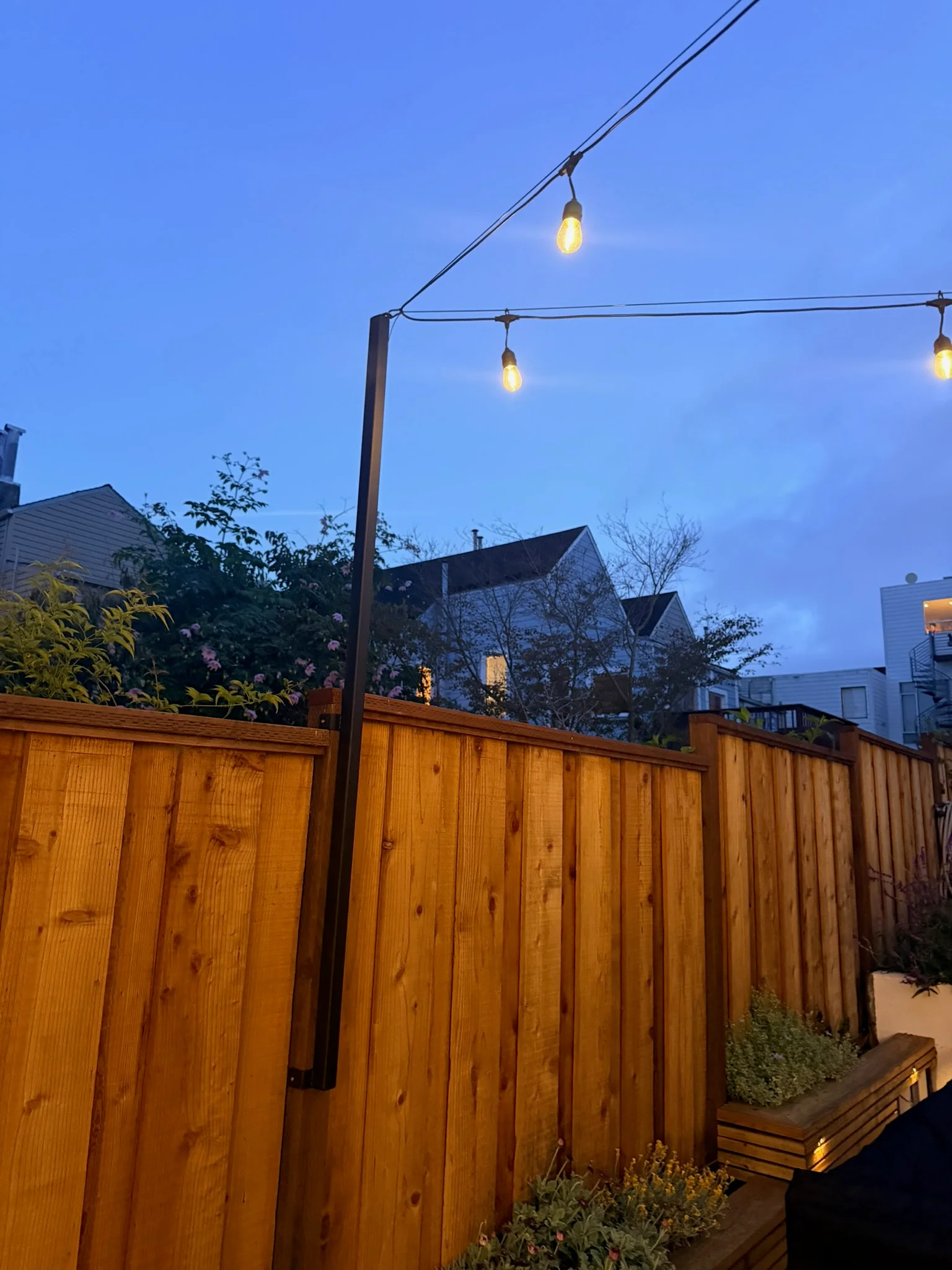
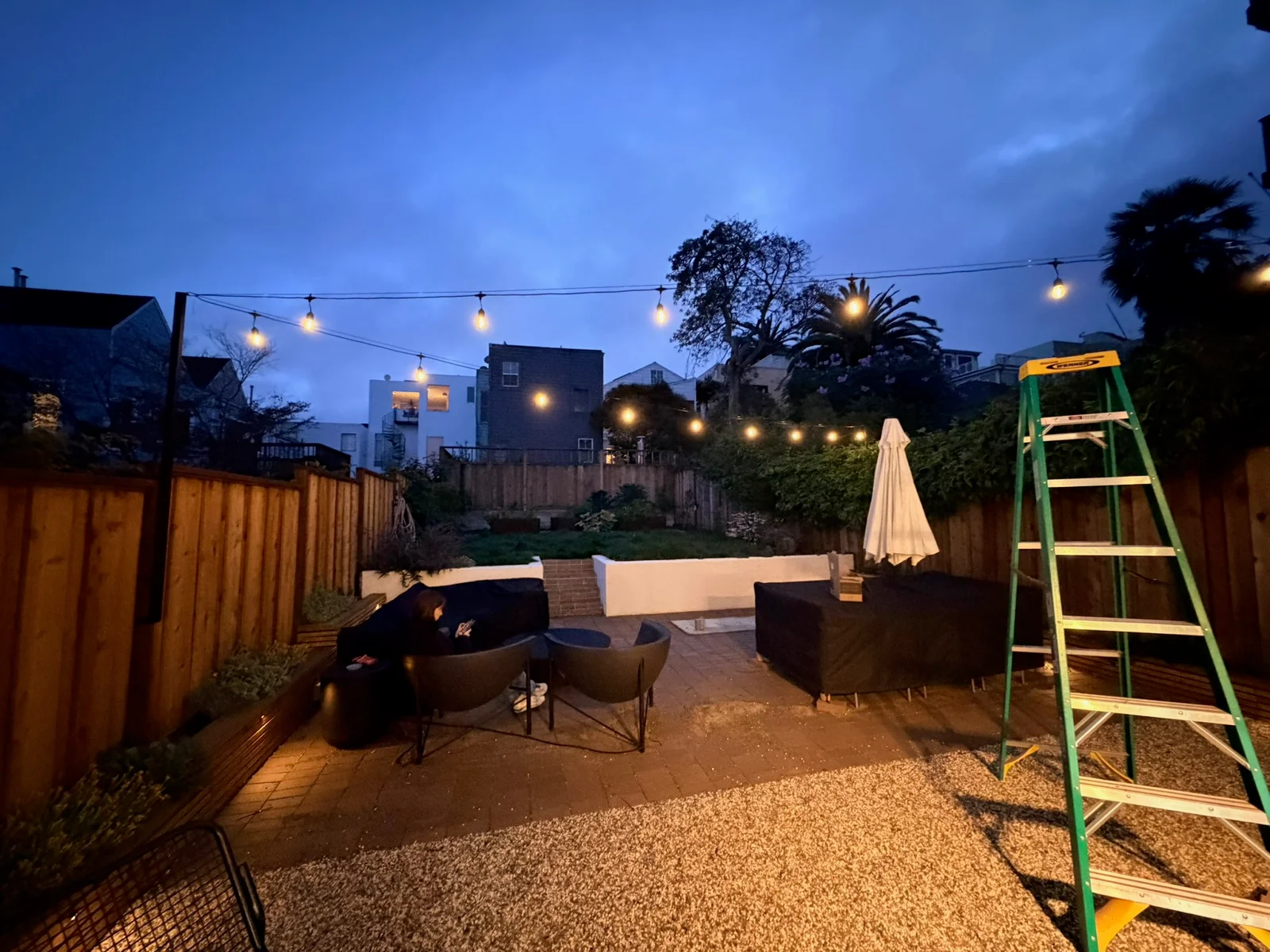
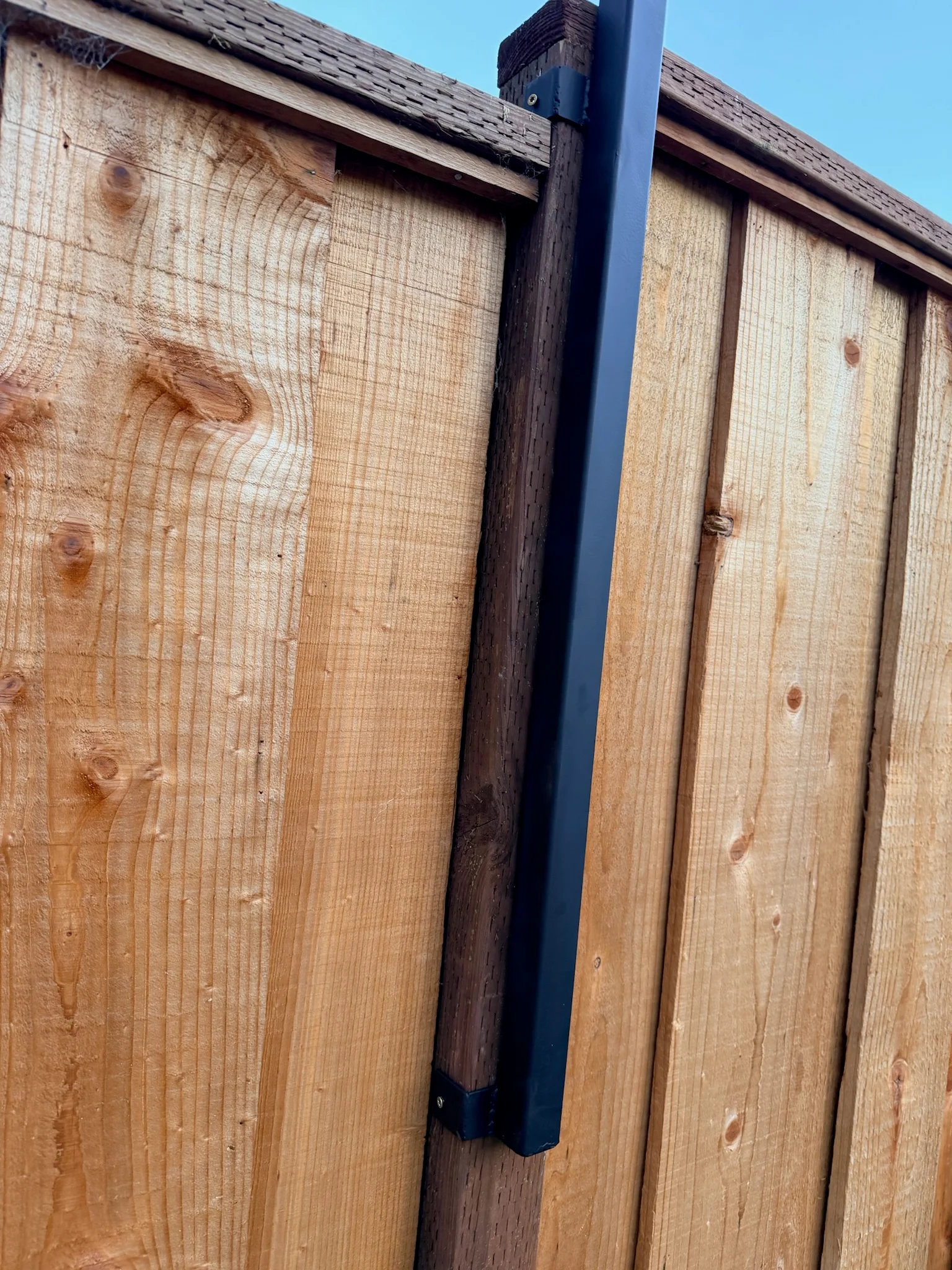
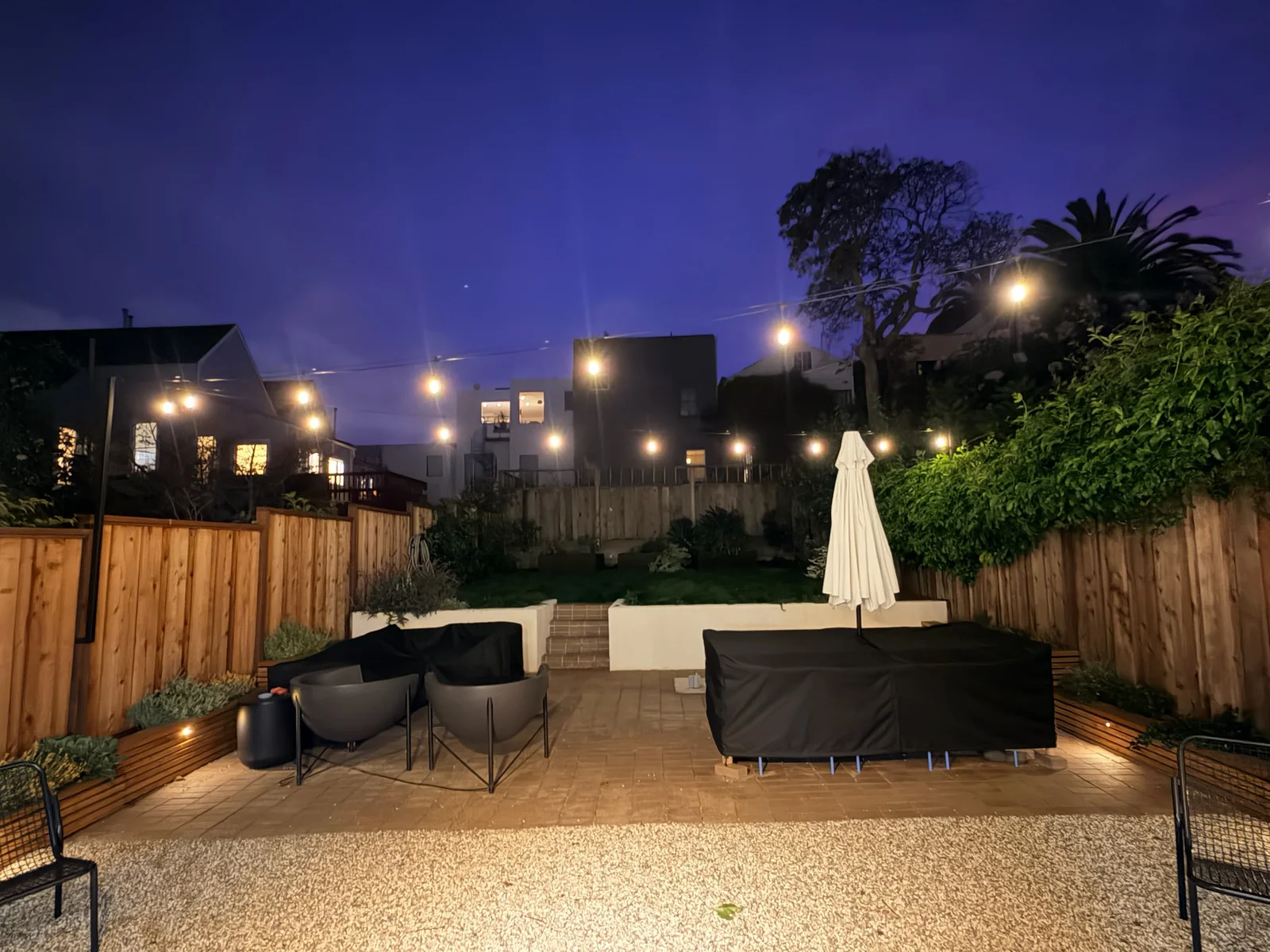
I didn’t want to install a whole new set of in-ground poles for bistro lighting so I fabricated custom light poles that hugged the existing fence posts, and ran a lightly tensioned cable across to act as a guy wire. Then I ran some bistro lights along the wire.
Furniture and materials summary
| Item | Source |
|---|---|
| Couch | Neighbor Haven Sectional |
| Table | Neighbor Haven Table |
| Firepit | Bol Corten Firepit from Paloform |
| Heated Chairs | Galanter & Jones Koskos |
| Planter Beds | Corten Steel locally made |
| Retaining wall | Color Atelier Lime Slurry |
| Bricks | ORCA Pavers in Dune |
| Wood Slats | Western Red Cedar with Osmo UV 410 Satin |
Conclusion
In the next part we’ll cover building an outdoor kitchen island.
Statistics
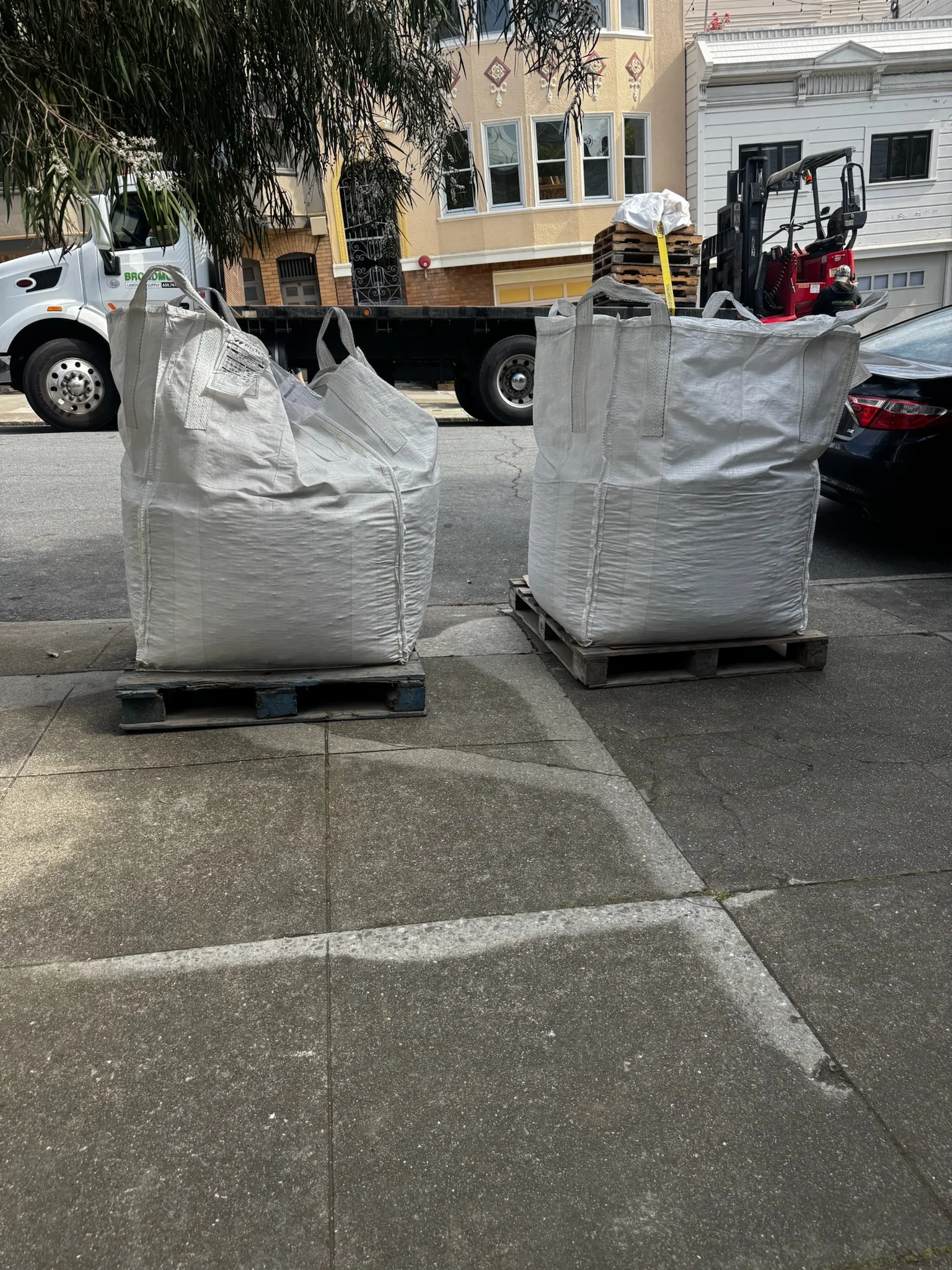
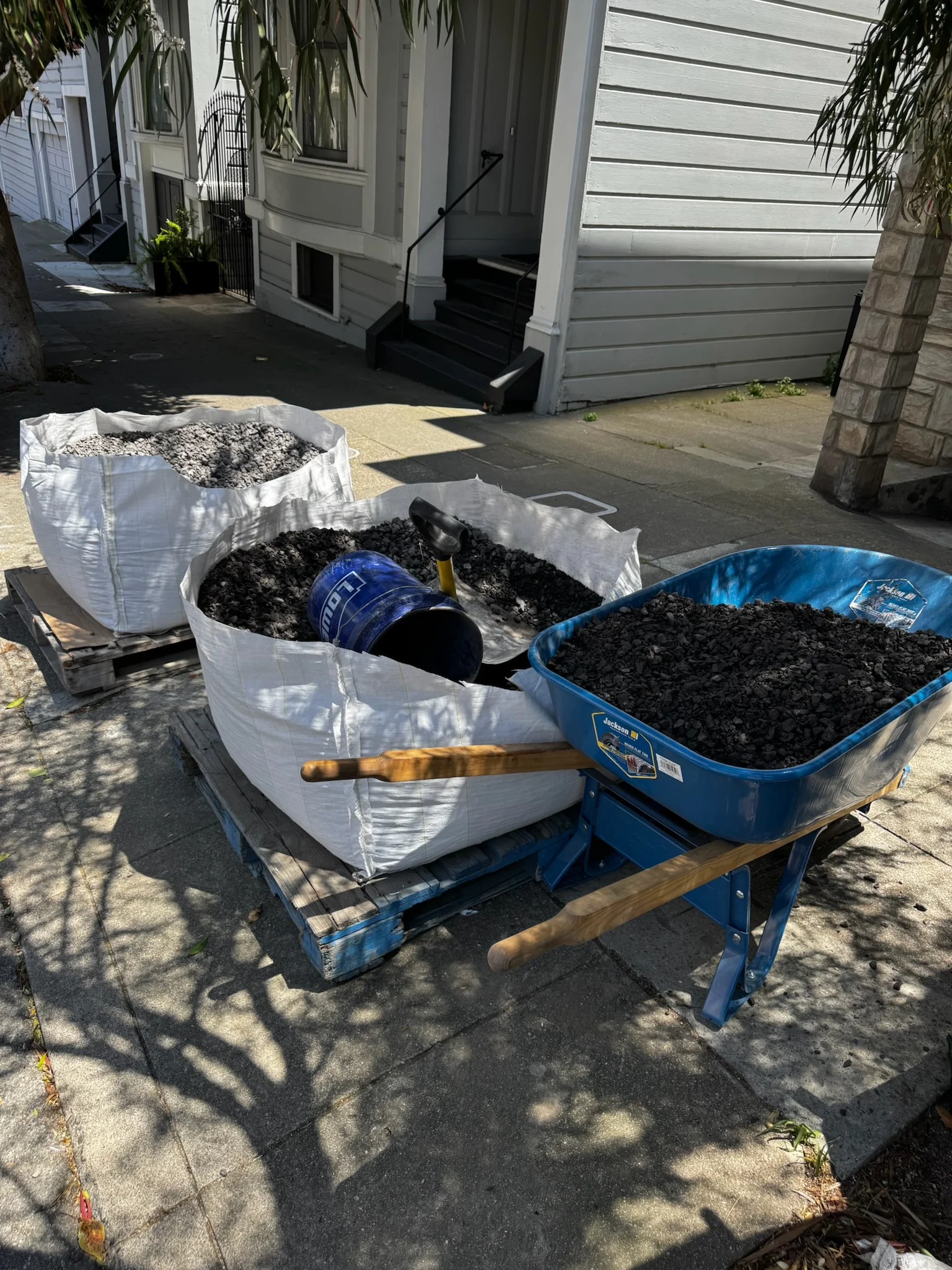
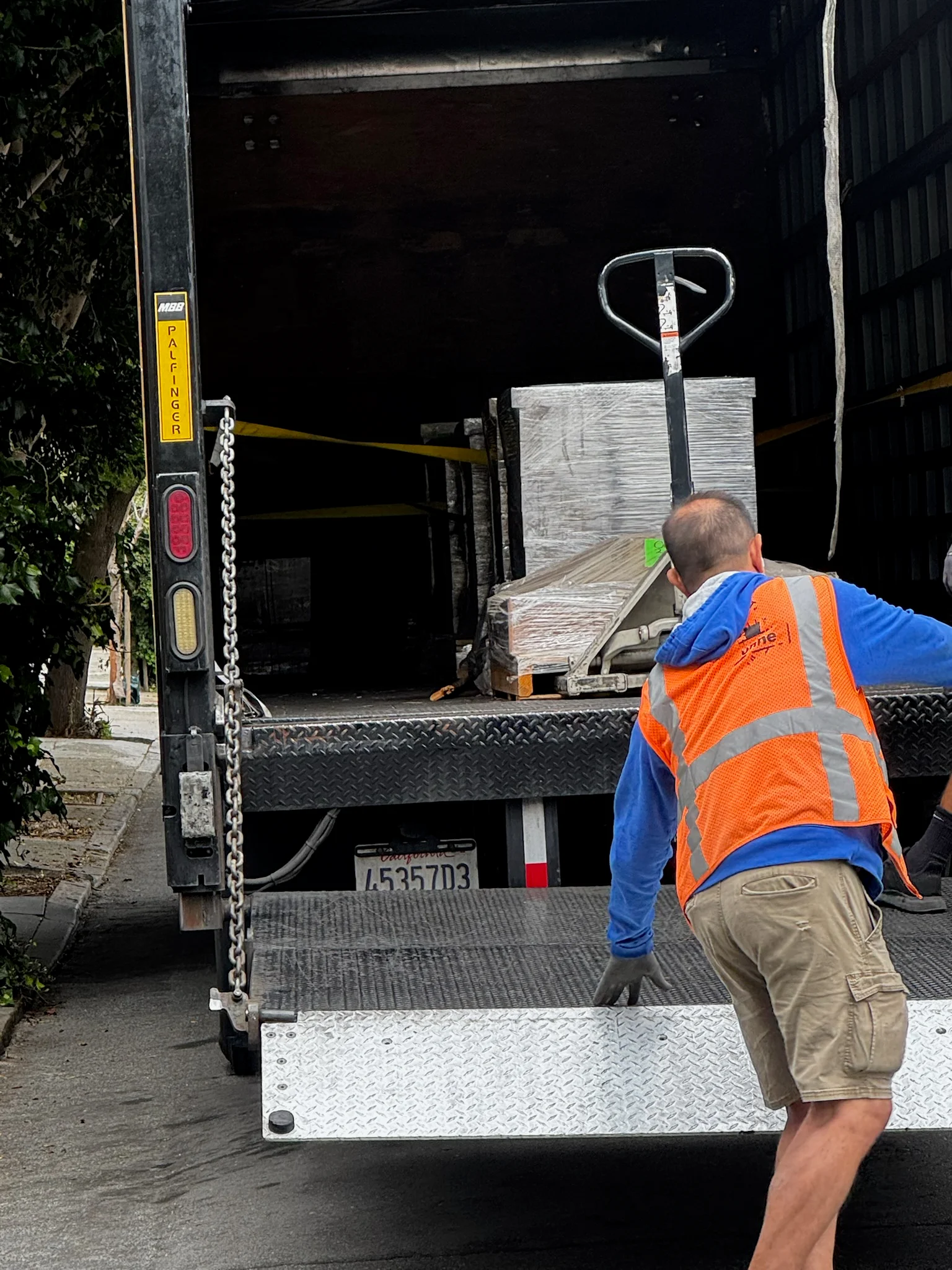
- 19 cubic yards of bulk materials (concrete, sand, gravel, soil) delivered in 1yd sacks and hand unloaded
- 5 yards of concrete
- 500+ ft of piping
- 1400+ paver bricks
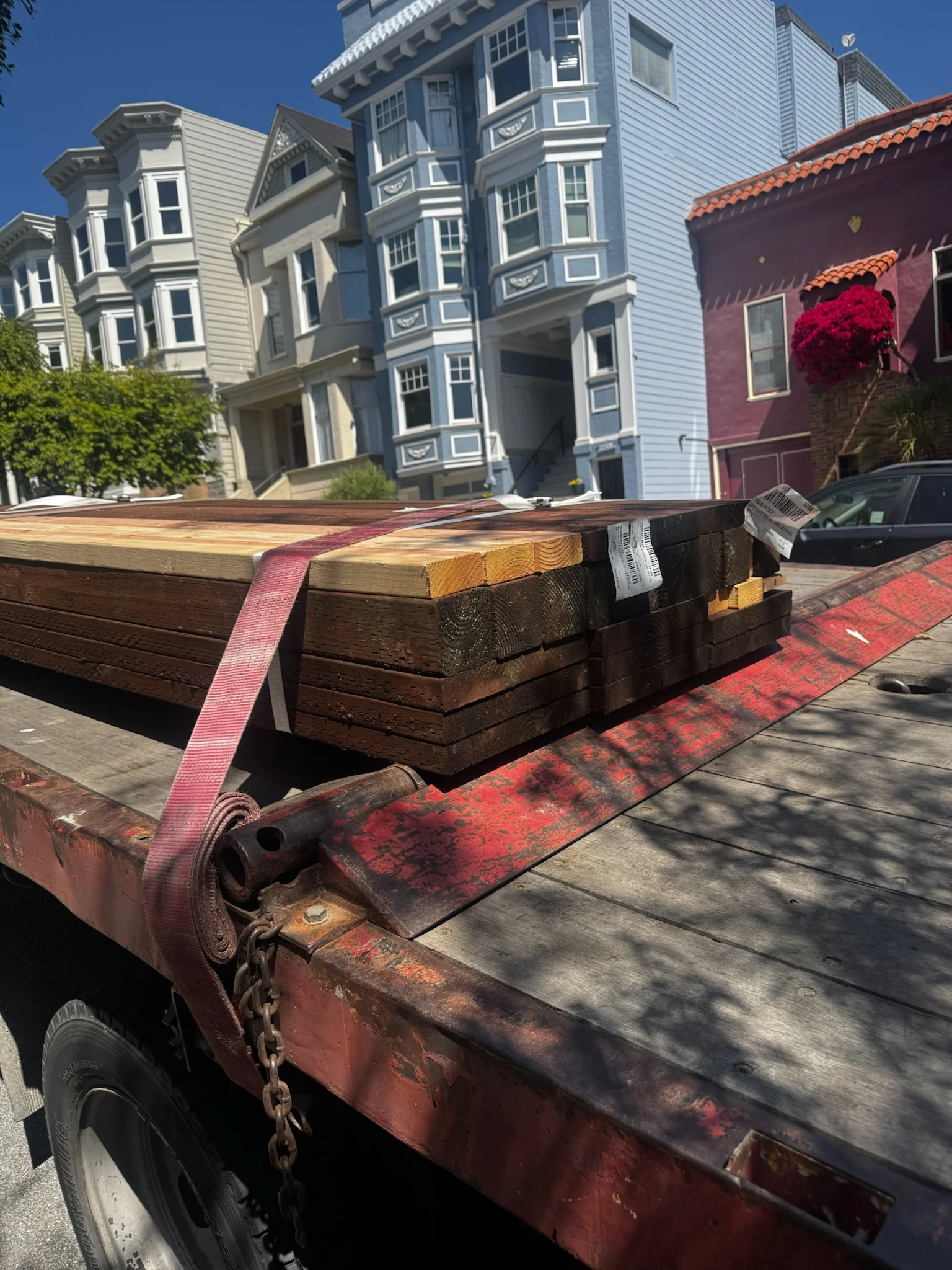
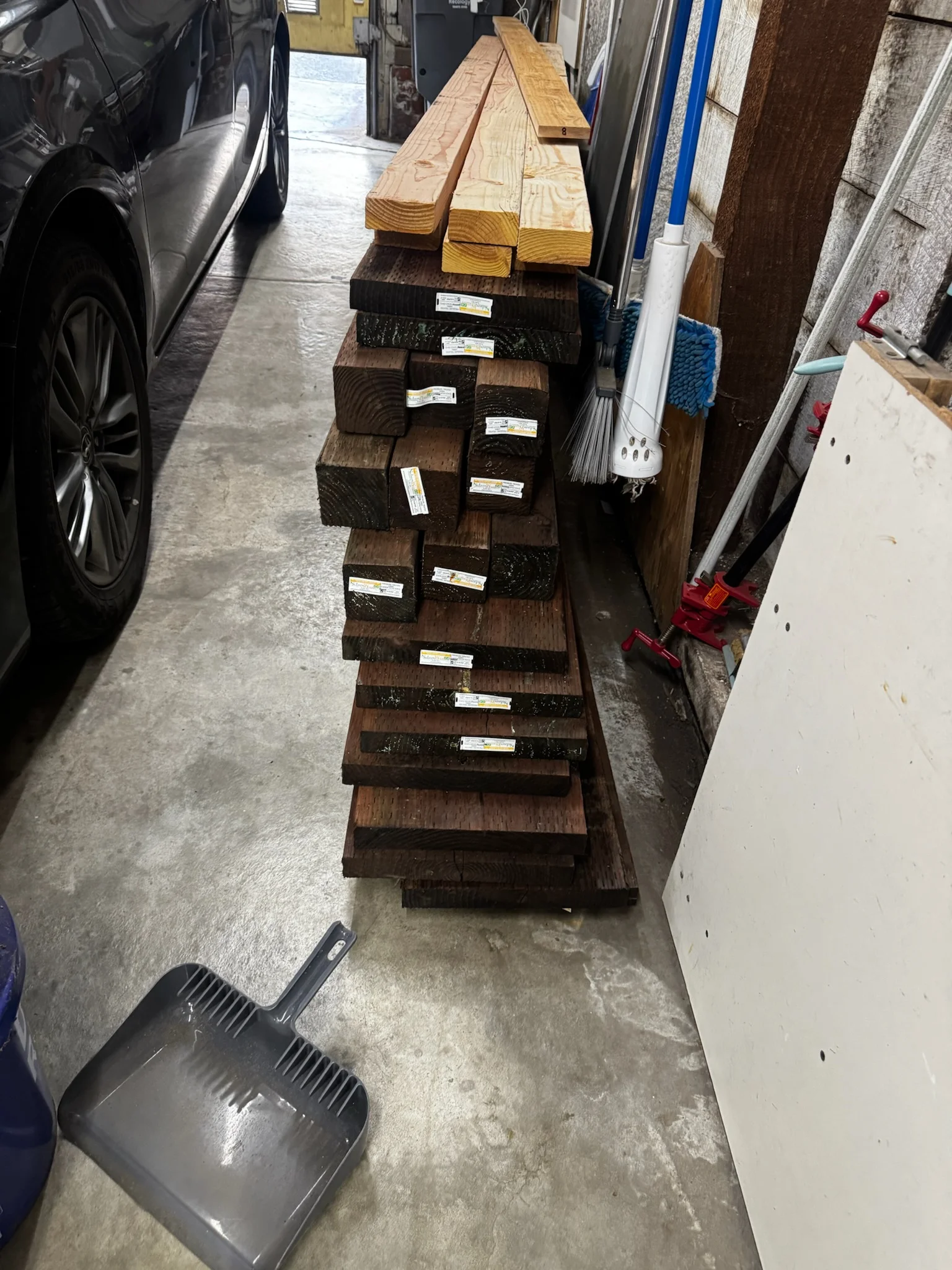
- 200+ bf of lumber